Introduction
Komazawa Olympic Park, located in Tokyo’s Setagaya and Meguro wards, is a historic and vibrant urban oasis that seamlessly combines rich Olympic heritage, outstanding sports facilities, and lush green spaces. Developed as a key venue for the 1964 Summer Olympics—the first Olympics held in Asia—the park symbolizes Japan’s post-war resurgence and ongoing commitment to community recreation and international sport. Today, Komazawa Olympic Park attracts locals, tourists, athletes, and families alike with its extensive amenities, iconic modernist architecture, and year-round events. This guide provides comprehensive information on visiting hours, tickets, park highlights, accessibility, and travel tips, ensuring an enriching experience for all visitors (Tokyo Cheapo; Dobohaku; MATCHA).
Early History
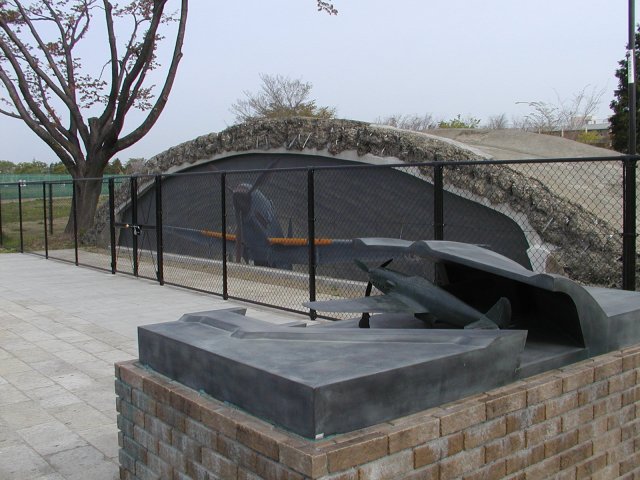
The area now known as Komazawa Olympic Park began as a military training ground in the early 20th century. It later became Japan’s first golf course for Japanese nationals in 1913 and, after World War II, was repurposed for urban green space and recreation. The site was originally earmarked for the cancelled 1940 Tokyo Olympics and served as an air defense zone during the war (Dobohaku). Following the war, the site was transformed into public land and eventually selected as a principal venue for the 1964 Olympics.
1964 Tokyo Olympics
In anticipation of the 1964 Summer Olympics, Komazawa underwent extensive redevelopment. Major structures—including the Komazawa Olympic Park Stadium, gymnasiums, and the iconic control tower—were constructed to host soccer, volleyball, and wrestling events. The park’s design, led by urban planner Eiga Takayama and landscape architect Kan Hideshima, emphasized open lawns, clear urban planning, and a welcoming environment for both athletes and the public (Dobohaku).
Post-Olympic Legacy and Architectural Significance
Transformation into a Public Park
After the Olympics, Komazawa Olympic Park was adapted for community use. Its Olympic facilities were carefully maintained and repurposed for local sports leagues, school events, and public recreation, ensuring the park’s continued relevance and accessibility (Tokyo Cheapo).
Modernist Design and Key Structures
Komazawa Olympic Park is renowned for its 1960s modernist architecture, characterized by clean lines and functional forms. Standout features include:
- Komazawa Olympic Park Stadium: The central venue with a 20,010 capacity, originally designed for Olympic soccer and athletics (Wikipedia; Sports Tokyo Info).
- Komazawa Gymnasium: A striking structure that hosted volleyball during the Olympics and remains a focal point for indoor sports (The Olympians).
- Olympic Memorial Tower: A 50-meter high, modernist tower displaying the Olympic rings, serving as a symbol of the park’s legacy (TokyoMK Guide).
- Integrated Green Spaces: The park’s layout, with tree-lined avenues and open lawns, encourages both active and passive recreation.
Key Attractions and Facilities
Sports and Recreational Amenities
- Athletics and Ball Fields: Facilities for soccer, baseball, softball, tennis, and more (Go Tokyo).
- Cycling and Jogging Tracks: A 2.1-kilometer loop, shaded by cherry and zelkova trees, perfect for runners and cyclists (Japan Travel Navitime).
- Children’s Playgrounds: Animal-themed play areas and a shallow “jabu-jabu pond” for water play (MATCHA).
- Dog Run: A designated, fenced area for registered dogs.
- Indoor Training Room: Equipped for fitness activities (fee applies; bring clean indoor shoes).
- Tokyo Olympic Memorial Gallery: Exhibits memorabilia from the 1964 Olympics (open 9:30 am–5:00 pm).
Green and Leisure Zones
- Tree-Lined Walkways & Lawns: Ideal for strolls, picnics, and hanami (cherry blossom viewing) in spring (Tokyo Park).
- Rest Areas & Cafés: Shaded benches, gazebos, and cafés ensure comfort and relaxation.
Visiting Hours, Tickets, and Entry
- Park Hours: Open daily from 5:00 AM to 9:00 PM. Some facilities operate on separate schedules; confirm via the official park website.
- Admission: General entry is free. Sports facilities and special events may require paid reservations or tickets (MATCHA).
- Training Room: Open from 9:00 AM to 9:00 PM; 450 yen for a two-hour session.
- Guided Tours: Offered seasonally, focusing on Olympic history and architecture; check availability online.
Accessibility and Getting There
- Location: 1-1 Komazawakoen, Setagaya City, Tokyo 154-0013
- Nearest Station: Komazawa-daigaku Station (Tokyu Den-en-toshi Line), a 10–15 minute walk from the park (MATCHA).
- By Bus: Buses from Komazawa-daigaku Station stop at Komazawa Koen (Live Japan).
- Barrier-Free Facilities: Wheelchair-friendly paths, accessible restrooms, and English signage throughout the park.
Events and Community Activities
Komazawa Olympic Park is a vibrant hub for annual festivals, sports tournaments, and cultural gatherings:
- Tokyo Ramen Festa: A major culinary event drawing food lovers citywide (MATCHA).
- Seasonal Hanami: Cherry blossom viewing in spring, with nighttime illuminations.
- Beer Festivals, Flea Markets, and Running Events: Regularly held in the central plaza.
- Sports Tournaments: From youth soccer to regional baseball games (TokyoMK Guide).
Practical Visitor Tips
- Wear comfortable shoes for walking or jogging; bring clean indoor shoes for fitness facilities.
- Consider a weekday or early morning visit for fewer crowds.
- Bring a picnic, but note that cafés and vending machines are available.
- Dogs are welcome on leashes; registration is required for the dog run.
- Check for seasonal events and guided tours in advance.
Frequently Asked Questions
Q: What are Komazawa Olympic Park’s visiting hours?
A: Open daily from 5:00 AM to 9:00 PM. Some facilities have separate operating hours.
Q: Is there an entrance fee?
A: General park entry is free; some facilities require paid reservations.
Q: Are guided tours available?
A: Yes, offered seasonally. Check the official website for schedules.
Q: Is the park wheelchair accessible?
A: Yes, with barrier-free paths and accessible facilities.
Q: Are dogs allowed?
A: Yes, dogs must be leashed outside the dog run; registration is required for the dog run.
Q: What is the best season to visit?
A: Spring (for cherry blossoms) and autumn (for foliage) are especially beautiful.
Nearby Attractions
- Kinuta Park: More greenery and cycling paths nearby (Tokyo Park).
- Jiyugaoka Sweets Forest: A dessert-themed attraction within easy reach.
- Setagaya Art Museum and Komazawa University: For culture and local color (Go Tokyo; Metropolis Japan).
Visuals and Media
Explore photos and virtual tours on the official Komazawa Olympic Park website. Look for images of the Olympic Memorial Tower, cherry blossoms, and major sports facilities—each with descriptive alt text such as "Komazawa Olympic Park visiting hours" and "Tokyo historical sites".
Discover More
Komazawa Olympic Park is a living monument to Tokyo’s Olympic heritage and a dynamic community hub. Its history, iconic modernist architecture, and family-friendly facilities make it an essential destination for anyone exploring Tokyo. Whether you’re here for sports, history, or relaxation, the park promises a rewarding experience year-round.
Plan your visit today:
- Download the Audiala app for real-time updates, interactive maps, and guided tour bookings.
- Follow us on social media for the latest news and insider tips on Tokyo’s parks and historical sites.
Listen to the full story in the app
Your Personal Curator, in Your Pocket.
Audio guides for 1,100+ cities across 96 countries. History, stories, and local insight — offline ready.
Audiala App
Available on iOS & Android
Join 50k+ Curators
Sources
- verified
- verified
- verified
- verified
- verified
- verified
- verified
- verified
- verified
- verified
- verified
- verified
- verified
- verified
Last reviewed: