Plan and listen to Kabukichō with Audiala.
Audio guide in your pocket, itinerary in your browser. Built for the way you actually visit.
Introduction: Kabukichō’s History and Cultural Significance
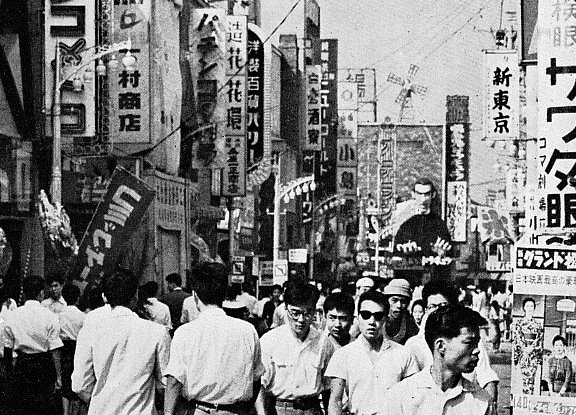
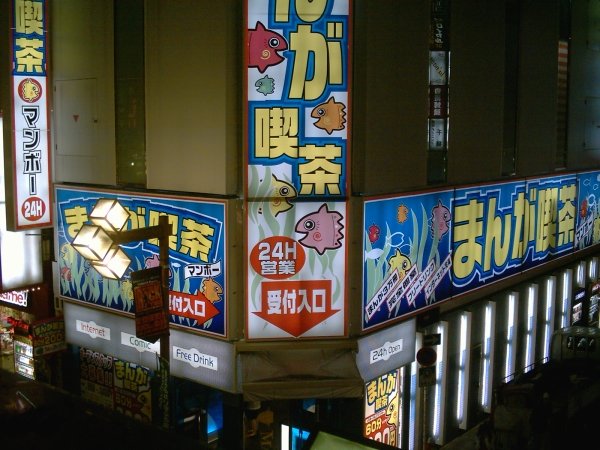
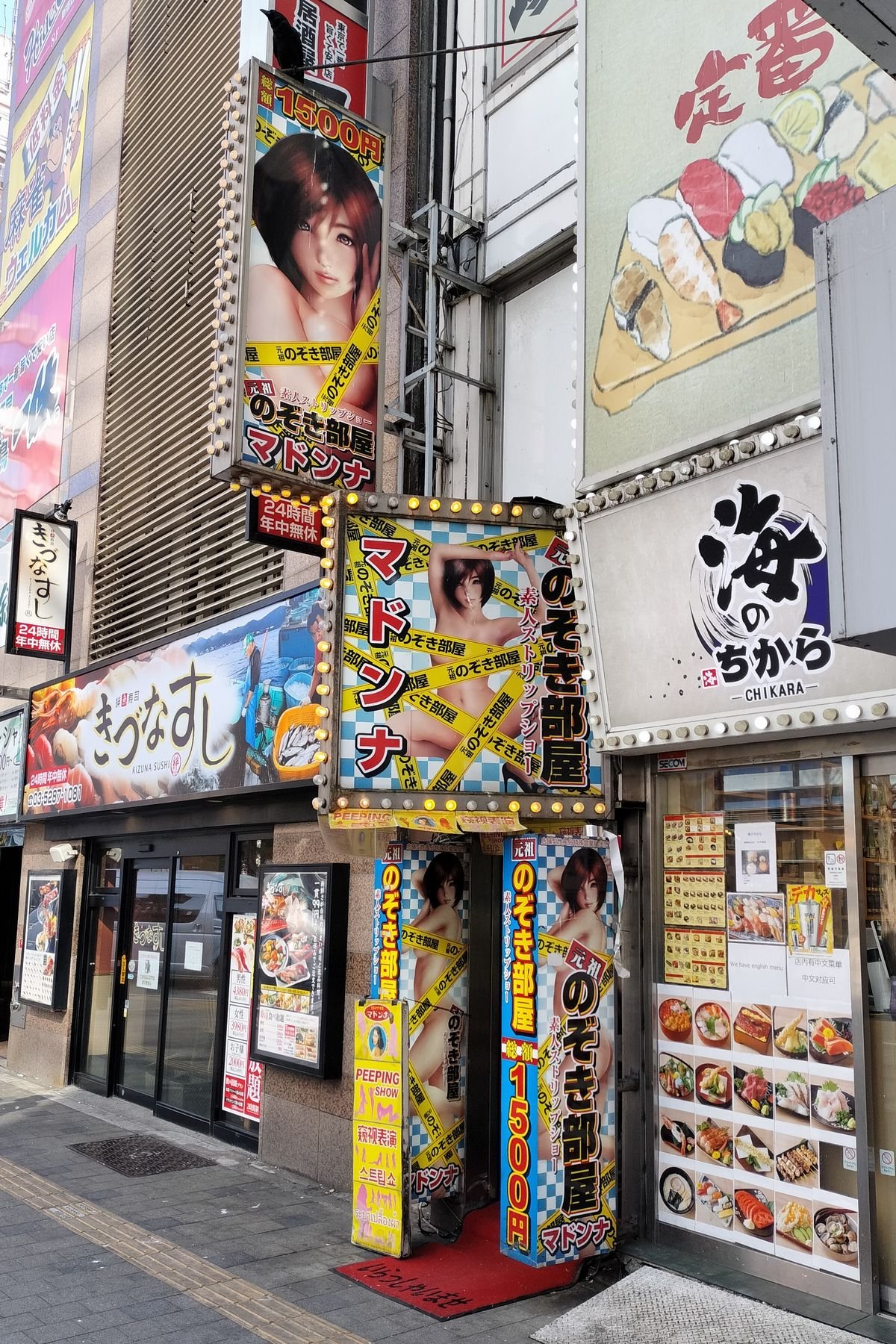
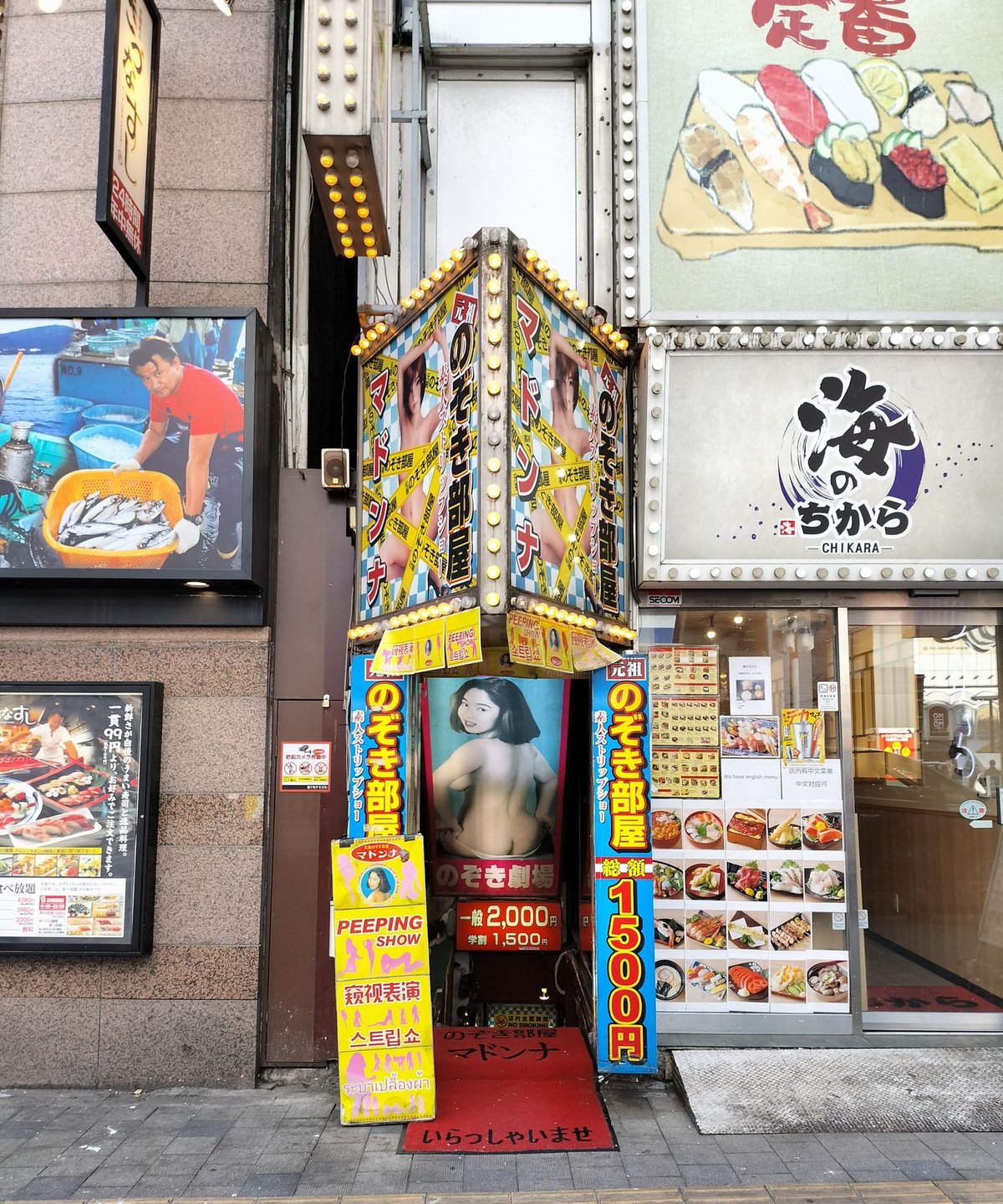
Kabukichō, located in Tokyo’s bustling Shinjuku ward, is celebrated as the city’s premier entertainment district—often dubbed the neon-lit "Sleepless Town." With a storied past and a vibrant present, Kabukichō seamlessly blends rich history, pulsating nightlife, and unique urban experiences. Once a swampy area called Tsunohazu, the district has evolved through postwar reconstruction, a boom in entertainment and counterculture, and modern redevelopment. Today, millions flock to Kabukichō annually, drawn by its iconic nightclubs, host and hostess clubs, love hotels, theaters, and cultural sites such as Hanazono Shrine and Golden Gai.
This guide provides detailed insights into Kabukichō’s origins, cultural significance, practical visitor information—including visiting hours, ticketing, accessibility, and safety tips—and highlights must-see attractions and local customs to ensure a rewarding and respectful experience (nippon.com; japansubculture.com; kanpai-japan.com).
- Early Origins & Development
- Postwar Transformation: Birth of Kabukichō
- The Entertainment Boom (1950s–1970s)
- The Influence of Organized Crime
- Urban Redevelopment & Modern Era
- Practical Visitor Information
- Cultural and Pop Culture Impact
- Key Landmarks & Institutions
- Demographic & Social Changes
- Safety, Customs & FAQ
- Visual & Interactive Resources
- Conclusion & Recommendations
- References

1. Early Origins & Development
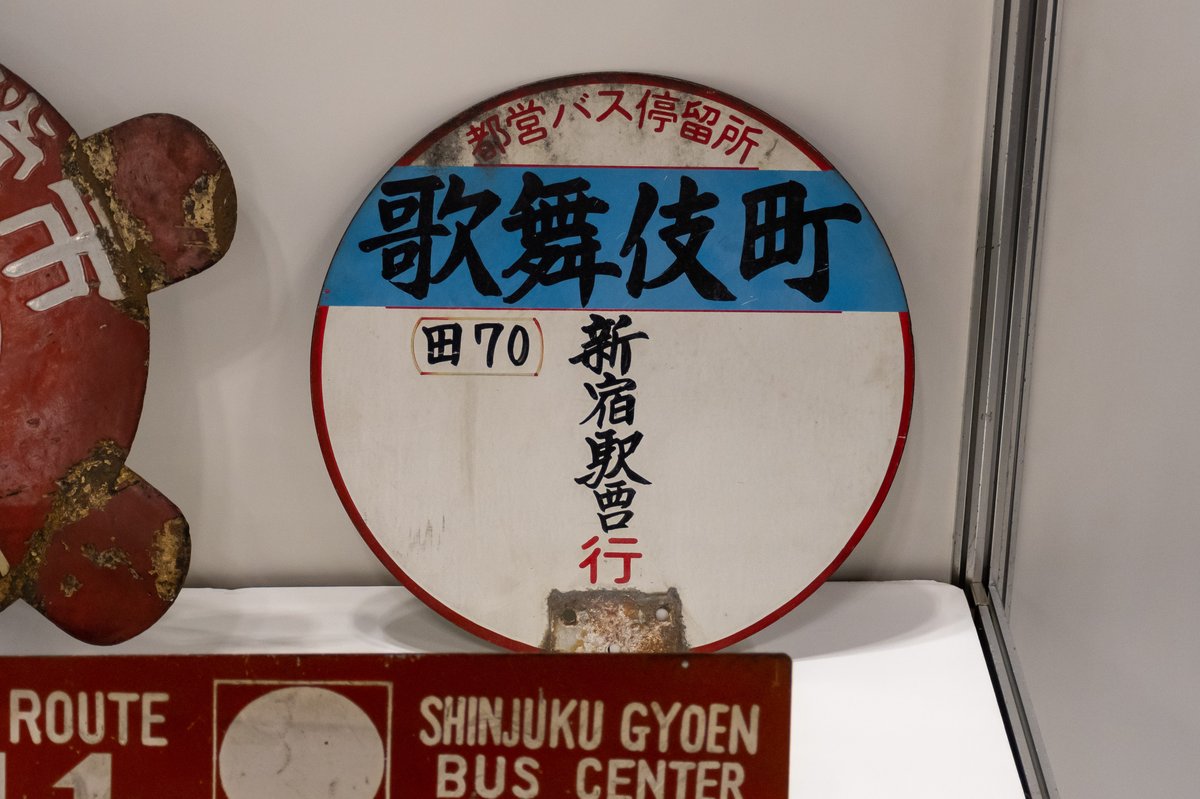
Originally a swamp known as Tsunohazu, Kabukichō’s development began in the early 20th century, largely influenced by overseas Chinese residents who revitalized unused land (tokyo-park.net). Foreign-owned businesses, including early forms of love hotels, shaped the area’s early identity (japansubculture.com).
2. Postwar Transformation: Birth of Kabukichō
The devastation of World War II left Tsunohazu in ruins (tokyo-park.net). Community leaders, aspiring to cultural revival, planned a kabuki theater at the district’s heart. While the theater was never built, the name “Kabukichō” stuck, symbolizing hopes for a thriving entertainment hub (nippon.com). The area flourished with the opening of theaters and the Seibu-Shinjuku Station, transforming it into a center for nightlife and entertainment.
3. The Entertainment Boom (1950s–1970s)
By the 1950s, Kabukichō became a lively entertainment district, boasting movie theaters, skating rinks, and the first host club in 1971. Nightlife expanded with host/hostess clubs, love hotels, and nightclubs, earning Kabukichō its “Sleepless Town” moniker (japansubculture.com). Golden Gai, developed from a postwar black market, became a creative enclave for artists and writers (golden-gai.tokyo; nippon.com).
4. The Influence of Organized Crime
Kabukichō’s rapid growth attracted Japan’s yakuza, leading to protection rackets and illegal activities that shaped its reputation (japansubculture.com). Although crime has since declined, the district inspired the fictional “Kamurochō” in Sega’s Yakuza video games (booksandbao.com). The “blue line” alleys, once known for unlicensed prostitution, were curtailed by anti-prostitution laws in 1958 (golden-gai.tokyo).
5. Urban Redevelopment & Modern Era
From the 2000s onward, government initiatives—such as increased policing, surveillance, and anti-crime laws—helped improve safety (japansubculture.com). Urban redevelopment introduced new skyscrapers and modern attractions, while efforts continue to preserve Kabukichō’s unique, eclectic character (thetravelshots.com).
6. Practical Visitor Information
Visiting Hours
- Nightlife venues: Most open from 6 PM and stay open until 5 AM or later.
- Shops & cultural sites: Typically open from 9 AM to 6 PM.
- Shrines & parks: Hanazono Shrine (6 AM–6 PM), Shinjuku Gyoen (varies by season).
Tickets & Admission
- Most bars, clubs, and restaurants do not require advance tickets but may have cover charges.
- Theaters and cinemas require tickets, available on-site or online.
- Guided tours can be booked in advance; some specialty shows/events require pre-purchase.
Getting There & Accessibility
- Stations: Shinjuku Station (JR, Metro), Seibu-Shinjuku Station.
- Accessibility: Many venues are wheelchair-friendly, though Golden Gai’s narrow alleys can be challenging.
Nearby Attractions & Special Events
- Golden Gai: Artistic bar area, open from 6 PM until late.
- Hanazono Shrine: Historic Shinto shrine, open daily.
- Shinjuku Gyoen: Japanese and Western-style gardens.
- Seasonal Festivals: Hanazono Shrine Festival and nightlife events.
- Bar tours: Guided bar-hopping tours available.
Recommended Photography Spots
- Kabukichō Ichiban-gai Gate (neon-lit at night)
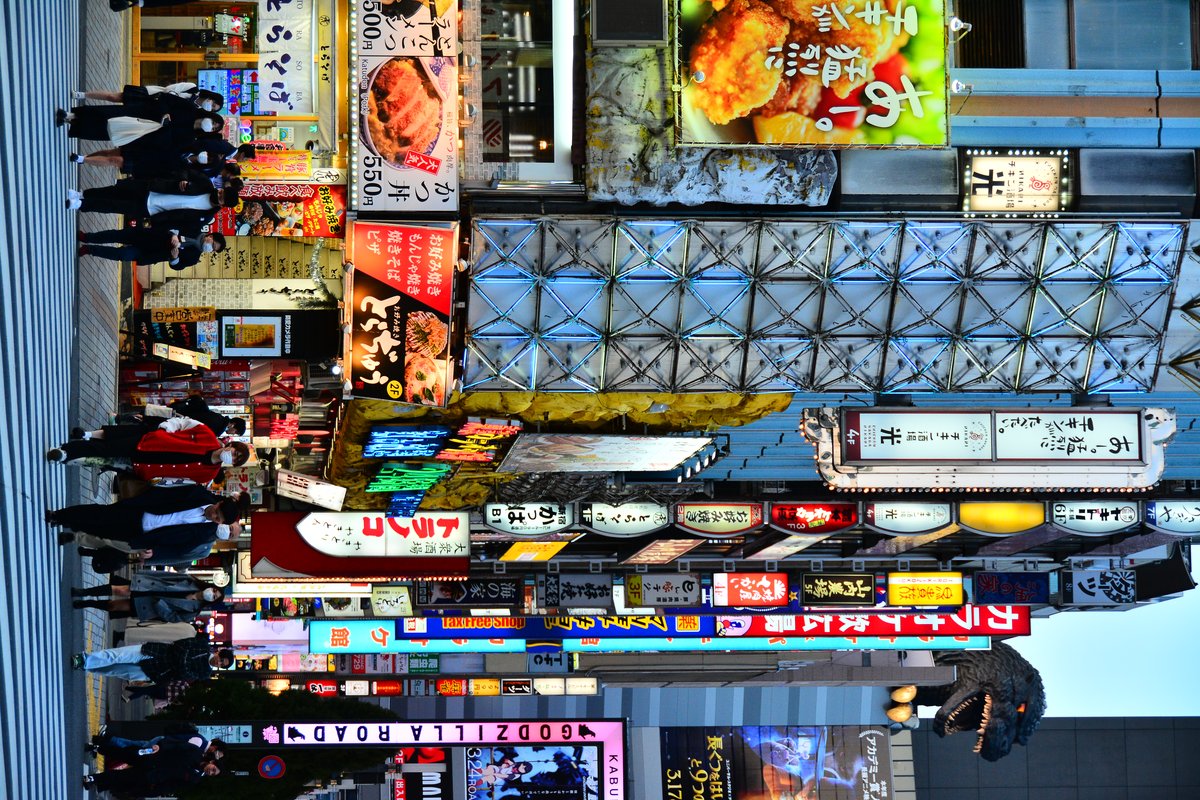
- Godzilla Head atop Hotel Gracery (roars hourly, 12 PM–8 PM)
- Golden Gai alleys
- Hanazono Shrine
7. Cultural and Pop Culture Impact
Kabukichō’s neon streets and vibrant subcultures have inspired films, anime, and video games, making it a recognizable symbol of Tokyo’s nightlife (thetravelshots.com). Its transformation from postwar black market to a global nightlife destination reflects Tokyo’s dynamic spirit (nippon.com).
8. Key Landmarks & Institutions
- Kabukichō Ichiban-gai Gate: Iconic district entrance (Wikipedia).
- Godzilla Head: Pop culture landmark (Prepare Travel Plans).
- Golden Gai: Historic bar area (golden-gai.tokyo).
- Hanazono Shrine: Historic Shinto shrine.
- Don Quijote: 24-hour discount store.
- Kinokuniya Bookstore: Literary and cultural hub.
9. Demographic & Social Changes
Originally frequented by locals and artists, Kabukichō now draws a global audience, including tourists, business travelers, and Tokyoites of all ages. Its diversity is reflected in the range of establishments, from traditional izakayas to modern themed bars (tokyo-park.net).
10. Safety, Customs & FAQ
Safety Tips
- Avoid touts and street solicitors; decline unsolicited offers politely (Tokyo Metropolitan Police Department).
- Use well-reviewed, reputable venues.
- Stay in busy, well-lit areas at night.
- Secure valuables and use official taxis or transport at night.
Local Customs
- No tipping; use trays for payment.
- Speak softly; avoid disruptive behavior.
- Always ask before photographing people or inside venues.
- Follow “Japanese only” or “no photography” signs.
FAQ
Q: What are Kabukichō’s visiting hours?
A: Nightlife peaks from 6 PM to 5 AM; daytime attractions 9 AM–6 PM.
Q: Is Kabukichō safe?
A: Yes, with increased safety measures, but remain vigilant at night.
Q: Do I need tickets?
A: No entry fee for the district; some venues and events require tickets or cover charges.
Q: Is the area family-friendly?
A: Daytime is suitable for families; nightlife is adult-oriented.
Q: How can I avoid scams?
A: Decline street offers, research venues, and clarify costs upfront.
Tickets & tours.
These are guided options from our partners — same price as booking direct.
Prices are indicative — final pricing and availability are confirmed at checkout. Audiala may earn a commission from bookings made through these links.
Listen to the full story in the app
The whole Kabukichō,
told well.
Audio guides for 1,100+ cities across 96 countries. History, stories, and local insight — offline ready.
Verified, and shown.
Researched and written by the Audiala editorial team from historical records, architectural archives, and local expertise.
Researched from Wikidata, Wikipedia & official sources · fact-checked · How we make our guides →