Introduction
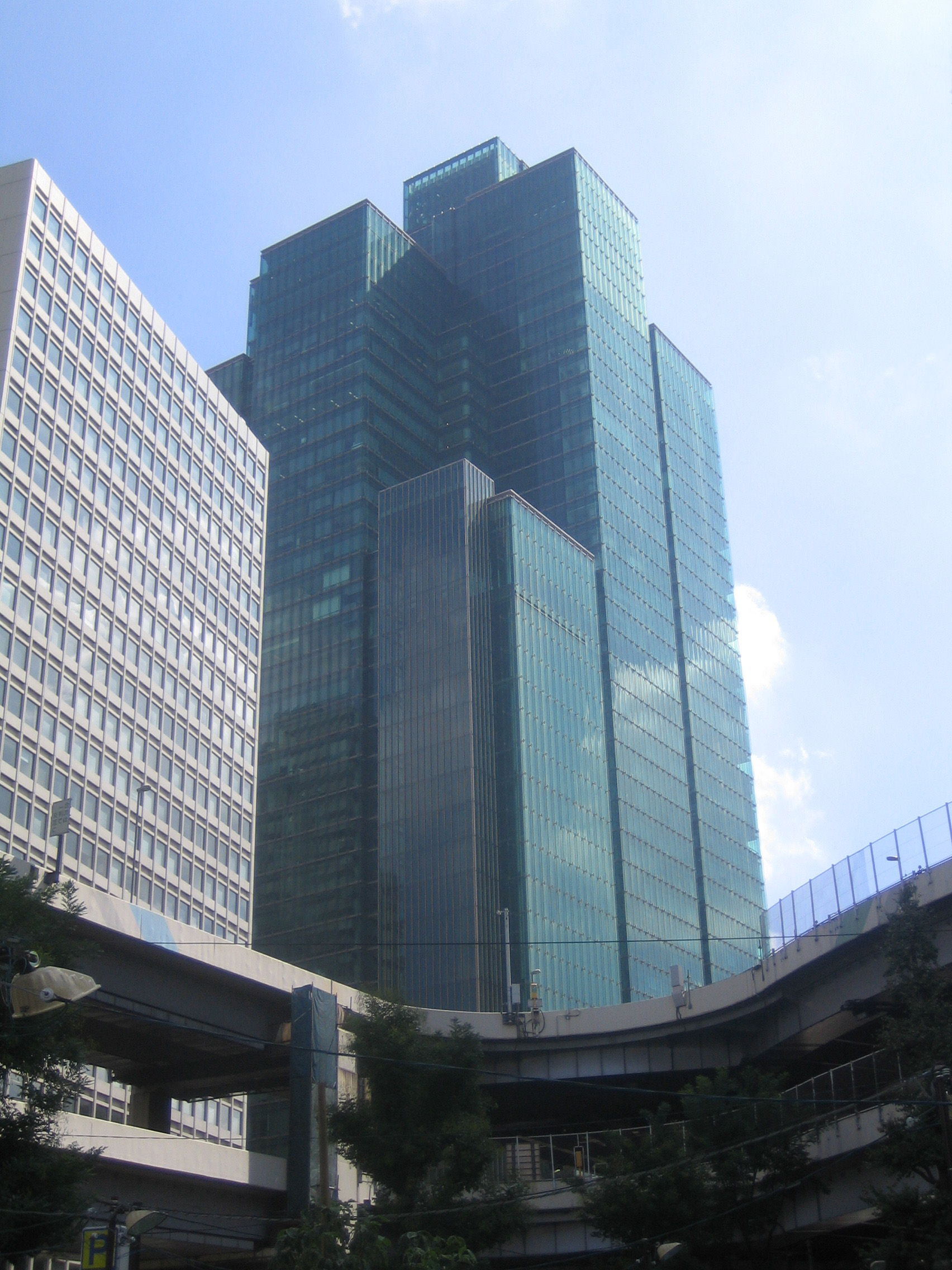
Situated in the heart of Tokyo’s Roppongi district, Izumi Garden Tower is a striking showcase of modern architecture, urban redevelopment, and cultural integration. Completed in 2002 through the collaboration of Sumitomo Realty & Development Co., Ltd. and the renowned firm Nikken Sekkei, the tower rises 201 meters, featuring a distinctive turquoise-green glass façade. This mixed-use complex serves as a landmark that harmoniously blends office spaces, luxury residences, retail outlets, cultural venues, and lush open spaces, all seamlessly connected by an innovative urban corridor.
Born from Tokyo’s ambitious urban regeneration program, Izumi Garden Tower transformed a once fragmented area into a dynamic vertical city. With direct access to the Tokyo Metro Hibiya Line at Roppongi-itchome Station, the complex offers unparalleled convenience for both locals and travelers. Visitors can enjoy panoramic city views, diverse dining experiences, and a range of cultural attractions, including the Izumi Garden Museum and the Sen-oku Hakukokan Tokyo Museum. This comprehensive guide provides detailed insights into Izumi Garden Tower’s history, architecture, visitor information, accessibility, nearby attractions, and special events, helping you plan an enriching visit to one of Tokyo’s premier urban destinations.
For official details and updates, visit the Izumi Garden Tower website and explore further on Go Tokyo.
Historical Development
Urban Context and Site Assembly
Izumi Garden Tower stands as a testament to strategic urban redevelopment in Tokyo's Roppongi district. The site was historically fragmented, with uneven terrain and multiple landowners, leading to underutilization (ULI Case Study). The extension of the Tokyo Metro Hibiya Line and the creation of Roppongi-itchome Station in the late 1980s presented an opportunity for large-scale renewal, prompting Sumitomo Realty & Development Co., Ltd. to assemble the site and coordinate redevelopment efforts under Tokyo’s District Renewal Program (DRP).
Timeline and Project Scope
Planning began in 1988, and the project was completed in July 2002. The development covers 3.2 hectares (7.9 acres), featuring office, residential, hotel, retail, museum, and open spaces, with a gross building area of 208,002 square meters. Notably, the project achieved an exceptionally high floor area ratio (FAR) of up to 1,000% for towers closest to the station (ULI Case Study).
Architectural Significance
Design and Innovation
Architect Nikken Sekkei led the project, focusing on integrating the tower with its urban surroundings, maximizing open public space, and ensuring excellent pedestrian flow (Go Tokyo). The 45-story tower is the centerpiece, complemented by the Izumi Garden Residence luxury apartments and a preserved traditional garden.
A hallmark of the design is the “urban corridor”: terraced plazas connect Roppongi-itchome Station with the museum and garden, using broad steps, escalators, and retail spaces to facilitate foot traffic and create vibrant communal areas (ULI Case Study).
Structural Features
The tower’s glass façade gives it a luminous, modern appearance, and the innovative 16m x 16m flying atrium vertically connects 17 office floors to the subway lobby below. High-speed glass elevators and a stacked core design enhance openness and flexibility, while the lower levels house retail and restaurants directly accessible from street level.
Mixed-Use Impact
Izumi Garden Tower exemplifies mixed-use city living, with 261 residential units, a 189-room hotel, 83,300 square meters of office space, and dedicated parking. Early success in occupancy demonstrated its appeal and set a benchmark for future redevelopment in Tokyo.
Urban Integration and Open Spaces
The project allocates 34% of the site to open space, including the historic garden and museum. The direct connection to Roppongi-itchome Station and thoughtful landscaping create a tranquil oasis within a bustling city (ULI Case Study).
Visitor Information
Visiting Hours
- Retail and Dining: 11:00 AM – 9:00 PM daily
- Izumi Garden Museum: 10:00 AM – 5:00 PM (Closed Mondays and public holidays)
- Gardens and Plazas: 7:00 AM – 10:00 PM
- Offices/Residences: Restricted access (for tenants and residents)
Tickets and Admission
- Retail/Dining Areas: Free
- Izumi Garden Museum: ¥500 (adults), ¥300 (seniors), free for children under 12
- Special Exhibitions: Check the official site for current pricing and event schedules
- Guided Tours: Available by reservation for groups and special exhibitions
How to Get There
- Subway: Direct access from Roppongi-itchome Station (Tokyo Metro Namboku Line); also near Tameike-sanno (Ginza/Namboku) and Roppongi Station (Hibiya/Toei Oedo)
- Bus: Multiple city routes serve Roppongi; most vehicles are low-floor and accessible
- Car: Parking available (approx. 200–500 spaces, up to ¥3,000/day)
- Bicycle: Secure parking, with hourly and monthly rates (Izumi Garden Access)
Accessibility
Izumi Garden Tower is fully barrier-free, featuring wide walkways, elevators, escalators, tactile paving, and accessible restrooms (Go Tokyo Accessibility Guide). Roppongi-itchome Station and onsite hotels offer additional accessible accommodations. Family-friendly amenities include stroller-friendly plazas and interactive exhibits for children.
Cultural and Seasonal Events
- 100万人のクラシックライブ (Classical Live Concerts): Free/low-cost performances held throughout the year
- Cherry Blossom Festival: Illuminated sakura tunnel each spring, with night walks and seasonal displays
- Art Exhibitions: Rotating shows at Izumi Garden Gallery and Sen-oku Hakukokan Tokyo
- Holiday Illuminations: Winter light-ups with cultural performances
- Cultural Festivals: Food fairs and craft markets celebrating Japanese traditions (Tsunagu Japan)
Dining, Shopping, and Amenities
Enjoy a diverse culinary scene with over 10 restaurants, from gourmet Italian (PIZZAKAYA) and Japanese hot pot (Shabu-shabu Kinukawa) to Arabian cuisine (Al Ain) and fusion eateries. The complex also features a fitness club (Esforta), bookstore, convenience stores, and a dedicated golf studio.
Nearby Attractions
- Roppongi Hills & Mori Art Museum: Art, shopping, and panoramic city views
- Tokyo Midtown & National Art Center: Contemporary art and exhibitions
- Okura Museum of Art: Pre-modern Japanese and East Asian art (Trek Zone)
- Hikawa Shrine: Historic Shinto site
- Tokyo Tower: Iconic observation decks with city and Mt. Fuji views
- Zojoji Temple: Historic Buddhist temple, picturesque in sakura season
- Akasaka & Imperial Palace: Heritage sites and gardens
- Ueno Park & Museums: National Museum, Ueno Zoo, and cherry blossoms
- Odaiba/Tokyo Bay: Waterfront leisure and science museums (JW Web Magazine)
Transportation
- Haneda Airport: 30–40 minutes by train (with transfer at Shinagawa or Meguro) (Japan Guide)
- Narita Airport: 90 minutes via Narita Express or Keisei Skyliner, then Tokyo Metro (Japan Guide)
- Taxi: Plentiful; drop-off and pickup points at the complex
Frequently Asked Questions (FAQ)
Q: What are Izumi Garden Tower’s visiting hours?
A: Retail/dining 11:00 AM–9:00 PM; gardens 7:00 AM–10:00 PM; museum 10:00 AM–5:00 PM (closed Mondays/public holidays).
Q: Is the complex wheelchair accessible?
A: Yes, with elevators, ramps, accessible toilets, and tactile paving.
Q: Are tickets required?
A: Entry to public areas is free; tickets are needed for special exhibitions at museums and galleries.
Q: Are guided tours available?
A: Yes, by reservation, especially during special exhibitions.
Q: How do I get there by public transport?
A: Direct access via Roppongi-itchome Station (Tokyo Metro Namboku Line).
Q: Are there family-friendly and accessible facilities?
A: Yes, including stroller-friendly paths, family restrooms, and interactive exhibits for children.
Visuals and Media


All images feature descriptive alt text and keywords for search optimization.
Summary & Recommendations
Izumi Garden Tower is a model of urban transformation—melding striking architecture, cultural venues, lush gardens, and accessible design. Its integration with public transit and dedication to open space and cultural programming make it a top Tokyo destination for visitors of all ages and backgrounds. Whether you’re seeking art, dining, tranquil gardens, or city views, the tower and its complex offer a memorable experience.
For up-to-date visitor information, tickets, and event schedules, always consult the official site and Go Tokyo. Enhance your visit with the Audiala app for audio tours and event updates.
Listen to the full story in the app
Your Personal Curator, in Your Pocket.
Audio guides for 1,100+ cities across 96 countries. History, stories, and local insight — offline ready.
Audiala App
Available on iOS & Android
Join 50k+ Curators
Sources
- verified
- verified
- verified
- verified
- verified
- verified
- verified
- verified
Last reviewed:


