Plan and listen to Grantokyo with Audiala.
Audio guide in your pocket, itinerary in your browser. Built for the way you actually visit.
Introduction to GranTokyo: History and Modern Significance
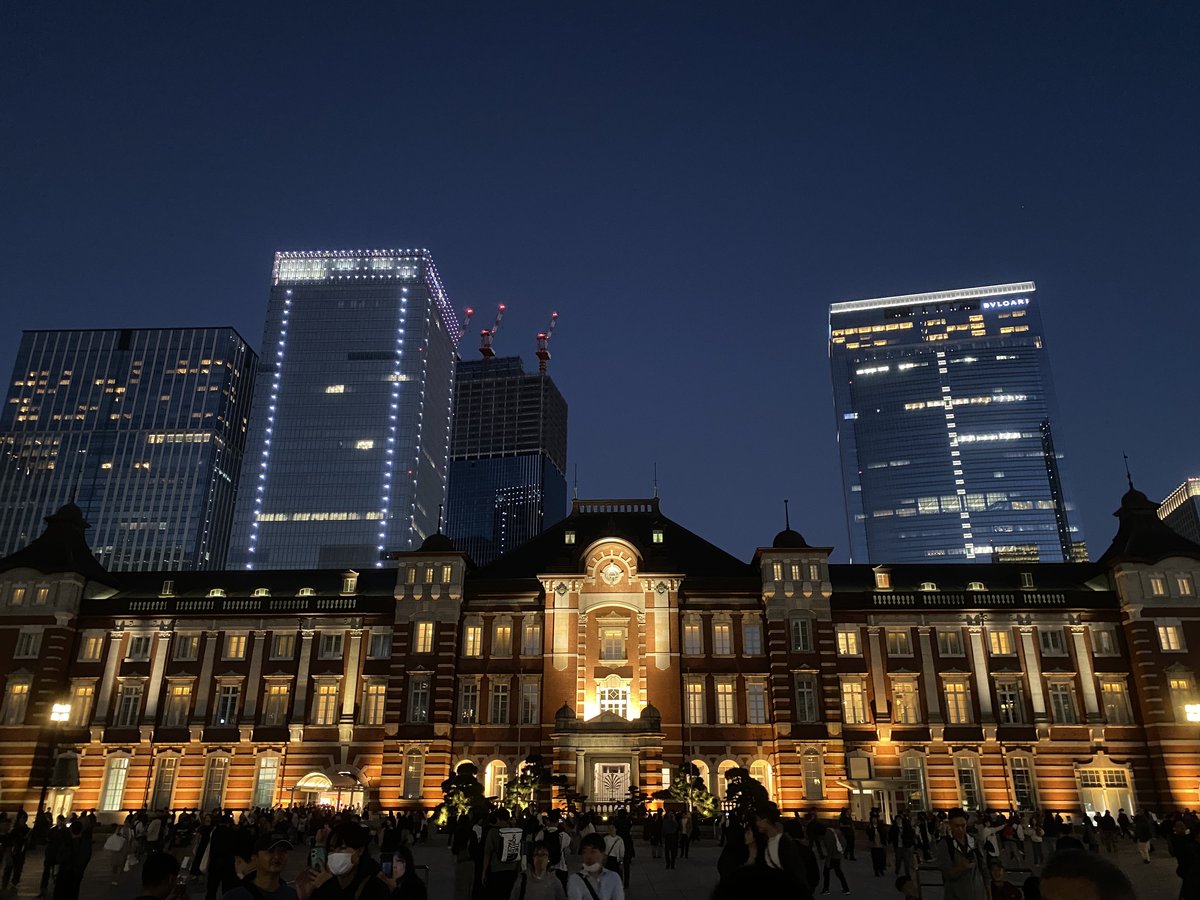
Nestled in Tokyo’s vibrant Yaesu district, GranTokyo is an architectural marvel that stands beside Tokyo Station, one of Japan’s most prominent historic and transportation hubs. The twin-tower complex, featuring the innovative GRANROOF canopy, is a symbol of Tokyo’s blend of tradition and modernity. Visitors to GranTokyo and the surrounding district can experience a seamless fusion of history, cutting-edge urban design, premium shopping, sophisticated dining, and cultural activities—all within walking distance of landmarks like the Tokyo Station Marunouchi red-brick façade and the Imperial Palace East Gardens.
Rooted in the Edo period as part of Edo Castle’s outer moats, this area transformed through the Meiji Restoration as Mitsubishi Estate developed it into a Western-style business hub. The 1914 opening of Tokyo Station, with its iconic red-brick frontage by Tatsuno Kingo, marked a milestone in Japan’s modernization and spurred the area’s commercial growth. Since the early 2000s, redevelopment has introduced skyscrapers such as GranTokyo’s North and South Towers, reflecting Tokyo’s forward-looking spirit and commitment to sustainability.
GranTokyo and its surrounding plazas, retail arcades, and dining establishments are accessible without admission fees, and the entire district is designed with inclusivity in mind, ensuring accessibility for families, travelers with disabilities, and international visitors. Its direct connection to Tokyo Station offers seamless transit to Narita and Haneda airports, as well as Shinkansen bullet trains for exploring regions beyond Tokyo.
This in-depth guide covers GranTokyo’s fascinating history, practical visiting information, transportation and accessibility tips, suggestions for nearby sights, and insider advice to help you make the most of your visit. For real-time updates, visitors should consult official resources and recommended mobile applications for Tokyo tourism.
For more, see Japan Guide - Marunouchi, Go Tokyo - Tokyo Station, and Matcha Japan - Tokyo Midtown Yaesu.

Historical Evolution of GranTokyo and Tokyo Station
Edo Period and Early Urbanization
GranTokyo’s site traces back to the Edo Period (1603–1868), when the area formed a part of Edo Castle’s outer defensive moats and housed estates of feudal lords (Japan Guide). The area known as “Marunouchi”—meaning “within the enclosure”—was strategically vital and laid the groundwork for its future role as a business and cultural nexus.
Meiji Modernization
The Meiji Restoration (1868) ushered in rapid modernization. Mitsubishi Group purchased the Marunouchi district in 1890, transforming it into a Western-style business hub with British-inspired red brick buildings. The opening of Tokyo Station in 1914 was a pivotal development, facilitating the movement of people and goods and attracting major corporations (Rethink Tokyo).
Tokyo Station’s Architectural and Economic Impact
Tokyo Station’s red-brick Marunouchi façade, designed by Tatsuno Kingo, became a symbol of Japan’s modernization (Go Tokyo). By 1922, Marunouchi was home to a third of Japan’s largest companies.
Postwar Reconstruction
Following World War II, the area was extensively rebuilt with upgraded infrastructure, including expressways and expanded rail networks (Mori Memorial Foundation). Marunouchi retained its status as a corporate hub, while Tokyo Station remained critical for both local and long-distance transit.
Modern Redevelopment and Sustainability
Since the early 2000s, redevelopment led by Mitsubishi Estate and partners has transformed the area with state-of-the-art skyscrapers and eco-friendly urban spaces. GranTokyo’s North and South Towers, completed in 2007, are connected by the GRANROOF canopy and integrate retail, offices, and public plazas (Matcha Japan). The district has adopted sustainability initiatives, including expanding green spaces and promoting energy efficiency (FasterCapital).
Cultural and Economic Importance
GranTokyo today hosts major corporations, cultural venues like the Mitsubishi Ichigokan Museum, and dynamic public spaces, representing Tokyo’s fusion of tradition and innovation (Go Tokyo).
Visiting GranTokyo: Hours, Tickets, and Accessibility
Opening Hours
- Shops and Restaurants: Typically open from 10:00 AM to 9:00 PM (GranTokyo), with some opening as early as 8:00 AM.
- Public Plazas and GRANROOF: Accessible 24/7.
- Individual Store Hours: May vary; check business websites in advance.
Tickets and Admission
- General Entry: Free access to GranTokyo’s public areas, shops, and plazas.
- Special Exhibitions: Some events or exhibitions may require tickets (check official event pages for details).
- Tokyo Station Gallery: Admission fee applies (typically ¥300–¥500).
Accessibility
- Barrier-Free Design: Ramps, elevators, tactile paving, and accessible restrooms throughout GranTokyo and Tokyo Station.
- Family-Friendly: Wide walkways and strollers welcome.
- Multilingual Signage: English and other languages for international visitors (Tokyo Metropolitan Government).
Transportation and Getting There
- Direct Access: GranTokyo is adjacent to Tokyo Station’s Yaesu entrance.
- Train: Served by JR lines (including Shinkansen), Tokyo Metro, and private railways.
- Airport Access: Direct Narita Express from Narita Airport (approx. 60 minutes); Tokyo Monorail and JR lines from Haneda Airport (approx. 30 minutes).
- Bus and Taxi: Airport limousine buses and city buses stop at Tokyo Station.
- Marunouchi Shuttle: Free bus service loops through the district (Marunouchi.com).
Shopping, Dining, and Events
Shopping
- Luxury Boutiques: Japanese and international flagship brands.
- Specialty Stores: Gifts, stationery, and artisanal products.
- Convenience: On-site ATMs, currency exchange, and pharmacies.
- Connected Malls: Direct link to Yaesu underground shopping mall (Go Tokyo).
Dining
- Japanese Cuisine: Sushi, ramen, izakayas.
- International Dining: Italian, French, and Asian fusion.
- Cafés and Bakeries: Trendy options with city views.
- Seasonal Menus: Many restaurants offer limited-time specialties (JW Web Magazine).
Events and Cultural Experiences
- Seasonal Festivals: Marunouchi Illumination, food fairs, art exhibitions.
- Workshops: Kimono dressing, calligraphy, and origami at the Japan Cultural Experience Hub (Marunouchi.com).
- Guided Tours: Available through Tokyo tourism offices and agencies.
Nearby Attractions and Cultural Experiences
- Tokyo Station Marunouchi Building: Historic red-brick landmark with tours and exhibitions.
- Imperial Palace East Gardens: Scenic park with historical ruins.
- Mitsubishi Ichigokan Museum: 19th-century Western art exhibitions.
- Nihonbashi District: Traditional shops, cultural sites, and historic bridges.
- First Avenue Tokyo Station: “Character Street” and “Ramen Street” for pop culture and food lovers.
Practical Tips for Visitors
- Best Times: Early morning or evening to avoid crowds and enjoy city lights.
- Luggage Storage: Coin lockers and manned storage at Tokyo Station; same-day hotel delivery available (Tokyo Station City).
- Wi-Fi: Free networks (“JR-EAST_FREE_Wi-Fi” and “Tokyo Station Free Wi-Fi”); pocket Wi-Fi and SIM cards available (Truly Tokyo).
- IC Cards: Suica or Pasmo for convenient transit and small purchases (Firefly Japan).
- Weather: June is rainy season—carry a small umbrella and wear comfortable shoes (Voyeglobal).
- Etiquette: Queue quietly, smoke only in designated areas, tipping is not customary.
- Safety: Tokyo is very safe; emergency numbers are 110 (police) and 119 (ambulance/fire). Multilingual support at JNTO Center (Lonely Planet).
- Apps: “TOKYO STATION NAVI” for navigation, “Marunouchi Point” for shopping rewards, “Safety Tips” for emergency alerts.
Frequently Asked Questions (FAQ)
Q: What are GranTokyo’s visiting hours?
A: Retail and dining areas are open from 10:00 AM to 9:00 PM (some shops and cafés may open earlier or later).
Q: Is there an entry fee for GranTokyo?
A: No, public areas, shops, and plazas are free to access. Special exhibitions may require tickets.
Q: Are guided tours available?
A: Yes, tours are offered through tourism agencies and sometimes during special events.
Q: Is GranTokyo accessible for people with disabilities?
A: Yes, the complex is fully accessible with elevators, ramps, and accessible restrooms.
Q: Where can I store luggage?
A: Coin lockers and manned baggage storage are available in and around Tokyo Station.
Q: What are the top nearby historical sites?
A: Tokyo Station Marunouchi Building, Imperial Palace East Gardens, Nihonbashi, and Mitsubishi Ichigokan Museum.
Visual Highlights


Listen to the full story in the app
The whole Grantokyo,
told well.
Audio guides for 1,100+ cities across 96 countries. History, stories, and local insight — offline ready.
Verified, and shown.
Researched and written by the Audiala editorial team from historical records, architectural archives, and local expertise.
Researched from Wikidata, Wikipedia & official sources · fact-checked · How we make our guides →