Plan and listen to Dewanoumi Stable with Audiala.
Audio guide in your pocket, itinerary in your browser. Built for the way you actually visit.
Introduction: Dewanoumi Stable and Its Cultural Significance
Located in the heart of Tokyo’s Ryogoku district—a neighborhood synonymous with sumo wrestling—Dewanoumi Stable (Dewanoumi-beya) stands as one of the oldest and most influential sumo training stables in Japan. Since its founding in 1862, Dewanoumi has played a pivotal role in the evolution of sumo, nurturing generations of elite wrestlers and preserving the traditions and values that define Japan’s national sport.
A visit to Dewanoumi Stable provides an authentic window into the world of sumo, offering a firsthand look at rigorous morning training (keiko), the communal life of rikishi (wrestlers), and the spiritual rituals that underpin this centuries-old discipline. The stable’s historical significance is rooted in the transformative leadership of figures like Yokozuna Hitachiyama Taniemon, who expanded sumo’s reach internationally and left a lasting imprint on its customs and cuisine—including the creation of the iconic chankonabe stew (Tachiai).
This comprehensive guide details Dewanoumi Stable’s visiting hours, ticketing procedures, etiquette, accessibility, and nearby attractions, ensuring travelers can fully immerse themselves in both sumo heritage and Tokyo’s vibrant culture (SakuraTrips; Magical Trip; Trek Zone).

Origins and Historical Highlights
Foundation and Early Years
- Established: 1862, quickly becoming a foundation of Tokyo’s sumo community.
- Early Focus: Instilled discipline and spiritual values that remain central to sumo training.
The Hitachiyama Era: Transformation and Globalization
- Leadership: Yokozuna Hitachiyama (stablemaster from 1914) revolutionized Dewanoumi’s influence.
- International Presence: Introduced sumo to Europe and the U.S. in 1907, raising international awareness.
- Chankonabe: Developed the nutritious stew that is now a symbol of sumo nutrition and camaraderie (Tachiai).
The Dewanoumi System
- Structure: Enforced strict discipline, centralized control, and a prohibition on disciples forming new stables—creating unity and sometimes internal tension (Tachiai).
- Legacy: Produced multiple yokozuna and ozeki, shaping sumo’s development nationwide.
Visiting Dewanoumi Stable: Essential Information
Location and Access
- District: Ryogoku, Sumida-ku, Tokyo—center of sumo culture.
- Nearest Station: Ryogoku Station (JR Sobu Line, Toei Oedo Line).
- Directions: Short walk from station; precise address discreet for privacy (Trek Zone).
Visiting Hours and Reservations
- Morning Practice: Typically between 7:30 and 10:00 AM on weekdays.
- Admission: By advance reservation only—walk-ins are not permitted.
- Tickets: No direct sales; book through authorized tour operators such as Viator, Klook, or specialty agencies (Magical Trip; Asocial Nomad).
- Booking: Reserve well in advance, especially during tournament season.
Etiquette and Rules
- Silence: Maintain quiet during practice; avoid conversations or disruptive behavior.
- Photography: Prohibited during keiko; some tours allow group photos after practice with permission.
- Dress Code: Modest, respectful clothing; remove shoes at entrance; clean socks recommended.
- No Food or Drink: Eating and drinking inside the stable is not allowed.
- Interaction: Direct contact with wrestlers is not permitted unless specifically invited.
Accessibility
- Transport: Ryogoku Station is accessible with elevators and ramps.
- Inside Stable: Traditional architecture may limit accessibility for those with mobility impairments; inquire in advance if accommodations are needed (Tokyo Cheapo).
What to Expect During Your Visit
The Morning Practice Experience
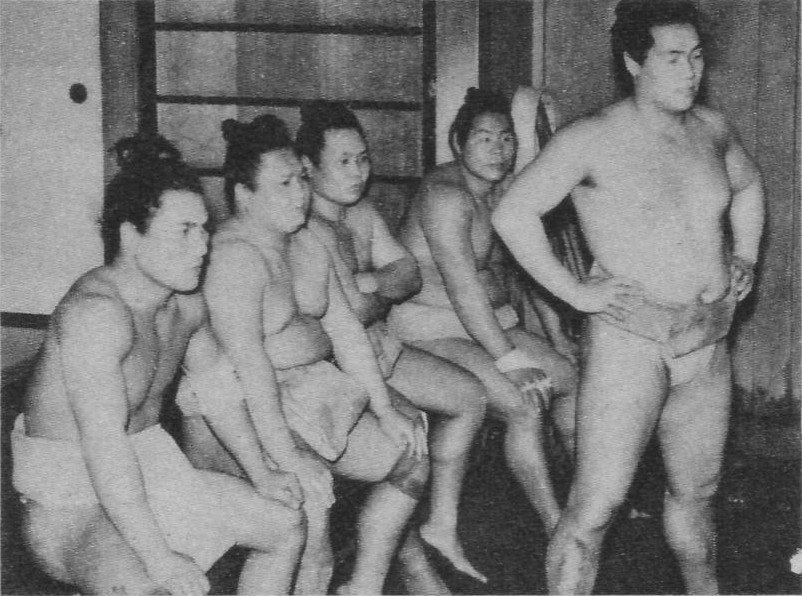
- Training: Observe wrestlers of all ranks—from novices to higher-division rikishi—engaged in warm-ups, sparring, and ritual exercises.
- Atmosphere: Intense, disciplined, and deeply respectful.
- Seating: Floor seating close to the dohyo; bringing a small cushion is advisable.
Guided Tours
- Guidance: English-speaking guides explain sumo history, rules, and etiquette.
- Duration: Practice sessions last 60–90 minutes.
- Special Events: Occasionally, the stable hosts educational programs and meet-and-greets.
Nearby Attractions in Ryogoku
- Ryogoku Kokugikan Sumo Hall: Venue for Grand Sumo Tournaments; includes the Sumo Museum (Sugoii Japan).
- Edo-Tokyo Museum: Exhibits on Tokyo’s history and culture.
- Ekō-in Temple: Historic temple with deep ties to sumo (Trek Zone).
- Chanko Nabe Restaurants: Enjoy traditional sumo cuisine, often prepared by retired wrestlers (Travel Pander).
- Sumo-Themed Shops: Souvenirs and memorabilia near Ryogoku Station.
- Other Recommendations: Kiyosumi Garden, Meiji-za Theatre, Fukagawa Edo Museum, Tokyo Anime Center, Artizon Museum.
Practical Tips for Visitors
- Arrive Early: Plan to be at the meeting point 10–15 minutes before practice begins.
- Dress Appropriately: Modest clothing, clean socks, and prepare for floor seating.
- Book in Advance: Secure your reservation through authorized tour operators.
- Follow Etiquette: Silence is essential; no eating, drinking, or phone usage during keiko.
- Children: Welcome if quiet and supervised; some tours have age guidelines.
Frequently Asked Questions (FAQ)
Q: Can I visit Dewanoumi Stable without a reservation?
A: No, advance booking is mandatory; walk-ins are not accepted.
Q: Is photography allowed?
A: Photography during practice is prohibited; some tours may allow post-practice photos with permission.
Q: Are there tickets or entrance fees?
A: No direct ticket sales or fees at the stable; tours arranged via operators may have associated costs.
Q: Is Dewanoumi Stable wheelchair accessible?
A: The surrounding district is accessible, but the stable’s traditional design may be limiting. Contact ahead for details.
Q: What’s the best way to get there?
A: Ryogoku Station (JR Sobu Line, Toei Oedo Line) is closest; follow directions from your tour operator.
Internal and External Links
Internal Links:
- Sumo Etiquette in Tokyo
- Top Sumo Stables to Visit in Tokyo
- Sumo Culture and Traditions in Japan
- Ryogoku District Attractions
- Tokyo Cultural Tours
External Links:
- Official Dewanoumi Stable Website (if available)
- Japan Sumo Association
- SakuraTrips - Ryogoku Sumo Guide
- Magical Trip Sumo Stable Tours
- Trek Zone - Dewanoumi Stable
- Tokyo Cheapo - Morning Sumo Practice Guide
- Travel Pander - Sumo Stable Visit Guide
- Sugoii Japan - Sumo in Tokyo
Summary and Recommendations
Visiting Dewanoumi Stable is an unparalleled opportunity to witness living sumo tradition—rooted in over 160 years of athletic and cultural heritage. By respecting the stable’s protocols, booking your visit in advance, and observing proper etiquette, you’ll gain a meaningful introduction to sumo and the unique spirit of Tokyo’s Ryogoku district. Enhance your experience by exploring neighboring attractions and sampling chanko nabe, ensuring your journey into sumo culture is both respectful and memorable.
Stay informed about the latest visiting hours and events by downloading the Audiala app and following official sumo and Tokyo cultural channels. Dewanoumi Stable stands ready to welcome both enthusiasts and curious travelers to the heart of Japan’s national sport (Magical Trip; SakuraTrips; Trek Zone).
Listen to the full story in the app
The whole Dewanoumi Stable,
told well.
Audio guides for 1,100+ cities across 96 countries. History, stories, and local insight — offline ready.
Verified, and shown.
Researched and written by the Audiala editorial team from historical records, architectural archives, and local expertise.
Researched from Wikidata, Wikipedia & official sources · fact-checked · How we make our guides →