Plan and listen to Azabudai Hills with Audiala.
Audio guide in your pocket, itinerary in your browser. Built for the way you actually visit.
Introduction
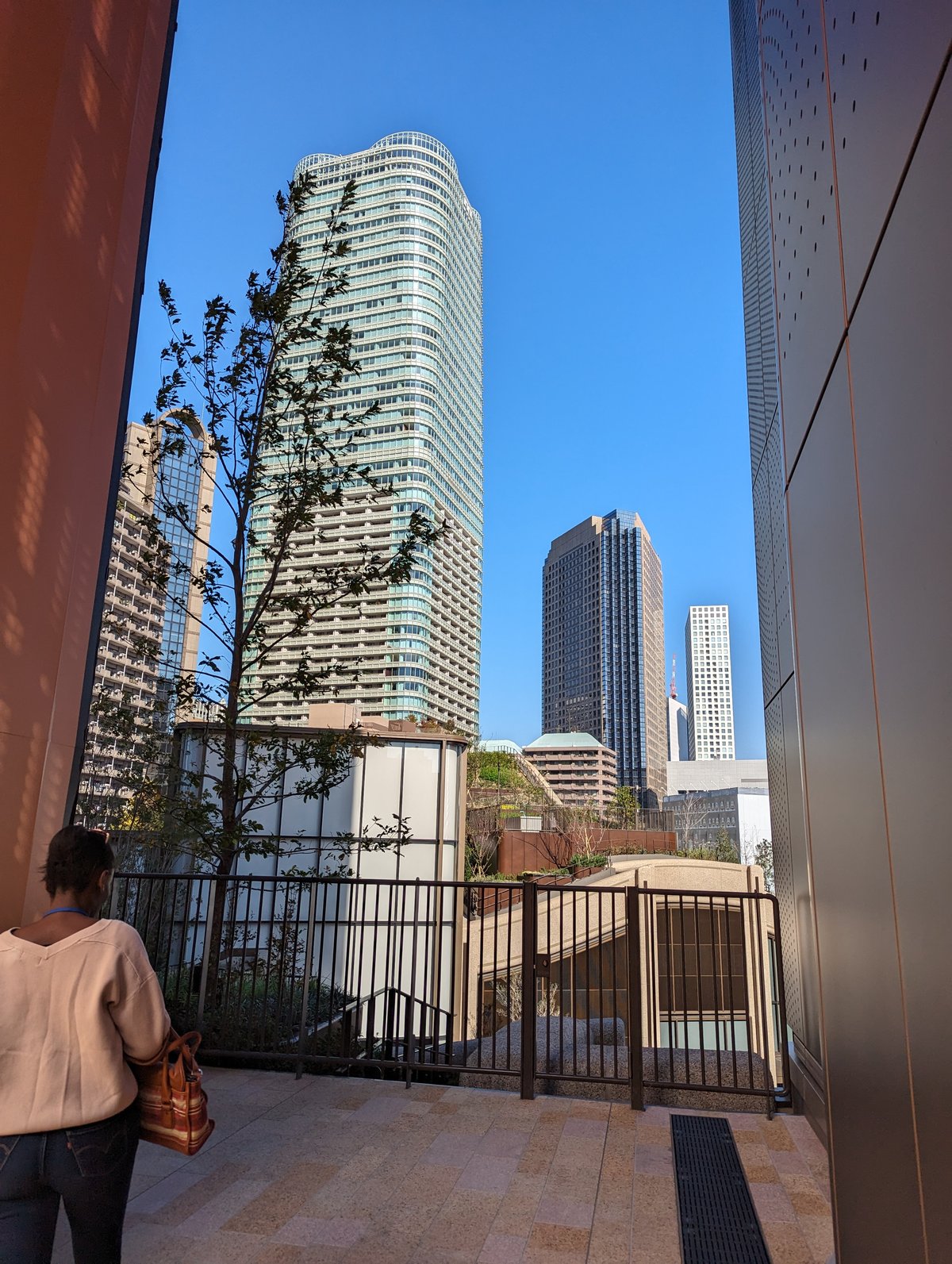
Azabudai Hills, located in Tokyo’s Minato Ward, is a pioneering example of 21st-century urban redevelopment. Seamlessly blending historical context, world-class architecture, sustainability, and vibrant cultural life, Azabudai Hills has quickly become a must-visit destination in Tokyo. From Japan’s tallest skyscraper to immersive digital art, lush green spaces, and a cosmopolitan dining and shopping scene, this guide will help you make the most of your visit, with details on history, architecture, visiting hours, ticketing, accessibility, travel tips, and nearby attractions.



Historical Background
Pre-Redevelopment Landscape
Before its transformation, the area that is now Azabudai Hills was marked by hilly, disconnected terrain and aging infrastructure. Narrow lanes and dense clusters of wooden houses resulted in an urban patchwork that lacked modern amenities and safety standards. The loss of natural waterways and underdeveloped public facilities further limited the district’s potential as a vibrant urban center (Mori Building; Tokyo Seeker).
Vision and Collaboration
Azabudai Hills’ redevelopment vision was set in motion in 1989, with Mori Building Company leading a collaborative effort involving approximately 300 local landowners and stakeholders. The initiative aimed to revitalize the neighborhood by integrating “Green & Wellness” as core principles—prioritizing people, nature, and community well-being (Mori Building; Tokyo Seeker). After three decades of planning and negotiation, construction began in 2019, culminating in the grand opening in November 2023 (Mori Building).
Urban Renewal and Infrastructure
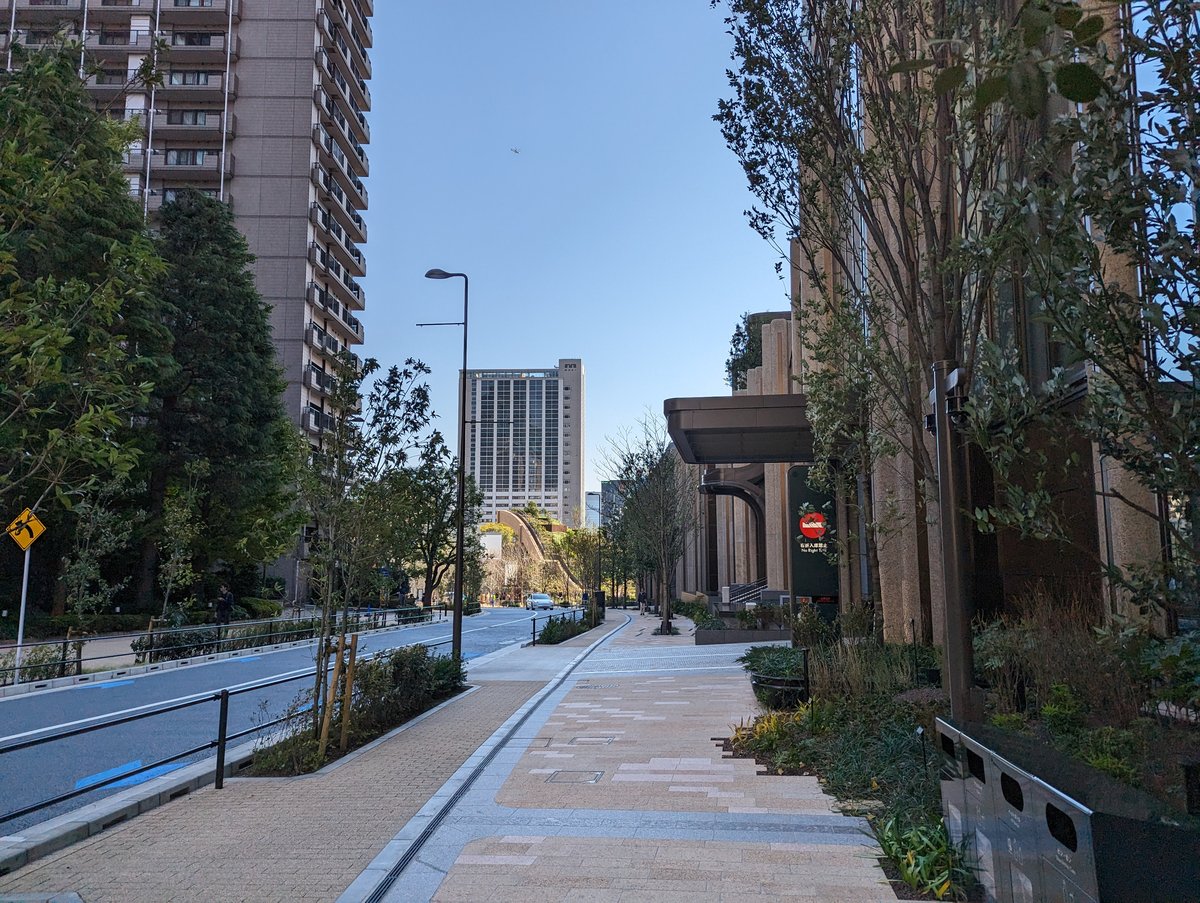
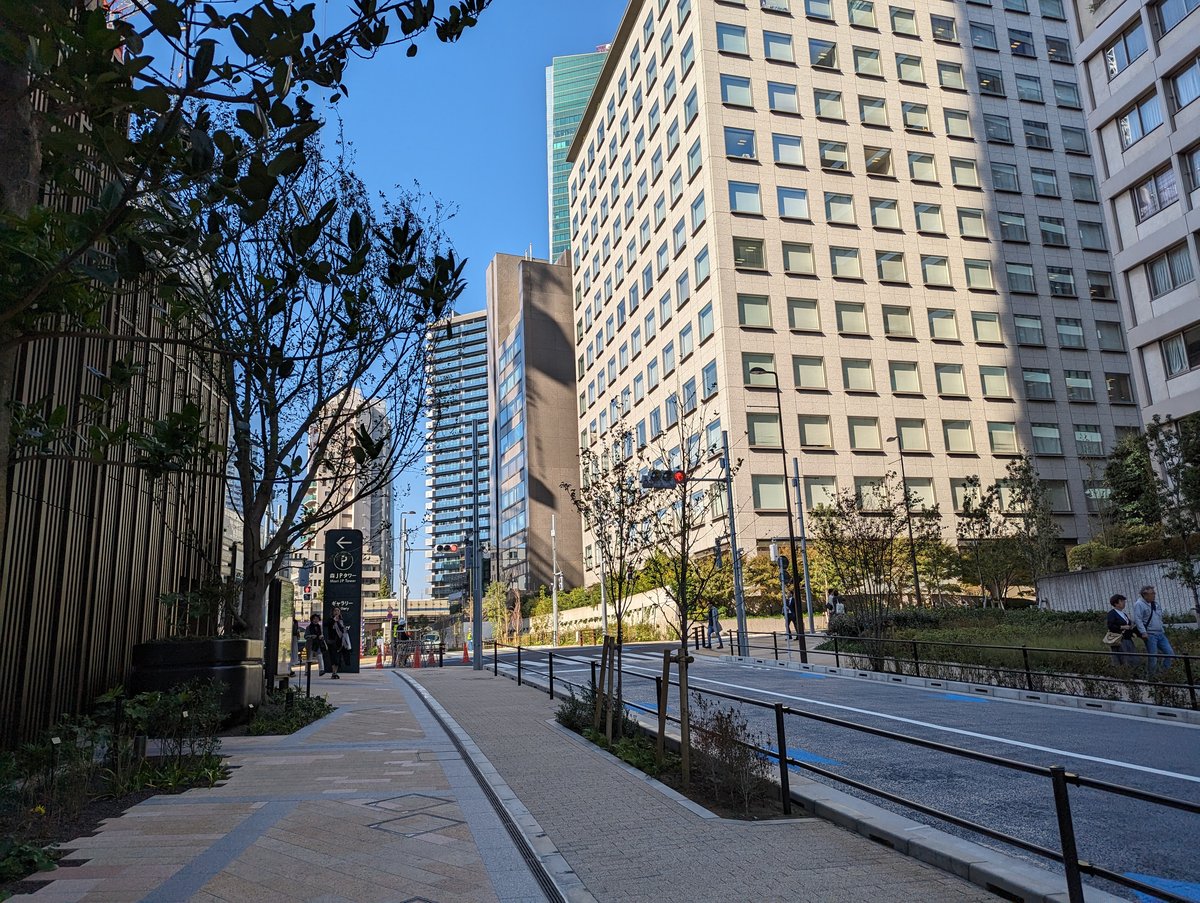
The redevelopment project’s primary objectives included upgrading infrastructure, enhancing disaster resilience, and creating an interconnected, walkable environment. Lessons from the 2011 Great East Japan Earthquake informed the integration of advanced seismic technologies and emergency preparedness, including shelters and supply warehouses (Pelli Clarke & Partners). Approximately one-third of the 8.1-hectare site is devoted to green spaces, orchards, and landscaped plazas, reviving the area’s ecological heritage and encouraging social interaction (Tokyo Seeker; Architect Magazine).
Architectural Highlights
Design Philosophy
Azabudai Hills embodies the “Modern Urban Village” concept—human-centered, sustainable, and deeply integrated with nature. The master plan, orchestrated by Mori Building, brings together internationally renowned architects:
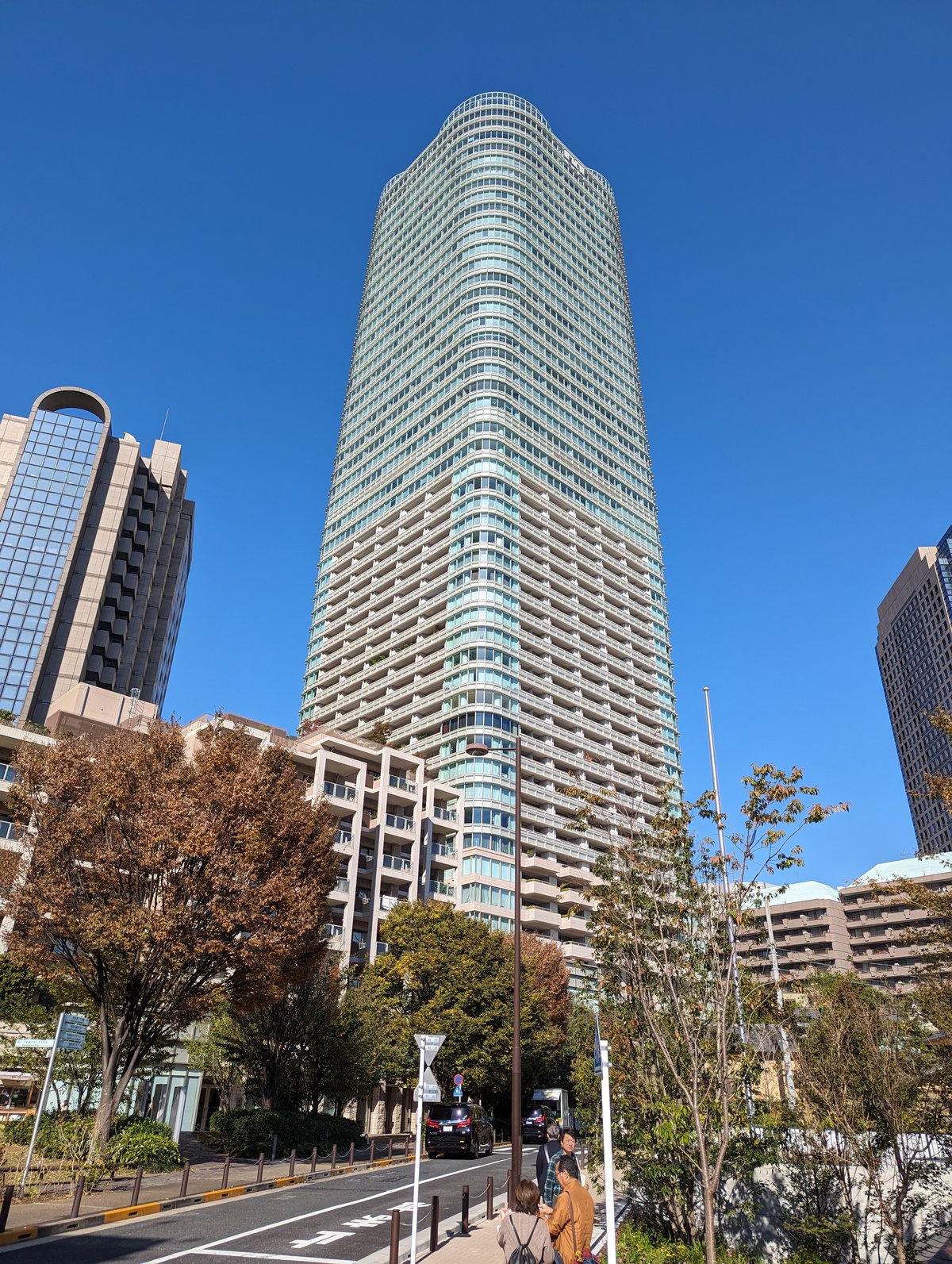
- Mori JP Tower: At 330 meters, it is Japan’s tallest skyscraper (as of 2023), designed by Pelli Clarke & Partners with a distinctive lotus-inspired crown (Wikipedia; Pelli Clarke & Partners).
- Heatherwick Studio: Responsible for the lush, undulating public realm and “the Cloud” canopy, fusing large-scale urbanism with artisanal detail (ArchDaily; GoConnect).
- SANAA & Other Firms: Additional towers and cultural spaces integrate contemporary design with Japanese heritage (Magazine Acumen).
Vertical Garden City
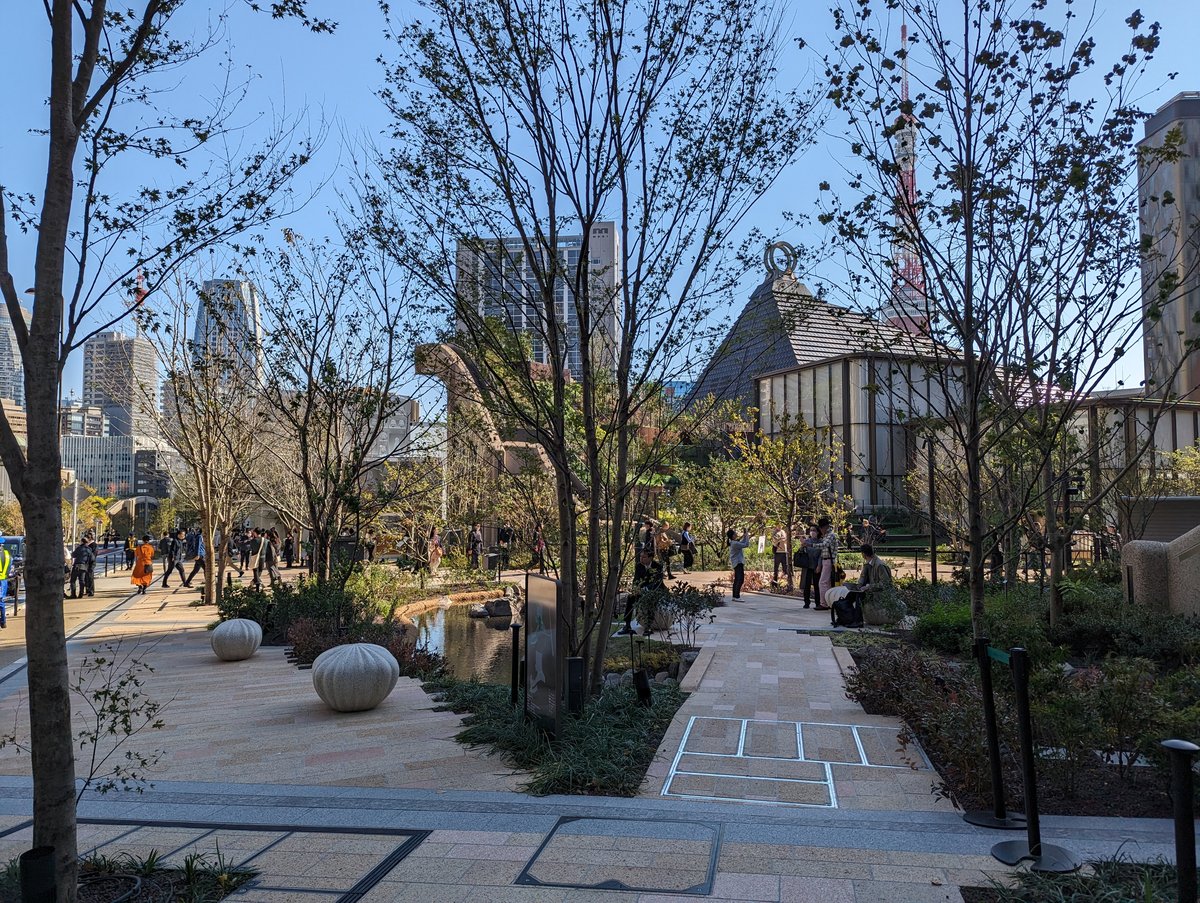
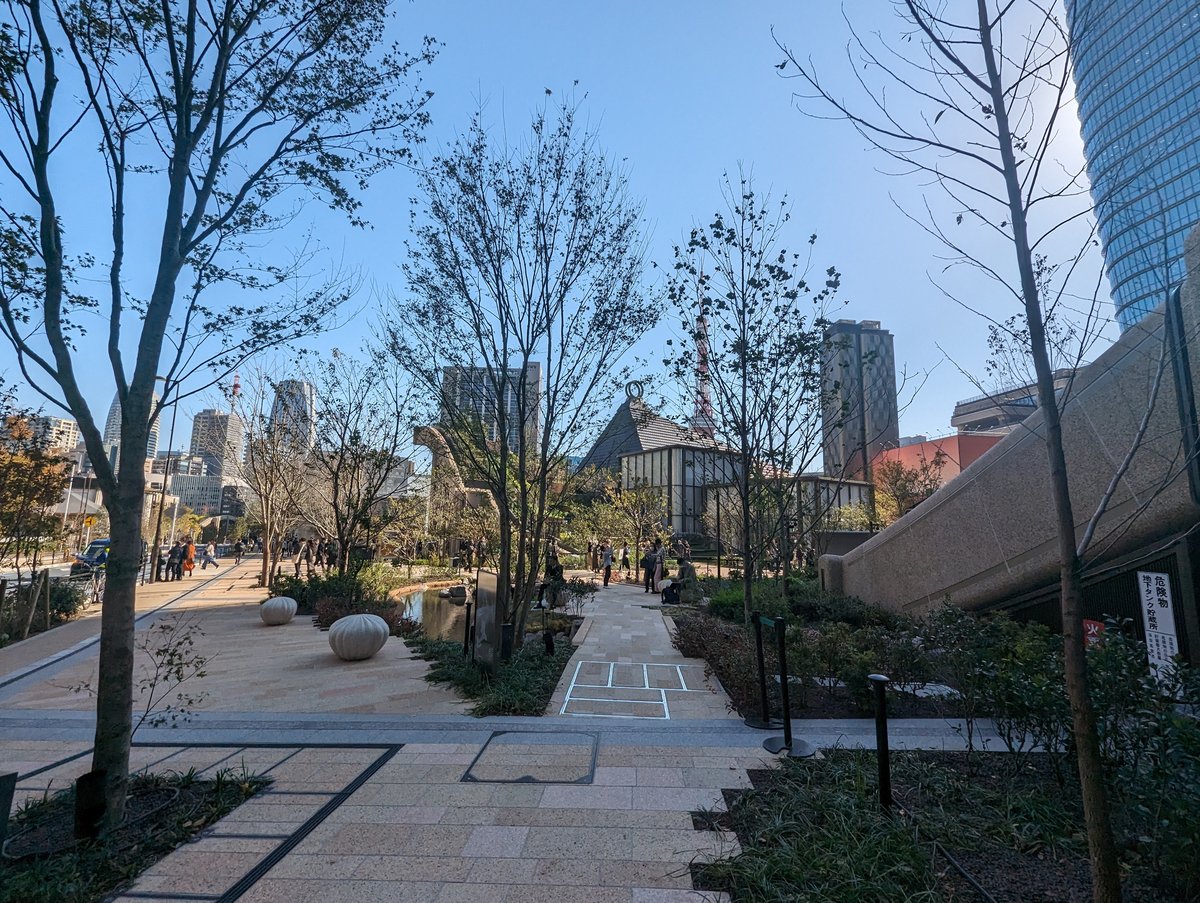
The complex features over 24,000 square meters of landscaped gardens, rooftop terraces, and ecological pathways. The “vertical garden city” concept ensures natural beauty is accessible throughout, supporting biodiversity and providing tranquil retreats within the urban core (Japan Travel; GoConnect).
Socioeconomic and Cultural Impact
Azabudai Hills is home to approximately 20,000 workers, 3,500 residents, and expects over 30 million annual visitors. It houses 1,400 residences, a hospital, international schools, art galleries, and performance spaces, forming a dynamic hub for culture, commerce, and innovation (Sika; JW Web Magazine). The project’s sustainability focus—operating on 100% renewable energy and aiming for LEED and WELL certifications—sets a new benchmark for urban development (Pelli Clarke & Partners).
Visiting Information
Hours & Admission
- General Hours: Most facilities open daily from 10:00 AM to 8:00 or 9:00 PM. Some restaurants and retail stores may have extended hours (Official Website).
- Public Spaces: Free access to parks and plazas.
- Attractions: Museums and exhibitions (e.g., teamLab Borderless, Azabudai Hills Gallery) require paid, timed-entry tickets—book online in advance, especially during weekends and holidays (sumifuku.net).
Accessibility
Azabudai Hills is fully accessible, with barrier-free walkways, elevators, ramps, accessible restrooms, and multilingual signage (glpjp.com).
Travel Tips
- Getting There: Short walks from Kamiyacho, Roppongi-itchome, and Azabu-juban stations. Allow extra time for navigation.
- Best Time: Weekday mornings or late afternoons for a quieter experience; spring and autumn for seasonal beauty.
- Photography: Mori JP Tower’s observation areas and Central Green offer the best views.
- Luggage: Coin lockers for small bags; ask staff at major attractions for larger items.
Guided Tours
Guided tours, available by reservation, offer in-depth exploration of architecture, history, and sustainability features. Tours are often offered in multiple languages.
Major Attractions
Mori JP Tower & Sky Lobby
- Observation: The 33rd-floor Sky Lobby offers panoramic city views. Access is free but may require a reservation at Dining 33 or Hills House Sky Room (tokyocheapo.com).
teamLab Borderless
- Digital Art Museum: Over 70 interactive, ever-evolving exhibits. Advance ticket purchase is essential (localsinjapan.com).
Azabudai Hills Gallery & Cultural Spaces
- Exhibitions: Rotating shows of contemporary and manga art, plus the Shueisha Manga-Art Heritage Gallery (jw-webmagazine.com).
Green Spaces
- Central Green: Tranquil lawns, cherry blossom gateways, and “the Cloud” event canopy (thursd.com).
Dining, Shopping & Wellness
- Market: The Azabudai Hills Market hosts over 30 gourmet food vendors, from fresh seafood to artisanal baked goods (jw-webmagazine.com).
- Restaurants: Michelin-starred fine dining, international cuisine, and casual cafés abound (tokyocheapo.com).
- Shopping: Over 150 flagship stores and boutiques, including Dior, Hermès, and unique Japanese retailers (tokyo-furnished.com).
- Wellness: Fitness centers, spas, and the Keio Clinic provide comprehensive wellness services (leadgrowdevelop.com).
Events & Seasonal Highlights
Azabudai Hills hosts frequent seasonal festivals, art exhibitions, and market events. Check the official website for the latest schedule.
Nearby Attractions
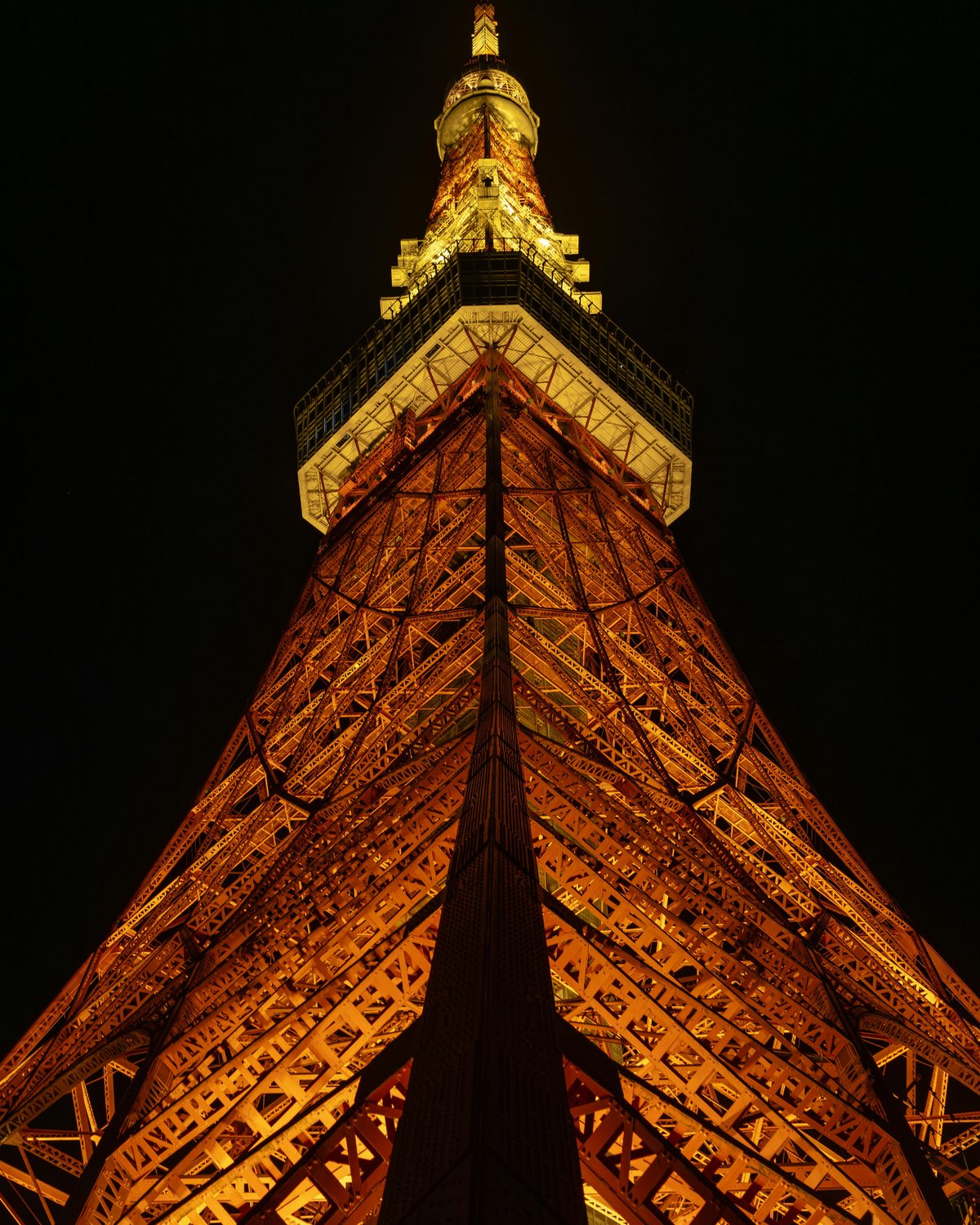
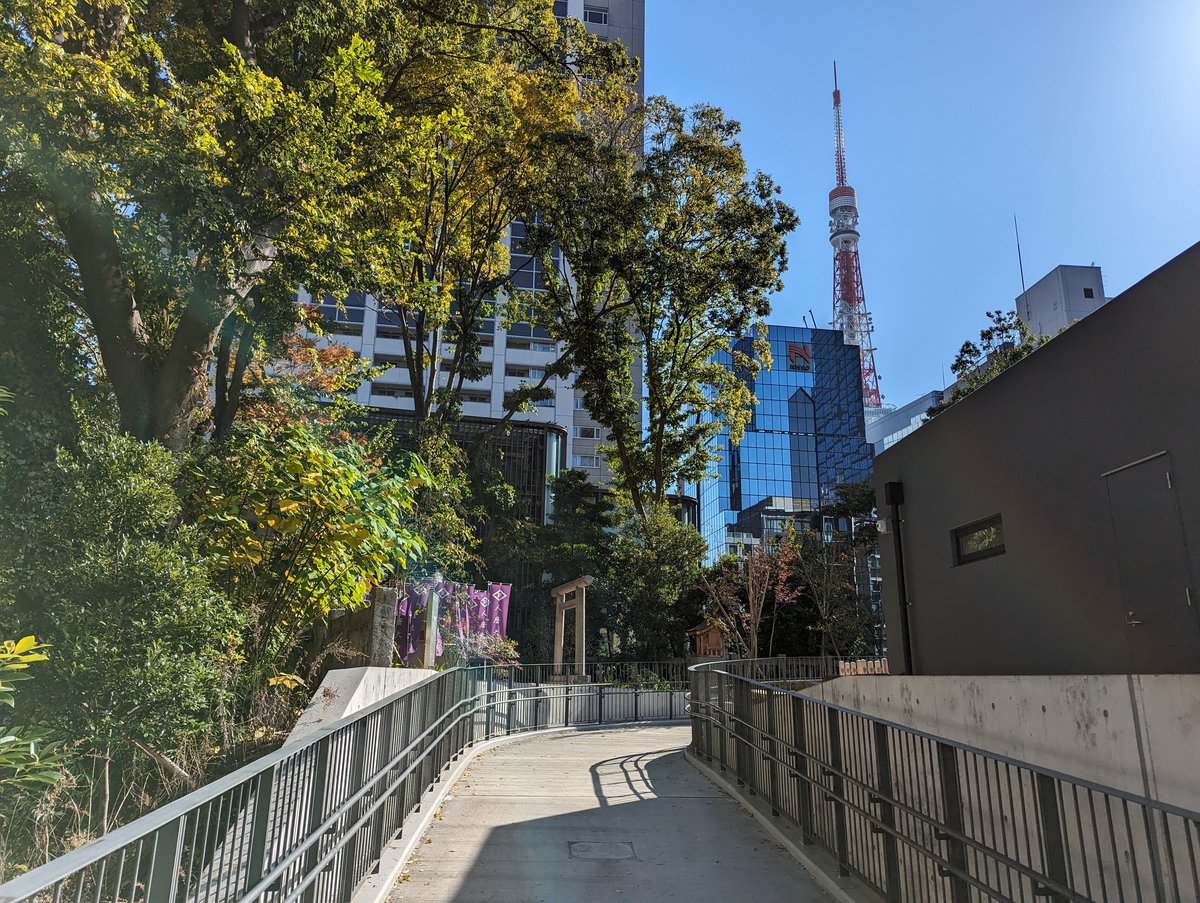
- Tokyo Tower: Iconic observation deck with panoramic city views (thetravellinghiker.com).
- Zojoji Temple: Historic Buddhist temple adjacent to Tokyo Tower.
- Shiba Park: Urban green space with sunset views.
- Roppongi Hills & National Art Center: Easily accessible for a full day of cultural exploration.
Frequently Asked Questions (FAQs)
Q: What are the general visiting hours at Azabudai Hills?
A: Most facilities are open from 10:00 AM to 8:00 or 9:00 PM. Individual attraction hours may vary.
Q: How do I purchase tickets for teamLab Borderless?
A: Tickets must be booked online in advance due to high demand. Walk-ins are rarely available.
Q: Is Azabudai Hills accessible for visitors with disabilities?
A: Yes, the site is fully accessible with barrier-free design.
Q: Are guided tours available?
A: Yes, guided tours can be reserved for deeper insights into the architecture and culture.
Q: Are pets allowed?
A: Pets are welcome in outdoor areas but not inside shops or museums.
Discover More
Azabudai Hills represents the future of urban Tokyo, integrating history, sustainability, and vibrant cultural experiences. From the towering Mori JP Tower and teamLab Borderless to serene gardens and world-class dining, it offers something for every visitor. Plan your trip by securing tickets for key attractions in advance, check the latest event information, and make use of the accessible design and amenities.
For up-to-date details, download the Audiala app, explore our related articles, and follow us on social media for the latest news and special offers.
Start your Tokyo adventure at Azabudai Hills today!
Listen to the full story in the app
The whole Azabudai Hills,
told well.
Audio guides for 1,100+ cities across 96 countries. History, stories, and local insight — offline ready.
Verified, and shown.
Researched and written by the Audiala editorial team from historical records, architectural archives, and local expertise.
Researched from Wikidata, Wikipedia & official sources · fact-checked · How we make our guides →