
You probably don't need a guidebook chapter. You need a route that works today.
That is why most people searching for an audio guide in Tokyo are not looking for general inspiration. They want to know where to start, how long it takes, what it costs, and whether the thing still works when the station gets crowded, the weather turns, or the family decides it needs a snack break in twenty minutes.
Tokyo rewards self-paced audio better than many cities, but only if the route is honest. A two-hour loop around Ueno Park, Shinobazu Pond, Kiyomizu Kannon-do, and Benten-do makes sense because the stops sit close enough together to hold a story. A page promising Ueno, Asakusa, Meiji Jingu, Shibuya, Tokyo Tower, and Odaiba in one seamless audio walk is selling fantasy.
The useful stuff is concrete. One Ueno example on the market is a 6 km loop that runs about 2 hours 15 minutes and starts near Ueno Park in Taito. That same example also matters for another reason: it shows the features people care about when they are ready to pay. Offline use. Clear meeting point. Language options. Group limit. Cancellation cut-off. Not romance. Not vague talk about atmosphere.
Price also needs plain language. Market examples run from free map-led wandering to paid audio products advertised from $2 on large booking platforms, about ¥1,064 per group for one short Ueno loop, and around ¥5,500 per adult for some city-walking listings. Private or premium-style options can sit higher, even when the snippet looks cheap at first glance, because entry fees, transport, and upgrade layers are often separate.
So where does that leave you? Usually with three smart choices.
First, a short first-time loop in Ueno or Asakusa if you want Tokyo without decision fatigue. Second, a half-day route starting at Tokyo Station and moving through Marunouchi toward the Imperial Palace if you want cleaner pacing and better architecture than the usual social-media chase. Third, a family or senior-friendly plan with shorter legs, more benches, and easy station exits.
And yes, competitors do some parts better. Google Maps is better for live transport and rerouting. ChatGPT is better before the trip, when you're sketching a day. GetYourGuide, Viator, and Klook are better at broad booking inventory. But none of those automatically give you a route that feels edited for how people move through Tokyo on foot.
That's the real test.
A good Tokyo audio guide does four things well: it starts from a station you can find without stress, it gives you a believable duration, it survives pauses, and it tells you what kind of day it fits. First trip. Weekend. Budget. Couple. Kids. Senior. Solo. If the page cannot answer those in under a minute, keep scrolling.
Tokyo is huge. Your walking window is not.
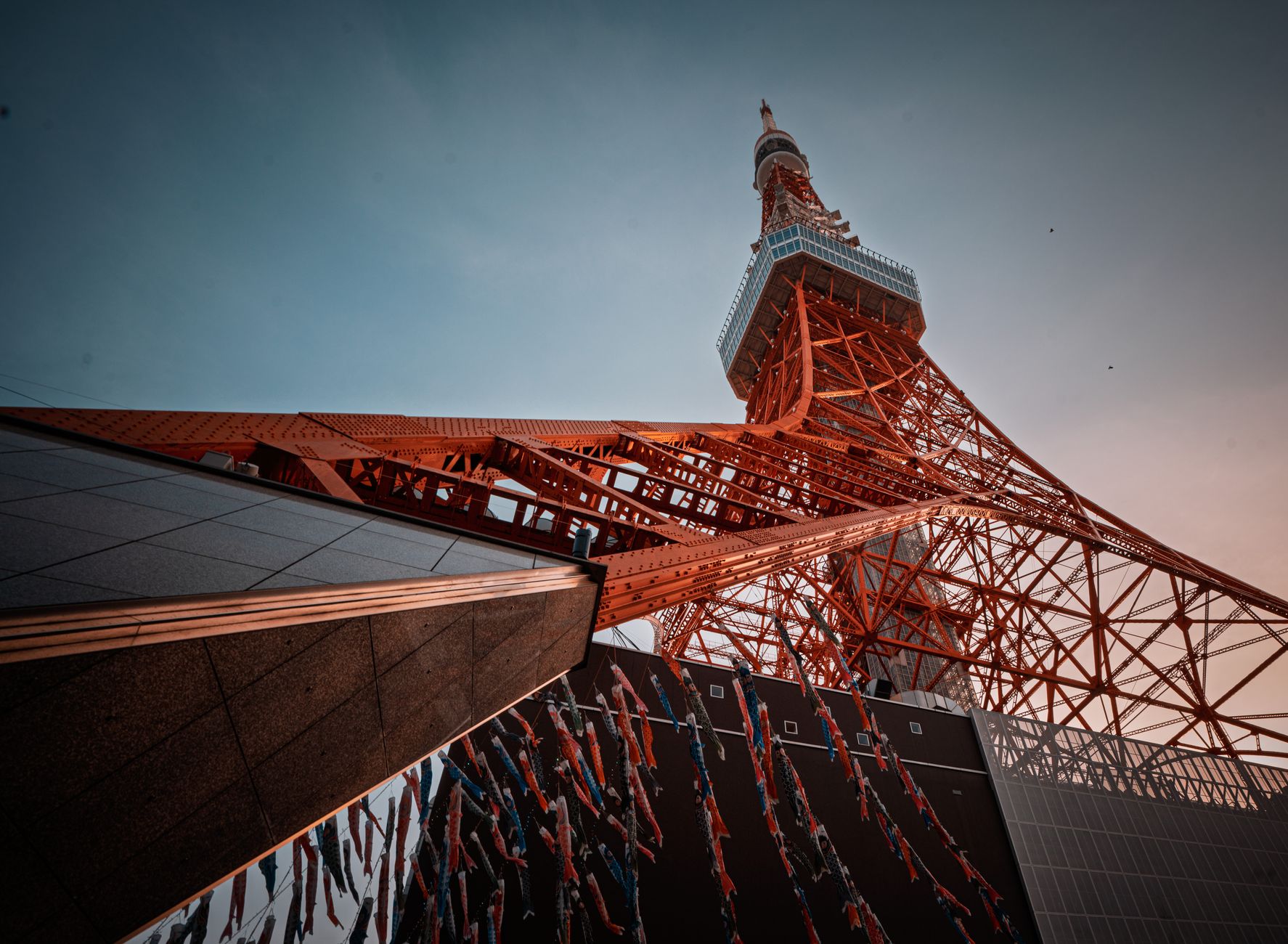
How much does an audio tour of Tokyo actually cost?
The short answer: less than a group walking tour, but the gap only matters if you check what is included.
Market examples for Tokyo run from free self-guided map use to paid listings from $2 on Viator, about ¥1,064 per group for a short Ueno audio loop, and around ¥5,500 per adult for some city-walking products. Those numbers are useful as range markers, not promises. Tokyo pricing shifts by supplier, language package, and whether you are paying for a downloadable route, a booking platform wrapper, or a private-format experience with audio as one part of the offer.
Budget travelers usually get the best value from a short loop with a strong stop density. Ueno is the obvious case: park, pond, temples, museum perimeter views, and older neighborhood edges in one walk. You are paying for structure more than transport. That matters because Tokyo can burn time fast if your route makes you bounce between districts.
Premium pricing only makes sense when the pace changes with it. A luxury audio tour Tokyo setup should give you quieter sequencing, fewer pointless transfers, better narration, and stops that suit lingering: Marunouchi, Tokyo Station façade, the Imperial Palace approach, maybe Roppongi at the end. If it costs more but still rushes you through the same crowded lanes everyone else uses, it is not premium. It is just expensive.
Watch the hidden costs. Museum entry may be separate. Train fares nearly always are. Some platforms advertise low headline prices and leave the rest to the checkout flow. And cancellation can get strict. One Ueno product uses a 24-hour cut-off with no changes in the final day, which is not unusual for marketplace inventory.
So if you are comparing a budget audio guide in Tokyo against a live group tour, ask one question first: how many useful minutes am I buying? That will tell you more than the sticker price.

Which route makes the most sense on a first visit?
For most first-time visitors, the smartest audio route is not the one with the longest landmark list. It is the one you can finish without losing the thread.
Start with the Ueno-Asakusa side of the city if your time is tight. Ueno Park gives you a practical opening: broad paths, easy station access, museums around the edges, and enough variety to make the narration feel anchored rather than random. A route through Shinobazu Pond, Kiyomizu Kannon-do, Benten-do, and the old-neighborhood spill toward Yanaka gives you a version of Tokyo that still feels layered when you only have one morning.
That works especially well for an audio guide Tokyo first time search because it removes timetable anxiety. You can pause for coffee, step into a museum if the line is short, or cut the extension if the weather turns bad. One market example already proves the format with a 2h15, 6 km loop in Ueno. That is a believable duration. Believable matters.
If you have half a day and want a cleaner first impression, start at Tokyo Station instead. Marunouchi Central Square, the historic station façade, and the walk toward the Imperial Palace area make more sense than trying to cram in Shibuya and Asakusa on the same audio script. The streets are easier to read, the architecture gives the narration something solid to work with, and you can end with lunch in Ginza or a late move toward Roppongi.
What should you avoid? Grand-tour claims. Tokyo is not a city you “do” in one audio ribbon. District changes cost time. Station changes cost focus. For a first visit, one strong cluster beats six disconnected highlights every time.
If you only have 90 minutes, keep it even simpler: Ueno Park plus Shinobazu Pond, or Tokyo Station plus Marunouchi and the Imperial Palace edge. Finish wanting more. That is a better day than spending three hours recovering from bad route design.
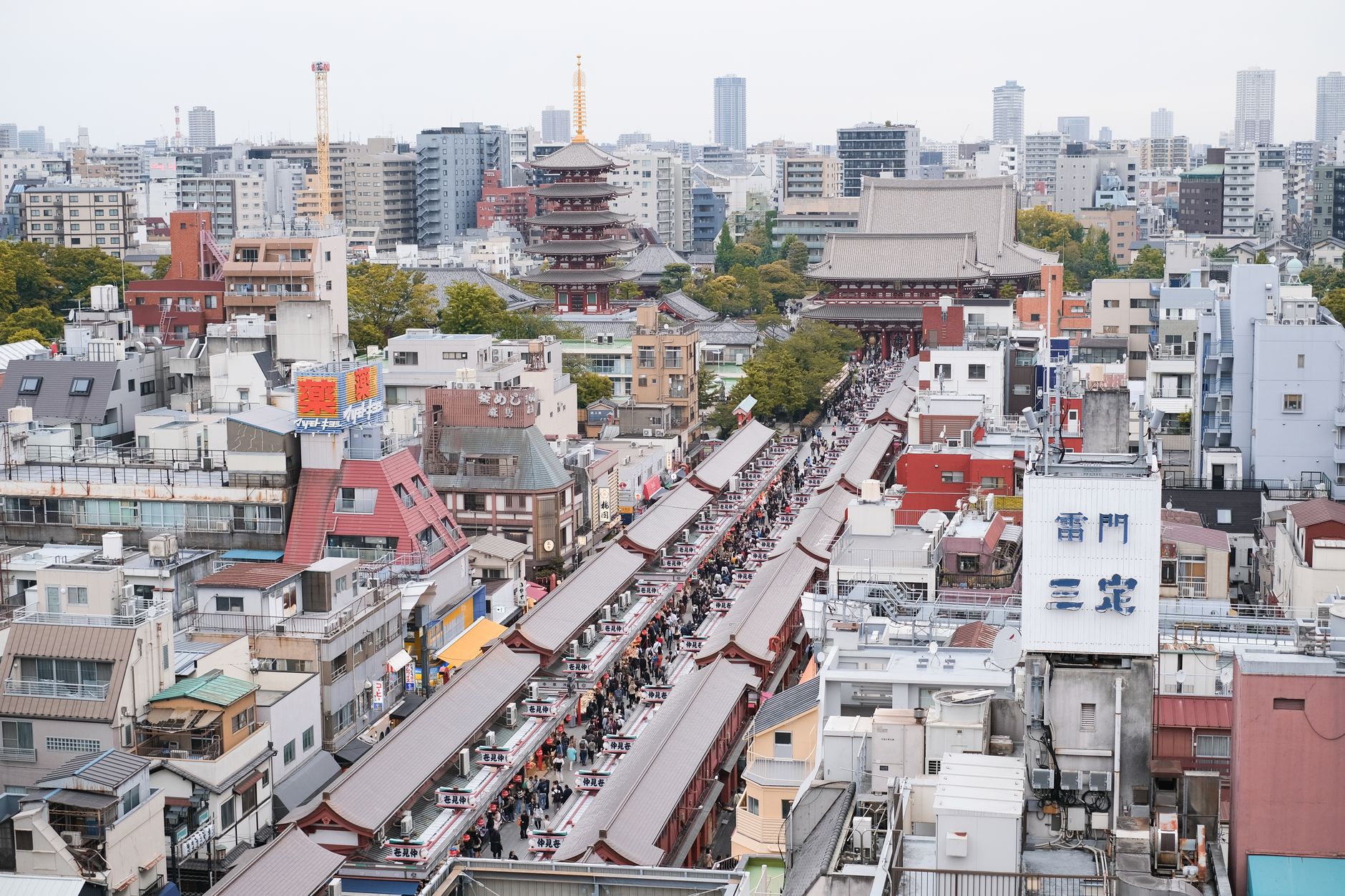
Is GPS-triggered audio worth it in Tokyo, or should you just use a map?
GPS-triggered audio is worth paying for in Tokyo when the route is compact and the stop order is doing real work. Otherwise, a map and your own curiosity can get you most of the way.
Tokyo is dense, vertical, and full of exits that are technically correct but emotionally useless. A map gets you there. It does not always tell you why this side street matters, why a station square looks the way it does, or why the walk should flow in one direction instead of the other. Good audio fixes that. It turns a list of pins into a sequence.
But the technology is not magic. Crowd spikes at Senso-ji, Ueno, and Tokyo Tower can throw off pacing. Weather slows everyone down. And station geometry in Tokyo can make “you have arrived” feel optimistic when you are still one escalator and two crossings away from the actual point. That is why pause-and-resume matters more than flashy automation.
Offline support matters too. One major Ueno audio example explicitly works without data use, which is not a small detail if you are landing in Tokyo, relying on weak roaming, or trying to avoid battery drain. Download before you leave the hotel. Bring wired or reliable Bluetooth headphones. Carry a battery pack. This is boring advice. It saves trips.
Use a plain map if you mainly want transport efficiency and restaurant reviews. Google Maps will beat almost any audio app on live rerouting. Use an audio guide when you want a district to hold together as a story while you walk it. In Tokyo, that distinction is everything.
The best setup is often both: Google Maps for trains and exits, audio for the stretch between them.
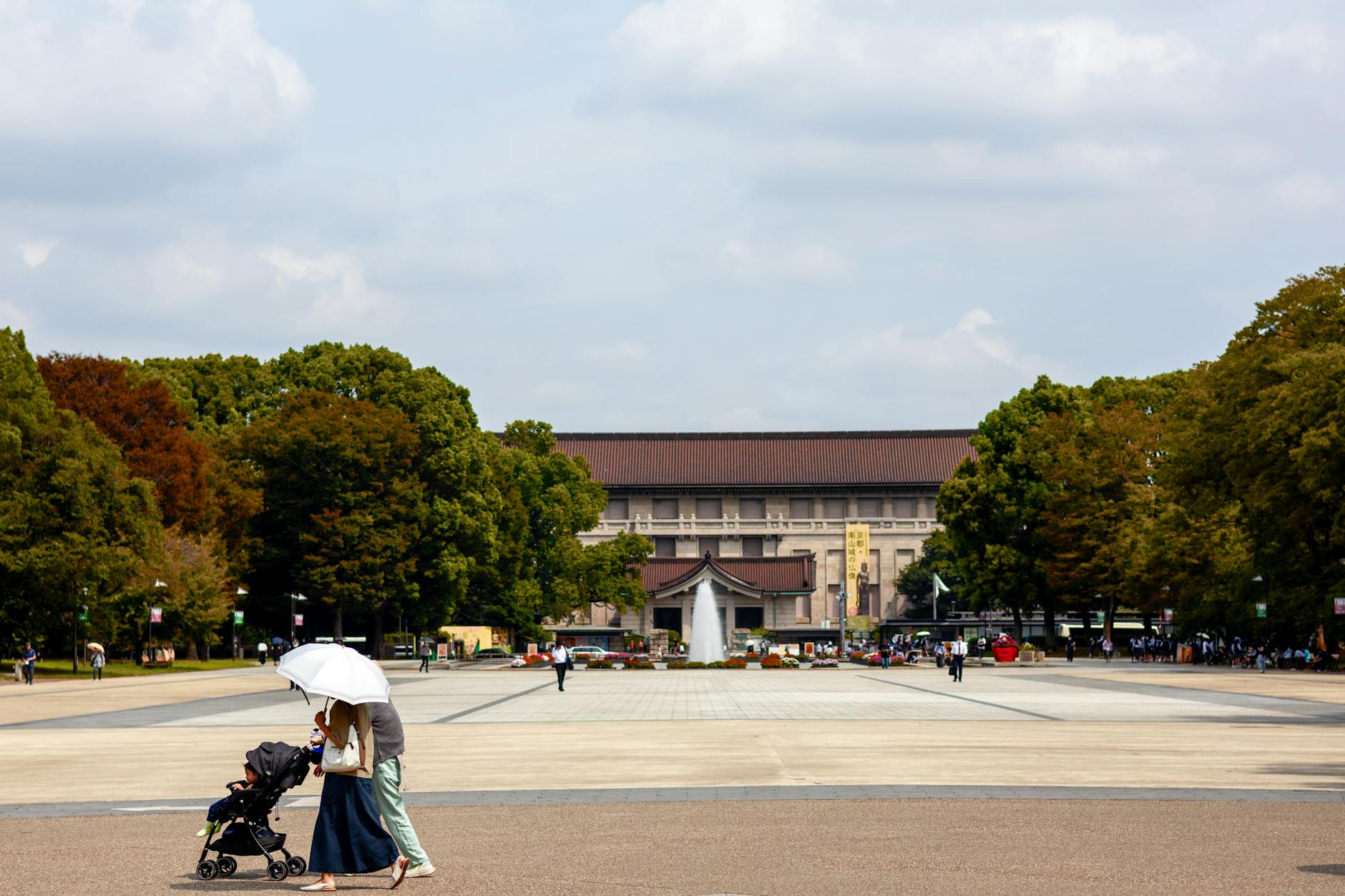
What works for couples, kids, seniors, and solo travelers?
Different profiles need different Tokyo routes. That should be obvious, yet many audio pages still pretend one script fits everyone.
For couples, quieter districts usually beat louder ones. An audio tour Tokyo for couples works best when the route leaves room for pace changes and detours that feel deliberate rather than chaotic. Marunouchi into the Imperial Palace area is strong for that reason. The station frontage, business-district geometry, and garden approaches give you cleaner lines and better conversation gaps than the shoulder-to-shoulder churn around major shopping strips. Add Ginza for a tea stop or move to Roppongi later if you want an evening finish.
Kids need shorter legs. Full stop. An audio walking tour Tokyo with kids should keep each segment manageable, give you obvious toilet and snack points, and avoid too many transfers. Ueno is good because the park absorbs stops well, and Asakusa can work if you go early and accept that Nakamise-dori will slow you down. Family pacing is not about seeing less. It is about avoiding one bad hour that ruins the next three.
Seniors need route notes that respect energy, stairs, and seating. Audio walking tour Tokyo for seniors means fewer abrupt climbs, fewer station puzzles, and more places to sit without losing the story. Train-to-park design works well here: arrive at Ueno Station, walk a contained loop, pause at benches, then decide whether to extend. Some marketplace listings also flag accessibility limits directly. One Ueno example is not wheelchair compatible but allows service animals. That kind of detail should be visible before purchase, not buried afterward.
Solo travelers usually care about clarity and rejoin points. A loop route with obvious station anchors feels safer and easier to manage than a long one-way drift. For Tokyo solo walking, good wayfinding is not a luxury. It is what keeps the day pleasant.
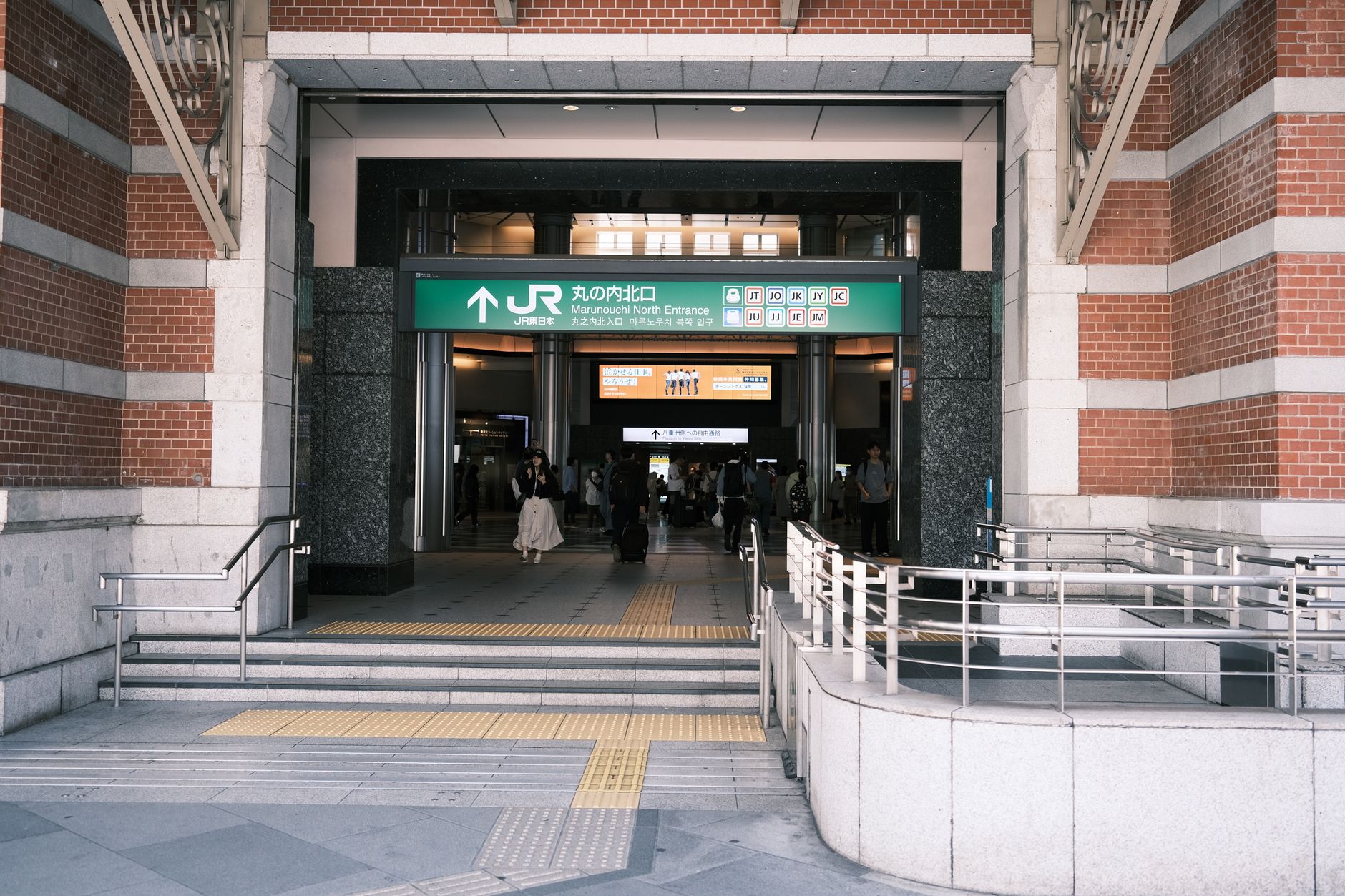
When does an app beat a museum audio guide, and when does it not?
Use an app for city logic. Use the museum's own audio when the object in front of you is the point.
That distinction matters in Tokyo because the city gives you both kinds of experience in the same day. Walking from Tokyo Station through Marunouchi to the Imperial Palace edge is a route problem. You need transitions, orientation, timing, and context for streets and buildings. A city audio guide can do that well. Inside a major museum, the problem changes. Now you need object-level explanation, gallery numbering, and curation that matches what is on the wall or in the case right now.
So do not expect one product to dominate every part of the day. It will not. A phone-based audio route is better for Ueno, Asakusa, Tsukiji exteriors, or a Tokyo Station architecture walk because the city itself is the exhibit. Once you enter a museum, an internal guide often wins because it is tied to the collection and current layout.
The same goes for transport-heavy sightseeing. A first-time visitor might be tempted by open-top bus products with multi-language audio, especially for a short weekend. Fair enough. They work when your priority is coverage and low effort. They do not replace walking-scale narration in neighborhoods where detail lives at street level.
This is where honest travel planning helps. Use the app to move through Tokyo as a city. Swap to venue audio when you step into a venue built for close attention. Do both in one day if it suits the schedule.
No one gets extra points for loyalty to one format.