Plan and listen to Akasaka Estate with Audiala.
Audio guide in your pocket, itinerary in your browser. Built for the way you actually visit.
Introduction
Akasaka Palace, also known as the State Guest House or Geihinkan, is a landmark of Japan’s imperial heritage and diplomatic prestige, nestled in Tokyo’s Minato Ward. Originally constructed between 1899 and 1909 as the Crown Prince’s residence, the palace is a masterpiece of neo-Baroque architecture that fuses Western grandeur with Japanese craftsmanship. The Akasaka Estate itself has roots stretching back to the Edo period, evolving from samurai holdings to a central venue for imperial and state events. Today, while the estate functions as a private imperial residence, the palace periodically opens its doors to the public, offering guided tours of its ornate halls and tranquil gardens. This in-depth guide covers Akasaka Palace visiting hours, tickets, tour highlights, travel tips, and key historical and architectural insights—equipping you to make the most of your visit to one of Tokyo’s most significant historical sites (Japan Experience; Geihinkan Official Site; Lonely Planet).

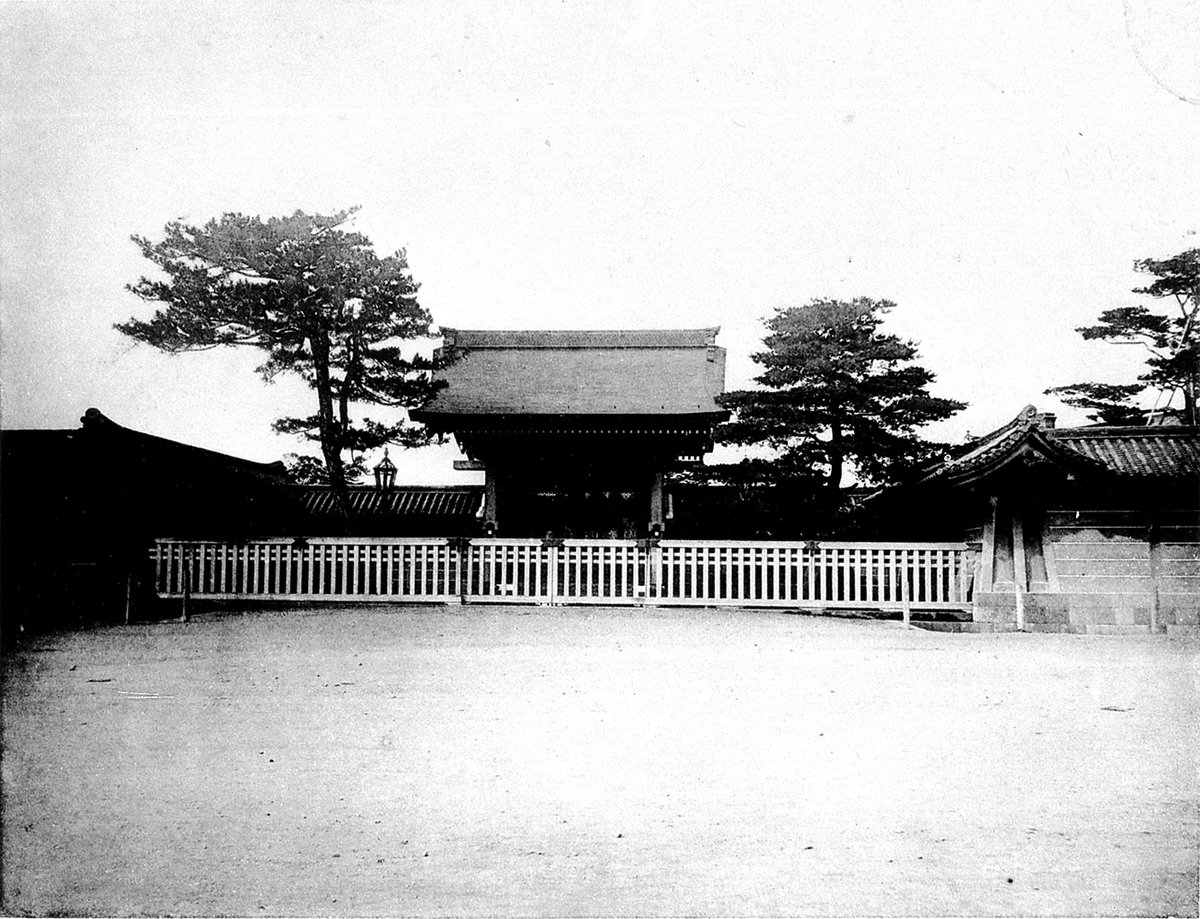
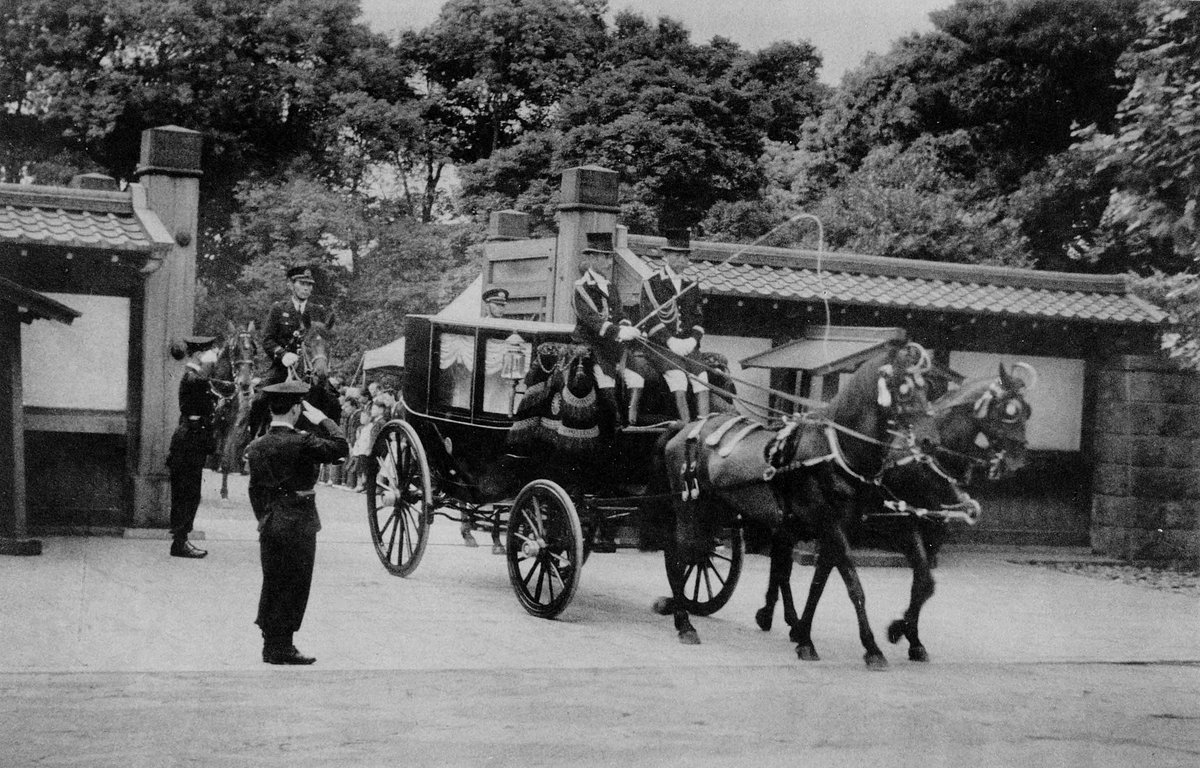
From Samurai Holdings to Imperial Estate
The Akasaka area’s significance dates back to the Edo period (1603–1868), when it became home to samurai estates guarding the western approaches to Edo Castle. The Kii branch of the Tokugawa clan established a vast residence here in 1632, setting the stage for Akasaka’s rise as a district of power and influence (WAttention; Wikipedia). The area’s prosperity was further enhanced by the development of moats and ponds, supporting a lively community of merchants and craftsmen.
Meiji Restoration and Imperial Transition
Following the Meiji Restoration in 1868 and the abolition of the samurai class, Akasaka’s estates transitioned to imperial hands. In 1873, after a fire destroyed the Emperor’s residence in Edo Castle, the head of the Kii Tokugawa clan offered his Akasaka estate to the Emperor, who resided there for 15 years. This established the estate as a core site for imperial life, later housing numerous royal family members and serving as an anchor of political power (Wikipedia).
Construction of Akasaka Palace (Geihinkan)
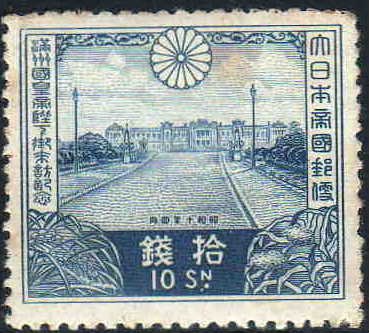
Between 1899 and 1909, the Akasaka Palace was constructed to serve as the Crown Prince’s residence. Designed by Katayama Tōkuma, a leading architect of the era, the palace mirrored European palaces such as Versailles and the Hofburg, while integrating Japanese materials and techniques (Japan Experience). After World War II, the palace was repurposed for government use and, following extensive renovations, re-opened in 1974 as the official State Guest House.
Designation as a National Treasure & Diplomatic Role
In 2009, Akasaka Palace became the first post-Meiji building designated a National Treasure of Japan (Japan Experience). Today, it functions as Japan's premier venue for hosting international dignitaries, summits, and ceremonies, embodying both national pride and global engagement (Kanpai Japan).
Estate Layout and Residences
The Akasaka Estate encompasses several imperial residences within a lush, park-like setting in Moto-Akasaka. While the estate itself is not open to the public due to its ongoing function as an imperial residence, its centerpiece—the State Guest House—offers guided access during designated periods. The estate also features the Akasaka Imperial Gardens, where traditional garden parties are held (Wikipedia).
Visitor Information: Akasaka Palace Visiting Hours, Tickets, and Tours
Visiting Hours
- General Opening: Typically open to the public during select periods (such as spring and autumn), generally from 10:00 AM to 4:00 PM (last admission at 3:30 PM).
- Closures: Closed on Wednesdays and during official state functions or maintenance. Always consult the official calendar before planning your visit.
Tickets and Reservations
- Main Building and Garden: 1,500 yen for adults.
- Japanese Style Annex, Main Building, and Garden: 2,000 yen for adults.
- Garden Only: 300 yen.
- Audio Guides: Available for 200 yen in multiple languages.
- Reservation Process:
- Online Booking: Strongly recommended, especially for the Japanese-style annex (Yushin-Tei) tours, which require advance reservation.
- Same-Day Tickets: Limited availability at the front gate from 8:00 AM, but queues can be long during peak seasons (Lonely Planet).
- Tours: Guided tours are available for the main building and Japanese-style annex; the final daily annex tour (3:00 PM) is conducted in English.
Accessibility
- Mobility: The palace and gardens are wheelchair accessible, with ramps and elevators.
- Assistance: Visitors with disabilities should notify staff in advance for support.
Visitor Experience and Highlights
- Main Building: Neo-Baroque architecture, grand marble staircase, chandelier-lit ballrooms, and lavish reception rooms.
- Japanese Style Annex (Yushin-Tei): Tatami rooms, shoji screens, and a serene garden for tea ceremonies.
- Gardens: Formal lawns, ornamental fountains, and a traditional Japanese landscape with seasonal flora (Geihinkan Official Site).
Photography
- Permitted: Exterior and gardens.
- Prohibited: Inside the main building and annex.
Travel Tips and Nearby Attractions
How to Get There
- Nearest Stations: Akasaka-Mitsuke (Tokyo Metro Ginza & Marunouchi Lines), Yotsuya (JR & Tokyo Metro), and Akasaka (Chiyoda Line).
- Access: All stations are within a 10-minute walk (Japan Travel).
Best Times to Visit
- Seasons: Spring (cherry blossoms) and autumn (foliage) for the most scenic gardens.
- Crowds: Weekdays are less crowded than weekends and public holidays.
Nearby Attractions
- Hie Shrine: A major Shinto shrine and festival site (Japan Travel).
- Hotel New Ōtani Japanese Garden: A 400-year-old garden open to the public (Lonely Planet).
- Meiji Jingu Stadium and Chichibunomiya Rugby Stadium: For sports fans.
- Akasaka Sacas: Shopping, dining, and entertainment complex.
- National Diet Building: Japan’s parliamentary center.
Akasaka’s Cultural and Social Evolution
Akasaka has long been at the heart of Tokyo’s political, business, and cultural life. From its samurai beginnings to its role as a modern government and embassy district, the area blends luxury hotels, fine dining, and historic shrines. Despite rapid modernization, Akasaka retains traditional elements, found in its cobbled backstreets, izakayas, and tranquil gardens (Go Tokyo; WAttention; Japan Experience).
Frequently Asked Questions (FAQ)
Q: Can I visit the Akasaka Estate?
A: The estate itself is not open to the public due to its status as an imperial residence.
Q: How do I get tickets for Akasaka Palace?
A: Reserve online via the official website, or purchase same-day tickets at the gate (subject to availability).
Q: What are the Akasaka Palace visiting hours?
A: Typically 10:00 AM–4:00 PM (last entry 3:30 PM); closed Wednesdays and during official events.
Q: Is the palace wheelchair accessible?
A: Yes, the palace and gardens are accessible.
Q: Are English tours available?
A: The final daily annex tour at 3:00 PM is in English.
Q: When is the best time to visit?
A: Spring (cherry blossoms) and autumn (foliage) are ideal.
Practical Visitor Information
- Address: 2-1-1 Moto-Akasaka, Minato-ku, Tokyo, Japan
- Admission Fees: ¥2,000 (main palace + Yushin-Tei tour)
- Opening Hours: Vary; always check the official schedule
- Nearby Sites: Hie Shrine, Hotel New Ōtani Garden, National Diet Building, Akasaka Sacas
Summary & Recommendations
A visit to Akasaka Palace offers a rare opportunity to experience imperial grandeur, architectural excellence, and the intersection of tradition and modernity in Japanese society. While public access to the broader Akasaka Estate is restricted, the State Guest House's guided tours provide an intimate look at its grand halls and picturesque gardens. Planning ahead—by checking visiting hours, securing tickets, and exploring nearby historical sites—will ensure a rewarding and memorable visit. The surrounding Akasaka district further enriches your experience with its blend of political landmarks, shrines, and vibrant culinary and shopping scenes (Japan Experience; Geihinkan Official Site; Lonely Planet).
Discover More
For the latest updates, ticket bookings, and exclusive content, download the Audiala app and follow us on social media. Explore more guides to Tokyo’s historical sites and make Akasaka Palace a highlight of your journey through Japan’s capital.
Listen to the full story in the app
The whole Akasaka Estate,
told well.
Audio guides for 1,100+ cities across 96 countries. History, stories, and local insight — offline ready.
Verified, and shown.
Researched and written by the Audiala editorial team from historical records, architectural archives, and local expertise.
Researched from Wikidata, Wikipedia & official sources · fact-checked · How we make our guides →