Plan and listen to Akamon with Audiala.
Audio guide in your pocket, itinerary in your browser. Built for the way you actually visit.
Introduction
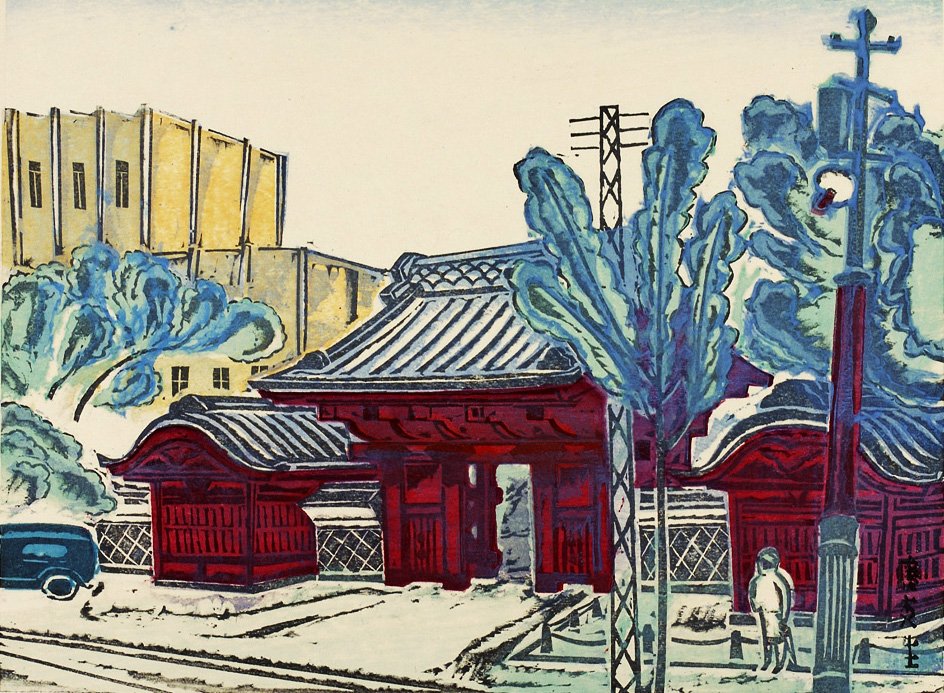
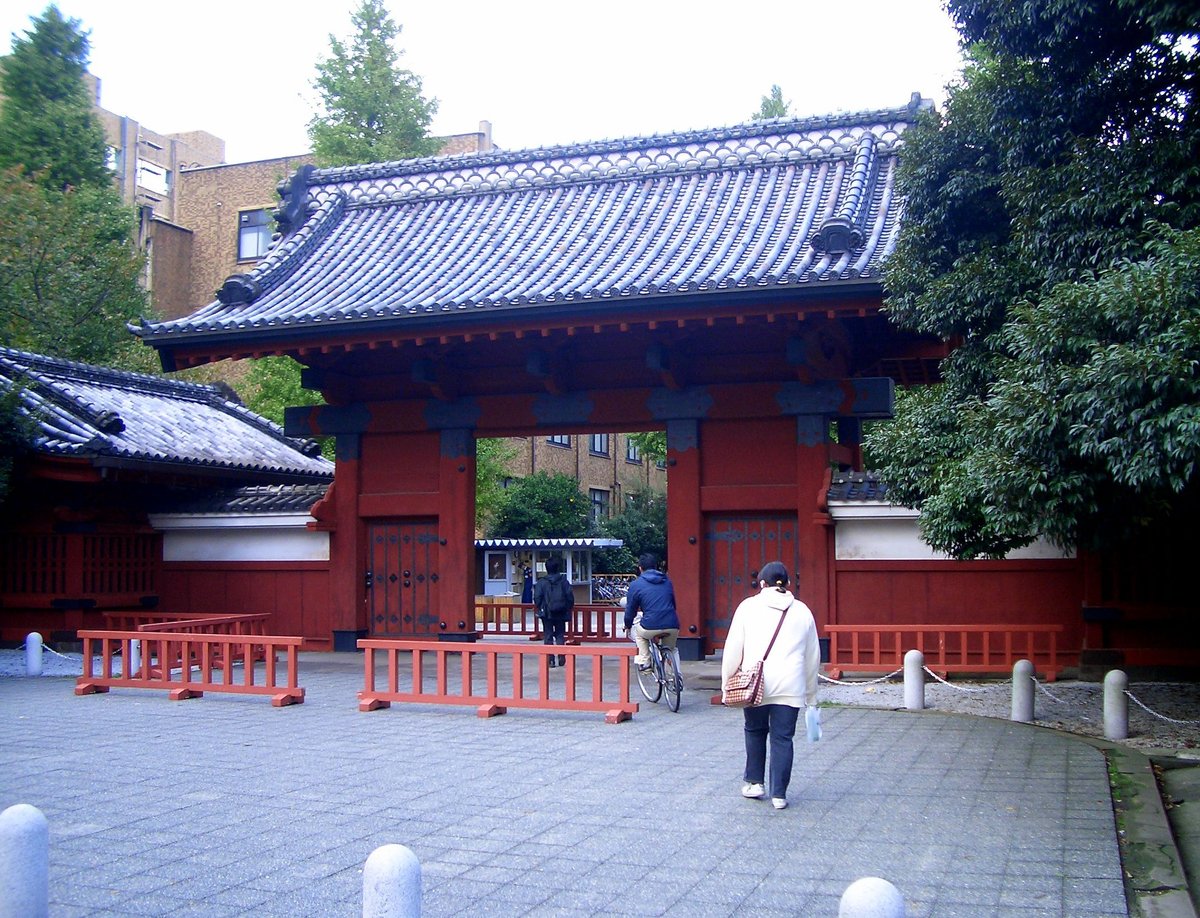
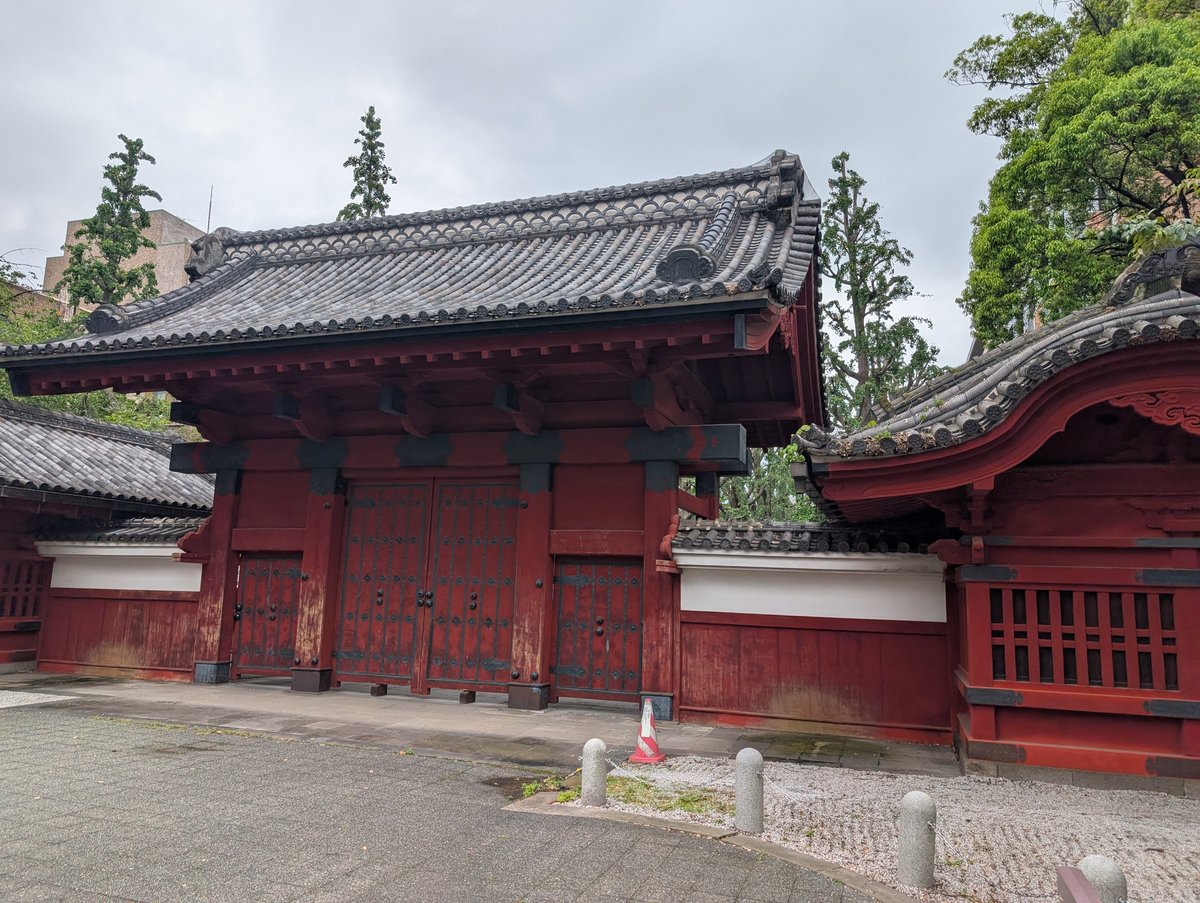
Akamon, or the "Red Gate," is an iconic symbol of Tokyo’s cultural and academic heritage. Situated at the University of Tokyo’s Hongo Campus, this historic gate traces its origins to the late Edo period and stands today as a testament to the city’s enduring history and architectural excellence. Whether you are a history enthusiast, an architecture admirer, or a traveler exploring Tokyo, this guide offers all the essential information you need on Akamon’s history, visiting hours, tickets, accessibility, and surrounding attractions.
For further details, please see official and reputable resources (University Journal, University of Tokyo Museum PDF, Yomiuri Shimbun).

Historical Background and Significance
Origins in the Edo Period
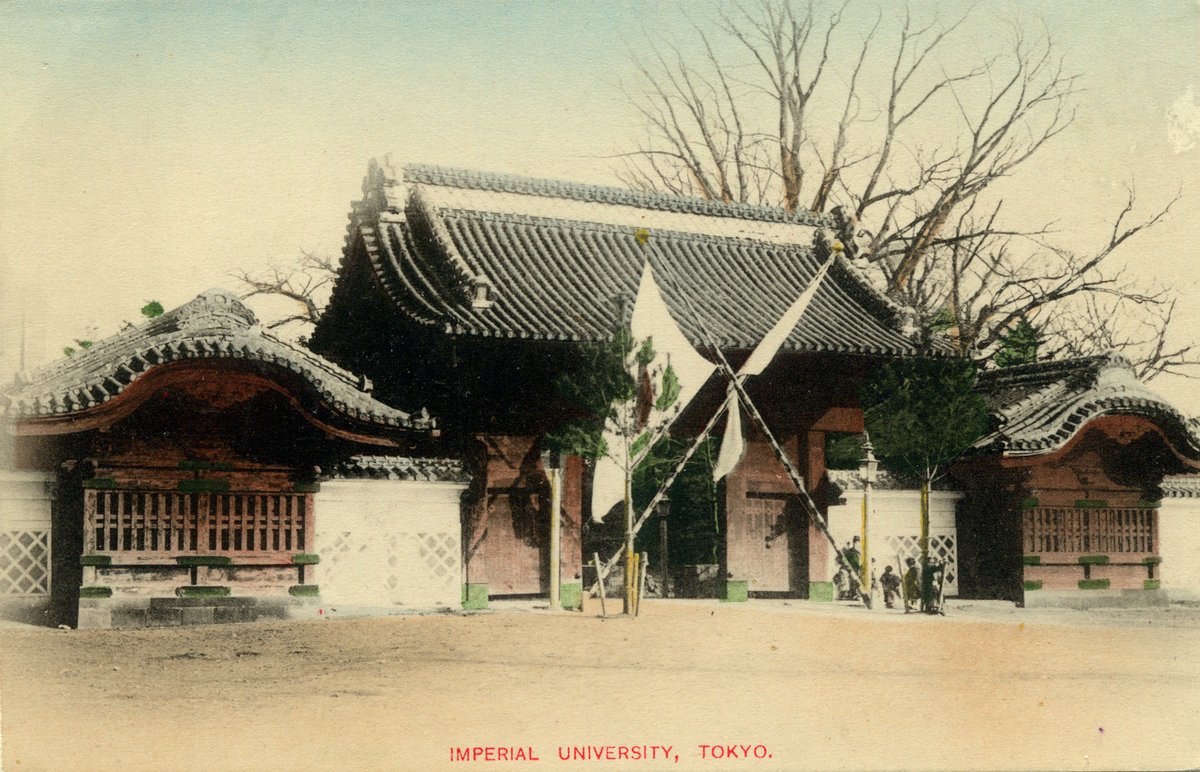
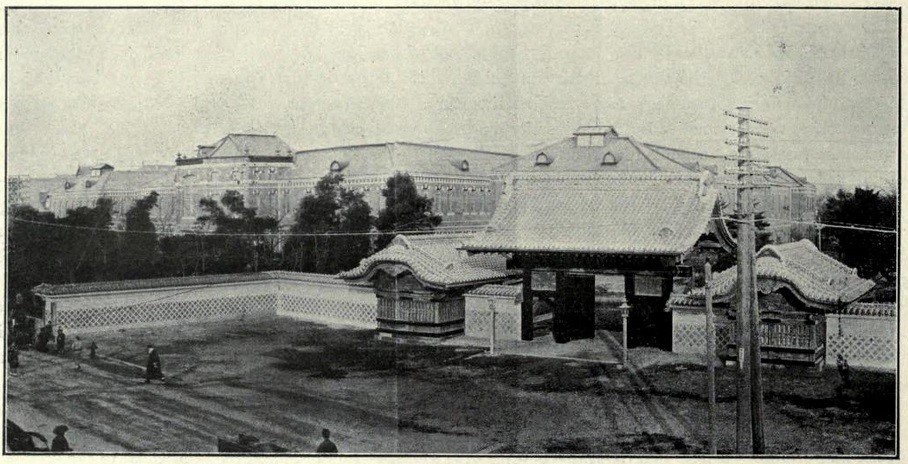
Akamon was constructed in 1827 as the grand entrance to the Edo residence of the Kaga Domain, one of Japan’s most powerful feudal clans. The gate commemorated the marriage of Maeda Nariyasu, the 12th lord of Kaga, and Princess Yohime, daughter of Shogun Tokugawa Ienari. This union was not only of personal significance but also a symbol of political alliance and prestige (University Journal).
Transition to Academic Symbol
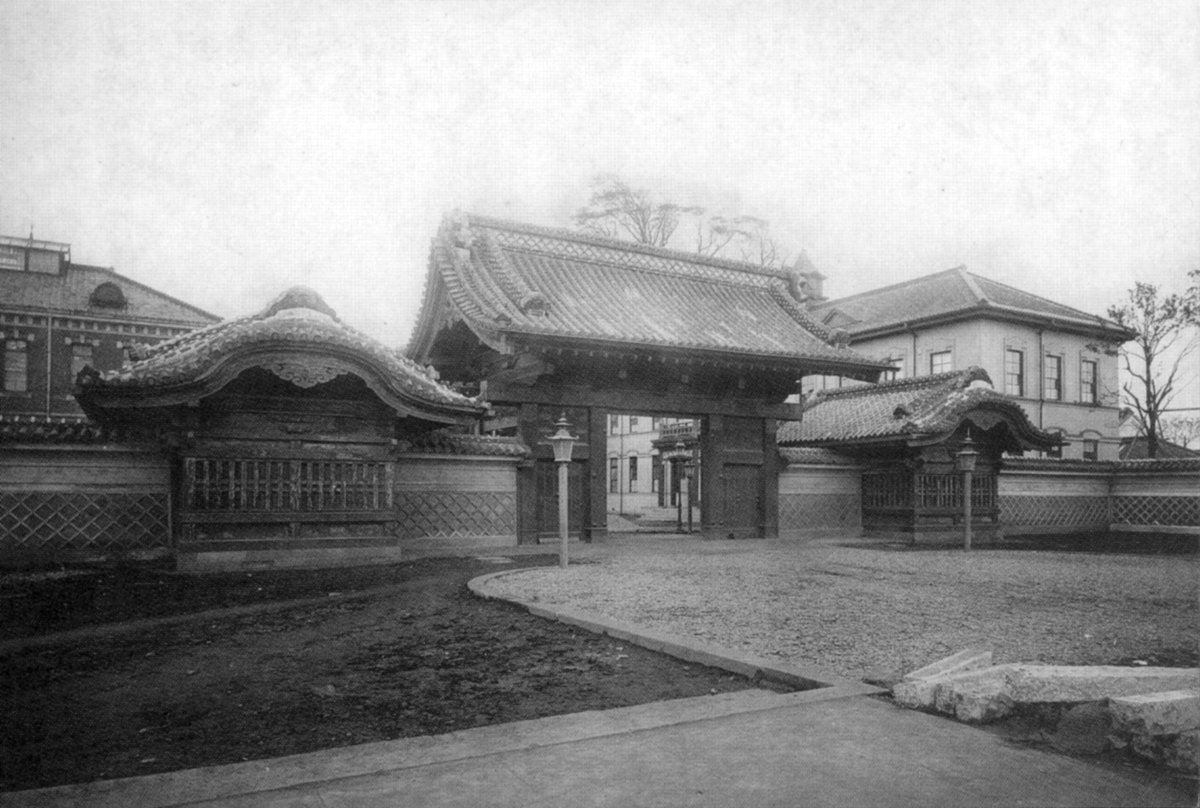
Following the abolition of the feudal system during the Meiji Restoration, the Kaga estate became part of the newly established University of Tokyo in 1877. Akamon was preserved and integrated as the main gate, evolving from a feudal emblem to a symbol of academic excellence. Today, it is prominently featured in university branding and ceremonies, representing both heritage and progress (University Journal).
Survival and Preservation
Akamon is the only surviving Oshudono Gate in Japan, having withstood the Great Kanto Earthquake, World War II air raids, and Tokyo’s rapid modernization. Recognized as an Important Cultural Property, it has undergone several restorations to ensure its preservation for future generations (Yomiuri Shimbun, University of Tokyo Museum PDF).
Architectural Features and Symbolism
Design and Construction
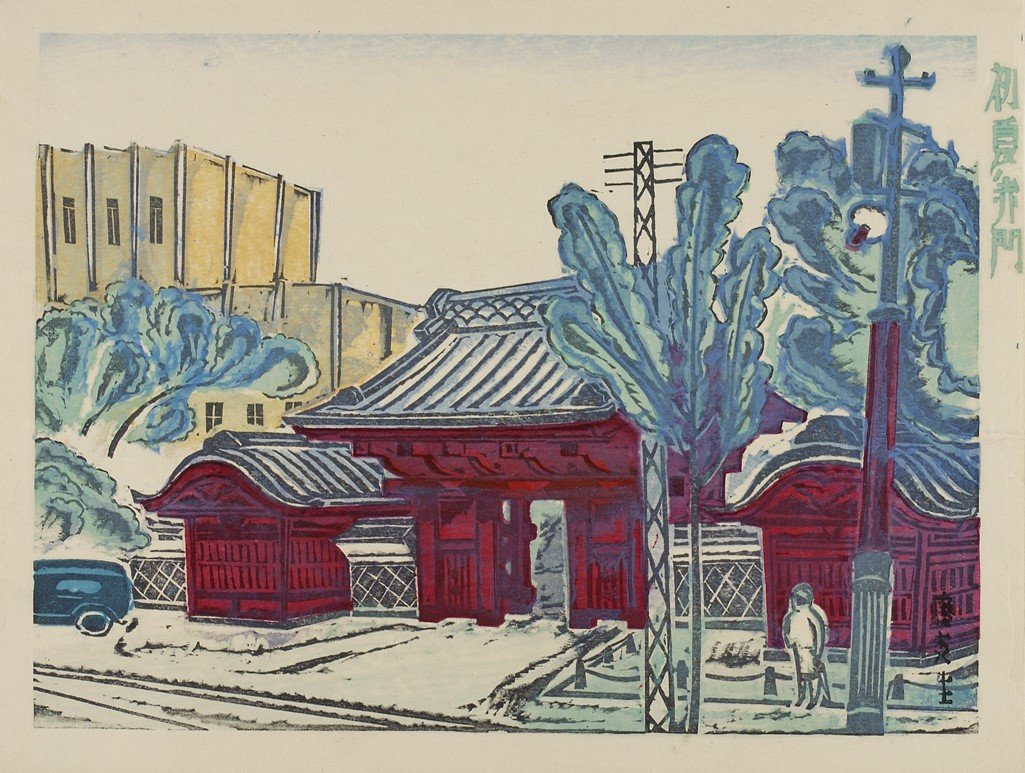
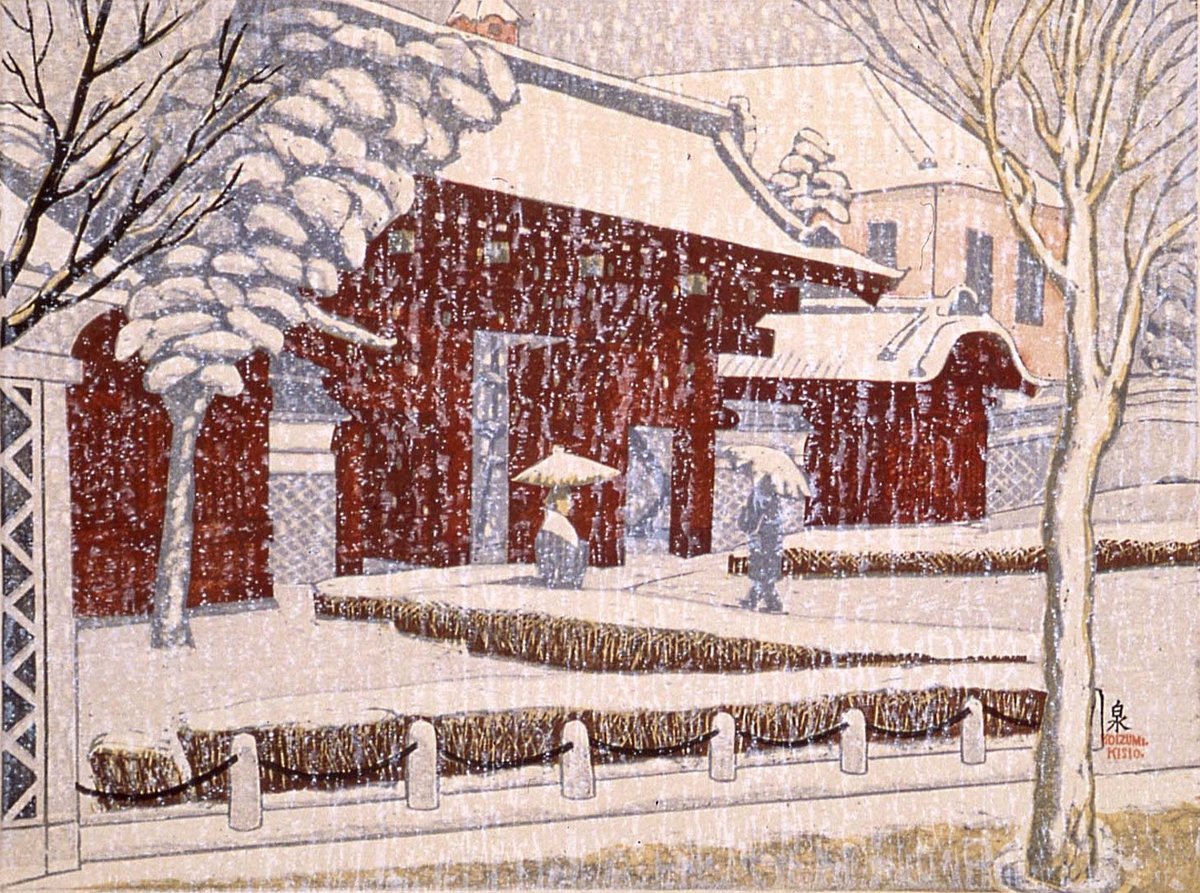
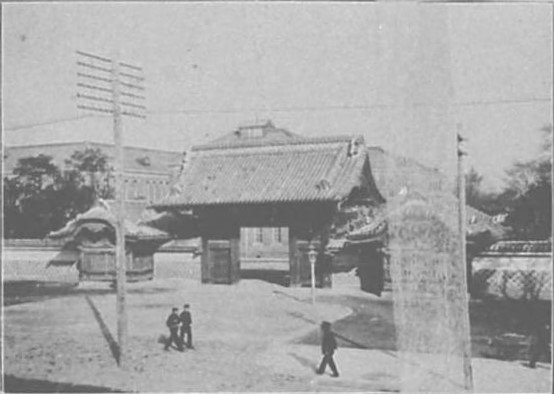
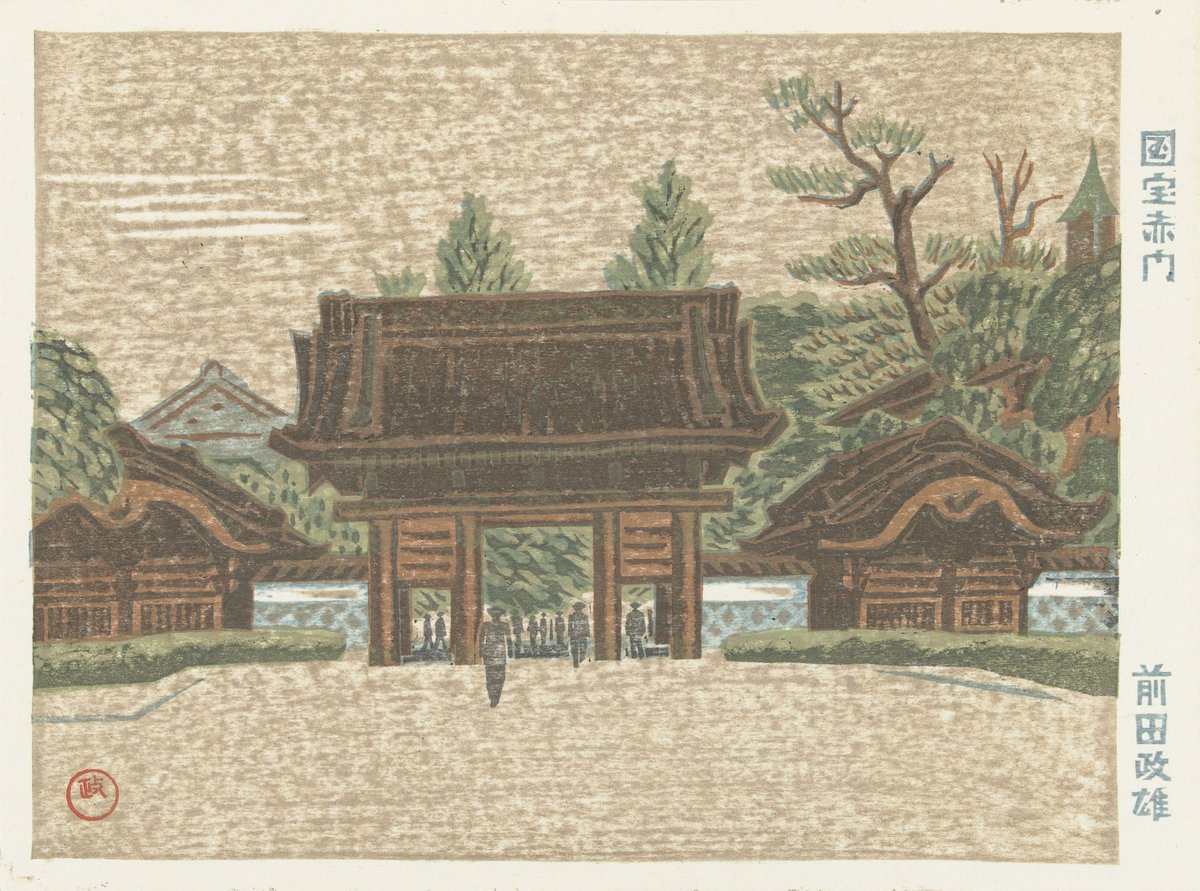
Akamon exemplifies late Edo-period craftsmanship with its yakui-mon style—featuring a gabled, tiled roof, two guardhouses, and sturdy Japanese cypress (hinoki) pillars. The brilliant vermilion color, created from natural mineral pigments like cinnabar, not only denotes authority and status but also serves as a protective charm against evil spirits (University of Tokyo Museum PDF).
Symbolism
- Status and Authority: Only lords with direct shogunate ties could build gates of such scale and color, marking the Maeda clan’s elite status.
- Marriage Alliance: Built to honor a significant political marriage, the gate symbolizes the social and political fabric of the Edo era.
- Continuity: Akamon represents the continuity of Japanese tradition through periods of great change, bridging aristocracy and academia.
- Cultural Identity: Today, it serves as a cherished emblem of the University of Tokyo, signifying a rite of passage for students and visitors alike (University of Tokyo Museum PDF).
Conservation and Recent Developments
Due to concerns over seismic vulnerability, Akamon has been closed to close-up public access since 2021. The University of Tokyo’s "Open! Akamon Project" aims to reinforce the structure, improve accessibility, and rejuvenate the surrounding plaza, with reopening scheduled for 2027 (Yomiuri Shimbun).
Visiting Akamon: Hours, Tickets, Accessibility
Location and Access
- Address: 7-3-1 Hongo, Bunkyo-ku, Tokyo
- Map: Google Maps
- Nearest Subway Stations:
- Todaimae Station (Tokyo Metro Namboku Line): 5-minute walk
- Hongo-sanchome Station (Tokyo Metro Marunouchi Line, Toei Oedo Line): 10-minute walk (Japan Experience)
- Official Campus Map (PDF)
Visiting Hours and Admission
- Admission Fee: Free—no ticket required to view Akamon from outside (Wikipedia).
- Viewing Hours: The gate is outdoors and visible at all times; campus access is generally available during daylight hours. Access may be restricted during holidays or special events (University of Tokyo).
- Current Status: As of 2025, Akamon is closed for close-up access due to structural reinforcement work. It can be admired and photographed from outside the safety barriers (Yomiuri Shimbun).
Accessibility
- Wheelchair Access: The campus is generally accessible with paved walkways, though some older areas may have steps or uneven surfaces.
- Signage: Key locations, including Akamon, are marked in English, but most signage is in Japanese. Download the campus map in advance for navigation (University of Tokyo).
On-Site Facilities and Visitor Etiquette
- Restrooms: Available within the Hongo Campus; access may be limited depending on university operations.
- Dining: Campus cafeterias and cafes, such as the Central Cafeteria, are open to visitors. Avoid peak lunch hours (University of Tokyo).
- Shops: The UTokyo Co-op Store sells souvenirs and university-branded items.
- Etiquette: Respect the active academic environment. Remain mindful of students and staff, avoid restricted areas, and refrain from touching or climbing on the gate.
- Photography: Permitted from outside the barriers. Visit during daylight for the most vivid photos.
Nearby Historical Attractions
Akamon’s location is ideal for exploring other notable cultural sites in Tokyo:
- Sanshiro Pond: Tranquil spot within the campus.
- Nezu Shrine: Historic Shinto shrine with beautiful torii gates.
- Koishikawa Korakuen Garden: One of Tokyo’s oldest Japanese gardens.
- Tokyo Dome City: Entertainment complex nearby.
- Japan Football Museum: For sports enthusiasts (Japan Experience).
Seasonal Highlights and Photography
- Ginkgo Trees: The campus is renowned for its ginkgo-lined avenues, particularly stunning in autumn.
- Best Times to Visit: Spring for cherry blossoms and autumn for golden foliage. Early morning or late afternoon offers optimal lighting for photography.
- Events: Guided tours and seasonal events may resume after Akamon reopens.
Practical Tips and FAQs
Essential Visitor Tips
- Check for Updates: Always confirm current access status on the University of Tokyo’s official website.
- Combine Your Visit: The campus itself is a scenic and historic destination.
- Transport: Use Tokyo’s subway system and consider a prepaid IC card for convenience.
- Weather: Prepare for Tokyo’s variable weather; dress in layers and bring an umbrella in the rainy season.
Frequently Asked Questions
Q: Is there an admission fee?
A: No, Akamon is freely visible from the street and no ticket is required.
Q: What are the visiting hours?
A: The gate is visible at all times, but campus access is generally open during daylight hours.
Q: Is Akamon wheelchair accessible?
A: The campus is mostly accessible, though some areas may have steps.
Q: Can I take photos of Akamon?
A: Yes, from outside the safety barriers.
Q: When will Akamon reopen for close-up access?
A: The University of Tokyo plans to complete reinforcement work and reopen the gate by 2027 (Yomiuri Shimbun).
Q: Are guided tours available?
A: Self-guided tours are available via apps such as GPSmyCity. Guided tours may resume after reopening.
Listen to the full story in the app
The whole Akamon,
told well.
Audio guides for 1,100+ cities across 96 countries. History, stories, and local insight — offline ready.
Verified, and shown.
Researched and written by the Audiala editorial team from historical records, architectural archives, and local expertise.
Researched from Wikidata, Wikipedia & official sources · fact-checked · How we make our guides →