Introduction
Vending machines glow on every block in Tokyo, humming quietly beside 400-year-old shrine gates — and nobody finds this strange. Japan's capital is a city of 14 million people where a Michelin-starred ramen shop seats six, where silence is the norm on packed rush-hour trains, and where the world's busiest pedestrian crossing empties completely every ninety seconds before flooding again.
Tokyo resists summary because it isn't one city. It's dozens of villages fused together, each with its own rhythm and loyalties. Shimokitazawa's narrow lanes of vintage shops and live-music basements share a metro system with Ginza's hushed sushi counters where a single omakase meal costs more than a round-trip flight. Residents identify by neighborhood the way other urbanites identify by profession — ask someone where they live and you'll learn more about them than asking what they do.
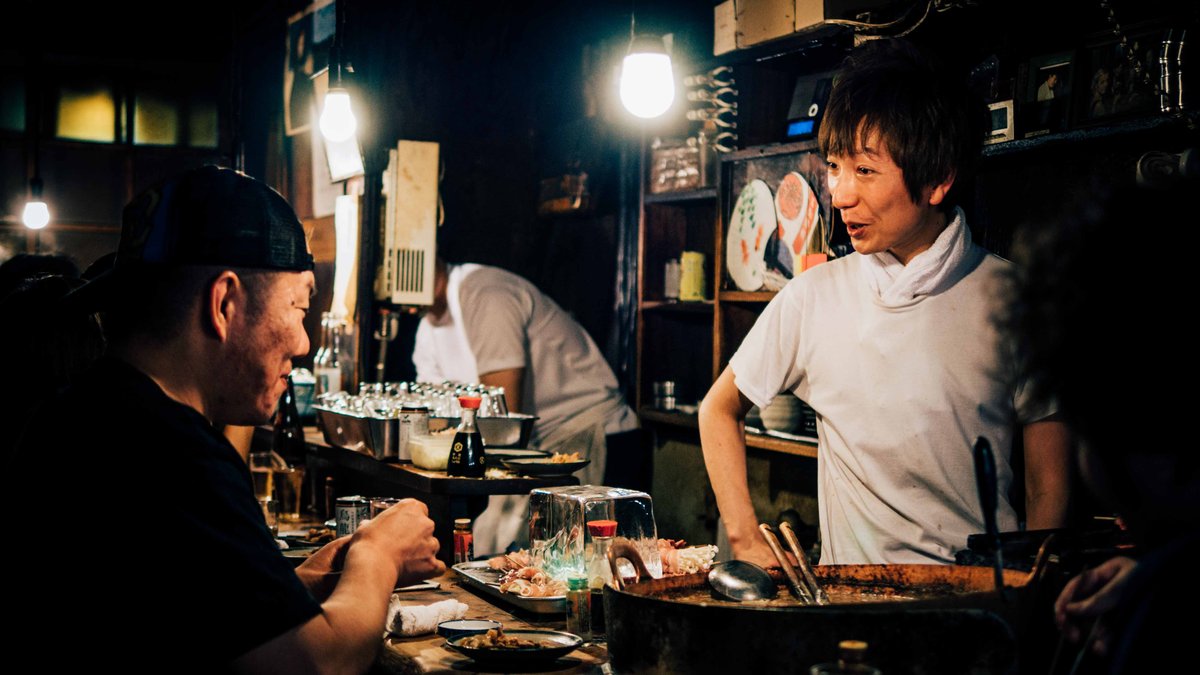
The food alone justifies the trip. Tokyo holds more Michelin stars than Paris and New York combined, yet the city's beating culinary heart is the ¥500 beef bowl at 3 a.m., the egg sandwich from a convenience store that has no right tasting that good, and the smoky yakitori stall wedged under a set of train tracks. Lunch sets at world-class restaurants run ¥1,500 to ¥3,000 — a fraction of dinner prices — making excellence oddly democratic.
What catches visitors off guard isn't the neon or the technology. It's the quiet. Temples exist in pockets of deep forest minutes from skyscrapers. A kissaten coffee house in Ginza has been roasting beans since 1948, classical music drifting over velvet curtains, while outside a teamLab installation dissolves the boundary between your body and a digital waterfall. Tokyo doesn't ask you to choose between old and new. It simply holds both, without apology, and expects you to keep up.
Places to Visit
The Most Interesting Places in Tokyo
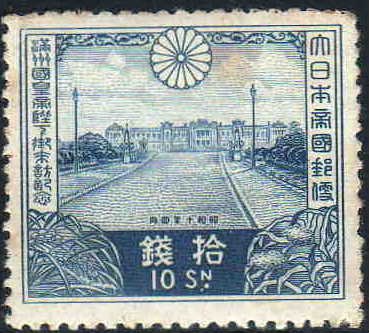
Akasaka Palace
Situated in the vibrant heart of Tokyo, Akasaka Palace, also known as the State Guest House, stands as a majestic testament to Japan’s rich historical…
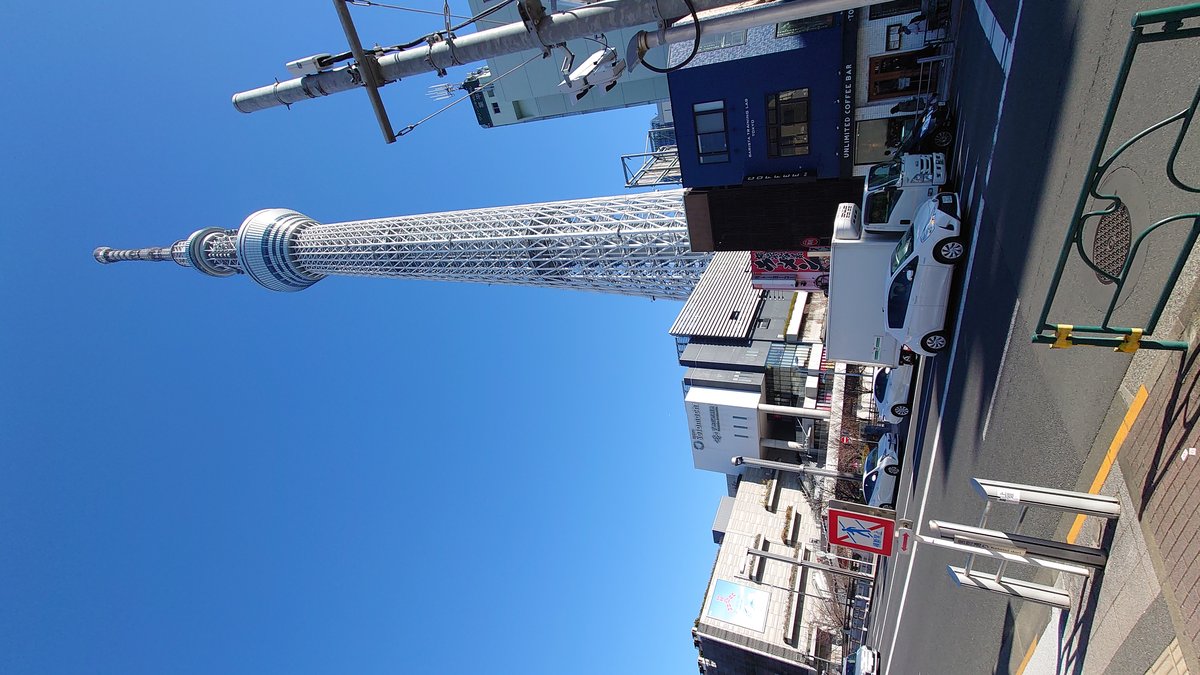
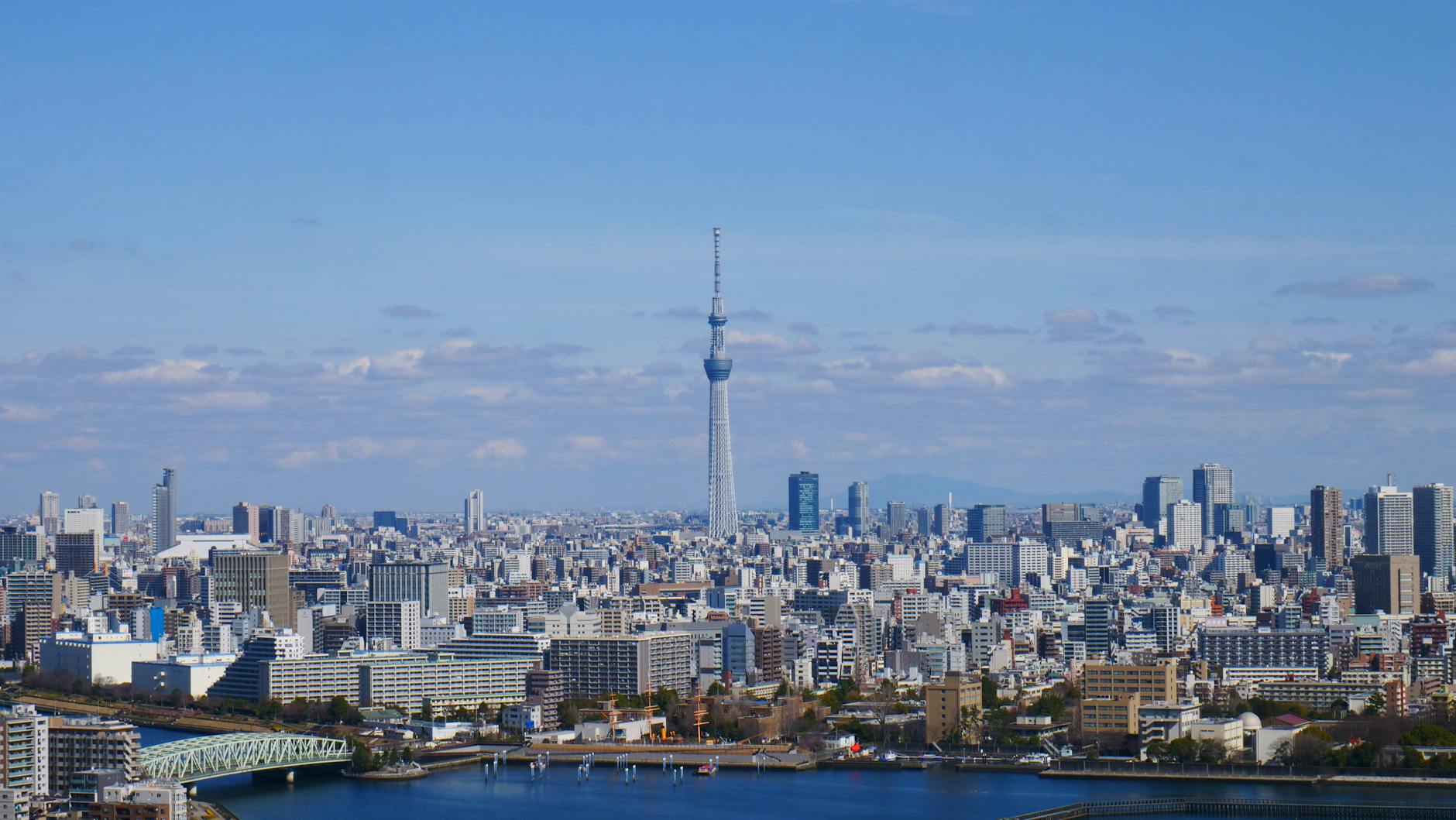
Tokyo Skytree
Tokyo Skytree, an architectural marvel standing at 634 meters, is not just the tallest structure in Japan but also a symbol of the country's rapid…
Sensō-Ji
Tokyo’s oldest temple keeps its main Kannon image hidden from everyone. Come early for incense smoke, quiet courtyards, and Asakusa before the daily crush.
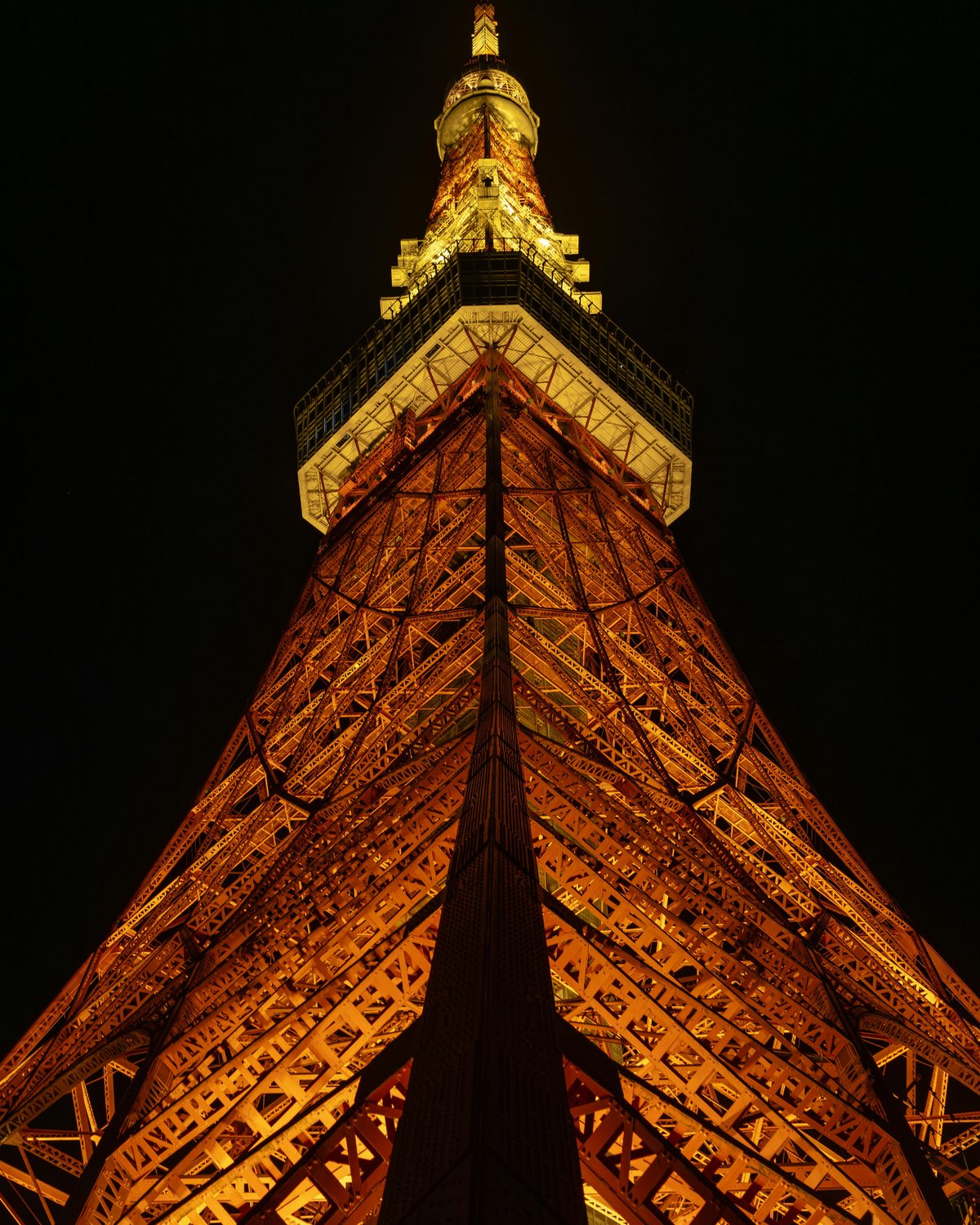
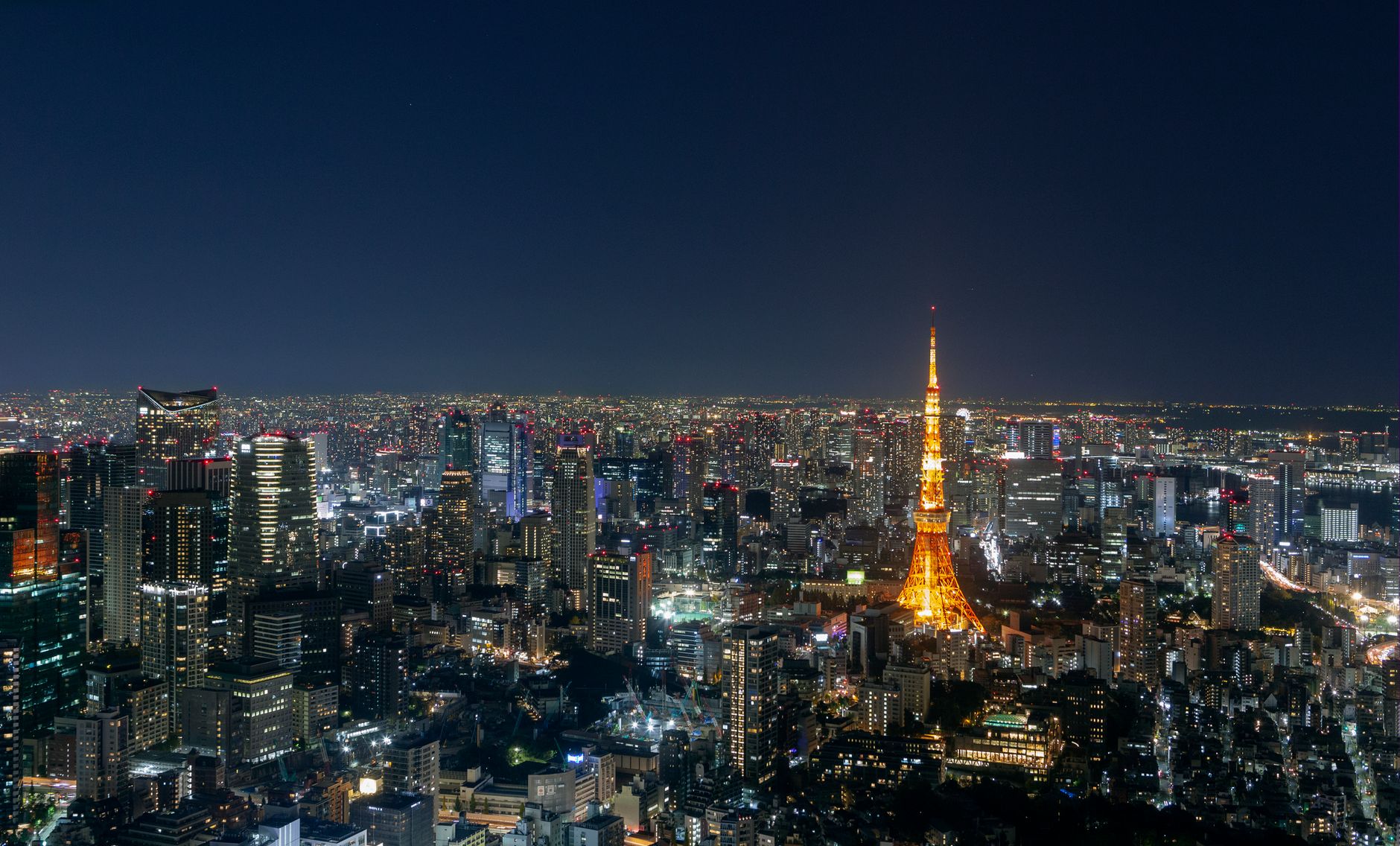
Tokyo Tower
Tokyo Tower, or 東京タワー, is an iconic symbol of Japan's post-war rebirth and technological advancement.
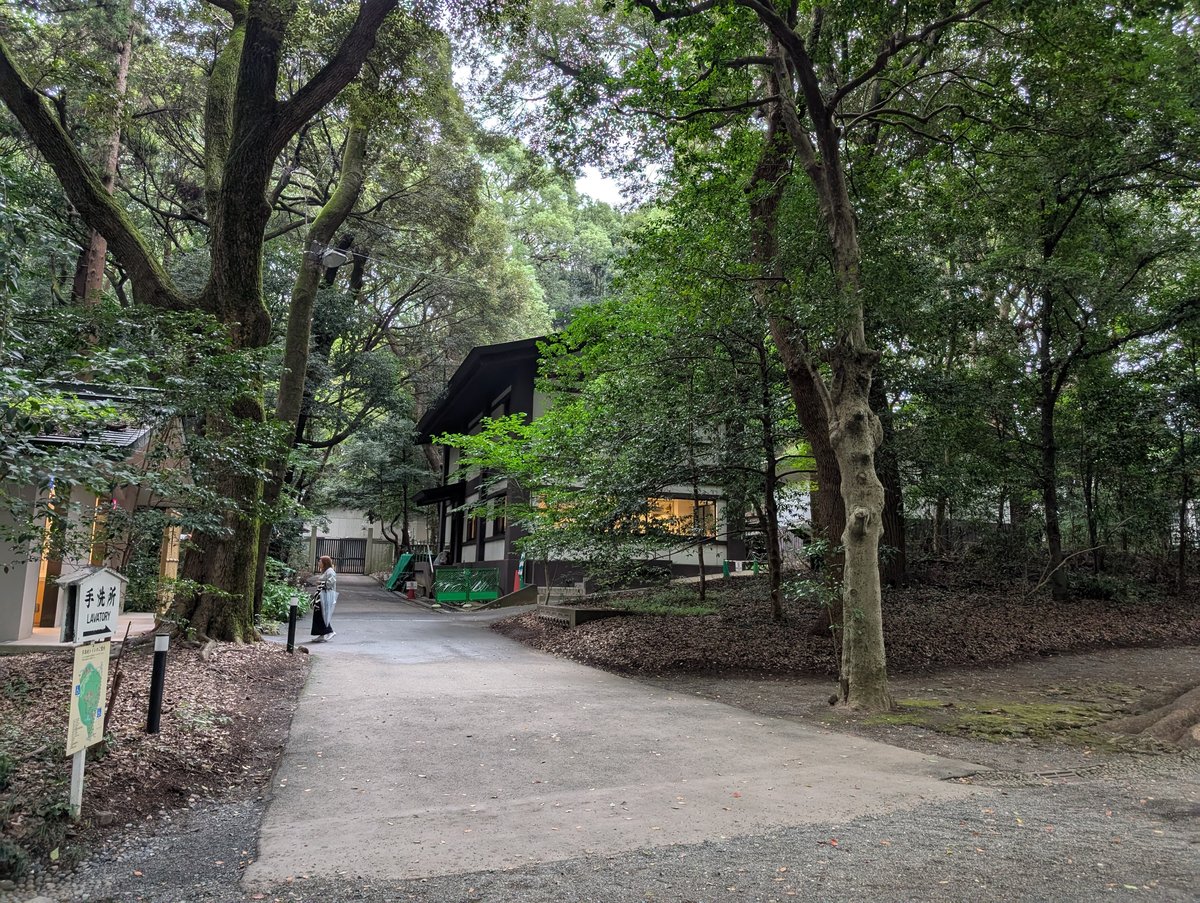
Meiji Shrine
Discover the rich history and cultural significance of Meiji Shrine (明治神宮, Meiji Jingū), one of Tokyo's most revered landmarks.
Fuji-Hakone-Izu National Park
Fuji-Hakone-Izu National Park, located near Tokyo, Japan, is a remarkable destination that seamlessly integrates stunning natural landscapes with profound…
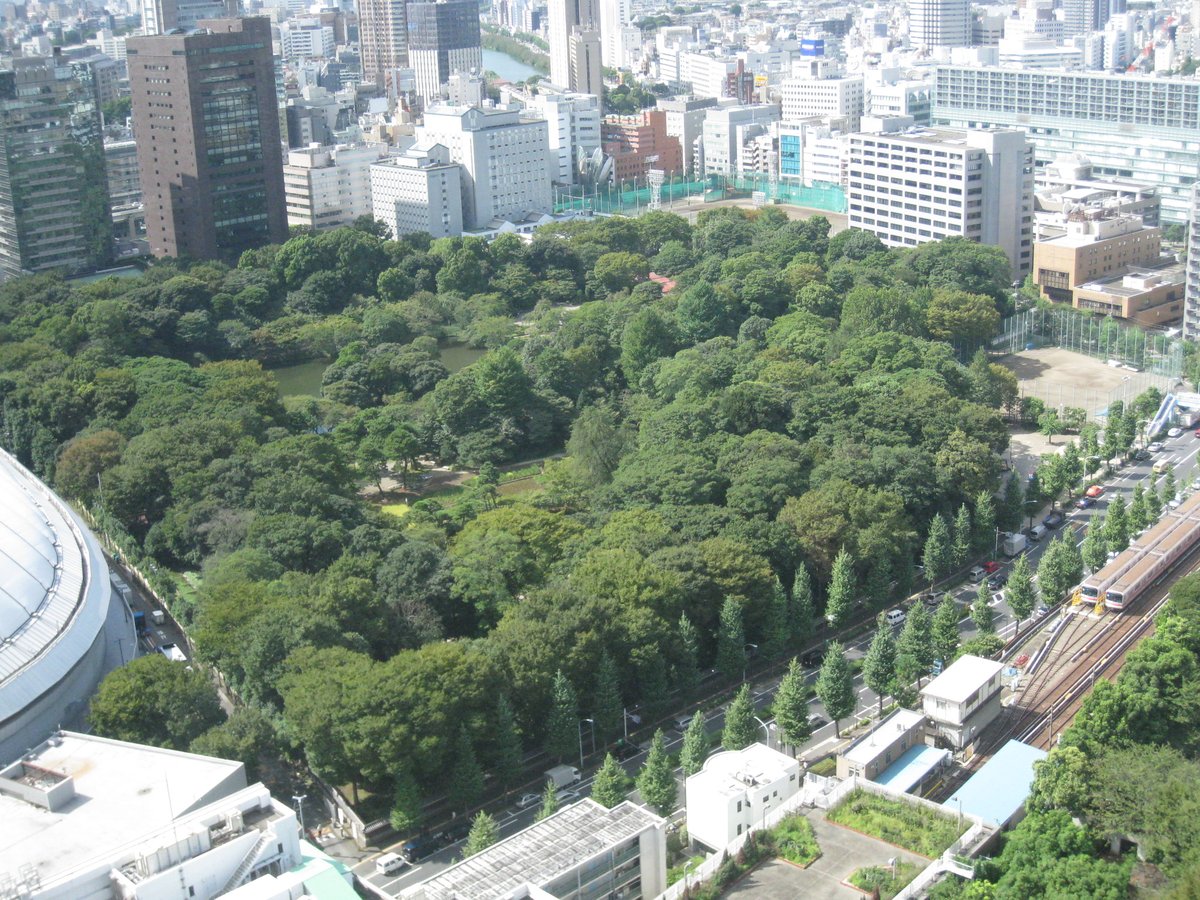
Hibiya Park
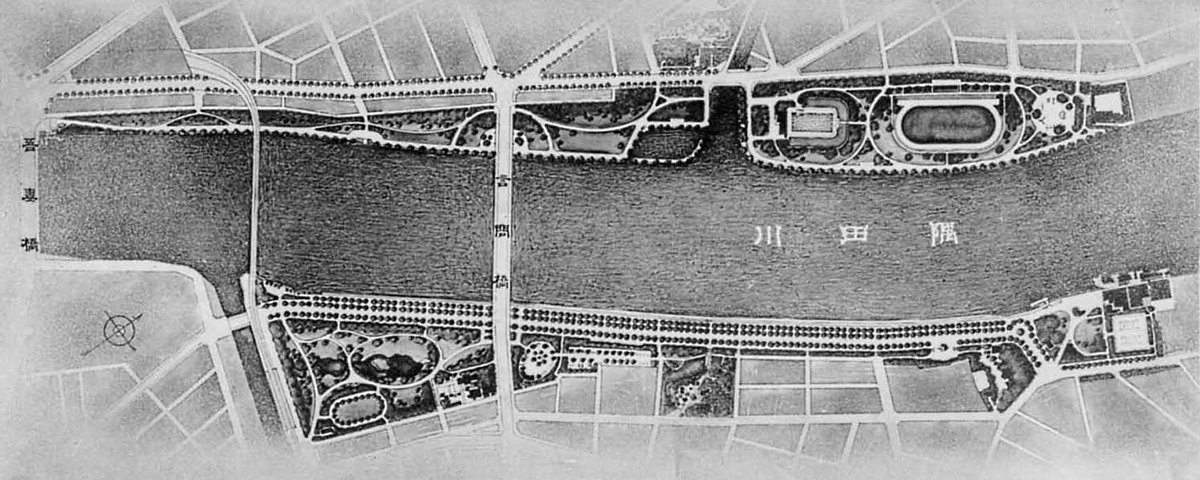
Nestled in the heart of Tokyo, Hibiya Park stands as a pioneering symbol of Japan's modernization and urban development.
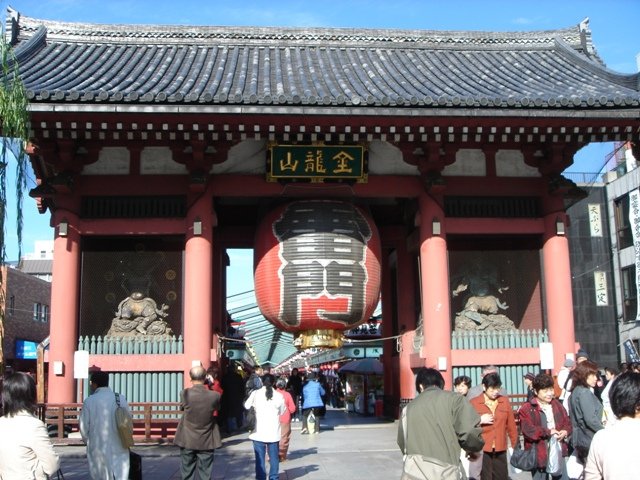
Kaminarimon
Sensō-ji Temple, also known as Kinryūzan Sensō-ji or Asakusa Kannon Temple, stands as Tokyo's oldest and most iconic Buddhist temple.
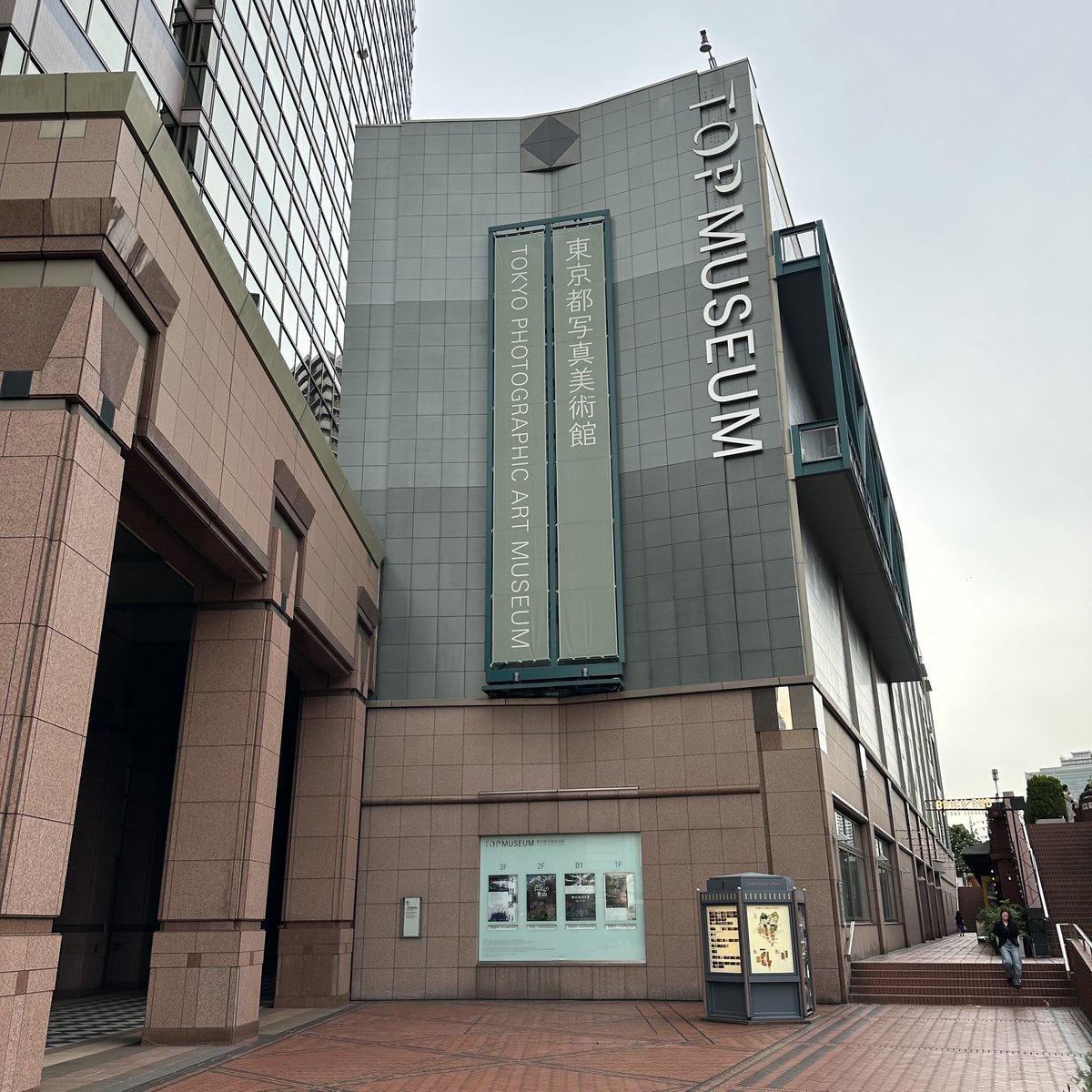
Tokyo Photographic Art Museum
The Tokyo Photographic Art Museum (TOP Museum) stands as a landmark institution in Tokyo, dedicated exclusively to the art and history of photography and…
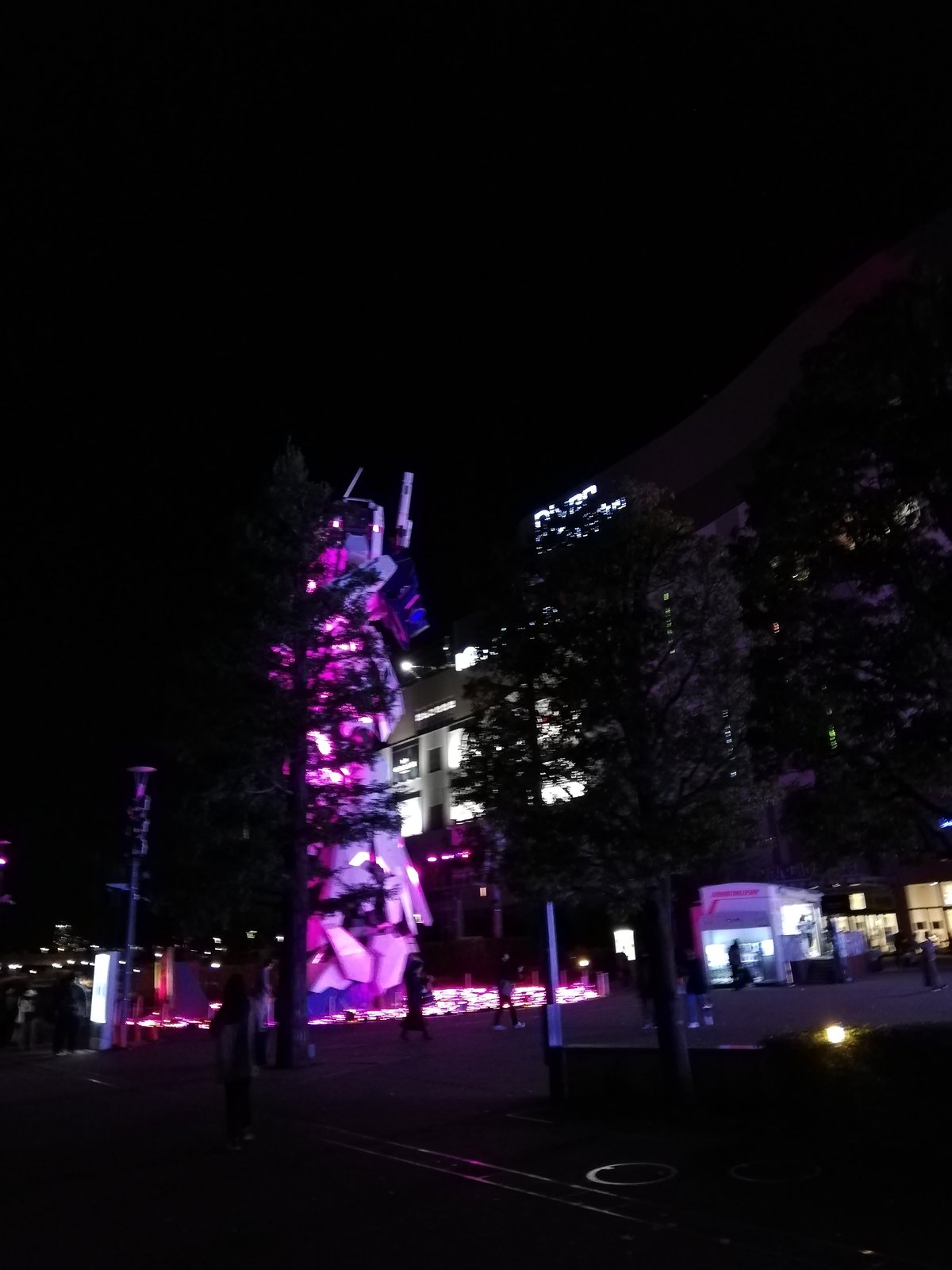
Statue of Unicorn Gundam
The Gundam Unicorn RX-0 1:1 Statue in Odaiba, Tokyo, stands as a testament to Japan's innovative spirit and its deep-rooted love for anime culture.
Chichibu Tama Kai National Park
Chichibu Tama Kai National Park, sprawling over approximately 1,250 square kilometers across Tokyo, Saitama, Yamanashi, and Nagano prefectures, stands as one…
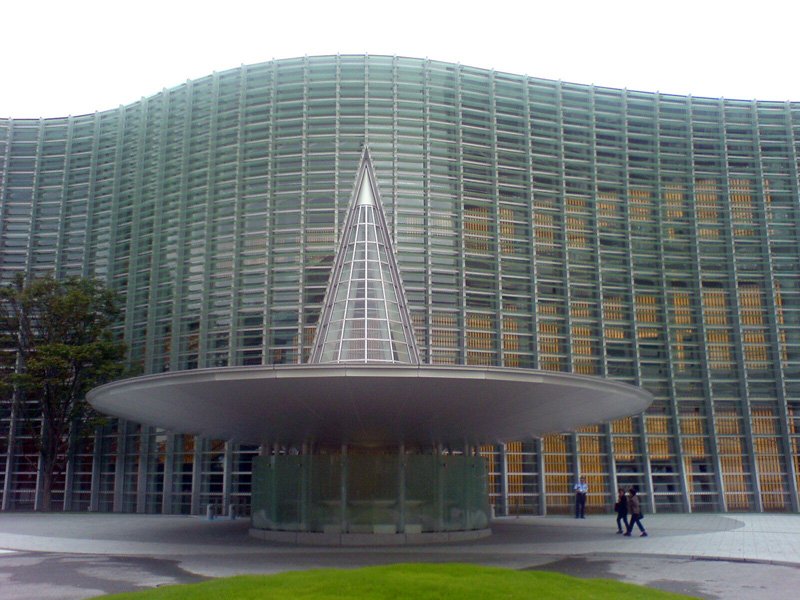
National Art Center, Tokyo
The National Art Center, Tokyo (NACT) stands as a beacon of modern architecture and a testament to Japan's dedication to artistic expression.
What Makes This City Special
Ancient Meets Electric
Senso-ji has been standing since 645 AD; the neon canyons of Akihabara didn't exist fifty years ago. Tokyo holds both without contradiction — a Shinto shrine nestled in 175 acres of forest sits minutes from the world's busiest pedestrian crossing, and neither feels out of place.
The Deepest Food City on Earth
Tokyo holds more Michelin stars than Paris and New York combined, yet its finest meals often happen at a seven-seat counter in a basement or from a vending-machine ticket at a ramen stand. The seriousness here isn't about luxury — it's about a lifetime spent perfecting one thing.
A Transit System That Works Like Clockwork
Thirteen subway lines, dozens of JR and private rail routes, and trains that apologize for being 20 seconds late. Tap a Suica card and the entire metropolis — 14 million people — is reachable within the hour. The system is so precise it becomes invisible.
Seasons as Spectacle
Cherry blossoms in late March turn Shinjuku Gyoen into a pink ceiling; by November, the ginkgo-lined avenue at Meiji Jingu Gaien burns gold. Tokyo doesn't just mark seasons — it celebrates them with a devotion that reshapes the entire city's rhythm.
Historical Timeline
From Marsh Castle to the World's Largest Metropolis
Five centuries of fire, reinvention, and relentless forward motion
A Castle Rises from the Marshes
The warrior-poet Ōta Dōkan builds a modest fortress on a bluff overlooking Tokyo Bay, where the Musashino Plateau drops into tidal flats. He chooses the site for its natural defenses — rivers on three sides, the sea at its back. The castle is called Edo, meaning 'estuary gate.' Dōkan will be murdered by his own lord within thirty years, but his castle will outlast every dynasty that follows.
Ieyasu Enters a Swamp Town
After Toyotomi Hideyoshi crushes the Hōjō clan at Odawara, he sends his most dangerous rival to govern the distant Kantō marshlands — a poisoned gift, or so he thinks. Tokugawa Ieyasu rides into Edo on August 1st and finds roughly a hundred houses huddled around a neglected castle. He immediately begins draining swamps, diverting rivers, and filling in the bay. Within a generation, the swamp town will become the seat of Japan's government.
The Shogunate Takes Root
Three years after his decisive victory at Sekigahara, Tokugawa Ieyasu receives the title of Shogun from the emperor in Kyoto, then returns to Edo to rule. He mandates that every feudal lord in Japan maintain a residence in the city and spend alternate years there — the sankin-kōtai system. The requirement floods Edo with samurai households, servants, merchants, and craftsmen. By 1636, five concentric rings of moats make Edo Castle the largest fortification on Earth.
The Great Meireki Fire
On January 18th, a fire breaks out near Hongō and the winter wind does the rest. For three days the flames tear across the densely packed wooden city, killing an estimated 100,000 people and destroying seventy percent of Edo — including the castle's magnificent five-story keep. The shogunate decides rebuilding the keep would be an obscene vanity amid such suffering. It is never rebuilt. The disaster forces a radical urban redesign: firebreaks are cut, populations relocated across the Sumida River, and Edo earns its bitter nickname — 'Flowers of Edo,' because fires bloom here like cherry blossoms.
The Largest City on Earth
By the turn of the eighteenth century, Edo's population reaches one million — surpassing London, Paris, and Istanbul. The shitamachi lowlands hum with commercial energy: kabuki theatres draw enormous crowds, woodblock printers churn out bestselling novels and prints, and the pleasure quarters of Yoshiwara create an entire parallel economy of art, fashion, and entertainment. It is the Genroku golden age, and Edo is where Japan's popular culture is being invented.
Hokusai: Edo's Restless Eye
Katsushika Hokusai is born in the Sumida district and will spend the next 89 years obsessively drawing the city and the world around it — moving house over 90 times without ever leaving Edo. His Thirty-six Views of Mount Fuji, created in his seventies, will travel further than he ever does, reaching Paris and igniting the Japonisme movement that reshapes Western art. On his deathbed he reportedly sighs that if heaven would grant him just five more years, he could become a real painter.
Black Ships in the Bay
On July 8th, four American warships under Commodore Matthew Perry steam into Uraga Harbor trailing columns of black coal smoke. Nothing in the shogunate's arsenal can touch them. Perry delivers a letter from President Fillmore demanding trade access, then sails away promising to return for an answer. Edo panics. The following March, Japan signs the Convention of Kanagawa, cracking open two and a half centuries of isolation. The Tokugawa order, already fraying, begins its final unraveling.
Edo Dies, Tokyo Is Born
In April, the last Tokugawa shogun surrenders Edo Castle without a fight — a negotiated bloodless handover between Saigō Takamori and Katsu Kaishū that saves the city from destruction. On September 3rd, the emperor renames Edo as Tokyo — 'Eastern Capital' — and in October the fifteen-year-old Emperor Meiji arrives from Kyoto to take up residence in the castle. The samurai city begins its violent metamorphosis into a modern nation-state capital.
Sōseki: Tokyo's Sharpest Novelist
Natsume Sōseki is born in Ushigome (now Shinjuku) and grows up watching Edo transform into Tokyo at bewildering speed. His novels — Kokoro, Botchan, I Am a Cat — dissect the psychological cost of Japan's headlong modernization with an irony that still cuts. He becomes so identified with Tokyo's literary culture that his face graces the thousand-yen note for decades. His Shinjuku home, where he held legendary Thursday salons, is now a memorial museum.
Japan's First Railway Whistles
On October 14th, a steam locomotive built with British engineering departs Shimbashi Station for Yokohama — 29 kilometers of track that announce Japan's industrial ambitions to the world. That same year, the Ginza district burns down and the government rebuilds it as a boulevard of Western-style brick buildings with gas lighting, Tokyo's first experiment in looking like London. The old wooden city is being paved over at astonishing speed.
Kurosawa: Cinema's Emperor
Akira Kurosawa is born in Shinagawa, in the southern wards of Tokyo, to a family with samurai roots. He will grow up watching silent films in the city's new movie palaces and eventually reshape cinema from Toho Studios in Setagaya. Seven Samurai, Rashōmon, Ikiru — all made within Tokyo's studio system. George Lucas, Coppola, and Leone will all trace their debts back to this man and this city's postwar film industry.
The Earth Opens at Lunchtime
At 11:58 AM on September 1st, a magnitude 7.9 earthquake strikes while charcoal lunch fires burn across the city. The quake itself is devastating, but the firestorms that follow are apocalyptic — including a single vortex of superheated air at the Rikugun clothing depot that incinerates 38,000 refugees in minutes. Between 105,000 and 142,000 people die. Half of Tokyo is destroyed. In the chaotic aftermath, mob violence kills an estimated 6,000 Korean residents, a horror the city will take decades to fully acknowledge.
Asia's First Subway Opens
On December 30th, Tokyo inaugurates the 2.2-kilometer Asakusa-to-Ueno subway line — the first underground railway in Asia. Passengers queue for hours to ride the novelty. The line is the seed of what will become one of the most complex and punctual transit networks ever built, eventually carrying over eight million passengers daily across thirteen lines. Tokyo is learning to move underground.
Young Officers Seize the Capital
Before dawn on February 26th, 1,400 soldiers led by ultranationalist junior officers occupy central Tokyo — the Prime Minister's residence, police headquarters, the Army Ministry. They assassinate the Finance Minister and two other senior officials; the Prime Minister survives by hiding in a storage closet. For four days, soldiers control the government district. Emperor Hirohito personally orders their suppression. The coup fails, but it hands the military effective control over Japanese politics. Nine years later, that control will reduce the city to ash.
A City Burned to the Ground
On the night of March 9–10, 279 B-29 bombers drop 1,700 tons of napalm on the densely packed wooden neighborhoods of eastern Tokyo. The firestorm kills between 80,000 and 100,000 people in a single night — the deadliest air raid in human history, exceeding even the atomic bombings that follow five months later. The Sumida River fills with the dead. By August, over half of Tokyo's urban area has been destroyed. The population has collapsed from seven million to three and a half million.
Occupation and Reinvention
General Douglas MacArthur governs Japan from the Dai-Ichi Life Insurance Building, directly across the moat from the Imperial Palace — the symbolism is not subtle. Under American direction, a new constitution renounces war, women gain the vote, feudal land ownership is abolished, and the industrial zaibatsu are broken up. Tokyo Metropolis is formally established as an administrative entity merging the old city with its suburbs. From the rubble, a radically different Japan begins to take shape.
Sakamoto: Sound of a New Tokyo
Ryuichi Sakamoto is born in Nakano and grows up in a Tokyo rushing headlong into the future. As co-founder of Yellow Magic Orchestra, he helps pioneer electronic music from the city's studios. His Academy Award–winning score for The Last Emperor proves Tokyo can produce composers of global stature. He becomes the sonic ambassador of a city perpetually reinventing itself — traditional instruments filtered through synthesizers, silence as important as sound.
The Olympics Announce Japan's Return
On October 10th, Tokyo hosts Asia's first Olympic Games — and uses them as a megaphone to announce Japan's postwar resurrection. The city builds at a fever pitch: the Tōkaidō Shinkansen bullet train begins service nine days before the opening ceremony, cutting Tokyo–Osaka travel from six hours to four. Tange Kenzō's Yoyogi National Gymnasium, with its soaring suspended-cable roof, becomes an instant architectural icon. The expressway system laces across the city. Tokyo in 1964 isn't just hosting the world — it's proving it belongs at the table.
The Bubble Peaks and Bursts
On December 29th, the Nikkei 225 stock index hits 38,957 — a number it will not see again for over thirty years. At the height of the bubble, the land beneath the Imperial Palace is theoretically worth more than all the real estate in California. Then the Bank of Japan raises interest rates and the fever breaks. Property values collapse by sixty percent. Tokyo enters its 'Lost Decade' — a long, deflating hangover that reshapes Japanese psychology as profoundly as any earthquake.
Nerve Gas in the Morning Rush
On March 20th, members of the Aum Shinrikyō cult puncture plastic bags of liquid sarin on five Tokyo Metro lines during the morning commute. The nerve agent kills thirteen people, leaves a thousand with permanent injuries, and sends five thousand to hospitals. The attack targets Kasumigaseki station — the heart of the government district — and shatters the assumption that Tokyo's order and civility make it immune to the irrational. Cult leader Shōkō Asahara is arrested two months later and executed in 2018.
The Great Tōhoku Earthquake
At 2:46 PM on March 11th, the most powerful earthquake in Japan's recorded history — magnitude 9.1 — rocks the seafloor 370 kilometers northeast of the capital. Tokyo's skyscrapers sway for terrifying minutes. The tsunami that follows devastates the Pacific coast and triggers the Fukushima nuclear meltdowns. Tokyo empties of foreigners, endures rolling blackouts, and goes eerily quiet. The city itself suffers relatively little physical damage, but the psychological aftershock — the reminder that the ground beneath the world's largest metropolis is never truly still — lingers for years.
Skytree Pierces the Clouds
Tokyo Skytree opens in Sumida ward at 634 meters — the world's tallest tower, and a deliberate numerical pun: 6-3-4 can be read as 'Mu-sa-shi,' the name of the ancient province where Edo was born. From its observation deck, you can see the entire sprawling plain that Tokugawa Ieyasu first surveyed from horseback four centuries ago. The tower is both a broadcasting antenna and a statement of intent: Tokyo keeps building upward.
Olympic Ghosts in Empty Stadiums
Delayed a full year by the COVID-19 pandemic, the Tokyo 2020 Olympics finally open on July 23rd, 2021 — in stadiums with no spectators. It is a surreal echo of 1964, when the Games announced Japan's joyful return to the world stage. This time, Kengo Kuma's new National Stadium sits on the same ground as Tange's demolished original, but the seats are empty and the streets outside are quiet. Japan wins a record 27 gold medals. The triumph is real; the celebration is deferred.
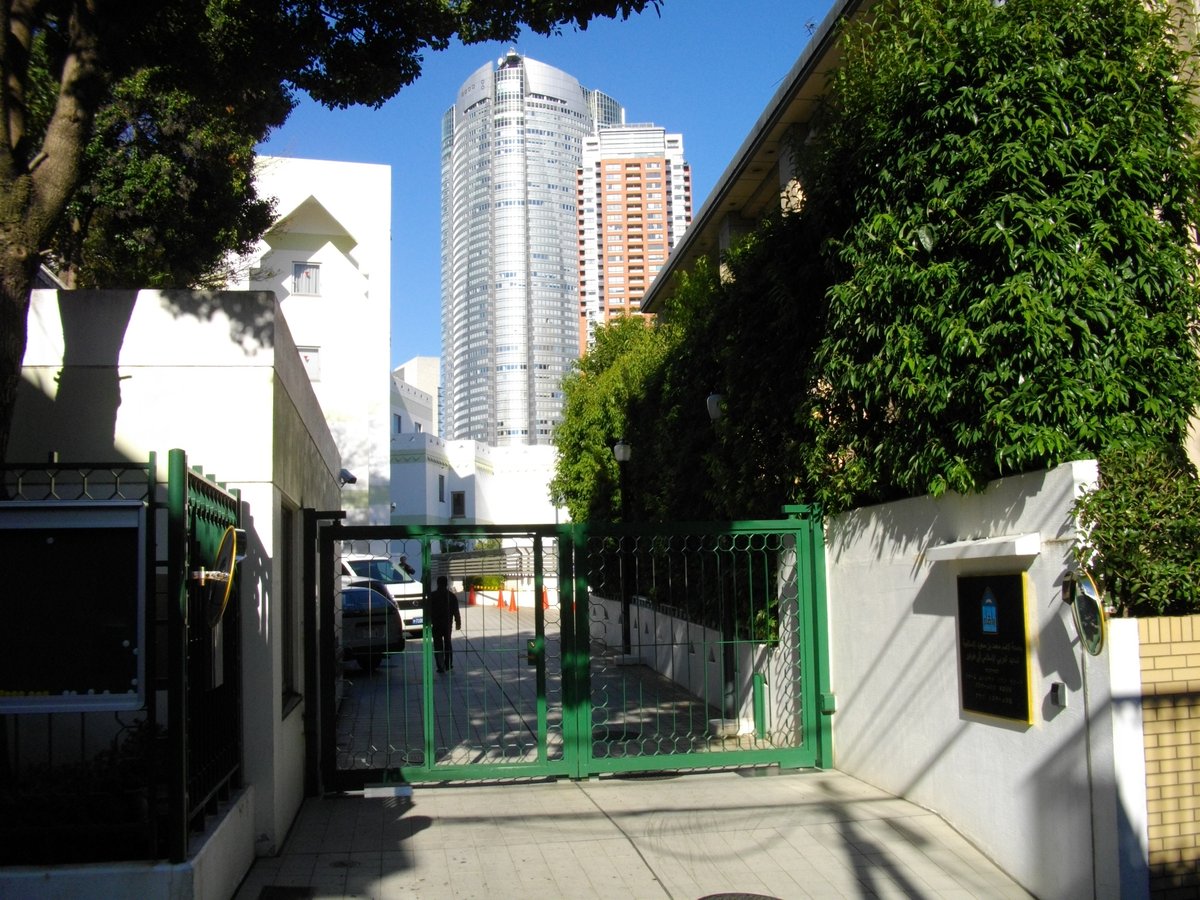
Azabudai Hills Crowns the Skyline
In November, the Mori JP Tower at Azabudai Hills opens at 330 meters — Japan's tallest building, the centerpiece of one of Tokyo's most ambitious urban redevelopments. The complex occupies a site where narrow lanes and aging low-rise buildings stood for decades in the shadow of Tokyo Tower. It takes Mori Building over thirty years to negotiate with every landowner. The result is a vertical neighborhood: residences, offices, a relocated teamLab Borderless, and a school, stacked into the sky. Tokyo's habit of reinvention continues.
Notable Figures
Katsushika Hokusai
1760–1849 · Ukiyo-e PainterHokusai moved residences more than 90 times within Edo, restless in a city that was itself reinventing itself around him. His *Great Wave off Kanagawa* was painted when he was 72, part of an obsessive late-career series that redefined how the world understood Japanese art. The Sumida district where he was born now has a small museum in his name — easy to miss, which feels about right.
Utagawa Hiroshige
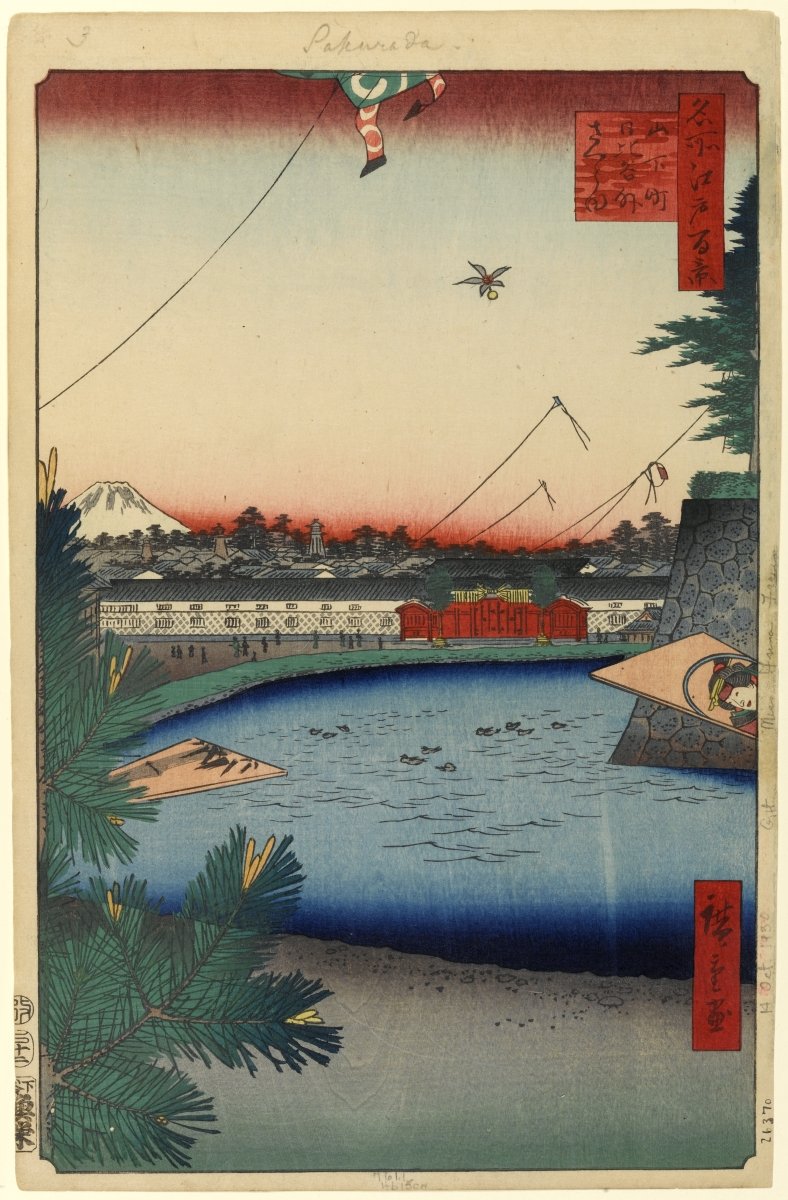
1797–1858 · Ukiyo-e Landscape ArtistHiroshige was born in Edo and spent his life trying to capture the city's light — rain on a bridge at night, snow on Nihonbashi, lanterns shimmering in the river. His *One Hundred Famous Views of Edo* became blueprints for Impressionism; Monet and Van Gogh both collected his prints obsessively. He died of cholera in 1858 during one of Edo's great epidemics, having remade how an entire civilization looked at landscape.
Natsume Sōseki
1867–1916 · NovelistSōseki was so central to Japanese literature that his face appeared on the 1,000-yen note for decades — a distinction usually reserved for statesmen. Born in what is now Shinjuku, he spent most of his life in Tokyo and wrote *Kokoro* (1914) in his final years, a novel about loneliness and obligation that still reads like a precise diagnosis of modern urban life. His former home in Waseda has been turned into a small museum.
Ryūnosuke Akutagawa
1892–1927 · Short Story WriterAkutagawa was born in central Tokyo and died by his own hand in Tabata at 35, leaving behind *Rashōmon* and *In a Grove* — the stories Kurosawa would later make into one of cinema's landmarks. Japan's most prestigious literary prize, the Akutagawa Prize, bears his name and is awarded twice yearly in Tokyo. His was a life that felt compressed, as if he already knew the city was moving faster than any one person could keep up.
Akira Kurosawa
1910–1998 · Film DirectorKurosawa was born in a Tokyo neighborhood now swallowed by office towers, and built his career at Toho Studios a few train stops away. *Seven Samurai*, *Ikiru*, *Ran* — films that rewired how directors in Hollywood and Europe understood cinema — were conceived and shot within the city's orbit. George Lucas and Francis Ford Coppola flew to Japan to plead for the budget that saved *Kagemusha*; that's the scale of what Tokyo produced.
Yasujirō Ozu
1903–1963 · Film DirectorOzu was born in Fukagawa and spent his career making quiet films about Tokyo families navigating the slow erosion of postwar certainties — low camera angles, long silences, tatami rooms, bullet trains glimpsed through windows. *Tokyo Story* (1953) is consistently ranked among the greatest films ever made, and it captures a city caught between obligation and escape with the precision of someone who loved it and couldn't look away.
Hayao Miyazaki
born 1941 · Animator & Film DirectorMiyazaki grew up in wartime Tokyo watching the city burn, and the tension between industrial destruction and the natural world never left his films. He co-founded Studio Ghibli in the Tokyo suburb of Koganei, where *My Neighbor Totoro*, *Princess Mononoke*, and the Oscar-winning *Spirited Away* were all made. The Ghibli Museum in nearby Mitaka is impossible to enter without booking months ahead — which, for once, is a fair measure of what's inside.
Ryuichi Sakamoto
1952–2023 · Composer & MusicianSakamoto was born in Nakano and built his early career in Tokyo as a co-founder of Yellow Magic Orchestra, whose synthesized pop in the late 1970s sounded like the city's future arriving ahead of schedule. He went on to win an Academy Award for *The Last Emperor* (1987), but never stopped being a product of Tokyo's restless fusion of tradition and technology. He died in Tokyo in 2023, and the quiet grief that followed said something about how deeply the city claims its own.
Plan your visit
Practical guides for Tokyo — pick the format that matches your trip.
Tokyo Audio Guide Routes That Save You Time
Planning Tokyo with limited time? Compare audio guide routes, price ranges, offline use, family options, and first-time loops before you book.
Tokyo Money-Saving Passes & Cards — What's Actually Worth It
Honest Tokyo pass guide: Grutto Pass, Subway 24-hour, JR Pass, Suica/PASMO. Real break-even math, scam warnings, when NOT to buy. Updated April 2026.
Tokyo First-Time Visitor Tips and Local Time-Savers
Sharp, local-style Tokyo tips for first-timers: what to prebook, what is free, where scams still happen, and the small moves that save real time.
Photo Gallery
Explore Tokyo in Pictures
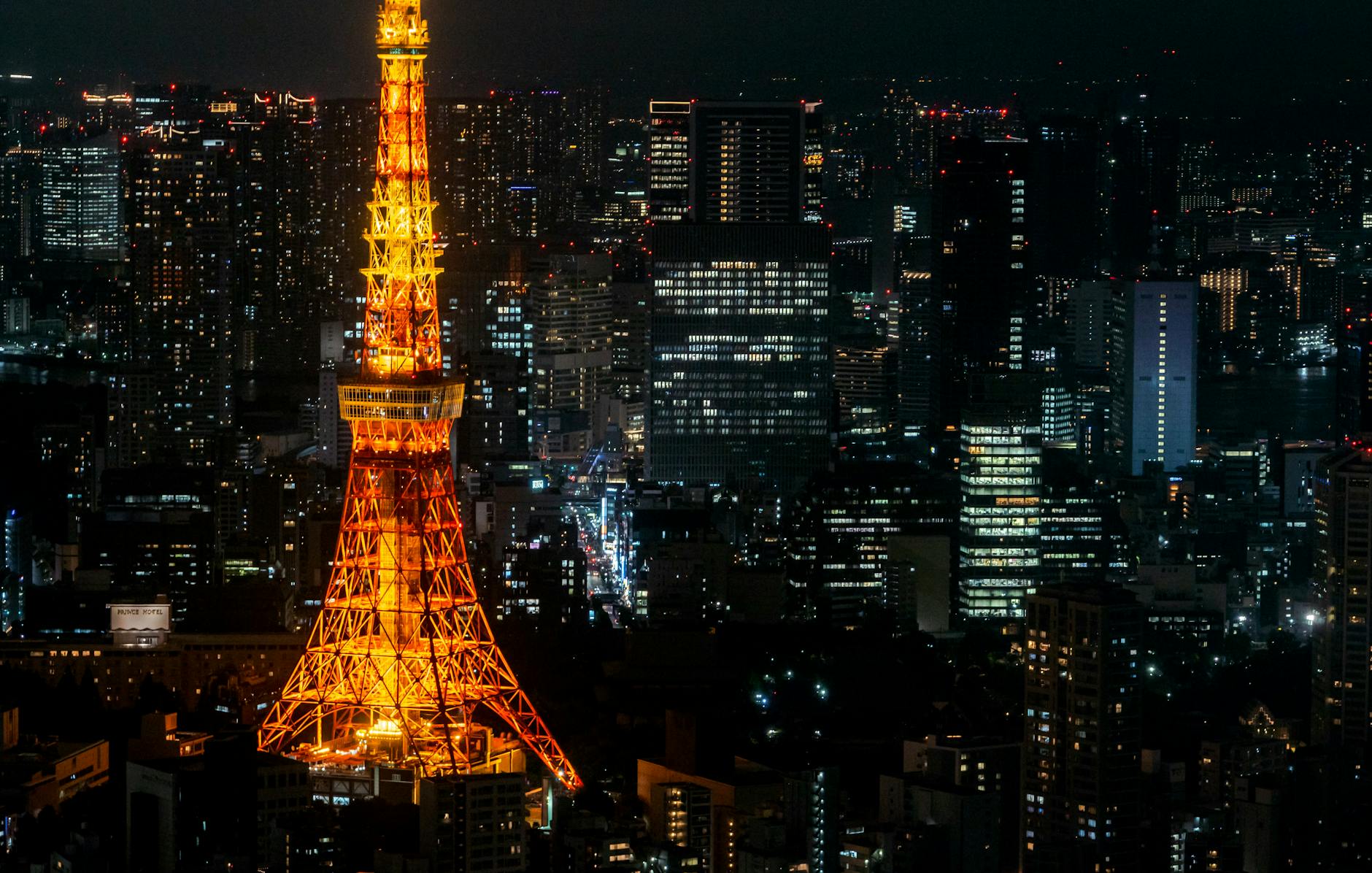
The iconic Tokyo Tower glows brilliantly against the sprawling, illuminated cityscape of Tokyo, Japan at night.
扬 卢 on Pexels · Pexels License
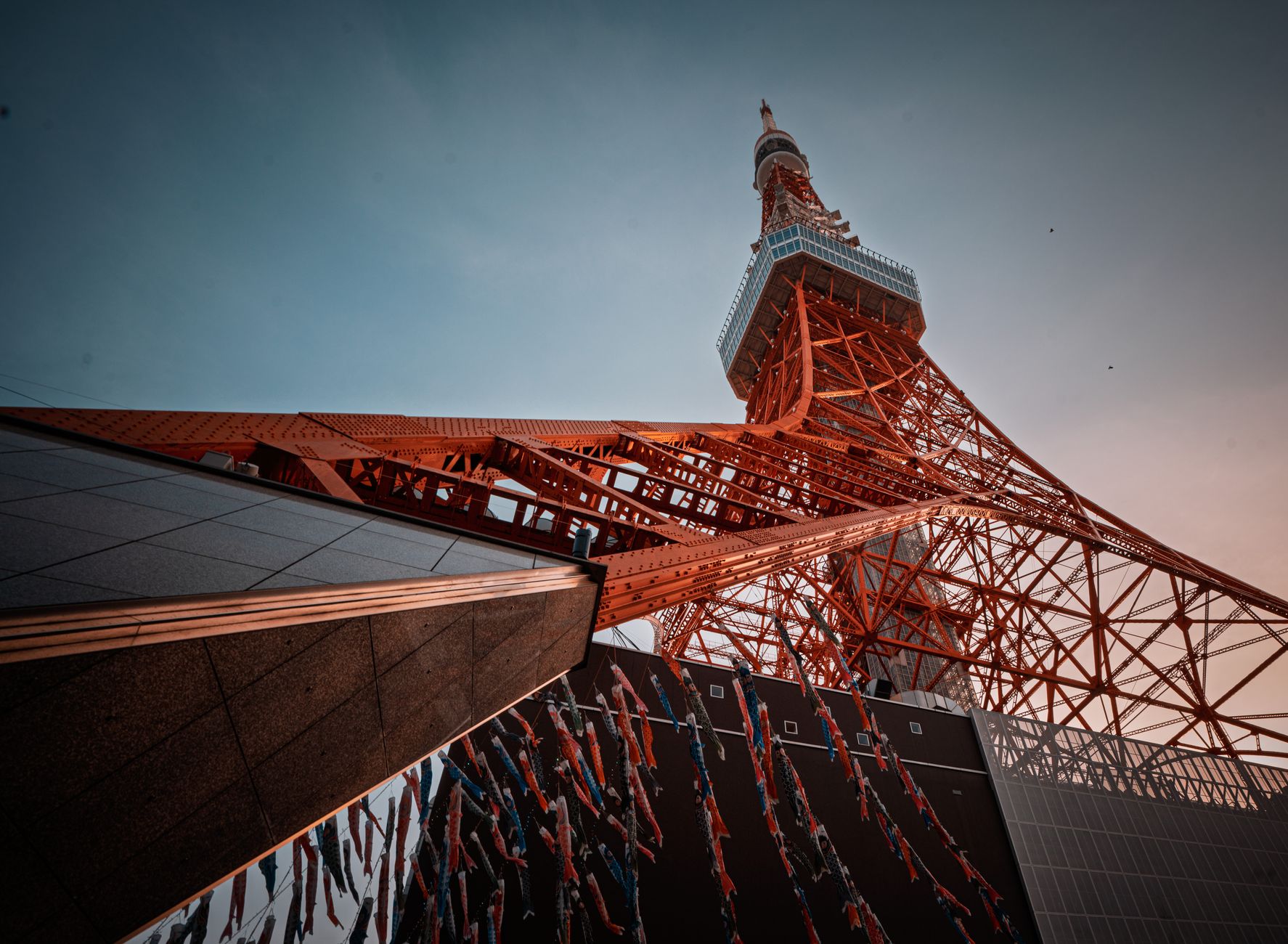
The iconic Tokyo Tower stands tall against a twilight sky, decorated with traditional koinobori carp streamers at its base.
Boris Ulzibat on Pexels · Pexels License
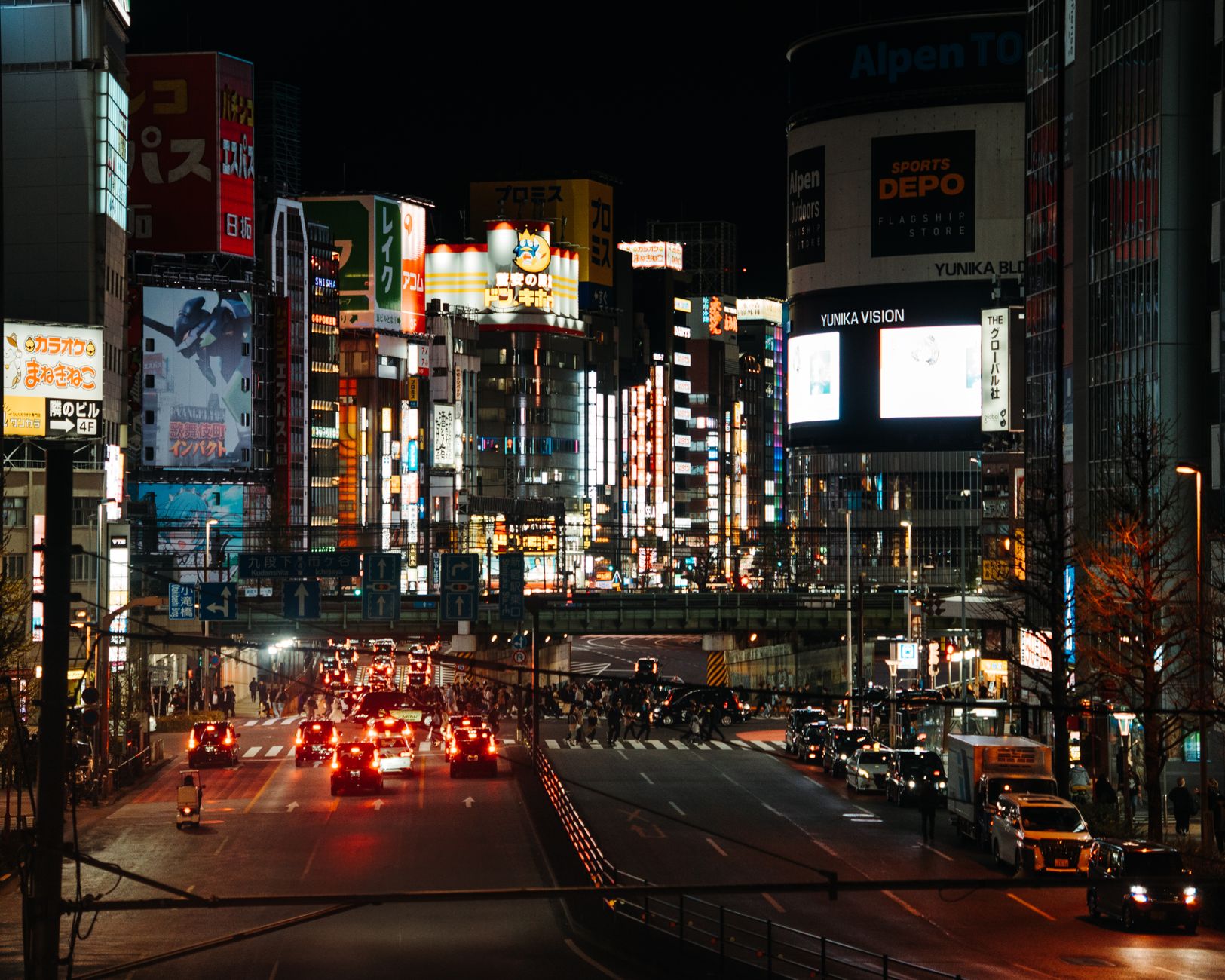
The bustling streets of Tokyo, Japan, come alive at night with a dazzling display of neon signs and flowing traffic.
Calvin Rasidi on Pexels · Pexels License
The Tokyo Skytree stands as a prominent landmark over the sprawling urban landscape of Tokyo, Japan.
Rin Gakusho on Pexels · Pexels License
Pedestrians walk beneath the iconic railway bridge in Tokyo, Japan, passing the bright storefronts of a Matsumoto Kiyoshi drug store and a GiGO arcade.
Sun Hung on Pexels · Pexels License
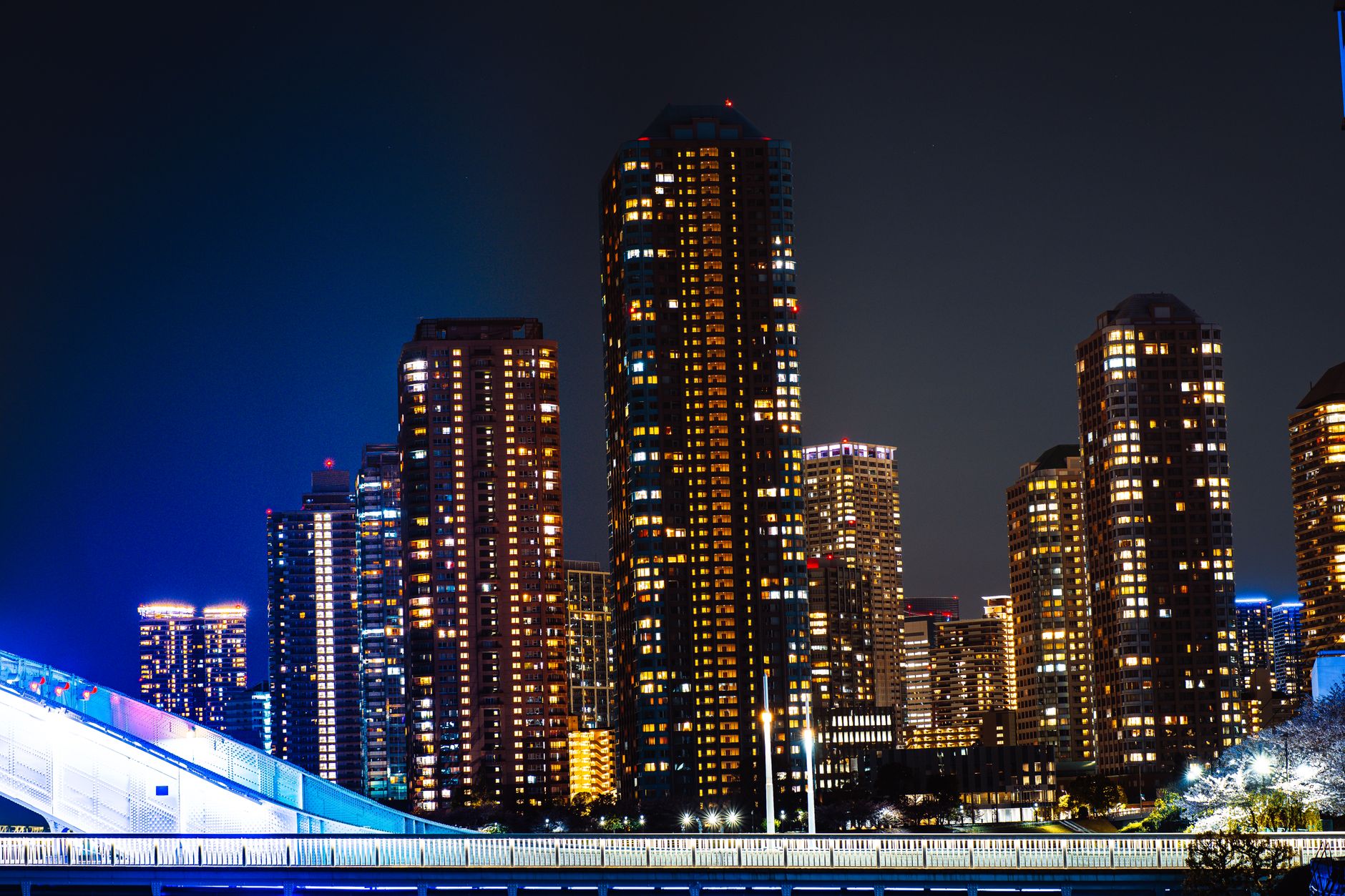
The vibrant Tokyo skyline glows at night, showcasing a dense cluster of modern skyscrapers reflected against the dark sky.
Szymon Shields on Pexels · Pexels License
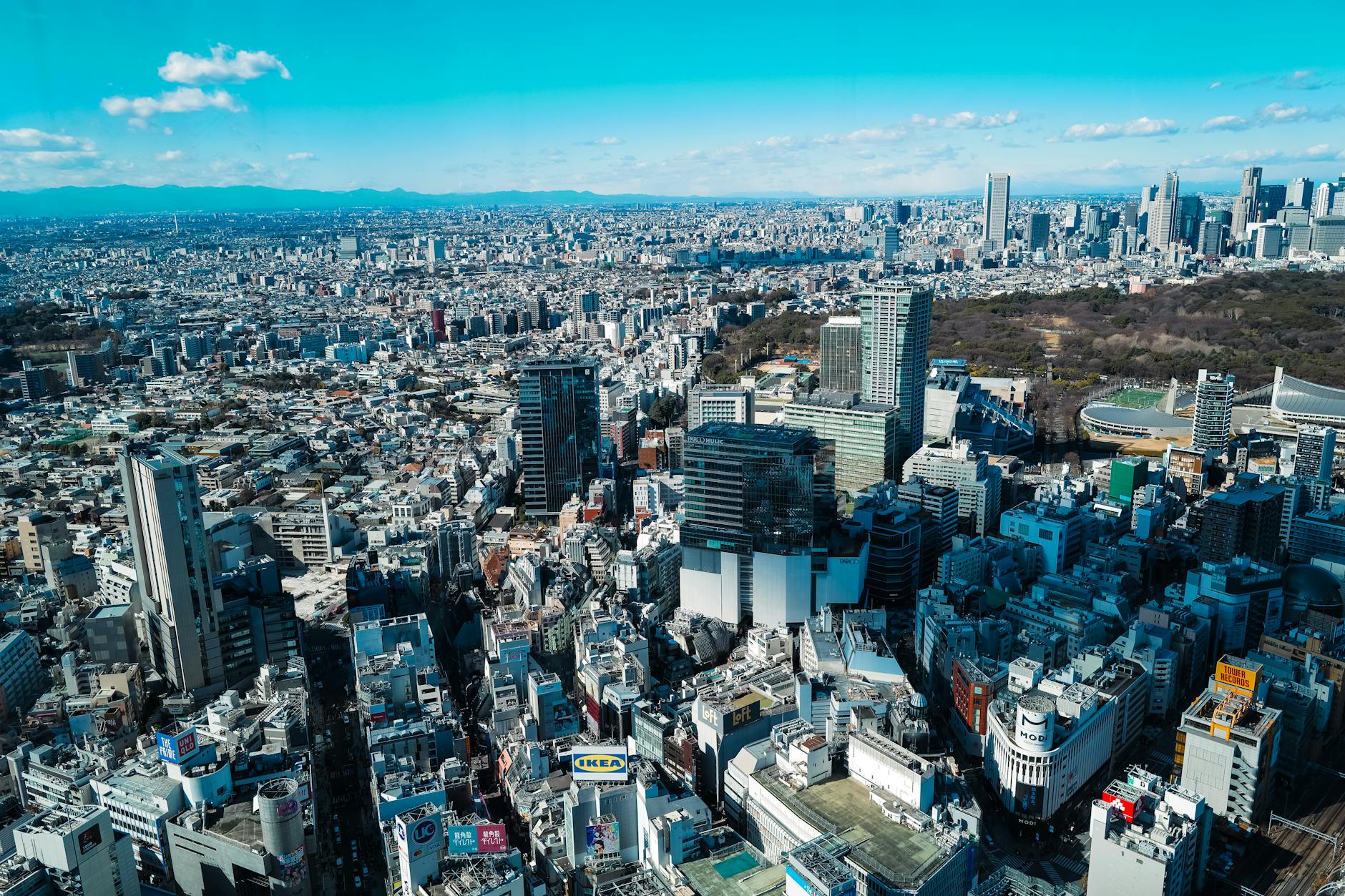
A stunning high-angle view of the sprawling Tokyo metropolis, highlighting the dense urban architecture of Shibuya and the lush greenery of Yoyogi Park.
Johnny Song on Pexels · Pexels License
A stunning aerial night view of Tokyo, Japan, showcasing the iconic Tokyo Tower glowing amidst the vast, illuminated urban landscape.
Andrey Grushnikov on Pexels · Pexels License
A stunning aerial perspective of the vibrant Shibuya Crossing in Tokyo, Japan, illuminated by bright neon signage and bustling city life.
Kuma Jio on Pexels · Pexels License
A breathtaking aerial perspective of Tokyo, Japan, as the city lights illuminate the dense urban landscape at dusk.
Luo Chris on Pexels · Pexels License
A stunning high-angle perspective of Tokyo, Japan, showcasing the contrast between the sprawling urban landscape and the expansive greenery of Yoyogi Park.
Laser Cheung on Pexels · Pexels License
The historic Senso-ji Temple glows brilliantly against the modern Tokyo skyline at night, showcasing a beautiful contrast between tradition and urban life.
Ehsan Haque on Pexels · Pexels License
Practical Information
Getting There
Two airports serve Tokyo. Haneda (HND), only 20 km south of the centre, connects via the Keikyu Line to Shinagawa in 13 minutes (¥310) or the Tokyo Monorail to Hamamatsucho in 18 minutes. Narita (NRT), 60–80 km east, is best reached by the Keisei Skyliner to Ueno (41 min, ¥2,570) or the Narita Express to Shinjuku/Shibuya (60 min, ¥3,070). Tokyo Station is the Shinkansen hub, with bullet trains to Kyoto (2h15), Osaka (2h30), and Hiroshima (4h).
Getting Around
Tokyo's subway comprises 13 lines across two operators — Tokyo Metro (9 lines) and Toei (4 lines) — supplemented by the JR Yamanote loop that hits every major district. Get a Suica or Pasmo IC card (available via Apple Pay/Google Pay; physical cards may still be limited in 2026) and tap everywhere: trains, buses, convenience stores. The Tokyo Subway 24/48/72-hour ticket (¥1,000/¥1,200/¥1,500, sold at airports) covers all Metro and Toei lines and pays for itself quickly.
Climate & Best Time
Summers are brutally humid (Jul–Aug averages 29–31°C with 150+ mm rain and typhoon risk); winters are cold but dry and bright (Jan highs around 10°C, minimal rain). The two golden windows are late March through April for cherry blossoms (expect crowds and higher prices) and October through November for autumn foliage and comfortable 17–22°C days. January and February offer the clearest skies, cheapest flights, and near-empty temples.
Language & Currency
Station signage and announcements are in English throughout; outside transit, English is hit-or-miss, so download Google Translate's offline Japanese pack for camera mode on menus and signs. The yen (¥) trades around ¥150/USD — carry ¥10,000–¥20,000 cash, as many small restaurants and shrines are cash-only. 7-Eleven ATMs (Seven Bank) reliably accept foreign cards with English menus. Tipping is not practiced and can cause genuine confusion.
Safety
Tokyo is among the safest large cities in the world — forgotten wallets are routinely returned, violent crime against tourists is vanishingly rare. The two areas requiring mild awareness are Kabukicho in Shinjuku, where touts steer tourists into overpriced bars, and some Roppongi nightlife spots where drink-spiking has been reported. Download the Japan Tourism Agency's Safety Tips app for earthquake early warnings pushed directly to your phone.
Where to Eat
Don't Leave Without Trying
Yona Yona Beer Works (Shinjuku East)
local favoriteOrder: Yona Yona Ale on draft alongside the karaage — the brewery's flagship pale ale is half the reason you're here
Yona Yona Brewing Co. out of Nagano is the brewery that convinced Japan craft beer was worth taking seriously. This basement taproom is where the Shinjuku after-work crowd actually goes — lively, loud, and exactly right.
Sururi
local favoriteOrder: The lunch set — a proper teishoku with rice, miso soup, and pickles that disappears fast once the noon crowd arrives
A second-floor hideout above the neon chaos of Kabukicho that feels completely removed from it. Regulars pack this place for unpretentious Japanese home cooking at prices that seem almost apologetic.
Cafe Aaliya
cafeOrder: Hand-drip coffee and a morning toast set — the Japanese kissaten breakfast ritual at its most unassuming
Tucked in a basement below Shinjuku's retail sprawl, Aaliya is the kind of old-school coffee den that Tokyo keeps threatening to lose. The regulars nurse their pour-overs for hours without anyone rushing them.
Karaoke Pasela Shinjuku Honten
local favoriteOrder: The honey toast — a hollowed brioche loaf filled with ice cream and whipped cream that Pasela made famous, ideally consumed between songs at 1am
Pasela takes karaoke seriously as a dining experience, not just a drinking game. The food menu is genuinely good, the rooms are clean and spacious, and it's one of the most welcoming spots in Kabukicho for first-timers.
Hotel Century Southern Tower
cafeOrder: Afternoon tea or a window-side coffee — the 20th-floor views over Shinjuku and toward Mount Fuji on clear days are worth the premium
The lobby cafe here punches well above a hotel coffee shop because of the floor-to-ceiling glass overlooking the south side of Shinjuku Station. More locals than tourists, and the view is genuinely spectacular at dusk.
BOUL'ANGE Shinjuku Southern Terrace
quick biteOrder: The melon pan and any seasonal croissant — BOUL'ANGE does the French-Japanese bakery crossover better than most, with fillings that change monthly
Sitting on the open-air Southern Terrace with a pastry and a view of the Shinjuku skyline before 9am is one of the better quiet moments this neighborhood allows. The bread quality is consistently high for a chain.
KICHIRI MOLLIS Shinjuku-dori
local favoriteOrder: The craft beer flight paired with Japanese small plates — the lunch teishoku set is exceptional value on the 6th floor above Shinjuku-dori
MOLLIS is Kichiri's elevated concept, marrying craft beer culture with proper Japanese washoku in a comfortable space that bridges office lunch and after-work izakaya. The rooftop-adjacent 6th floor location gives it an unexpectedly breezy feel.
Blue Bottle Coffee - Shinjuku Cafe
cafeOrder: Single-origin pour-over and the seasonal latte — the Japanese team takes the sourcing more seriously than the US mothership does
Blue Bottle's Japan operation has quietly become the better version of itself — local roasters, stricter QC, and a crowd that actually knows what it's drinking. The NEWoMan location is calmer than most Shinjuku options and steps from the station.
All Day Dining Jurin
fine diningOrder: The breakfast buffet — the Japanese spread (grilled fish, tamagoyaki, miso, pickles) alongside a full Western option is one of the better hotel morning spreads in Nishi-Shinjuku
Keio Plaza is one of Shinjuku's original skyscraper hotels and Jurin has fed serious business travelers for decades. The all-day format means it absorbs lunch crowds without fuss, and the view from the upper floors is worth lingering over.
Coffee Aristocrat Edinburgh
local favoriteOrder: Deep-roasted blend coffee and the morning toast set at any hour — this is 24-hour kissaten culture at its most committed
Edinburgh is the kind of place that exists nowhere outside Japan: a 24-hour old-school coffee shop where the lighting is low, the booths are private, and nobody asks why you're there at 4am with a notebook. A genuine Tokyo institution.
Ginza Lion Beer Hall Shinjuku Branch
local favoriteOrder: Sapporo draft (this is Sapporo's house bar) with a sausage platter — the beer pours here are textbook, slow two-stage head and all
The Ginza Lion chain has been pouring beer in Tokyo since 1934, and this Shinjuku branch carries that same brasserie-hall DNA. Loud, communal tables, and a crowd that ranges from post-work salarymen to tourists who stumbled in and decided to stay.
Coffee Seibu
cafeOrder: Coffee jelly float or a hot blend — old-school Kabukicho kissaten that's been absorbing night-shift workers and early risers without judgment for years
On the second floor of Hanamichi Tokyo in the heart of Kabukicho, Coffee Seibu is a quiet anomaly — a calm, old-fashioned coffee shop that somehow coexists with one of the loudest entertainment districts in Asia. Late nights here feel cinematic.
Dining Tips
- check Never tip — it is genuinely considered rude. Service charges are included and servers take pride in their work without gratuity expectations.
- check Slurping noodles loudly is correct etiquette, not rudeness — it aerates the broth and is a compliment to the cook.
- check Lunch sets (teishoku orランチセット) at good restaurants run 40–60% cheaper than dinner. Michelin spots included.
- check Many ramen and gyoza counters use ticket vending machines at the entrance — buy your ticket before sitting, not after.
- check Cash remains king at older kissaten, yakitori alleys, and neighborhood izakayas. Carry at least ¥5,000 in small bills.
- check Reservations at serious restaurants often require a Japanese phone number or go through Pocket Concierge / TableCheck — book 2–4 weeks out for anything Michelin-adjacent.
- check Last-order time (ラストオーダー) is typically 30–60 minutes before closing. Arriving at 9:55pm for a 10pm close will not go well.
- check Solo dining is completely normal and well-catered for — many counters are designed exactly for it. Don't hesitate to dine alone.
Restaurant data powered by Google
Tips for Visitors
Get a Suica Card
Load a Suica or Pasmo IC card at any station machine — it works on every train, bus, and at most convenience stores, making cash handling largely unnecessary for day-to-day transit.
Use 7-Eleven ATMs
7-Eleven's Seven Bank ATMs accept virtually all foreign cards and have English menus — far more reliable than regular bank ATMs, which often refuse international cards entirely.
Eat Ramen Early
The best ramen shops open at 11am and sell out by 2pm — arrive at opening on a weekday to eat without queueing, exactly as serious locals do.
Never Tip
Tipping is not practiced in Japan and can cause genuine confusion or offense — the service charge is included, and leaving extra money may be quietly returned to you.
Walk Into Golden Gai
Shinjuku's Golden Gai has 200+ micro-bars each seating 5–10 people; just walk in anywhere with an open door and a welcoming look — most charge a small cover of ¥500–¥1,000.
Visit in Autumn
October and November offer Tokyo's best weather — comfortable temperatures, spectacular fall foliage, and far fewer crowds than the cherry blossom peak in late March and early April.
Tsukiji Before 9am
The Tsukiji Outer Market is at its best between 7–9am on weekdays — fresh oysters, tuna sashimi, and hot tamagoyaki eaten standing up, before tourist crowds arrive and stalls begin closing.
Watch Roppongi Bars
Roppongi's nightlife is fun but drink-spiking incidents targeting tourists have been reported in some bars — stick to reputable venues and never accept drinks from strangers.
Explore the city with a personal guide in your pocket
Your Personal Curator, in Your Pocket.
Audio guides for 1,100+ cities across 96 countries. History, stories, and local insight — offline ready.
Audiala App
Available on iOS & Android
Join 50k+ Curators
Frequently Asked
Is Tokyo worth visiting? add
Absolutely — Tokyo is one of the most rewarding cities on earth, combining a transport network of extraordinary precision with more Michelin-starred restaurants than any other city. The gap between expectation and reality closes fast: the convenience stores alone would keep most tourists fed and entertained for days. Few cities manage to be simultaneously ancient and relentlessly contemporary.
How many days do I need in Tokyo? add
Five to seven days is the sweet spot for a first visit — enough for the major neighborhoods (Asakusa, Shinjuku, Shibuya, Harajuku, Akihabara, Ueno) without rushing. Three days is possible but leaves you feeling like you've only seen the surface. A week reveals the city's quieter pleasures: the shotengai shopping streets, the riverside walks, the tucked-away kissaten coffee houses.
How do I get from Narita Airport to central Tokyo? add
The Narita Express (N'EX) reaches Shinjuku in about 60 minutes for ¥3,070 — JR Pass holders travel free. The Keisei Skyliner is faster to Ueno (41 minutes, ¥2,570) if you're staying in eastern Tokyo. Budget travelers can take the Keisei Limited Express for ¥1,330 in around 80 minutes. Avoid taxis for this journey — they cost ¥20,000–¥30,000.
How do I get from Haneda Airport to Tokyo? add
Haneda is far closer to the city than Narita. The Keikyu Line reaches Shinagawa in 13 minutes for ¥310–620; the Tokyo Monorail reaches Hamamatsucho (with Yamanote Line connection) in about 18 minutes for ¥500. Taxis from Haneda cost ¥6,000–¥12,000 and are a reasonable option if you're traveling with heavy luggage.
Is Tokyo safe for tourists? add
Tokyo is one of the world's safest major cities — violent crime against tourists is extremely rare, and forgotten wallets are routinely returned. The main exceptions are Kabukicho in Shinjuku, where aggressive touts steer tourists toward overpriced hostess bars, and Roppongi, where isolated drink-spiking incidents have been reported in some bars. Both areas are otherwise safe to walk through.
How much does Tokyo cost per day? add
Tokyo is more affordable than its reputation suggests. Budget travelers eating at ramen shops, gyudon chains, and convenience stores can manage on ¥3,000–¥5,000 per day for food alone. A realistic mid-range daily budget including dining, transit, and occasional admission fees is ¥10,000–¥20,000 (roughly $65–$130 USD). Major attractions range from free (Senso-ji temple grounds, Imperial Palace East Gardens) to ¥3,100 for Tokyo Skytree's upper deck.
Do I need to speak Japanese to visit Tokyo? add
No — English signage is excellent throughout all train stations, airports, and major tourist sites. Google Translate's camera mode handles menus and street signs effectively offline (download the Japanese language pack in advance). Most convenience store staff and tourist-area restaurants can manage basic English; the app fills the gaps everywhere else.
What is the best time of year to visit Tokyo? add
Autumn (October–November) offers the best combination of comfortable temperatures, lower crowds than spring, and spectacular koyo (fall foliage). Cherry blossom season (late March to early April) is Tokyo at its most beautiful but also its most crowded, with accommodation prices spiking sharply. Avoid June through August unless you're prepared for intense heat, high humidity, and occasional typhoons.
Is cash necessary in Tokyo? add
Yes — cash is still essential. Many traditional restaurants, smaller shops, shrines, and vending machines are cash-only. Carry ¥10,000–¥20,000 at all times, and withdraw from 7-Eleven's Seven Bank ATMs, which reliably accept international cards. Credit cards are accepted at most hotels and chain restaurants; the gap is closing, but Japan remains a cash-first society outside major retailers.
Sources
- verified Tokyo Metro — Official Maps & Passes — Subway maps, fare information, and tourist pass options including the 24/48/72-hour Tokyo Subway Ticket
- verified Go Tokyo — Official Tokyo Tourism — Official city tourism portal; used for attraction listings, neighborhood guides, and seasonal event information
- verified Narita Airport — Access Guide — Official train, bus, and taxi options and fares from Narita International Airport to central Tokyo
- verified Haneda Airport — Access Guide — Transport options from Tokyo International Airport (Haneda) including Keikyu Line, Monorail, and bus fares
Last reviewed: