Plan and listen to Shigino Station with Audiala.
Audio guide in your pocket, itinerary in your browser. Built for the way you actually visit.
Introduction
Shigino Station (鴫野駅, Shigino-eki) is a vital transit hub in Jōtō-ku, Osaka, seamlessly connecting the city's eastern neighborhoods to the broader Osaka metropolitan area. Since its opening in 1933, the station has transformed from a modest commuter stop into a modern interchange, integrating JR West’s Gakkentoshi (Katamachi) Line, Osaka Higashi Line, and the Osaka Metro Imazatosuji Line. Its strategic position and multi-line connectivity make it an essential gateway for residents, commuters, and tourists alike, providing easy access to major attractions such as Osaka Castle and the evolving Grand Green Osaka district.
With recent modernization—spurred by preparations for the Osaka-Kansai Expo 2025—Shigino Station now boasts enhanced accessibility, including elevators, escalators, tactile paving, and multilingual signage. The station operates daily from approximately 5:00 a.m. to midnight, offering a variety of ticketing options, including single-ride tickets and IC cards like ICOCA and PiTaPa. Beyond being a transportation node, Shigino Station introduces visitors to authentic Osaka culture through its surrounding eateries, parks, and shrines.
This comprehensive guide covers Shigino Station’s history, facilities, accessibility features, nearby attractions, travel tips, and recent urban developments. For real-time updates and detailed planning, refer to the Osaka Metro official website and the JR West global site.

Early Development and Strategic Role
Established in 1933, Shigino Station played a crucial role in linking residential districts to Osaka’s commercial and industrial areas during the city's rapid urban growth. Following World War II, it further supported Osaka’s recovery, facilitating both commuter and freight transport.
Integration into the Osaka Metro Network
The station’s integration with the Osaka Metro Imazatosuji Line in 1990 elevated its status to a major interchange, spurring urban redevelopment and increasing connectivity between JR West and subway lines. This development transformed Shigino from a commuter stop into a vibrant neighborhood hub.
Modernization and Accessibility Improvements
Modern upgrades have focused on barrier-free access—installing elevators, escalators, tactile paving, and accessible restrooms—while extending platforms for longer trains. Multilingual signage and enhanced lighting cater to a rising influx of international visitors, especially ahead of Expo 2025.
Visitor Information
Visiting Hours
Shigino Station is generally open from 5:00 a.m. to midnight daily. Some line services or ticket offices may have slightly different operating hours, so check current timetables before travel (Osaka Metro Route Map).
Ticketing Information
- Ticket Types: Single-ride tickets, IC cards (ICOCA, PiTaPa, Suica, PASMO)
- Where to Buy: Ticket vending machines and kiosks in the station
- Special Tourist Passes: Day passes and discount tickets are available for extensive Osaka travel (Osaka Metro Ticketing)
- Payment: IC cards offer contactless convenience across JR and Metro lines
Accessibility
The station features elevators, escalators, tactile paving, and accessible restrooms. Staff assistance is available on request. Priority seating and women-only cars operate during rush hours (Osaka Metro Accessibility).
Travel Tips
- Avoid Crowds: Visit outside peak commuting hours (7:30–9:30 a.m. and 5:00–7:00 p.m.)
- Navigation: Bilingual signage and station numbering (JR-H40 for JR West, I22 for Metro) make transfers straightforward
- Photography: Modernized platforms and urban surroundings provide excellent photo opportunities
Navigating Shigino Station
Lines and Layout
- JR West Section: Four tracks with two side platforms and one island platform (Gakkentoshi and Osaka Higashi Lines)
- Osaka Metro Section: Underground island platform (Imazatosuji Line) with platform screen doors
Transfers
Transferring between JR and Metro requires exiting one fare zone and entering another. Clear, color-coded signage (green for JR, orange for Metro) makes navigation easy.
Ticketing and IC Card Use
- IC Cards: ICOCA, PiTaPa, Suica, PASMO accepted
- Single-Ride Tickets: English instructions at self-service machines
- Tourist Passes: Consider the Osaka e-Pass Premium or Kansai Mini Pass for unlimited rides
Facilities and Passenger Services
- Multilingual ticket machines and commuter pass counters
- Clean, accessible restrooms and baby-care facilities
- Coin lockers for luggage storage
- Convenience stores and vending machines
- Free public Wi-Fi and public telephones
- Security cameras and staffed assistance
Exploring the Shigino Neighborhood
Local Atmosphere
Shigino’s neighborhood is a blend of residential calm and commercial vibrancy. Local eateries and shops offer an authentic Osaka experience.
Culinary Highlights
- Takoyaki: Octopus-filled street snack
- Okonomiyaki: Savory pancake with a variety of fillings
- Kushikatsu: Deep-fried skewers, a local favorite
Many restaurants have English menus for international visitors.
Cultural Etiquette Tips
- Stand on the right side of escalators to let others pass on the left (Osaka custom)
- Keep conversations quiet on trains and platforms
- Smoking is only permitted in designated zones
Nearby Attractions and Points of Interest
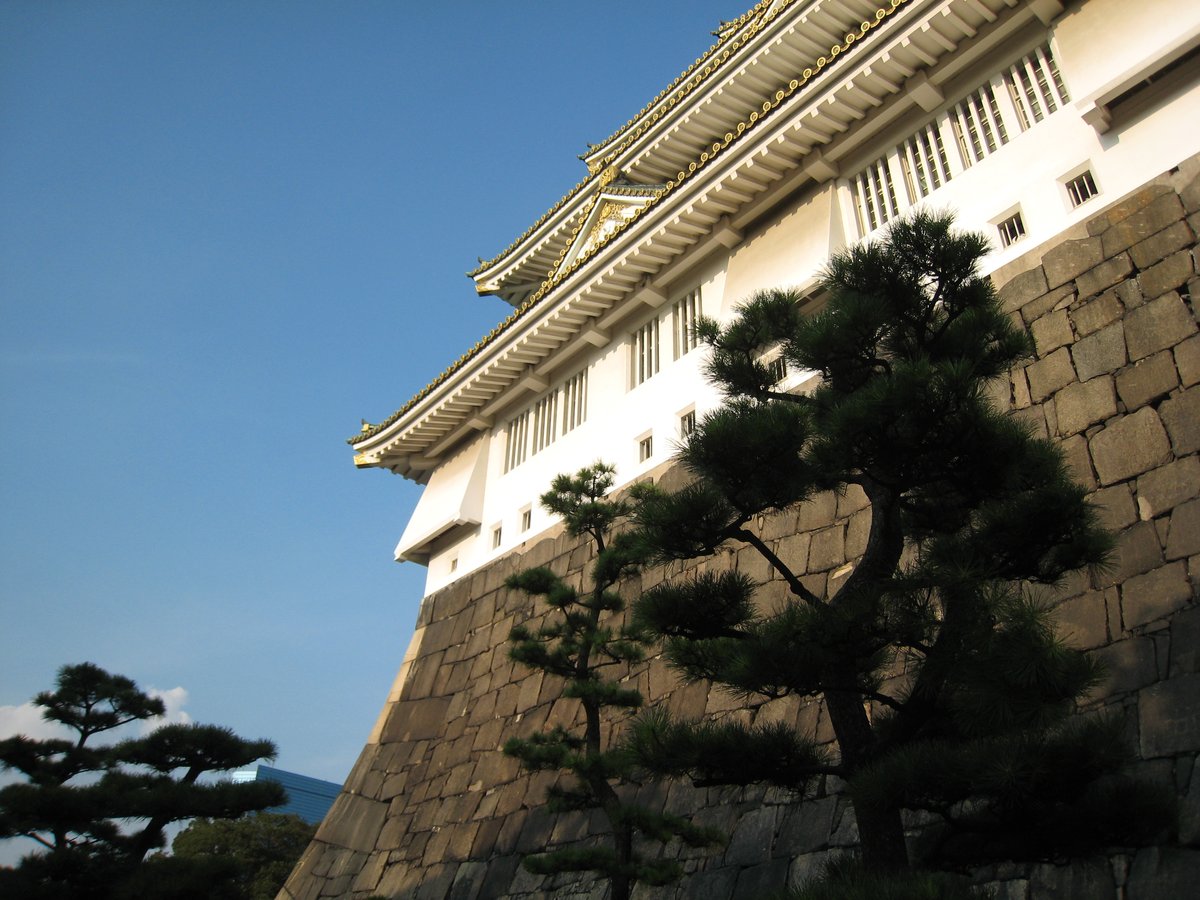
- Osaka Castle Park: Historic site with museum and gardens; a short train ride away via the JR Gakkentoshi Line
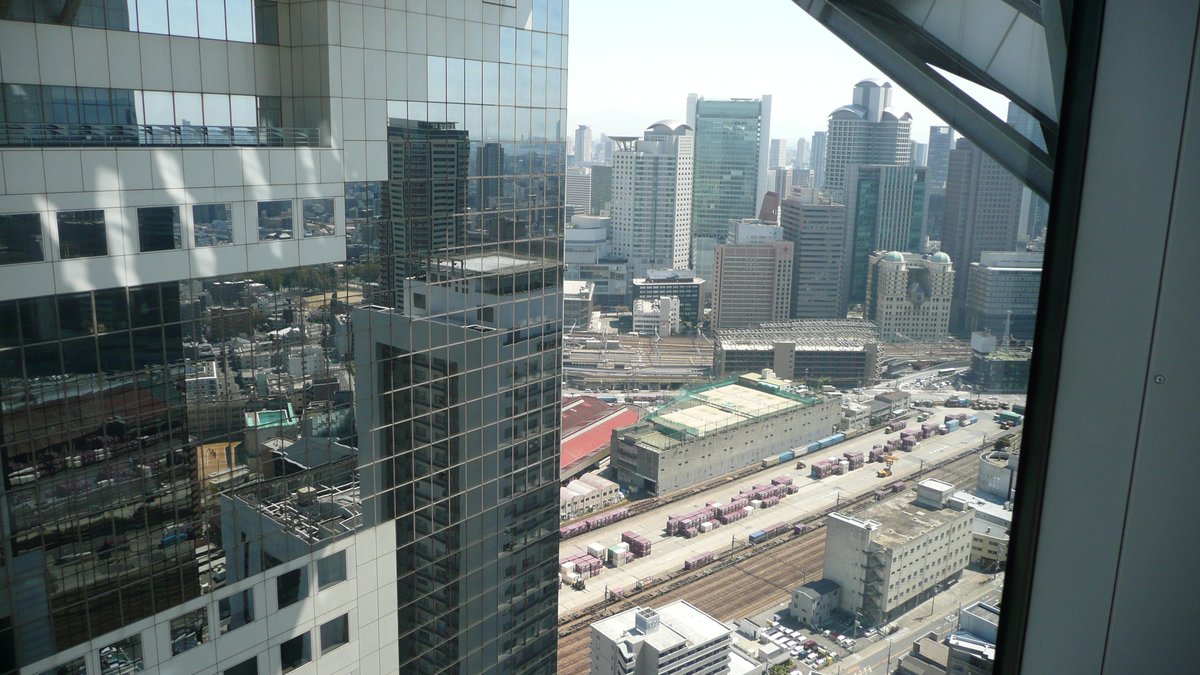
- Grand Green Osaka (Umekita Phase 2): Urban redevelopment area with shopping, dining, and green spaces
- Shigino Shrine: Neighborhood shrine offering insight into local traditions
- Morinomiya Piloti Park: Peaceful green space near the station
Visiting Hours and Ticket Information for Major Sites
- Osaka Castle: 9:00 a.m.–5:00 p.m. (last entry 4:30 p.m.), ¥600 for adults (Osaka Castle Official Website)
- Shigino Shrine: Open daily 6:00 a.m.–6:00 p.m., free admission
Recent Developments and Urban Redevelopment
Expansion of Rail Connectivity
The forthcoming Naniwasuji Line (opening 2031) will further enhance north-south travel, increasing Shigino’s significance as a major interchange (Travesia Osaka Insights).
Impact of the Osaka-Kansai Expo 2025
Upgrades in anticipation of Expo 2025 include expanded platforms, improved wayfinding, and enhanced passenger services.
Neighborhood Revitalization
Pedestrian-friendly spaces, mixed-use buildings, and expanded green areas have revitalized the station area, supporting both community life and sustainable travel.
Technological Advancements
Contactless payment, real-time train updates, and multilingual digital support streamline journeys for all passengers.
Practical Tips for Visitors
- Luggage: Coin lockers available near main exits
- Restrooms: Clean and accessible, located near ticket gates
- Wi-Fi: Public Wi-Fi is provided, with easy registration
- Travel Apps: Google Maps and Japan Transit Planner support station numbering and color codes
Safety and Security
Shigino Station is equipped with security cameras, clear emergency instructions in Japanese and English, and multiple exits for disaster preparedness (Osaka Metro Safety Measures).
Sustainable Travel and Future Developments
Shigino Station’s upgrades reflect Osaka’s push for sustainable, accessible public transport, especially with Expo 2025 and the Naniwasuji Line expansion on the horizon.
FAQ
Q: What are Shigino Station's hours?
A: Generally 5:00 a.m.–midnight; check specific line schedules for details.
Q: How do I purchase tickets?
A: Use ticket machines or kiosks; IC cards like ICOCA and PiTaPa are accepted.
Q: Is the station accessible?
A: Yes; elevators, tactile paving, and accessible restrooms are available.
Q: How do I get to Osaka Castle from Shigino?
A: Take the JR Gakkentoshi Line to Morinomiya Station, then walk about 10 minutes.
Q: Are there luggage storage options?
A: Coin lockers are available at the station.
Q: Are there guided tours for nearby attractions?
A: Yes, Osaka Castle offers guided tours.
Listen to the full story in the app
The whole Shigino Station,
told well.
Audio guides for 1,100+ cities across 96 countries. History, stories, and local insight — offline ready.
Verified, and shown.
Researched and written by the Audiala editorial team from historical records, architectural archives, and local expertise.
Researched from Wikidata, Wikipedia & official sources · fact-checked · How we make our guides →