Plan and listen to Kyōbashi with Audiala.
Audio guide in your pocket, itinerary in your browser. Built for the way you actually visit.
Introduction
Kyōbashi, located in the eastern part of central Osaka, is a captivating district where the city's vibrant present meets its storied past. From ancient marshlands and Edo-period commerce to postwar recovery and contemporary multicultural flair, Kyōbashi offers travelers an immersive experience of Osaka’s layered history, rich heritage, and dynamic urban life. This guide provides comprehensive details on historical context, visiting hours, ticketing, accessibility, must-see attractions, local customs, and insider travel tips—ensuring a rewarding visit for every explorer (osaka.com; osaka-info.jp).

Kyōbashi’s Historical Significance
Kyōbashi’s evolution mirrors that of Osaka itself. Once a marshy landscape in the Yayoi Period, the area gradually became a center of rice cultivation, then a strategic crossing and commercial hub during the Edo Period. Its proximity to Osaka Castle and the Yodo River made it vital for trade, transport, and culture (osaka-info.jp).
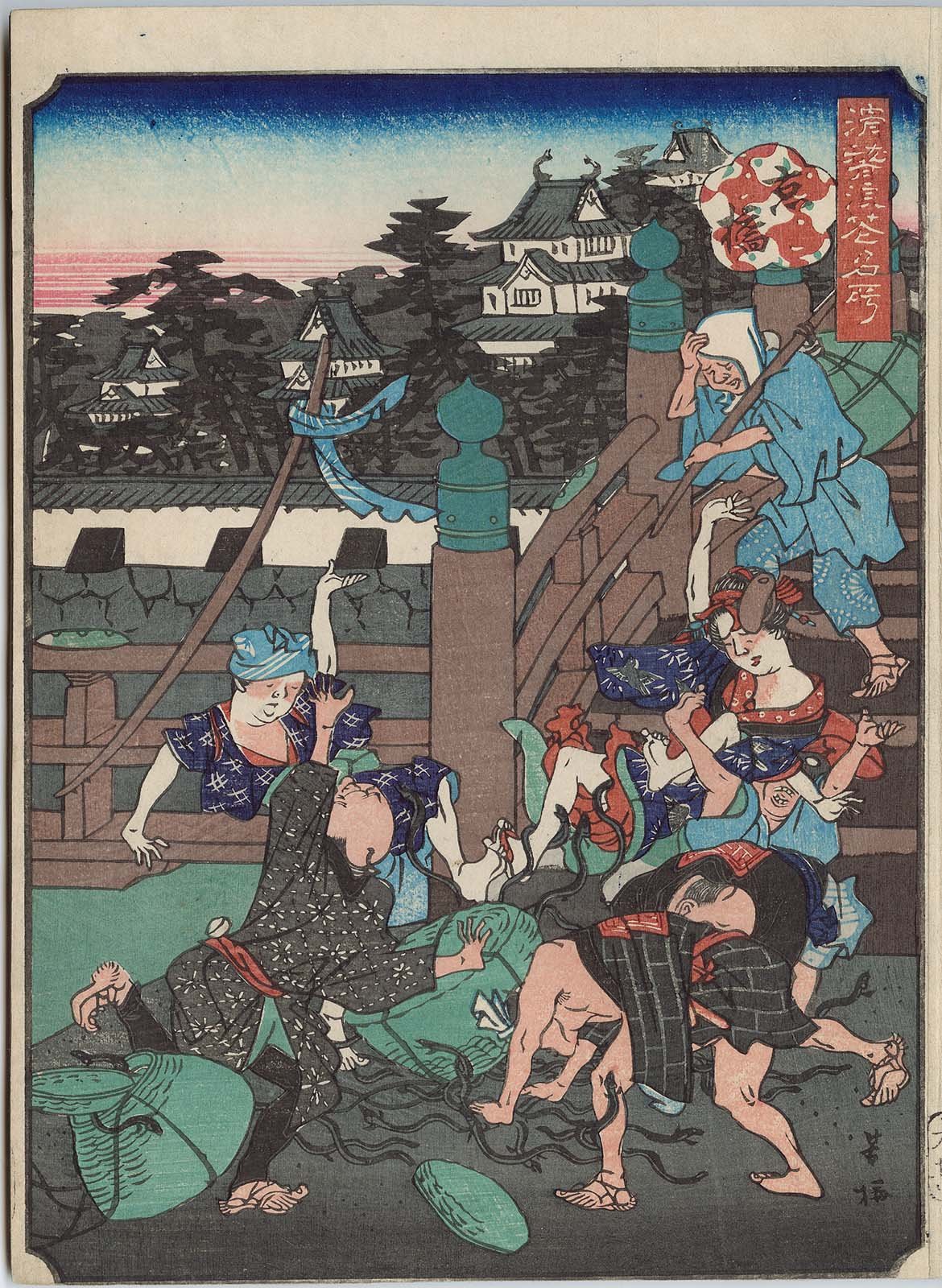
The district’s name, meaning "Capital Bridge," reflects its historic role as a key crossing linking Osaka Castle with the eastern provinces (city.osaka.lg.jp). Kyōbashi’s integration into major railway lines during the Meiji era propelled it into a new era as a bustling transport and commercial hub (wikipedia).
Origins and Geographic Context
Kyōbashi’s early environment was defined by rivers, fertile plains, and strategic waterways. The area’s transformation from wetlands to arable land underpinned Osaka’s rise as a trading and political center in ancient Japan. Its position at the confluence of the Seto Inland Sea and major rivers made it a gateway for both commerce and cultural exchange (osaka.com).
Edo Period Development
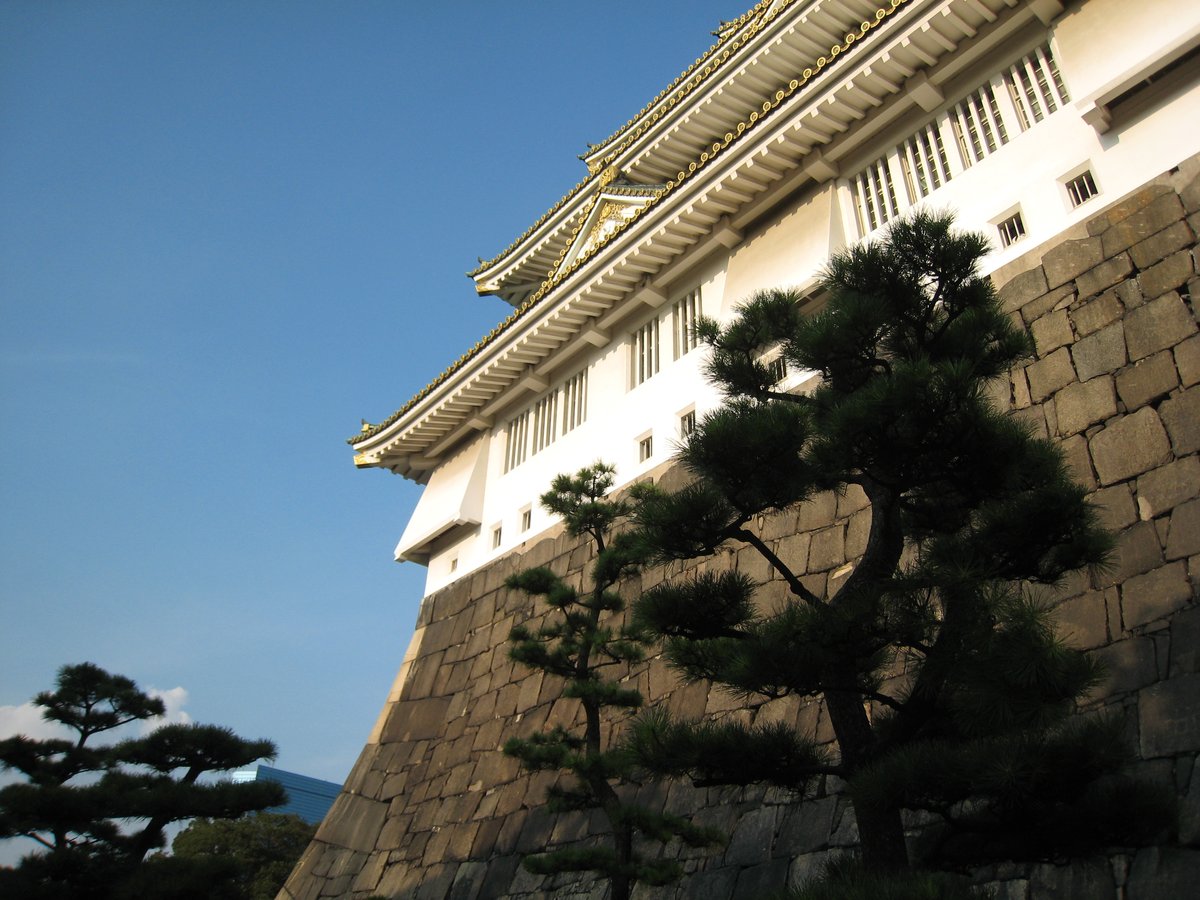
During the Edo Period, Osaka earned the title "Kitchen of Japan" as a distribution point for rice and goods (city.osaka.lg.jp). Kyōbashi’s bridges and waterways supported thriving markets and pilgrimage routes. The construction of Osaka Castle by Toyotomi Hideyoshi further increased the area’s importance (japan-guide.com).
Modernization and Railways
With the Meiji Restoration, Kyōbashi entered a new phase of modernization. The opening of Kyōbashi Station in 1895 connected Osaka with Kyoto and other key cities, transforming the district into a vibrant transportation nexus (wikipedia). The expansion of railway lines and the elevation of terminals in the 20th century cemented its role as one of Osaka’s busiest and most accessible districts.
Wartime Tragedy and Postwar Rebirth
Kyōbashi was the site of tragedy during World War II, when the Katamachi Line platform was bombed in 1945, resulting in significant loss of life. Today, memorials and annual remembrance services honor the victims (wikipedia). Following the war, the district rebuilt and modernized, balancing postwar architecture with Showa-era charm.
Visiting Kyōbashi: Hours, Tickets, and Travel Tips
Key Attractions and Their Hours
- Osaka Castle Park: Open daily, 9:00 AM–5:00 PM (last entry 4:30 PM). A short walk from Kyōbashi Station.
- Osaka Business Park: Open year-round, office buildings and shops generally 10:00 AM–8:00 PM.
- Kyōbashi Shotengai (Shopping Street): Most shops open 10:00 AM–9:00 PM.
- National Bunraku Theatre: Performance times vary; check official schedules.
- Osaka Museum of Housing and Living: Open daily 10:00 AM–5:00 PM (last entry 4:30 PM).
- Kyōbashi Monument: Open 24/7, free entry.
Ticket Information
- Osaka Castle: 600 yen for adults, tickets available at venue or online.
- Museum of Housing and Living: Admission required; discounts for children and seniors.
- Bunraku Theatre: Tickets sold online or at venue; advance booking recommended for popular events.
- River Cruises: Approx. 1,500 yen; operates 10:00 AM–5:00 PM (seasonal).
Getting There
Kyōbashi Station is a major interchange for JR Osaka Loop Line, Keihan Main Line, and Osaka Metro Tsurumi-Ryokuchi Line. Barrier-free facilities are provided for accessibility (tsunagujapan.com).
Best Times to Visit
- Spring (March–May): Cherry blossoms at Osaka Castle Park.
- Autumn (September–November): Colorful foliage and festivals.
- Weekdays/Mornings: Fewer crowds.
Cultural and Social Character
Kyōbashi’s retro entertainment venues, Showa-era arcades, and multicultural communities foster a lively yet welcoming atmosphere (japantravel.com). The district is renowned for its hospitality (omotenashi) and Kansai-ben dialect, creating a unique sense of place (explorecity.life).
Festivals and Guided Tours
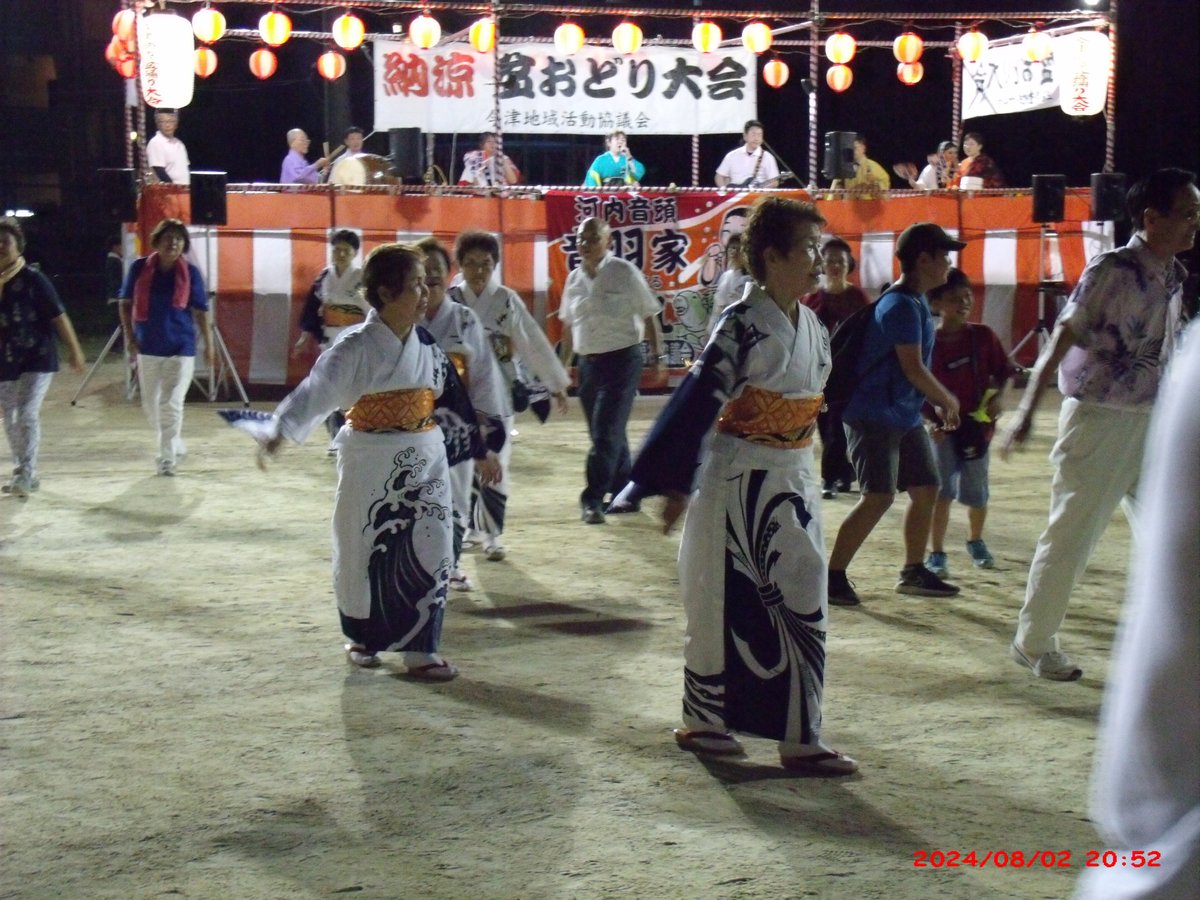
The district hosts seasonal festivals, markets, and hanami (flower viewing) celebrations. While larger festivals may occur elsewhere, Kyōbashi’s local events and riverside parties keep the area vibrant year-round (jw-webmagazine.com). Guided tours are available, focusing on history, food culture, and hidden gems.
Key Attractions: Hours, Tickets & Info
- Shopping & Dining: Keihan Mall and COMS Garden: 10:00 AM–9:00 PM.
- Nightlife: Shotengai and izakaya alleys, most open until midnight.
- Osaka Castle Museum: 9:00 AM–5:00 PM; 600 yen entry.
- Umeda Sky Building (nearby): 10:00 AM–10:30 PM; 1,500 yen for adults.
- Universal Studios Japan: 8:30 AM–9:00 PM (varies); from 8,400 yen.
Accessibility and Getting Around
Kyōbashi Station and most attractions provide wheelchair access, elevators, and accessible restrooms. Taxis, bicycles, and excellent rail connections make travel convenient throughout Osaka (tsunagujapan.com).
Culinary Highlights
Kyōbashi upholds Osaka’s reputation as the "Kitchen of Japan." Enjoy takoyaki, okonomiyaki, kushikatsu, and doteyaki in local arcades. The district’s multicultural population adds Korean barbecue, Chinese noodles, and international cafés (overyourplace.com). Dining etiquette is casual but polite: wait to be seated and speak softly.
Local Customs and Etiquette
Experience omotenashi (Japanese hospitality) in shops and eateries. Remove shoes where required and maintain respectful behavior. Sento (public baths) and ryokan (inns) offer traditional experiences with a focus on cleanliness and harmony (thejapaneseway.com). Kansai-ben adds a friendly, local flavor to communication.
Practical Visitor Tips
- Use the Osaka Amazing Pass for unlimited transit and discounts (MATCHA).
- English menus and signage are common, but learning a few Japanese phrases is rewarding.
- Tax-free shopping is widely available.
- Stay vigilant in busy areas, especially at night.
Kyōbashi Monument: A Symbol of the District
The Kyōbashi Monument commemorates the district’s transformation from a historic riverside crossing to a modern urban gateway. Located a short walk from Kyōbashi Station, it is accessible 24/7 and free to visit (osaka-info.jp). Guided tours are available on weekends by reservation.
Nearby Attractions:
- Kyōbashi Shotengai: Food and shopping street
- Osaka Castle: Iconic historic site
Accessibility:
Wheelchair-friendly with ramps and accessible facilities.
Events:
Seasonal festivals and cherry blossom viewing enhance the monument’s picturesque setting.
Photography Tips:
Visit in early morning or late afternoon for the best light.
FAQs
Q: What are Kyōbashi’s visiting hours?
A: Shops and entertainment venues typically open 10:00 AM–10:00 PM. Osaka Castle Park is open 9:00 AM–5:00 PM.
Q: How do I buy tickets for main attractions?
A: Tickets are available on-site or online. Guided tours often include tickets.
Q: Is Kyōbashi accessible?
A: Yes, stations and most sites have barrier-free access.
Q: Are guided tours in English available?
A: Yes, especially for major sites and the monument.
Q: Is there an entrance fee for the Kyōbashi Monument?
A: No, entry is free.
Summary of Highlights and Tips
Kyōbashi, with its ancient roots, Edo-era bridges, railway heritage, and multicultural vibrancy, is a microcosm of Osaka’s evolution (osaka.com; wikipedia). Excellent transport links, accessible sites, and diverse attractions—from Osaka Castle to bustling shotengai—make it a top destination. The Kyōbashi Monument and guided tours deepen understanding of the area’s legacy, while local cuisine and seasonal events provide memorable experiences (nippon.com; overyourplace.com; japan.travel). Use the Audiala app and official tourism resources for up-to-date info and interactive maps.
Listen to the full story in the app
The whole Kyōbashi,
told well.
Audio guides for 1,100+ cities across 96 countries. History, stories, and local insight — offline ready.
Verified, and shown.
Researched and written by the Audiala editorial team from historical records, architectural archives, and local expertise.
Researched from Wikidata, Wikipedia & official sources · fact-checked · How we make our guides →