Plan and listen to Kitahama Station with Audiala.
Audio guide in your pocket, itinerary in your browser. Built for the way you actually visit.
Introduction
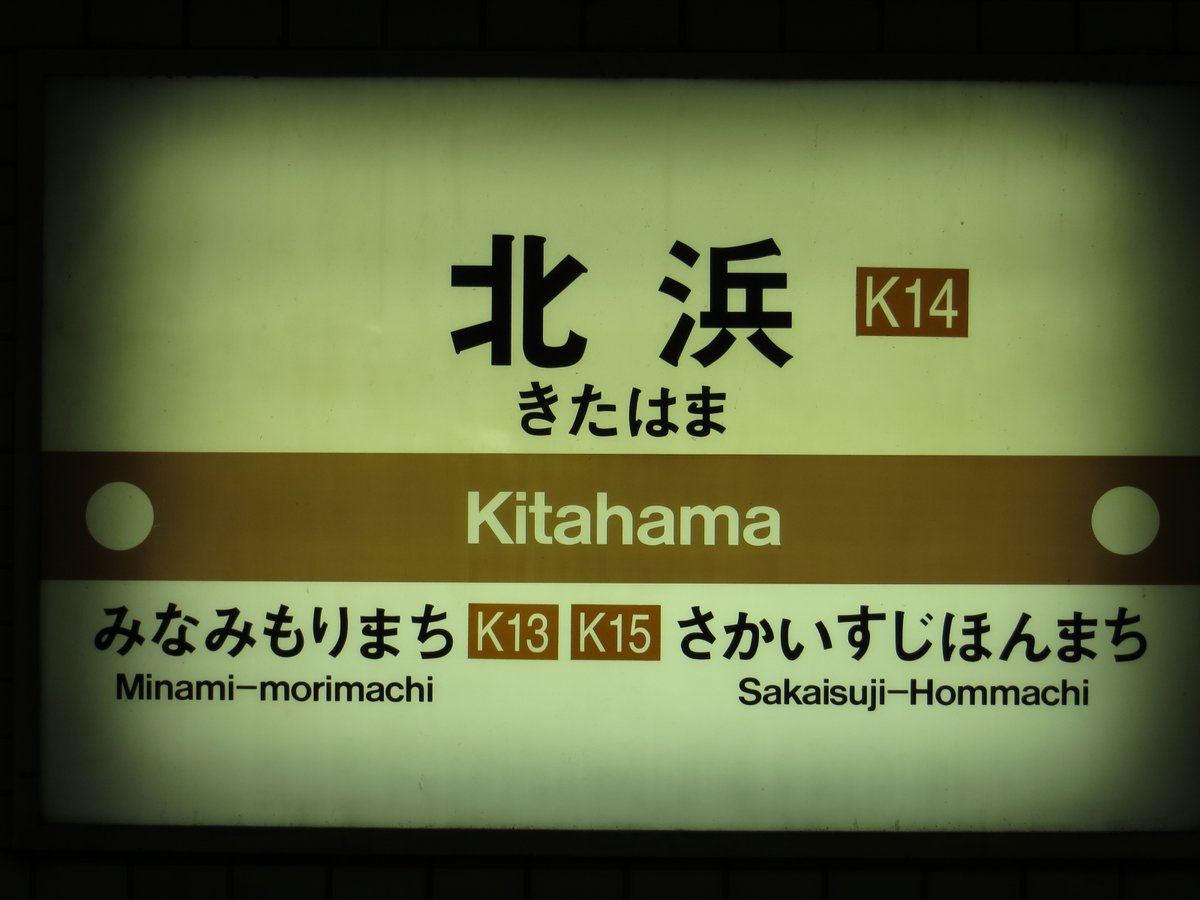
Kitahama Station, located in Osaka’s Chūō-ku ward, is more than just a transportation hub—it's the gateway to a district rich in financial history, Western-influenced architecture, and vibrant riverside culture. As a key interchange between the Osaka Metro Sakaisuji Line and the Keihan Main Line, Kitahama connects business professionals, tourists, and locals with both Osaka’s core and direct routes to Kyoto. The surrounding Kitahama district, often called "Osaka’s Wall Street," features a unique blend of historic institutions and contemporary skyscrapers, making it a must-visit for anyone eager to explore Osaka’s evolution from a mercantile powerhouse to a cosmopolitan metropolis (Wikipedia; Keihan Railway Official PDF).
Kitahama Station: Historical Development
Kitahama Station opened in 1963, aligning with Osaka’s rapid economic growth and urban redevelopment. Its strategic placement beneath Sakaisuji Street linked the financial district with key residential and commercial areas, reflecting efficient postwar urban planning (Wikipedia). The integration of the Keihan and Metro lines further established Kitahama as a vital transit point, supporting the exchange of commerce and culture.
Kitahama District: Financial and Cultural Hub
Kitahama’s identity is deeply rooted in finance, anchored by the Osaka Exchange (formerly Osaka Securities Exchange), major banking institutions, and trading houses that have shaped Japan’s economic landscape since the late 19th century (Ichiban Osaka). Yet, the district is equally celebrated for its cultural and historical landmarks—preserved Western-style buildings, museums, and green spaces like Nakanoshima Park offer a window into Osaka’s transformation and its ongoing commitment to heritage conservation (MATCHA; br1104adblog).
Architectural Highlights
1. Sumitomo Mitsui Banking Corporation Osaka Chuo Branch:
A stately neoclassical building completed in 1936, this branch is a designated tangible cultural property. Its preservation, alongside the construction of a new adjacent tower, exemplifies Kitahama’s careful balance between tradition and progress (br1104adblog).
2. Arai Building (Gokan Kitahama):
Dating to 1922, this Taisho-era structure now houses a renowned patisserie, Gokan Kitahama, demonstrating adaptive reuse that preserves historical value while supporting contemporary business (Ichiban Osaka).
3. Former Konishi Family Residence Archives:
Built in 1903, this former company headquarters is now a museum accessible by reservation, offering guided tours into Osaka’s industrial past and Meiji-period architecture (br1104adblog).
4. Kitahama Retro Building:
A Glasgow-inspired, Victorian-era building now serving as a café and tea shop, beloved for its ambiance and historical charm (Ichiban Osaka).
Urban Landscape and Preservation
Kitahama’s urban fabric features a grid layout of broad boulevards and narrow side streets, supporting a walkable environment ideal for exploring architectural gems. The city’s designation of many buildings as tangible cultural properties ensures ongoing restoration and preservation efforts, allowing modern high-rises and retro structures to coexist harmoniously (br1104adblog).
Accessibility and Station Information
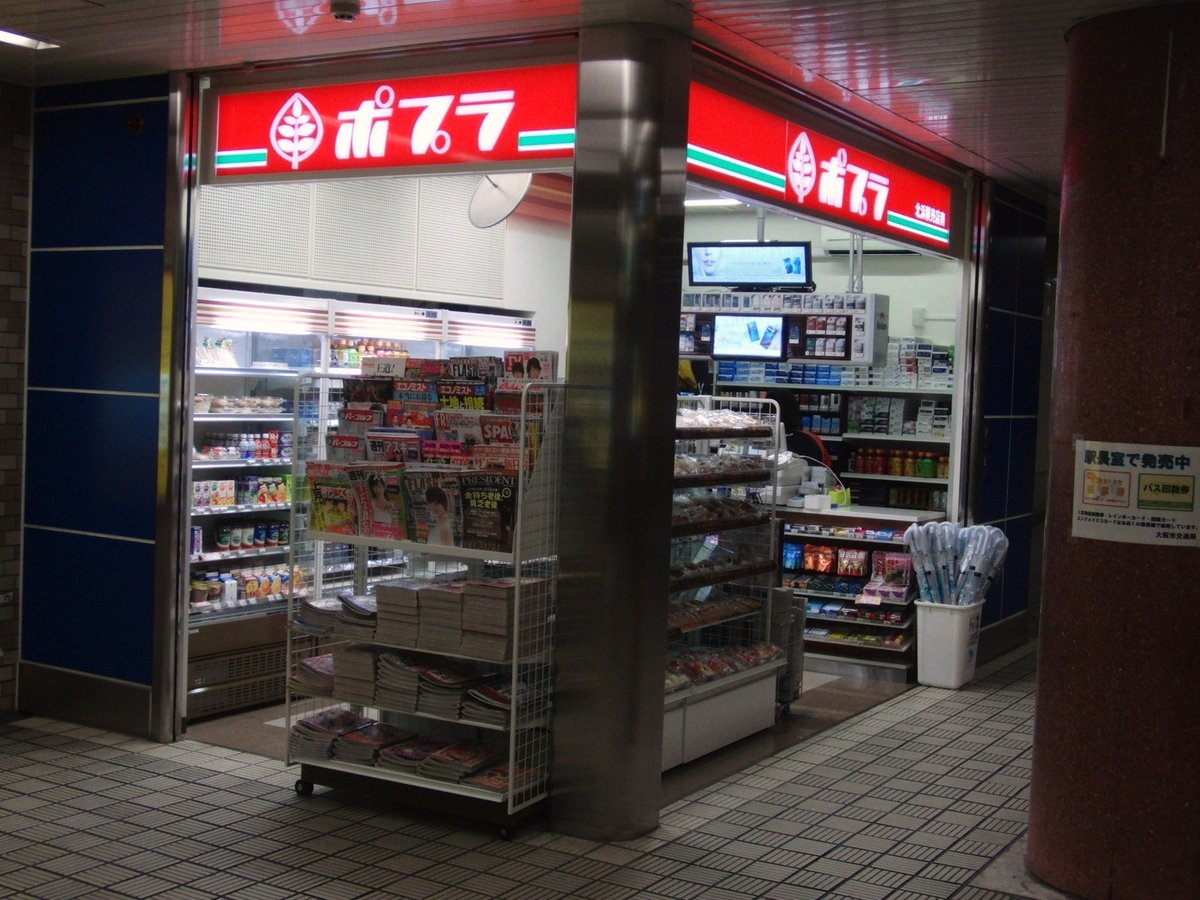
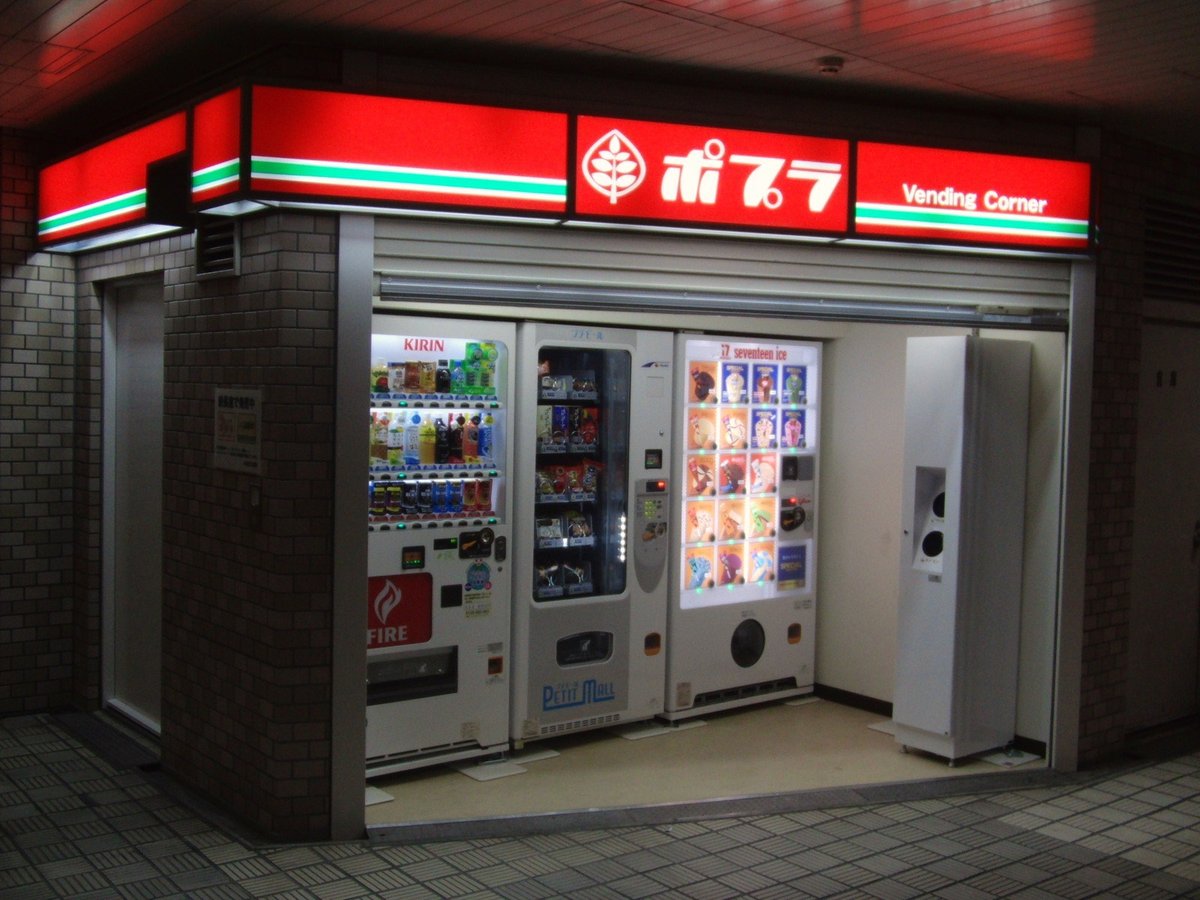
Kitahama Station is fully equipped for universal access, with elevators, ramps, and accessible restrooms. Coin lockers (¥300–¥700), free Wi-Fi, convenience stores, and clear bilingual signage support a stress-free travel experience (MetroEasy; Keihan Railway Official PDF).
Visiting Hours and Ticketing
- Station Hours: 5:30 AM – 12:00 AM (some exits, such as Exit 2, may have specific hours: 7:00 AM – 10:00 PM)
- Ticketing:
- Automated ticket machines with English support are available for both lines.
- Single-ride tickets and rechargeable IC cards (Suica, ICOCA, PiTaPa) are accepted and recommended for convenience.
- Station staff provide assistance for ticketing and IC card purchase (Keihan Railway Official PDF).
Station Layout and Exits
- Platforms:
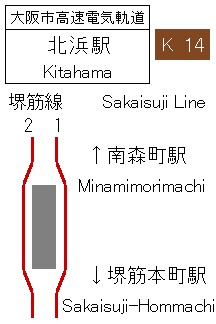
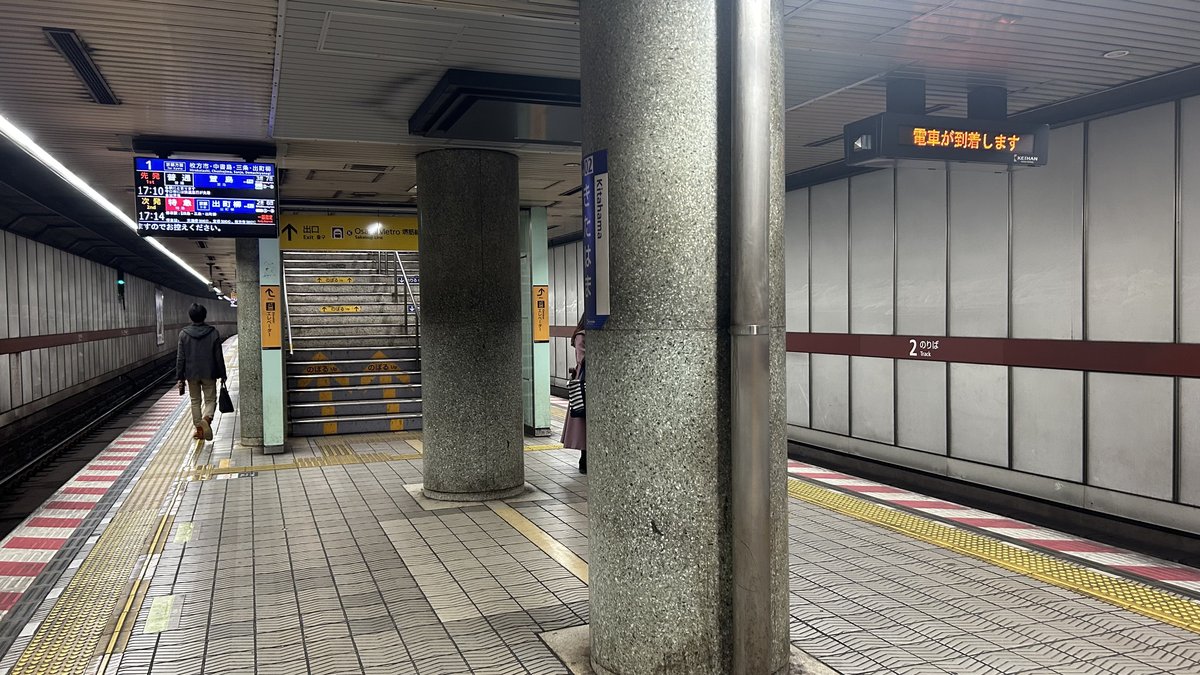
- 2 side platforms each for the Keihan Main Line and the Sakaisuji Line, located on B2F.
- Exits:
- Exit 1A/1B: For Osaka Exchange and Keihan ticket gates.
- Exit 2: Access to Kitahama Plaza and offices.
- Exit 6/27: Closest to Sukunahikona Shrine and the Museum of Medicine (Osaka Metro Station Map; Japan Cheapo).
Key Attractions and Events
- Sukunahikona Shrine: 5-minute walk from Exits 6 or 27; important for Osaka’s pharmaceutical heritage.
- Museum of Medicine: Exhibiting Osaka’s medical history.
- Nakanoshima Park: Riverside green space with a rose garden, open 24/7 and free to enter (Magical Trip).
- Osaka City Central Public Hall: Architectural icon hosting concerts and exhibitions, open 9:30 AM – 5:30 PM (MATCHA).
- Special Events:
- OSAKA River Fantasy: Light and sound show celebrating Osaka’s waterways (Kanpai Japan).
- Tenjin Matsuri: One of Japan’s major festivals, with Kitahama serving as a prime viewing and hospitality spot.
Shopping, Dining, and Leisure
- Cafés: Enjoy riverside views at cafés like Brooklyn Roasting Company or afternoon tea at Kitahama Retro Building (Ichiban Osaka).
- Dining: From classic okonomiyaki at Pasania to upscale bistros, Kitahama's dining scene merges tradition and innovation (Japan Guide).
- Shopping: Boutique stores in historic buildings offer local crafts, sweets, and specialty goods.
- River Cruises: Year-round cruises available from Nakanoshima, providing unique city views (JW Web Magazine).
Visitor Tips
- Best Times: Visit on weekends for a relaxed atmosphere. Late spring and autumn offer the best weather and blooms.
- Navigation: Use bilingual signs and favor Exits 6 or 27 for cultural sites.
- Reservations: Guided tours of historical buildings and museums often require advance booking.
- Accessibility: Most sites are barrier-free; confirm details with venues if needed.
- Etiquette: Respect posted signage, business operations, and maintain quiet enjoyment in parks.
Frequently Asked Questions (FAQ)
Q: What are Kitahama Station’s operating hours?
A: Generally 5:30 AM – midnight; specific exits may vary.
Q: How do I buy tickets?
A: Use automated machines or IC cards (Suica, ICOCA, PiTaPa).
Q: Is the station wheelchair accessible?
A: Yes, with elevators and accessible restrooms.
Q: Which exit is best for Sukunahikona Shrine?
A: Exit 6 (Sakaisuji Line) or Exit 27 (Keihan Line).
Q: Are guided tours available?
A: Yes, for heritage sites and museums; advance reservation recommended.
Q: What’s the best time for flower viewing?
A: Cherry blossoms in early April; roses in May and October.
Summary and Recommendations
Kitahama Station and its district exemplify Osaka’s harmonious blend of financial history, architectural heritage, and modern urban life. Visitors can explore a wealth of historic landmarks, tranquil parks, and lively riverside amenities—all seamlessly accessible via the station’s efficient transit connections to Kyoto and greater Osaka (Wikipedia; Ichiban Osaka; MetroEasy; Keihan Railway Official PDF).
To enhance your visit, download the Audiala app for real-time transit updates, walking tours, and exclusive tips. Explore our related guides for deeper insights into Osaka’s most fascinating neighborhoods, and follow us on social media for travel inspiration.
Tickets & tours.
These are guided options from our partners — same price as booking direct.
Prices are indicative — final pricing and availability are confirmed at checkout. Audiala may earn a commission from bookings made through these links.
Listen to the full story in the app
The whole Kitahama Station,
told well.
Audio guides for 1,100+ cities across 96 countries. History, stories, and local insight — offline ready.

Verified, and shown.
Researched and written by the Audiala editorial team from historical records, architectural archives, and local expertise.
Researched from Wikidata, Wikipedia & official sources · fact-checked · How we make our guides →