Plan and listen to Kamagasaki with Audiala.
Audio guide in your pocket, itinerary in your browser. Built for the way you actually visit.
Introduction
Kamagasaki, officially known as Airin-chiku, is a district in Osaka’s Nishinari Ward renowned for its complex social history, vibrant community, and unique urban landscape. As Japan’s largest day laborer neighborhood, Kamagasaki provides an authentic look at the resilience and solidarity of marginalized populations who have contributed greatly to Osaka’s growth. Far from being a traditional tourist destination, Kamagasaki offers visitors the chance to engage with the city’s deeper social fabric, witness ongoing urban transformation, and appreciate the neighborhood’s distinctive culture.
This detailed guide explores Kamagasaki’s historical evolution, cultural significance, practical visitor information (including visiting hours, ticketing, and access), accommodation options, safety tips, and the impact of tourism and urban change. Whether you are a socially conscious traveler, history enthusiast, or urban explorer, Kamagasaki promises a compelling and thought-provoking experience beyond the usual sightseeing trail.
For expanded context and resources, see Hurights Osaka, the Osaka Kansai International Art Festival, and the Japan Safety Guide 2025.
Historical Development of Kamagasaki
Early Origins and Pre-War Foundations
Kamagasaki’s roots trace back to the Edo period, originally known as Nago Town, a center for day laborers (Hurights Osaka). In 1903, urban redevelopment relocated this community to Kamagasaki, turning it into a hub for Osaka’s working class. While nearby districts like Shinsekai developed entertainment venues reminiscent of New York and Paris, Kamagasaki remained a vital labor enclave (bespes-jt.com).
Postwar Reconstruction and the Day Labor Market
The devastation of World War II left Kamagasaki in ruins, but in the postwar era, the district rebounded as a center for black markets, informal labor, and makeshift housing (kamagasaki-forum.com). By the 1950s and 1960s, the population swelled, with thousands of day laborers living in basic lodgings called “doya” (travelingcircusofurbanism.com), making Kamagasaki synonymous with urban poverty and marginalization.
Urban Planning, Social Unrest, and Institutional Responses
Throughout the 1960s and 1970s, urban reforms widened streets and fostered the construction of new lodging, shifting the population toward mostly single men (travelingcircusofurbanism.com). The Airin Center, opened in 1970, centralized job allocation and welfare. Despite attempts at reform, Kamagasaki experienced periodic unrest and protests related to labor rights and social justice (wikipedia.org).
Economic Decline and Marginalization
Kamagasaki thrived during Japan’s construction boom, but economic downturns after the 1990s led to rising unemployment and homelessness (japan-i-can.com). The city government began discouraging the use of the name “Kamagasaki,” seeking to reduce negative stigma (wikipedia.org).
Recent Redevelopment and Community Initiatives
Redevelopment projects, particularly since 2012, have aimed to revitalize Kamagasaki by leveraging its central location and transportation connections (Hurights Osaka; link.springer.com). Community forums like the Airin Machizukuri Kaigi promote a “Collective Town” vision, emphasizing access to social services and local empowerment. Meanwhile, gentrification has led to the transformation of traditional doya hotels into budget accommodation for international travelers, contributing to rising prices and the displacement of long-term residents (wikipedia.org).
Social and Cultural Identity
Demographics and Social Fabric
Kamagasaki’s residents are predominantly elderly or middle-aged men, many retired or out of work after years in construction and manual labor (japan-i-can.com). The community is marked by strong mutual support, with nonprofit and religious organizations providing essential services such as food distribution and temporary shelter (wikipedia.org). Despite visible signs of poverty, Kamagasaki boasts a resilient spirit and grassroots activism.
Stigma and Representation
The neighborhood has a long history of marginalization and negative media portrayal. Officially renamed “Airin-chiku,” the stigma persists, impacting residents’ access to jobs and social services (Urban lower-class society in modern Osaka, Saga, 2012). Local festivals, community centers, and art initiatives help foster pride and challenge stereotypes.
Community Solidarity and Advocacy
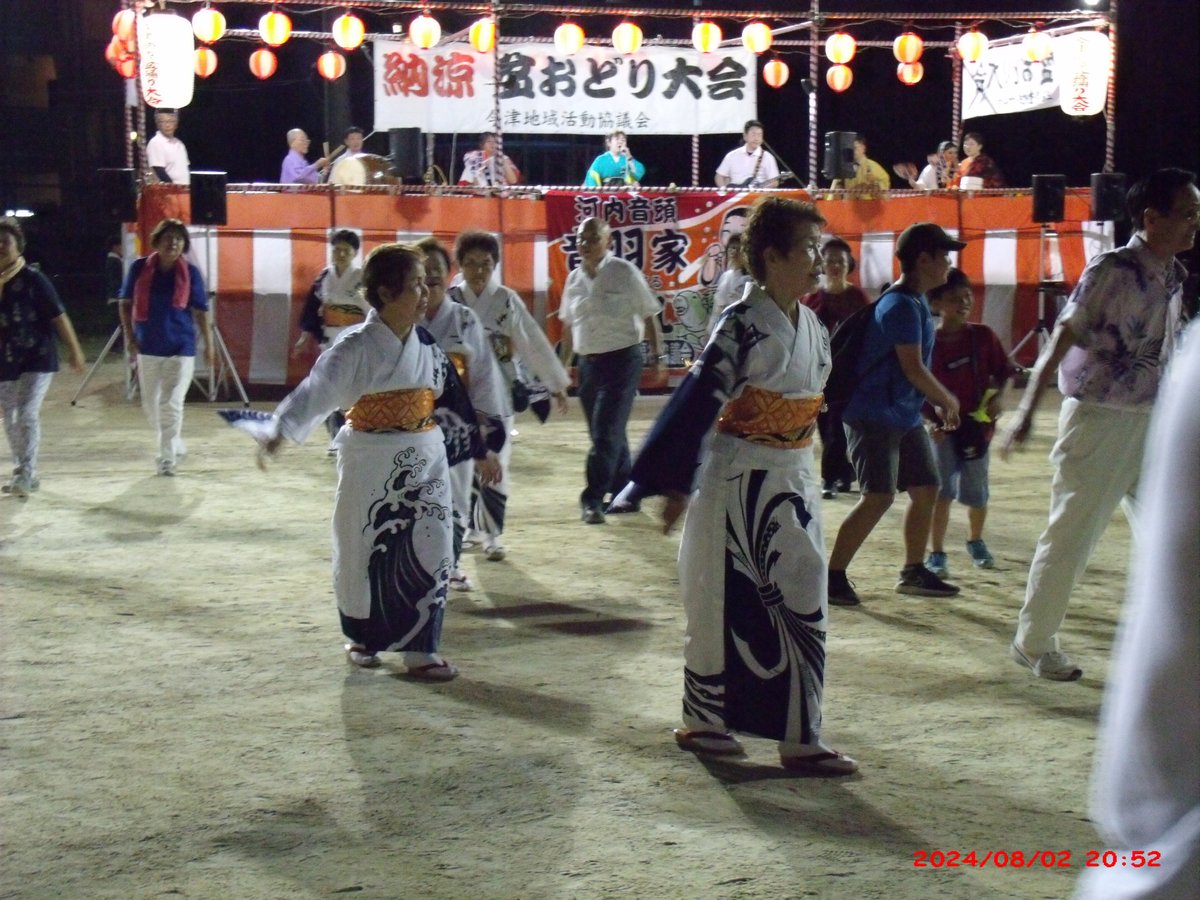
Kamagasaki’s grassroots organizations and volunteer clinics, such as Cocoroom and Kamagasaki University of the Arts, play a crucial role in building community and supporting the vulnerable. Annual events like the Kamagasaki Summer Festival bring together residents and visitors, fostering a sense of belonging and cultural exchange (Osaka Kansai Art).
Urban Context and Neighborhood Attractions
Kamagasaki is bordered by lively districts such as Shinsekai (famous for Tsutenkaku Tower), Tennoji, and Nipponbashi. While these areas offer diverse entertainment, shopping, and historical sites, Kamagasaki’s streets and parks reveal an authentic side of Osaka’s urban life (bespes-jt.com).
Practical Visitor Information
Visiting Hours and Access
Kamagasaki is an open residential district without formal entrance or ticketing. You may explore at any time, but daytime visits are strongly recommended for safety and to observe local life. The area is easily accessed via Shin-Imamiya Station (JR and Nankai lines) and Dobutsuen-mae Station (Osaka Metro).
Guided Tours and Community Events
While traditional guided tours are rare due to sensitivity, local organizations and NGOs occasionally offer educational walks and cultural experiences. Art festivals and community events, like those organized by Cocoroom and Kamagasaki University of the Arts, welcome visitors to engage with residents and learn about the area’s history (Osaka Kansai Art).
Tips for Visitors
- Respect privacy: Always ask before taking photos and avoid intrusive behavior.
- Support local initiatives: Patronize community cafes, art spaces, and social enterprises.
- Safety: The area is generally safe by day; avoid isolated streets at night.
- Cultural sensitivity: Approach the district with openness and respect for its history.
Nearby Attractions
- Shinsekai: Retro entertainment zone with Tsutenkaku Tower (open daily, 9:00 AM–9:00 PM).
- Tennoji: Home to Abeno Harukas, Shitennoji Temple, and Tennoji Zoo.
- Dotonbori and Namba: Hubs for food, nightlife, and shopping.
Accommodation Options
Budget Lodging and Doya Hotels
Kamagasaki is famous for its affordable “doya” hotels, originally for day laborers but now popular with backpackers. Rates range from ¥2,000–¥4,000 per night. Notable options include Hotel Taiyo and Business Hotel Mikado, both near Shin-Imamiya Station (visitinsidejapan.com).
Capsule Hotels and Hostels
Accessible from Kamagasaki, capsule hotels like Capsule Hotel Astil Dotonbori and First Cabin Osaka offer compact and modern accommodations, while hostels such as J-Hoppers Osaka and Guesthouse Sun provide social, budget-friendly spaces.
Traditional Ryokan and Vacation Rentals
While Kamagasaki itself lacks ryokan, nearby districts like Namba and Tennoji feature traditional inns such as Kaneyoshi Ryokan. Airbnb options abound in the vicinity, offering flexibility for longer stays (visitinsidejapan.com).
Mid-Range and Luxury Hotels
For more comfort, consider hotels in Namba, Shinsaibashi, or Umeda, ranging from business hotels (Toyoko Inn, APA Hotel) to luxury brands (The Ritz-Carlton Osaka, InterContinental Osaka).
Safety and Etiquette
General Safety
Kamagasaki is safe by international standards, with low rates of violent crime. Daytime visits are recommended, particularly for first-timers (skdesu.com). Exercise standard urban caution—secure valuables and avoid walking alone at night, especially in poorly lit areas (qeepl.com).
Social Sensitivity
Respect residents’ privacy, avoid sensationalizing poverty, and seek meaningful engagement through community activities. When interacting with locals, politeness and discretion are valued.
Health, Hygiene, and Accessibility
Public facilities are generally clean, but some older buildings may lack accessibility features. Carry hand sanitizer and check with tour providers for mobility accommodations. Comprehensive travel insurance is advisable (travelsafe-abroad.com).
Tourism Impact and Urban Change
Visitor Patterns and Perceptions
Kamagasaki’s reputation has historically deterred tourists, but it is increasingly visited by socially conscious travelers and art enthusiasts, especially during events like the Osaka Kansai International Art Festival (Medium). While the economic impact of tourism remains modest, community-focused initiatives like Cocoroom and Kamagasaki University of the Arts foster cultural exchange and challenge stereotypes (Osaka Kansai Art).
Gentrification and Community Advocacy
Redevelopment linked to Osaka’s 2025 Expo has increased pressure on affordable housing and led to concerns over displacement (INA Associates). Grassroots projects advocate for inclusive urban planning, blending heritage preservation with new community spaces.
Frequently Asked Questions (FAQ)
Q: Is Kamagasaki safe for tourists?
A: Yes, during the day. Exercise standard urban caution and avoid isolated areas at night.
Q: Are there entrance fees or tickets?
A: No, Kamagasaki is a public district. Some tours or cultural sites may have small fees—check ahead.
Q: Are guided tours available?
A: Some NGOs and community organizations offer cultural tours and events. Advance booking is recommended.
Q: How do I get to Kamagasaki?
A: By train via Shin-Imamiya Station (JR and Nankai) or Dobutsuen-mae Station (Osaka Metro).
Q: What are the best times to visit?
A: Daytime is best for safety; community events and art festivals are highlights.
Listen to the full story in the app
The whole Kamagasaki,
told well.
Audio guides for 1,100+ cities across 96 countries. History, stories, and local insight — offline ready.

Verified, and shown.
Researched and written by the Audiala editorial team from historical records, architectural archives, and local expertise.
Researched from Wikidata, Wikipedia & official sources · fact-checked · How we make our guides →