
History
Establishment and Early Years
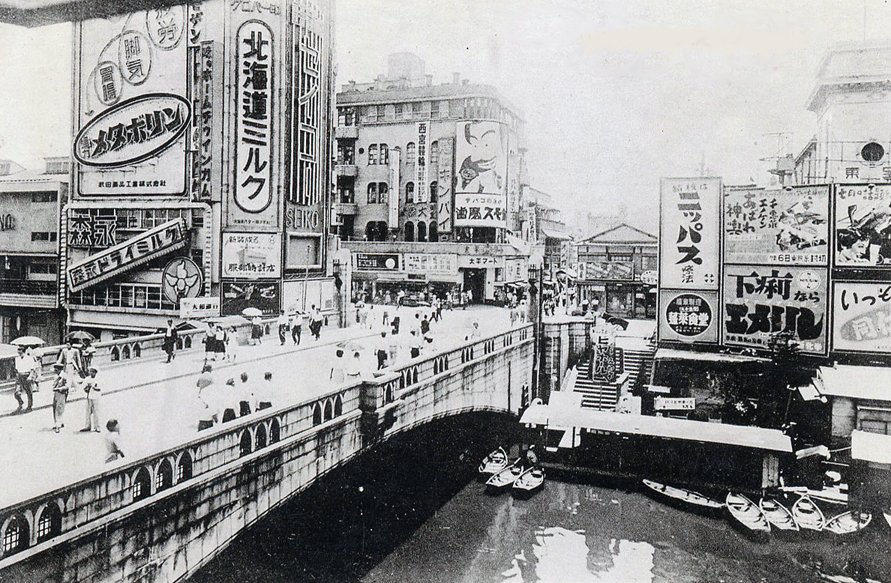
The Chūō Fire Station Dōtonbori Branch was established in 1925 as part of Osaka's efforts to modernize its emergency response infrastructure. Located in the bustling Dōtonbori area, it was strategically positioned to serve the densely populated entertainment district, prone to fires due to the wooden buildings and numerous theaters and restaurants.
Architectural Significance
The original building was an architectural marvel, blending Western and traditional Japanese styles and featuring a prominent watchtower. This watchtower became an iconic symbol and a landmark in the Dōtonbori area, reflecting early 20th-century architectural trends with Art Deco and modernist elements.
Role During World War II
During World War II, the station played a critical role in firefighting efforts during air raids on Osaka. The brave firefighters responded to numerous incidents caused by incendiary bombs, protecting lives and property despite significant challenges.
Post-War Reconstruction and Modernization
After the war, the station was renovated and expanded to meet the growing needs of the city. Modern firefighting equipment and techniques were introduced, including advanced communication systems and rescue equipment, ensuring the station remained a leader in emergency response.
Technological Advancements and Training
Throughout the latter half of the 20th century, the station embraced technological advancements in firefighting. It became a hub for training firefighters from across Japan, focusing on fire prevention, rescue operations, and disaster management.
Community Engagement and Public Awareness
The station actively engages with the community through fire drills, safety workshops, and educational programs. These initiatives promote fire safety awareness and preparedness, significantly reducing fire incidents in the area.
Preservation of Historical Legacy
Efforts have been made to preserve the station's historical legacy, including restoring the original watchtower and creating a small museum showcasing the history of firefighting in Osaka. This museum features vintage equipment, photographs, and memorabilia, celebrating the station's contributions to the city's safety.
Recent Developments and Future Prospects
In recent years, the station has continued to evolve, embracing digital technology and modern tools like drones for enhanced emergency response. Ongoing training, technological upgrades, and community partnerships ensure the station remains at the forefront of firefighting in Osaka.
Visitor Information
Visiting Hours
The Chūō Fire Station Dōtonbori Branch is open to visitors from 9:00 AM to 5:00 PM, Monday to Friday. Special guided tours can be arranged by appointment.
Tickets
Admission to the fire station and its museum is free. Donations are welcome and contribute to the preservation and educational programs.
Accessibility
The station is accessible to visitors with disabilities. It features ramps and elevators to ensure a comfortable experience for everyone.
Nearby Attractions
While visiting the Chūō Fire Station Dōtonbori Branch, explore other nearby historical sites and attractions, such as the Dōtonbori entertainment district, Shinsaibashi Shopping Arcade, and the Osaka Castle.
FAQ
Q: What are the visiting hours for Chūō Fire Station Dōtonbori Branch? A: The station is open from 9:00 AM to 5:00 PM, Monday to Friday.
Q: How much are the tickets for Chūō Fire Station Dōtonbori Branch? A: Admission is free, but donations are welcome.
Q: Are there guided tours available? A: Yes, special guided tours can be arranged by appointment.