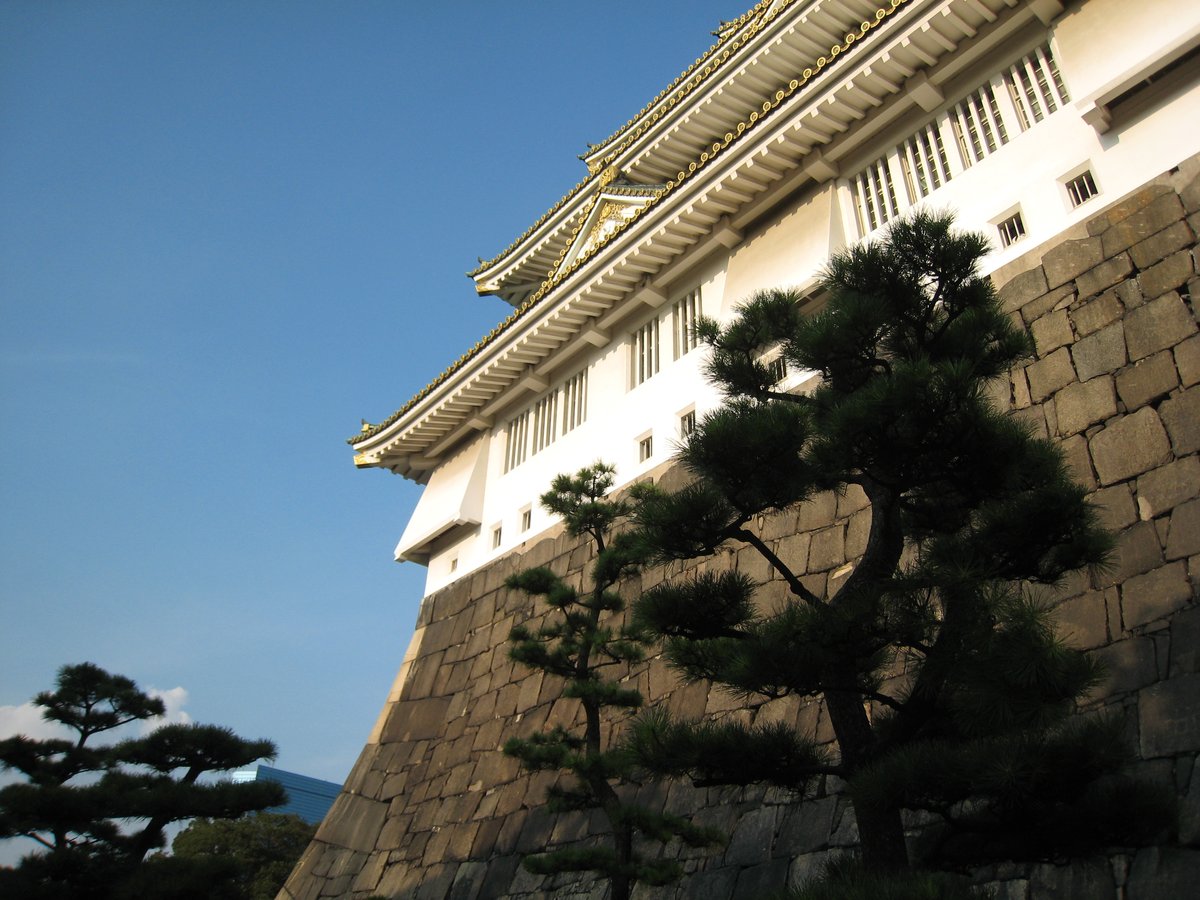
Plan and listen to Dotonbori Kakuza with Audiala.
Audio guide in your pocket, itinerary in your browser. Built for the way you actually visit.
Introduction: The Heartbeat of Osaka
Dotonbori is one of Osaka’s most iconic and dynamic districts, famed for its dazzling neon lights, vibrant street food stalls, and deep cultural roots. Established in the 17th century with the creation of the Dotonbori canal by Yasui Doton, the area quickly grew into a bustling hub for commerce, entertainment, and culinary innovation (osaka.com; Osaka Info). Today, Dotonbori is synonymous with Osaka’s spirit of “kuidaore” (eat-till-you-drop), its exuberant nightlife, and its enduring traditions of theater and performance (journeycompass.com; Itinerary Expert).
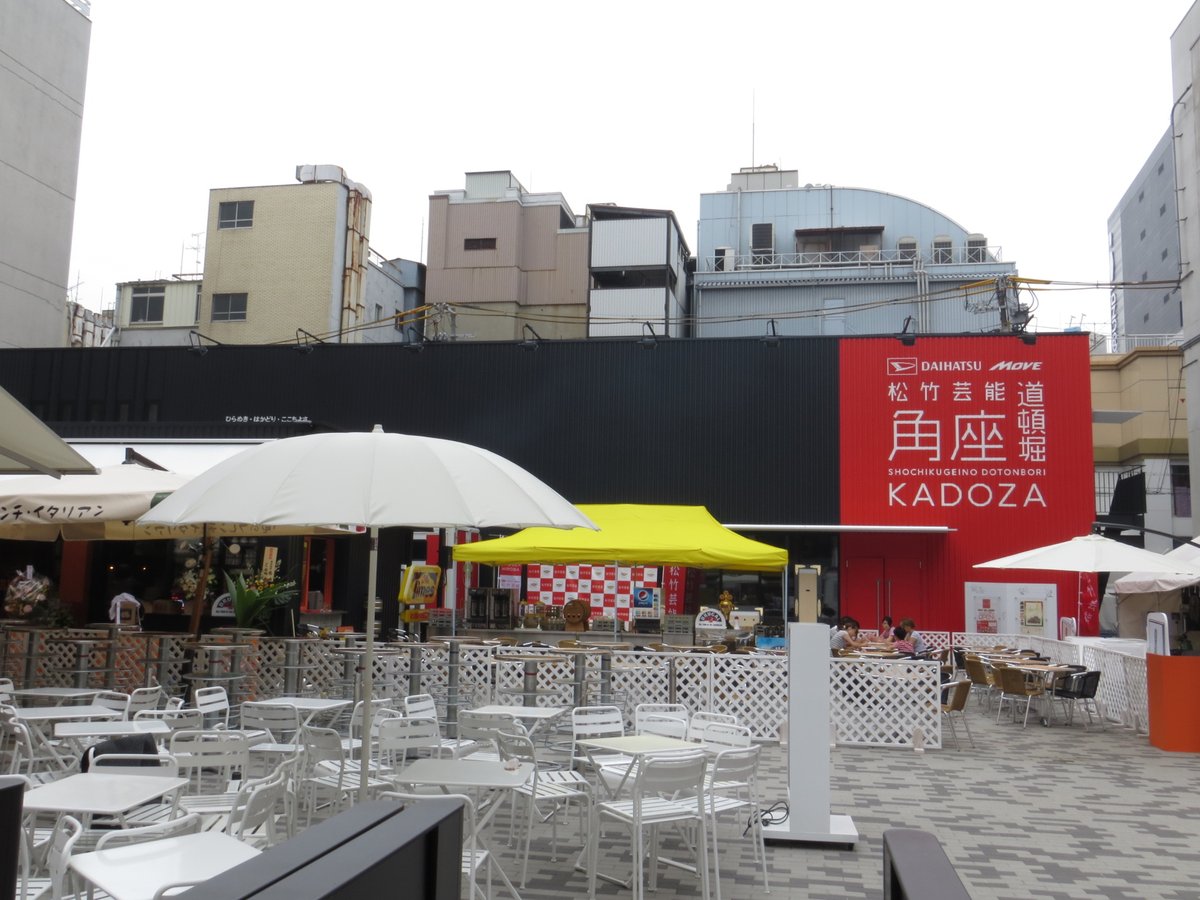
At the heart of this district lies the Dotonbori Kakuza theater—a living link to the area’s theatrical heritage, showcasing Kansai’s unique comedic and storytelling traditions. This guide provides an in-depth look at Dotonbori’s history, cultural significance, practical visitor information, and the best experiences for travelers seeking to immerse themselves in Osaka’s vibrant urban landscape.

Historical Origins of Dotonbori
The story of Dotonbori begins in 1612, when Yasui Doton invested his fortune—and ultimately his life—in digging a canal to link the Umeda and Kizu rivers, hoping to spur commercial growth in Osaka (osaka.com). Though Doton died during the Siege of Osaka in 1615, his cousins completed the project in 1616, naming it “Dotonbori” in his memory (dannywithlove.com).
The new canal rapidly transformed the region, providing a crucial artery for trade and setting the stage for Dotonbori’s emergence as a center of entertainment and urban life.
From Theater District to Cultural Hub
By the early Edo period, Dotonbori was renowned as Osaka’s premier theater district. The canal’s bustling banks attracted artisans, performers, and merchants, leading to the creation of numerous theaters such as the Kadoza, Nakaza, and Naniwaza (osaka.com). These venues hosted traditional arts, including kabuki and bunraku (puppet theater), drawing crowds from across the Kansai region and laying the foundations for Dotonbori’s reputation as the city’s entertainment heart (dannywithlove.com).
The district’s vibrant atmosphere—filled with lanterns, banners, and lively eateries—was celebrated by writers and artists, and it remains a defining feature today.
Dotonbori Kakuza: Legacy and Modern Role
Among Dotonbori’s historic venues, the Kakuza theater became a central pillar, particularly for Kansai-style comic storytelling such as rakugo and manzai (1xmarketing.com). The theater’s programming captured the local sense of humor and played a crucial role in popularizing Osaka’s “laughter culture.”
While many original theaters have disappeared, Kakuza endures as a vital space for both traditional and contemporary performances, connecting modern audiences with centuries-old art forms and reflecting the resilience of Osaka’s cultural identity.
Transformation and Resilience
Dotonbori’s story is one of adaptation and renewal. The Meiji Restoration brought modernization, Western influences, and technological innovations to the district, while World War II inflicted severe destruction through air raids. In the aftermath, Dotonbori rebuilt itself, with theaters like Kakuza either restored or reimagined, and new forms of entertainment taking root (visit-japan-travel.com).
The district’s ability to reinvent itself—embracing the new while honoring the past—has ensured its enduring appeal across generations.
Culinary Culture and the “Kuidaore” Spirit
Dotonbori is inseparable from Osaka’s culinary identity. The philosophy of “kuidaore”—to eat oneself into ruin—is embodied in the district’s endless array of food stalls, izakayas, and specialty restaurants (journeycompass.com). Signature dishes include:
- Takoyaki: Octopus-stuffed batter balls, crispy outside and gooey inside.
- Okonomiyaki: Savory pancakes with a customizable mix of ingredients.
- Kushikatsu: Deep-fried skewers of meat and vegetables, served with dipping sauce (1xmarketing.com; japan-travel-note.com).
Landmarks like the mechanized Kani Doraku crab and giant octopus sign are not only playful advertisements but symbols of Dotonbori’s exuberant food culture (Itinerary Expert).
Contemporary Attractions and Landmarks
Glico Running Man Sign
Installed in 1935 and updated regularly, the Glico Running Man above Ebisu Bridge is Dotonbori’s most recognizable symbol. Visitors flock here to take photos, often mimicking the iconic runner’s pose (Japan Insides, Live Japan).
Kani Doraku Crab
This enormous, animated crab has been a fixture since 1960 and exemplifies Osaka’s love for seafood as well as its flair for eye-catching signage (Plan My Japan).
Don Quijote Ferris Wheel (Ebisu Tower)
Ride the unique oval Ferris wheel attached to the Don Quijote store for panoramic views of the city. Operating from 11:00 AM to 11:00 PM, tickets cost around 500 yen (Japan Insides).
Tonbori River Walk & Tombori River Cruise
The illuminated river walk offers a scenic promenade along the canal, while the Tombori River Cruise provides a 20-minute boat tour with stunning nighttime views. Cruises run daily from 10:00 AM to 9:00 PM; tickets are approximately 900 yen for adults (Live Japan; Directionally Challenged Traveler).
Hozenji Yokocho and Hozenji Temple
Escape the crowds in Hozenji Yokocho, a narrow alleyway famed for traditional restaurants and the tranquil Hozenji Temple, where visitors pour water over a moss-covered statue for luck (Tourist Japan).
Visiting Hours, Tickets, and Accessibility
- District Access: Dotonbori is open 24/7; best experienced in the evening when illuminated.
- Shops & Restaurants: Typically operate from 10:00 AM to 10:00 PM or later.
- Theaters (e.g., Kakuza, Shochikuza): Showtimes vary; check official websites for schedules and ticket prices. Advance reservations are advised.
- River Cruise & Ferris Wheel: Cruises 10:00 AM–9:00 PM, Ferris wheel 11:00 AM–11:00 PM.
- Access: Easily reached via Osaka Metro (Namba Station) and JR lines. The district is pedestrian-friendly; some narrow alleys may be less accessible for wheelchairs.
Seasonal Events and Festivals
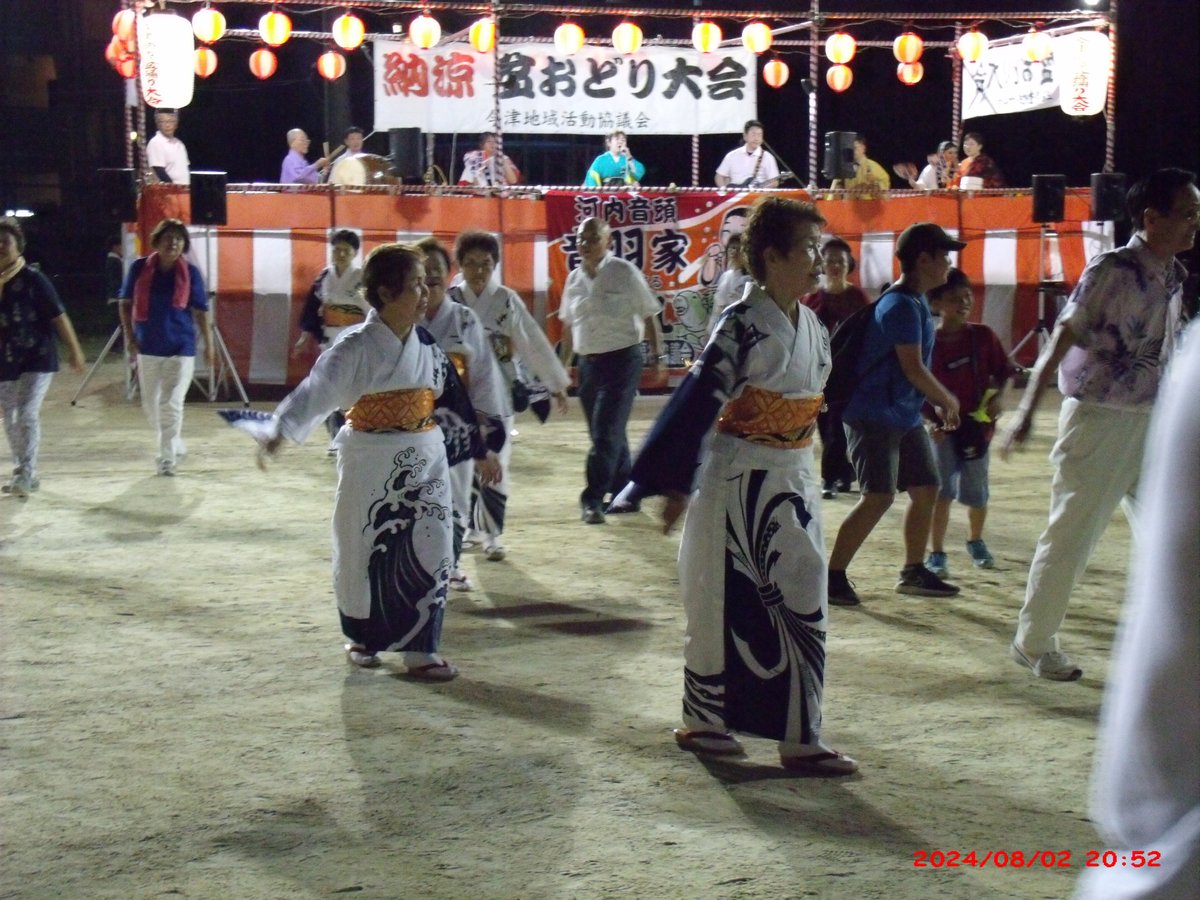
Dotonbori’s energy peaks during festivals such as the Dotonbori River Festival, Tenjin Matsuri, and winter illuminations. These events feature parades, street performances, and special food offerings, reinforcing the district’s role as Osaka’s entertainment nucleus (Magical Trip; visit-japan-travel.com).
Nightlife and Social Scene
As night falls, Dotonbori transforms into a dazzling playground of neon lights, karaoke bars, izakayas, and nightclubs. The nearby Ura Namba area offers more intimate, local nightlife, while Sōemonchō is known for its diverse crowd and lively atmosphere (Magical Trip; Bespes JT).
Practical Tips and Nearby Attractions
- Etiquette: Eating while walking is discouraged; use designated areas.
- Budget: Street food costs ¥300–¥700; sit-down meals range from ¥1,000–¥3,000.
- Payment: Cash is common; some venues accept cards.
- Nearby Sights: Shinsaibashi Shopping Arcade and Kuromon Ichiba Market are both close by and offer more food and shopping options (livingnomads.com).
- Best Time: Evenings and weekdays are less crowded and most atmospheric.
Frequently Asked Questions (FAQ)
Q: What are Dotonbori’s visiting hours?
A: The district is accessible 24/7, but most shops and attractions operate from 10:00 AM to 10:00 PM or later.
Q: Are tickets required to visit Dotonbori?
A: No tickets are needed for the area itself; tickets are only required for specific attractions like theater shows and the river cruise.
Q: How do I get to Dotonbori?
A: Take the Osaka Metro to Namba Station; multiple exits lead directly into the district.
Q: Is Dotonbori accessible for visitors with disabilities?
A: Most main areas are accessible, but some alleys may be narrow or uneven.
Q: What are the must-try foods?
A: Takoyaki, okonomiyaki, kushikatsu, and crab dishes at Kani Doraku.
Q: Are guided tours available?
A: Yes, guided walking and food tours are available and recommended for deeper insights.
Tickets & tours.
These are guided options from our partners — same price as booking direct.
Prices are indicative — final pricing and availability are confirmed at checkout. Audiala may earn a commission from bookings made through these links.
Listen to the full story in the app
The whole Dotonbori Kakuza,
told well.
Audio guides for 1,100+ cities across 96 countries. History, stories, and local insight — offline ready.
Verified, and shown.
Researched and written by the Audiala editorial team from historical records, architectural archives, and local expertise.
Researched from Wikidata, Wikipedia & official sources · fact-checked · How we make our guides →