
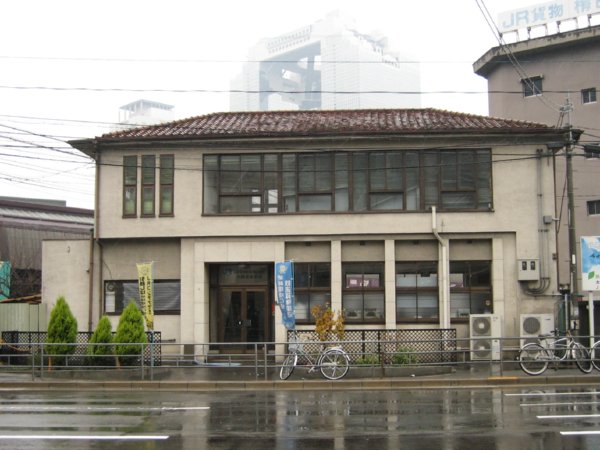
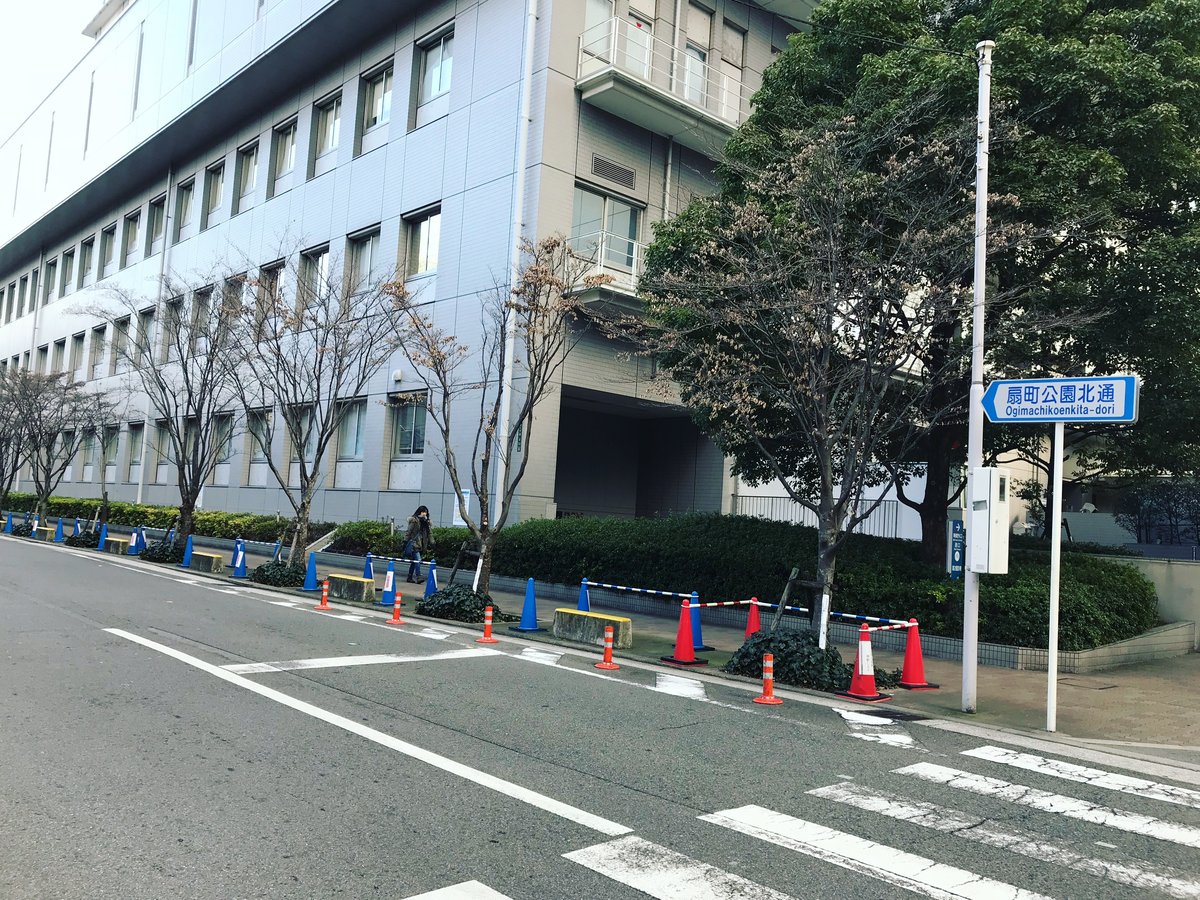
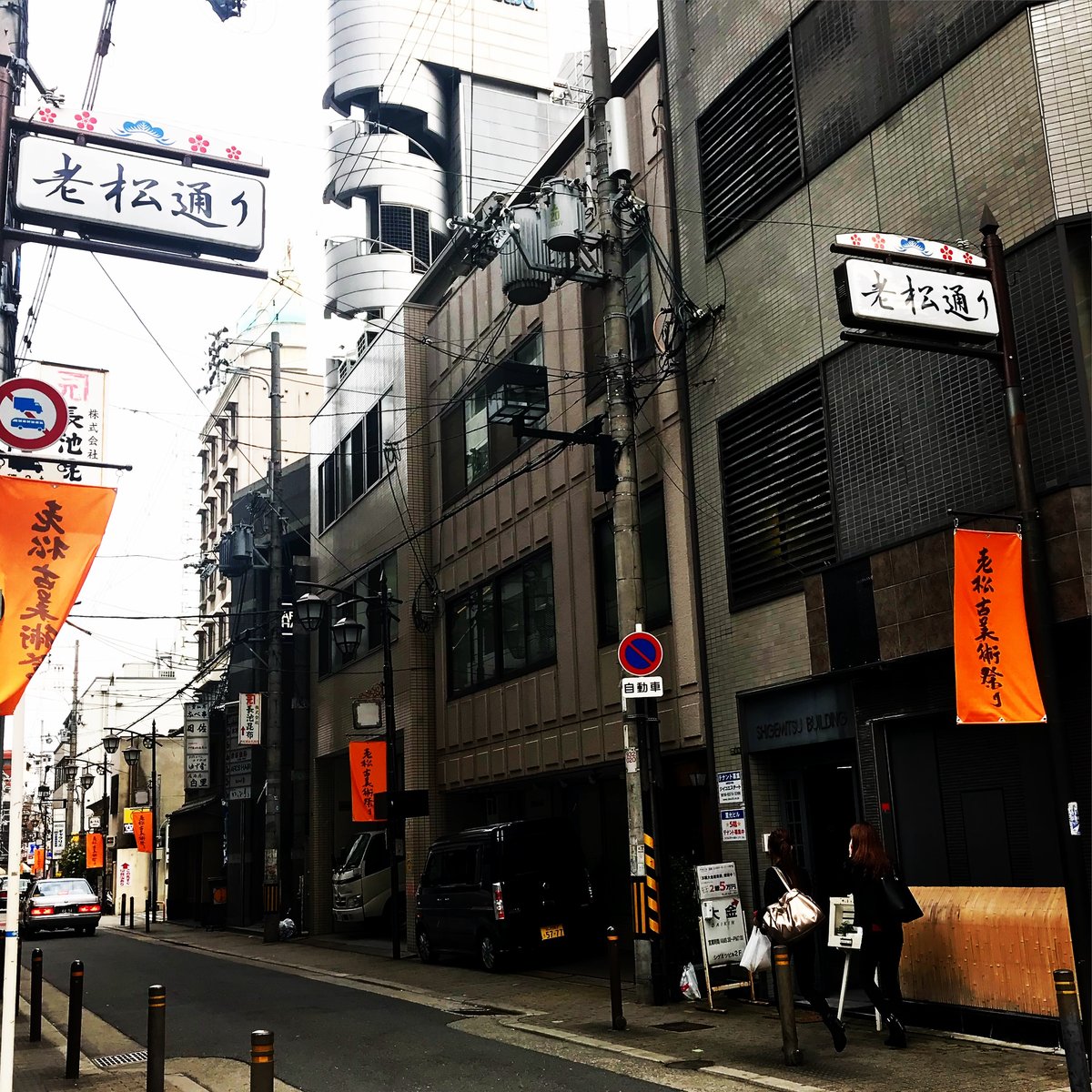
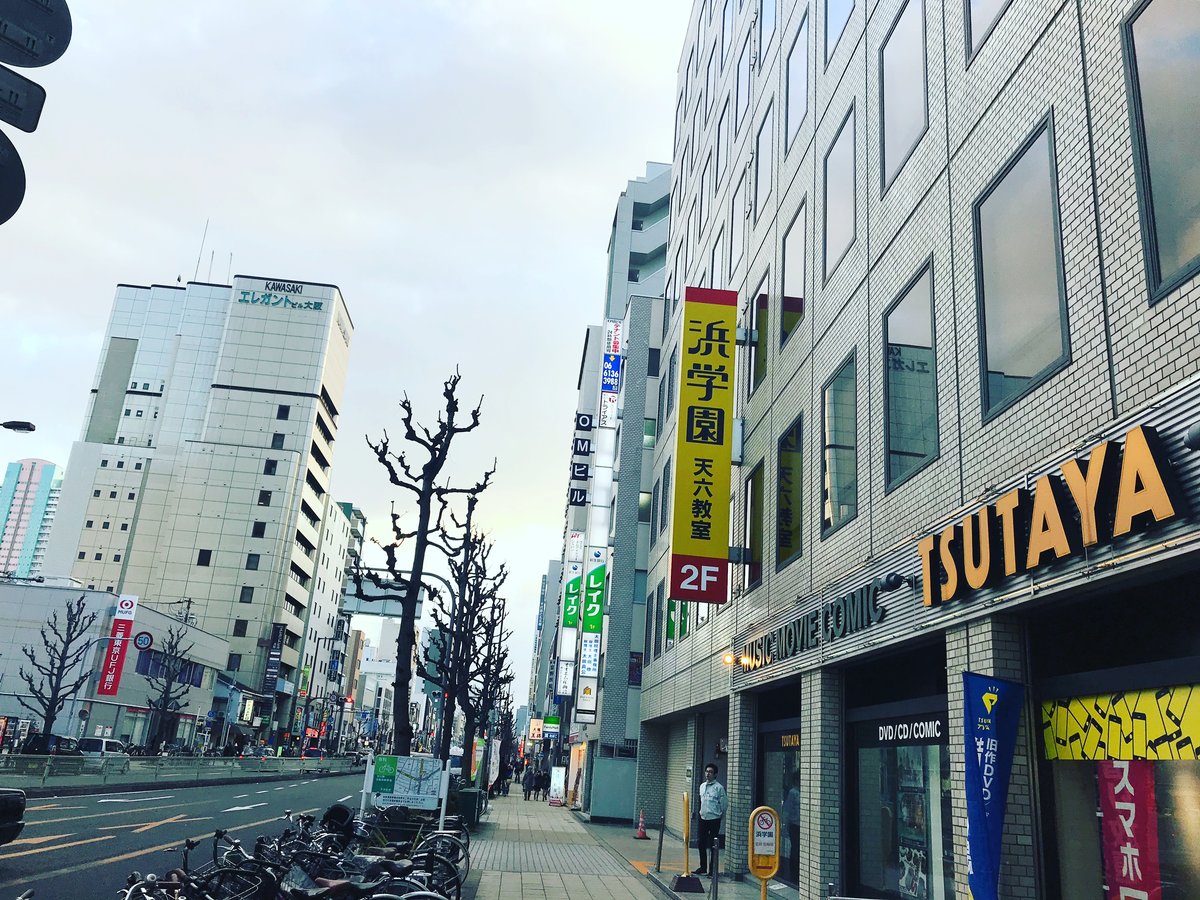
Guide dated 14/06/2025
About Kita-Ku
Kita-Ku is the northern ward of Osaka City, where historic sites and classical architecture sit alongside modern skyscrapers, markets, and cultural venues. Its central location makes it a convenient base for exploring Osaka’s history, food, and urban life (Nippon.com, Magical Trip, UmeTravel, Sakura.co).
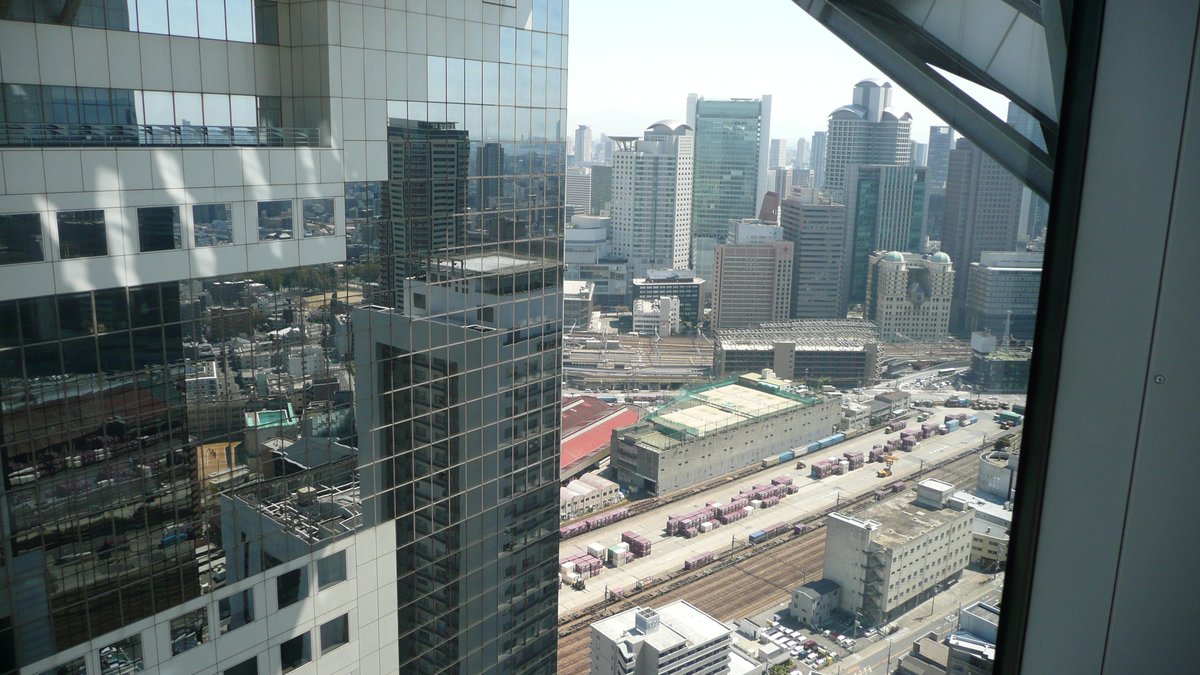
Umeda is the ward’s main business and commercial district, with skyscrapers, shopping malls, and business complexes such as Grand Front Osaka. The complex includes shops, restaurants, and event spaces; its listed hours are 10:00 AM–9:00 PM (Wanderlog). Osaka, historically known as “The Nation’s Kitchen,” also has markets and craft shops in Kita-Ku (Magical Trip).
History
Kita-Ku’s roots reach back to the 8th century and the Naniwa-no-Miya Palace, an early imperial capital. Remains of Osaka’s ancient political center can be visited at Naniwa-no-Miya-Ato Park, which is open daily from 9:00 AM to 5:00 PM with free admission (Nippon.com).
Osaka’s strategic position as a port helped it grow into a commercial powerhouse by the 15th century. Toyotomi Hideyoshi built Osaka Castle in the late 16th century. The castle is in neighboring Chuo Ward and is easily reached from Kita-Ku (Sakura.co).
After the Meiji Restoration, Kita-Ku developed into Osaka’s principal business and transportation hub. Umeda Station, established in 1874, remains a major interchange connecting JR, Hankyu, Hanshin, and Osaka Metro lines. The station area is open 24/7; shops are typically open from 10:00 AM to 9:00 PM (Nippon.com).
What to see and do
Nakanoshima and its historic buildings
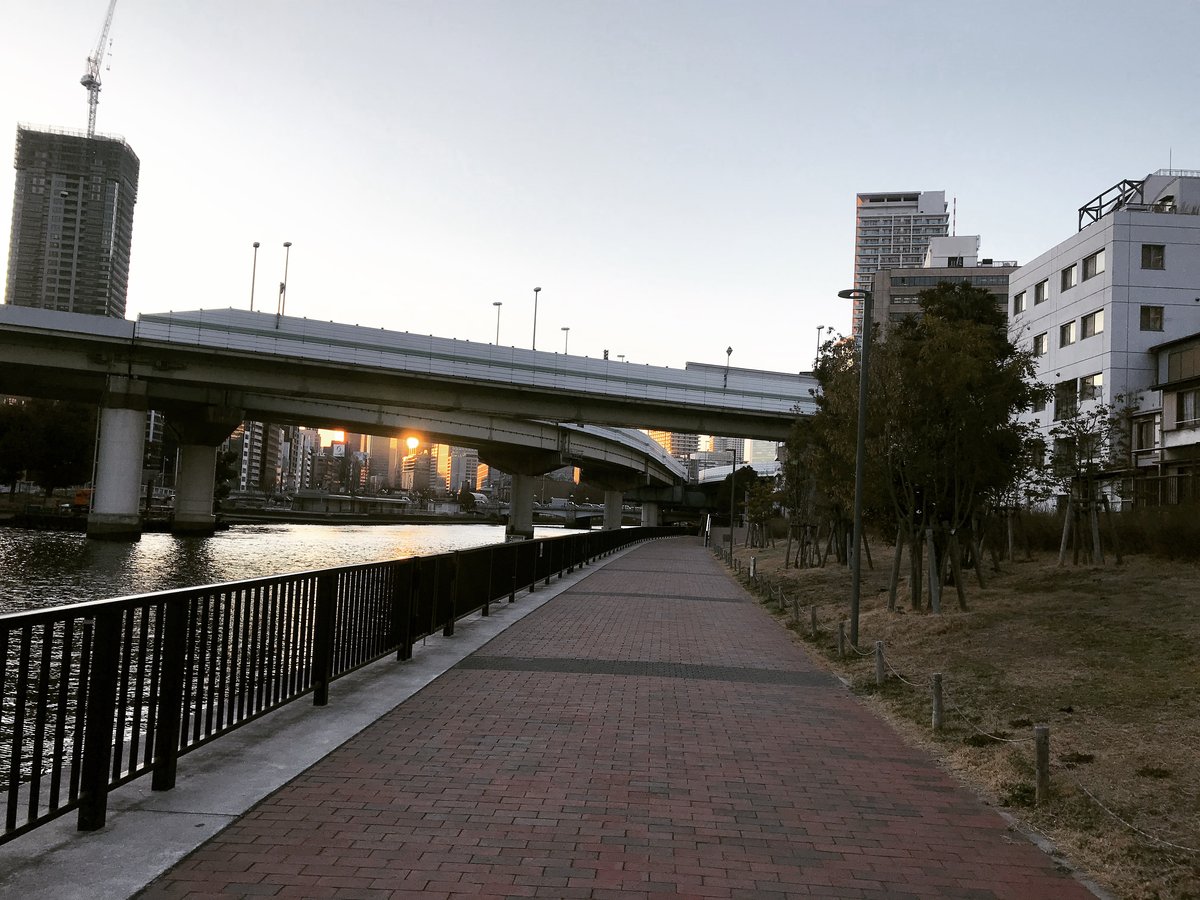
Nakanoshima Island lies between the Dojima and Tosabori Rivers. It has been a logistical and economic hub since the Edo period and is now known for its retro architecture, museums, and parks (Magical Trip).
Osaka City Central Public Hall
The hall is at 1-1-27 Nakanoshima, Kita-ku, Osaka. One listing gives hours of 9:30 AM–5:30 PM; another gives 9:30 AM–9:30 PM, with closure on the fourth Tuesday of the month and from December 28 to January 4. Admission is free, and guided tours are available by appointment or reservation (Osaka City Central Public Hall).
Bank of Japan Osaka Branch
At 2-1-45 Nakanoshima, the branch is open Monday to Friday, 9:00 AM–3:00 PM, and closed on holidays. Admission is free; guided tours are not available.
Osaka Club
Established in 1924, Osaka Club is a Taisho-era brick building. Visitors can view the exterior only (Magical Trip).
Museums and art spaces
- Nakanoshima Museum of Art, Osaka Open 10:00 AM–5:00 PM and closed Mondays. Tickets are ¥1,300 (Nakanoshima Museum of Art).
- National Museum of Art, Osaka Open 10:00 AM–5:00 PM and closed Mondays. Tickets are ¥430; special exhibitions cost extra (Magical Trip).
- Osaka Museum of Housing and Living Open 10:00 AM–5:00 PM, with last entry at 4:30 PM. Tickets are ¥600. Visitors can walk through life-sized Edo-period streets (Osaka Localized).
- Osaka Science Museum Open 10:00 AM–5:00 PM and closed Mondays.
- Osaka Museum of History and Kamigata Ukiyoe Museum Both offer hands-on cultural workshops (Tsunagu Japan).
The National Museum of Art, Osaka, and Osaka Science Museum contribute to the area’s artistic and cultural life. Theaters in the district present traditional and contemporary performances.
Shrines, parks, and urban nature
- Osaka Tenmangu Shrine Open 6:00 AM–5:00 PM. The shrine is associated with the Tenjin Festival in July (UmeTravel).
- Nakanoshima Park Established in 1891, the park is listed as open from 5:00 AM to 11:00 PM. Its rose garden has more than 3,700 bushes; May–June is the best time to see the roses (Magical Trip).
- Hidden parks and gardens Lesser-known green spaces offer places for quiet exploration (One in the Orange Jacket).
Umeda and modern attractions
Umeda Sky Building
The 173-meter twin-tower building has a Floating Garden Observatory with 360° city views. Listings give building hours of 10:00 AM–10:30 PM and 9:30 AM–10:30 PM. The observatory is also listed as open 10:00 AM–10:30 PM, with last entry at 10:00 PM. Adult tickets are ¥1,500; children’s tickets are listed at ¥700, and discounts for children and seniors are also noted. The building includes a 1960s-themed basement market, restaurants, shops, cafés, and an art gallery. English guided tours are occasionally available (Umeda Sky Building Official Site).
The rooftop open-air deck and escalator between the towers are popular photo spots. Late afternoon offers sunset and night views.
Grand Front Osaka and nightlife
Grand Front Osaka is a commercial complex of shops, restaurants, and event spaces. La Fête Hiramatsu, on the 37th floor of Festival Tower, offers fine dining and night views (La Fête Hiramatsu).
Food and local experiences
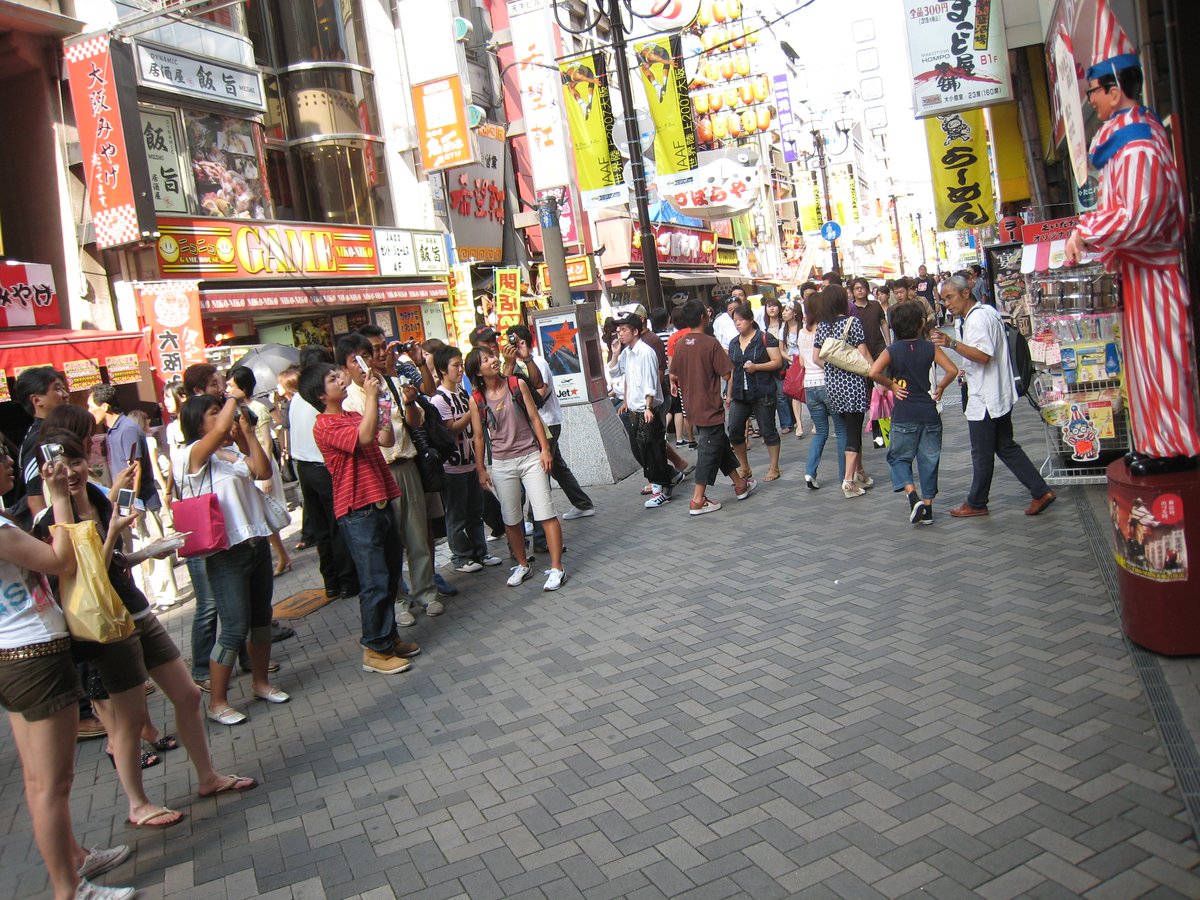
- Kuromon Market Open 9:00 AM–6:00 PM. Specialties include takoyaki, okonomiyaki, kushikatsu, and fresh seafood (JW Web Magazine).
- Local food tours Tours of Dotonbori and Shinsekai are available with expert guides; advance booking is recommended.
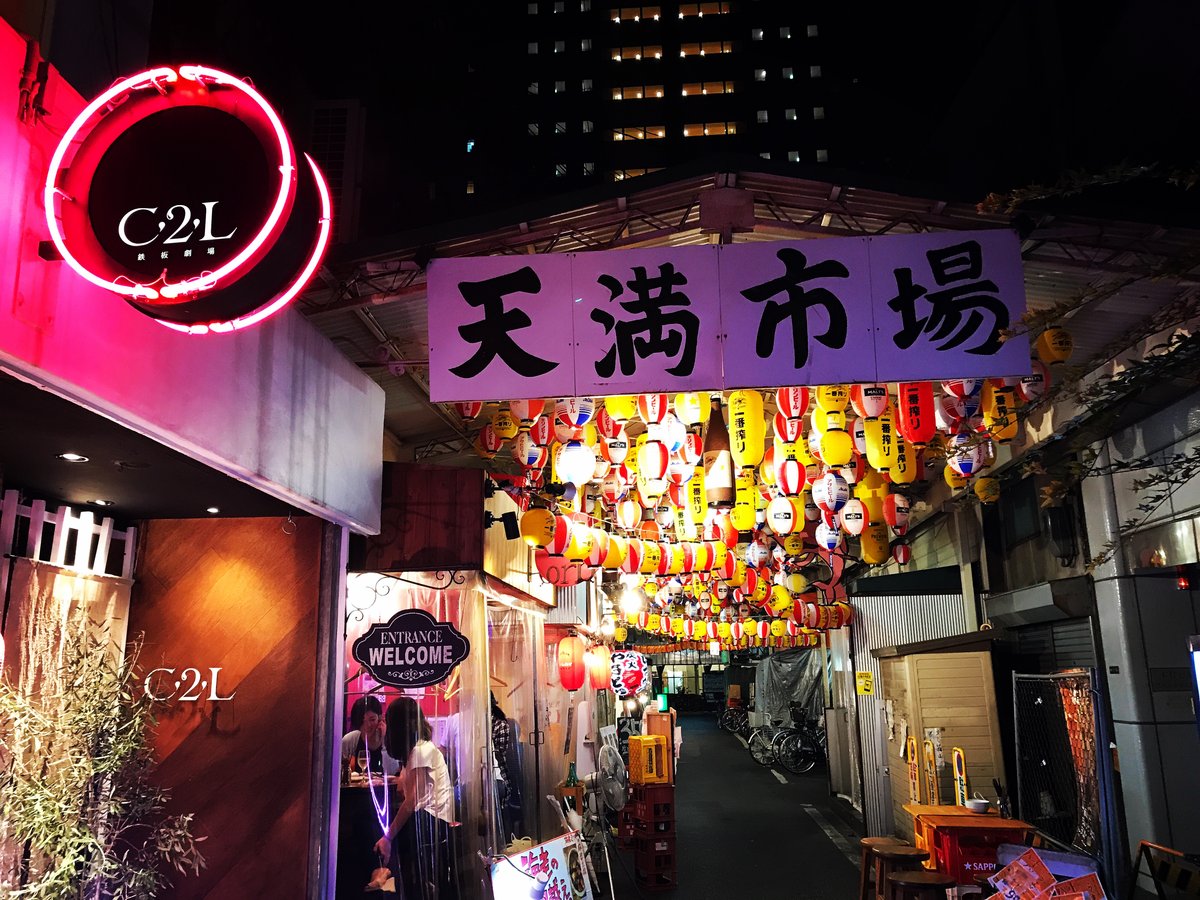
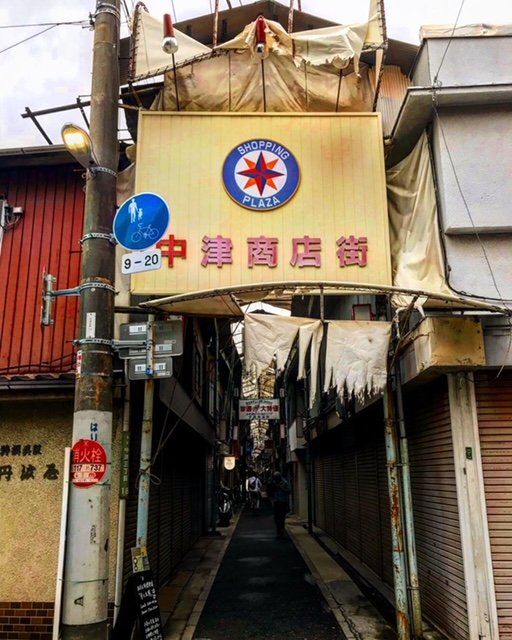
- Street food and izakayas Hidden izakayas and stalls offer local food, including in Kita-Ku’s local alleys (One in the Orange Jacket).
- Nakazakicho Antique shops and vintage cafés offer Showa-era nostalgia and creative spaces.
- Dining near Osaka Castle Local specialties include takoyaki, okonomiyaki, and kushikatsu. Other options mentioned include Matsusakagyu Yakiniku M for wagyu, sushi bars, and food halls.
Other local activities include day and evening cruises on the Dojima and Tosabori Rivers, with ticket prices varying (JW Web Magazine); guided cycling and walking tours that combine history, culture, and cuisine (Magical Trip); and visits to lesser-known temples and shrines with distinctive rituals and histories (Travelers Universe). Hidden bars and live music venues are also popular with locals (One in the Orange Jacket).
Seasonal events
The Tenjin Festival takes place in July. Cherry blossom viewing in April is a seasonal highlight, particularly in Nakanoshima Park (UmeTravel). Other seasonal highlights include Nakanoshima Park’s rose season in June, the Aizen Festival, and scenic river cruises (JW Web Magazine).
Osaka Expo 2025 is scheduled for April 13–October 13, 2025, on Yumeshima Island, accessible via the Osaka Metro Chuo Line. Suggested lower-crowd visiting periods are spring or early summer and September. Payments are cashless only, and a map costs ¥200 (Japan Highlights). Expo 2025 will also spotlight Kita-Ku’s cultural role (Sakura.co, Nippon.com).
Practical visiting information
General hours, tickets, and tours
Most attractions are open between 9:00 AM and 6:00 PM, but hours vary by venue. Tickets are generally available on-site or online; some tours and museums require advance booking. Many sites offer guided tours in English, and audio guides are commonly available. Check each attraction’s website for updates.
Visiting Osaka Castle
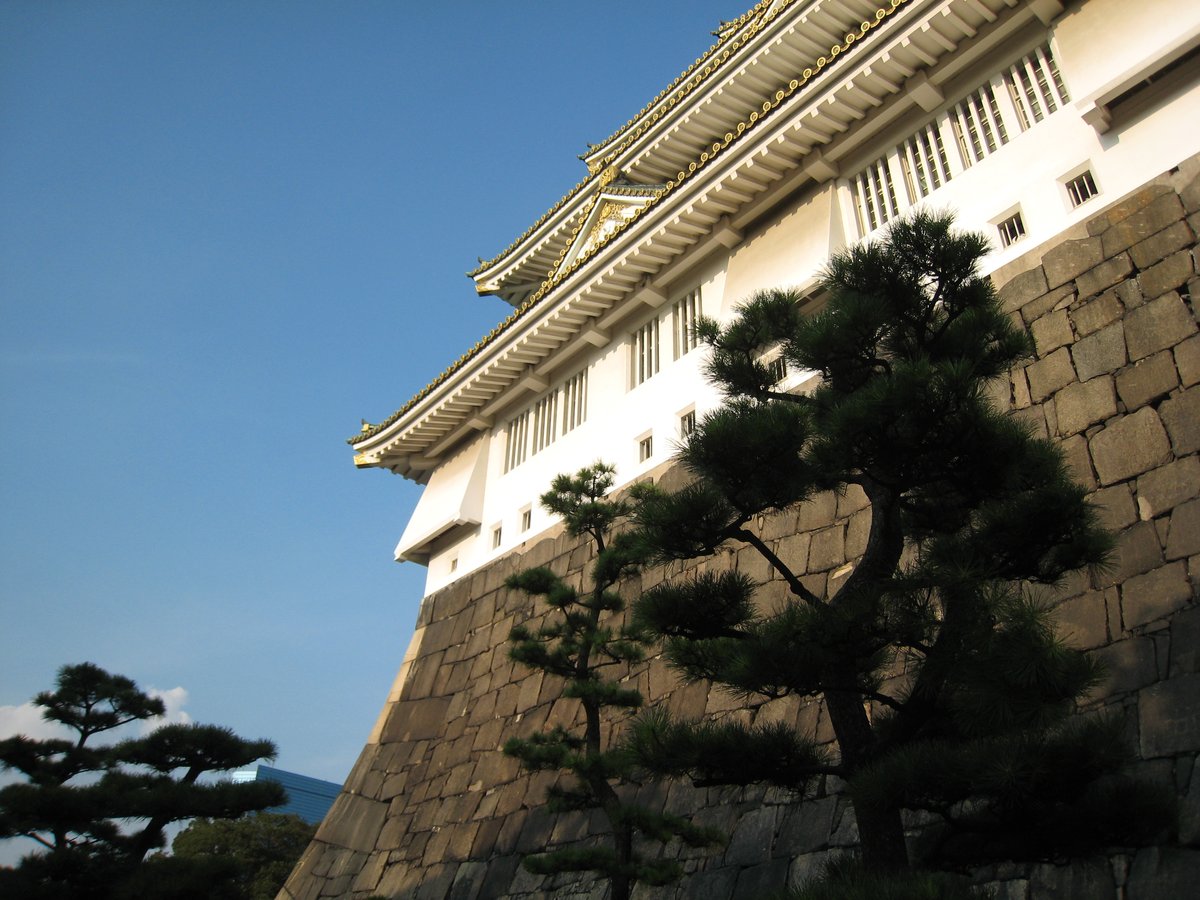
Osaka Castle, built by Toyotomi Hideyoshi in the late 16th century, is a symbol of the city’s heritage, resilience, and samurai era. The current structure was restored in 1931 and houses a museum with historical exhibits.
- Museum 9:00 AM–5:00 PM; last admission 4:30 PM.
- Park Open 24/7.
- Tickets Adults ¥600, seniors ¥300, children free.
- Tours and audio guides English and Japanese tours are available. Audio guides can be rented or accessed via an app.
- Getting there from Umeda Take the Tanimachi Subway Line to Tanimachi 4-chome Station for a 5-minute walk; the Chuo Subway Line to Morinomiya Station for a short walk; or the JR Loop Line to Osakajokoen Station for a short walk.
- Transit passes ICOCA/Suica cards and the Kansai Thru Pass are accepted.
- Facilities and views Facilities are accessible, and the main tower offers panoramic city views. Seasonal festivals and illumination events are held throughout the year.
Visiting Umeda Sky Building
The building is a 10-minute walk from JR Osaka Station or Umeda Subway Station; taxi service is available. Facilities include wheelchair access, elevators, restrooms, souvenir shops, cafés, and an art gallery.
Transport and accessibility
Umeda Station is Kita-Ku’s main transit hub, and English signage is widespread (Nippon.com). Kita-Ku’s central location also provides easy access to Osaka Castle, Utsubo Park, and Shinsaibashi. Most public spaces and major attractions accommodate visitors with disabilities, and most sites are described as accessible.
Tips for visitors
- Spring and autumn are recommended for scenic beauty; July is a time to visit for the Tenjin Festival (UmeTravel).
- At Osaka Castle, visiting early or on weekdays can help avoid crowds.
- For the Umeda Sky Building, late afternoon offers sunset and night views.
- Reserve tickets in advance where needed.
- Be respectful at shrines and during festivals.
- English is widely available at major sites; translation apps can be useful (Osaka Culture Art).
- Kita-ku is described as safe; use usual precautions. Emergency numbers are 110 for police and 119 for fire or ambulance.
- Summers are humid and winters cool; dress accordingly. An ICOCA card is recommended for transit.
Nearby places and accommodation
Nearby attractions include Osaka Castle, Utsubo Park, and Shinsaibashi. Sites listed near Osaka Castle include Nakanoshima Park, the Osaka Museum of History, and the Mint Bureau, which has cherry blossoms in spring. Near Umeda Sky Building are Grand Front Osaka, for shopping and dining, and Tenjinbashisuji Shopping Street.
Accommodation options listed include:
- Luxury Waldorf Astoria Osaka; Hotel Hankyu International.
- Boutique Zentis Osaka; Aloft Osaka Dojima.
- Budget Holiday Inn Express; Hotel Noum Osaka.
- Traditional Kaneyoshi Ryokan.
Frequently Asked Questions (FAQ)
Q: What are Kita-Ku’s visiting hours?
A: Most attractions are open from 9:00 AM to 6:00 PM. Check individual sites for details.
Q: How can I buy tickets?
A: Tickets are generally available on-site and online. Some tours and museums require advance booking.
Q: Is Kita-Ku accessible for disabled visitors?
A: Most major attractions, transport hubs, and public spaces are accessible.
Q: Where can I find authentic street food?
A: Kuromon Market and local alleys in Kita-Ku offer street food and izakayas.