
Kansai Medical University
Kansai Medical University (関西医科大学, Kansai Ika Daigaku) is in Hirakata City, Osaka Prefecture, between Osaka and Kyoto. It combines medical education, research and patient care, and enrolls over 2,000 students across Medicine, Nursing and Rehabilitation. Its community-oriented mission and academic work are described on the Kansai Medical University Official Website.
The campus is near Keihan Hirakatashi Station, making it accessible from Osaka and Kyoto. It includes academic and research facilities, affiliated hospitals, historical exhibits and green spaces. Nearby attractions include Hirakata Park and cultural landmarks. Information on hospital access is available from KMU Hospital Access.
History
Founded in 1928 as Osaka Women’s Medical College, the university was one of Japan’s first institutions dedicated to women’s medical education. It became coeducational in 1954. Its history and development are also outlined on the Official Website.
What to see and learn
Campus highlights include exhibits on the university’s role in women’s medical education and gender equality in medicine, research laboratories, clinical facilities, and a mix of modern and traditional architecture. Green spaces, gardens and courtyards provide places to relax, and public lectures and health seminars offer opportunities for community engagement.
The campus has several zones:
- Academic Zone Lecture halls and classrooms with advanced AV technology.
- Research Zone Laboratories for molecular biology, genetics and regenerative medicine.
- Clinical Zone A hospital and clinical centres.
- Student Life Zone Cafeterias, study spaces, lounges and recreational areas.
- Green Spaces Gardens and courtyards.
KMU emphasizes the founding spirit of Jijinshinkyo—“Benevolence, Compassion and Empathy”—as described in KMU Educational Philosophy. Its programs include a six-year undergraduate Doctor of Medicine (MD), master’s and doctoral degrees in medical sciences and public health, specialist residency training with affiliated hospitals, and international partnerships for student and faculty mobility.
KMU was ranked among the world’s top 800 universities and 11th in Japan in the Times Higher Education World University Rankings 2023 (KMU THE Ranking).
Hospitals and the Health Corridor®
The university’s Health Corridor® network comprises affiliated hospitals and clinics along the Keihan Railway Line: Kansai Medical University Medical Center, Kori Hospital, Kuzuha Hospital, Tenmabashi General Clinic and Kuzuha Station Health and Checkup Center (KMU Affiliated Hospitals). The network supports clinical training and community health outreach.
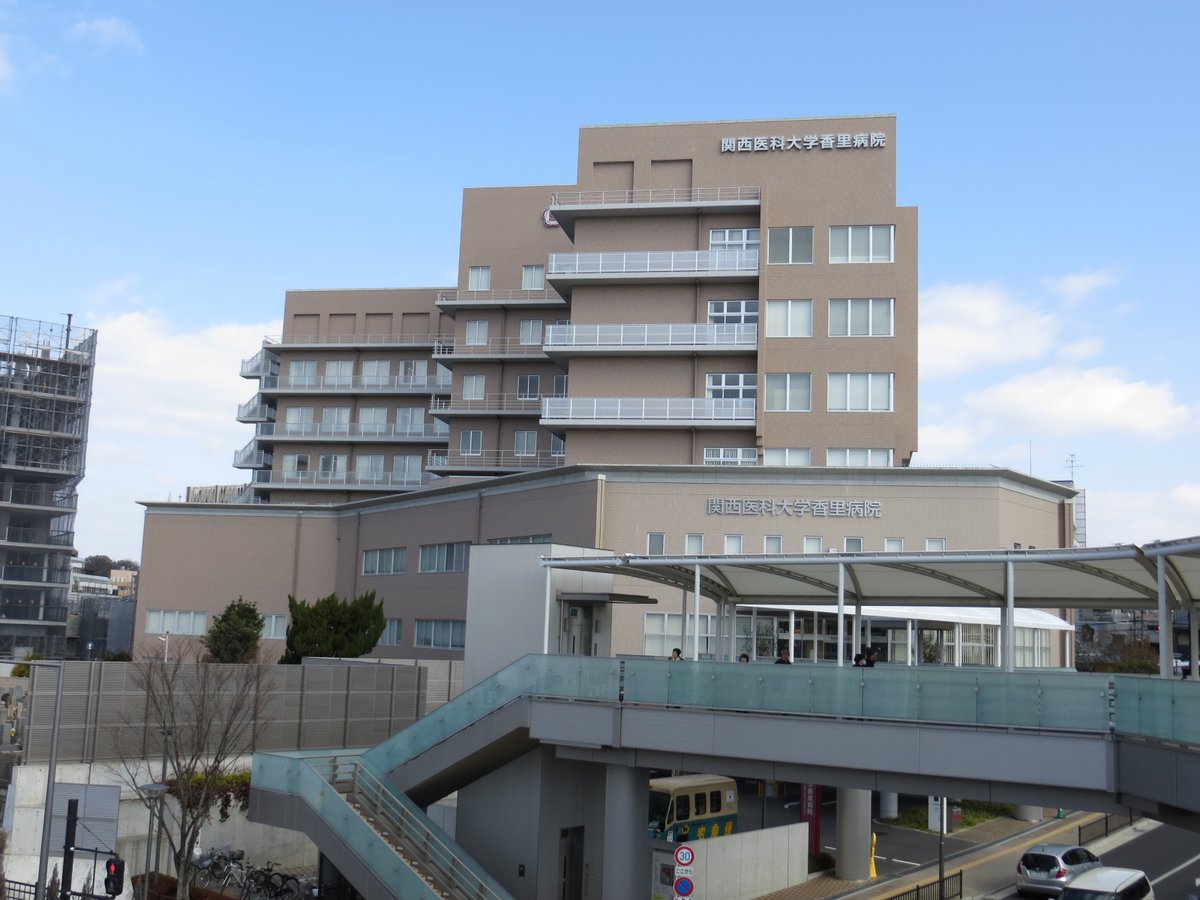
The flagship Kansai Medical University Hospital offers care across more than 30 clinical departments, including internal medicine, surgery, pediatrics, neurology and cardiology (KMU Hospital Departments). Its facilities include advanced diagnostic imaging and robotic surgery suites. Patient care is described as patient-centred and multilingual, and free English interpreter services are available to foreign patients by advance request (Interpreter Service Details).
Practical visiting information
Campus visits
- Visiting hours Weekdays, 9:00 AM–5:00 PM. Some buildings may be restricted because of academic or clinical activities.
- Tours Guided tours are available by appointment and mainly take place during Open Campus Days and special events. They showcase historical exhibits, research facilities and affiliated hospitals; advance booking is recommended.
- Tickets and entry Campus entry and most exhibitions are free. Special events and seminars may require registration.
- Address 2-3-1 Shinmachi, Hirakata-shi, Osaka 573-1191.
- Getting there The campus is a short walk from Keihan Hirakatashi Station; it is also described as a three-minute walk from the station. Hirakata City is well connected by train.
The campus has wheelchair access, elevators, ramps, accessible restrooms, barrier-free design and bilingual signage. Facilities include multiple cafeterias, convenience stores and Wi-Fi-enabled lounges. Photography is allowed in public spaces, but visitors should respect privacy and posted restrictions in clinical and research areas.
Hospital visits
- Outpatient hours Monday–Friday, 8:30 AM–11:30 AM.
- Closed 2nd and 4th Saturdays, Sundays, national holidays, and December 29–January 3.
- Referral letters Required for consultations. Without one, an extra fee of 7,000 yen plus tax applies.
Nearby historical and cultural sites
Hirakata Shrine
Hirakata Shrine is a historical monument in Hirakata, about a 10-minute walk from Hirakatashi Station on the Keihan Railway. It can be reached from Osaka and Kyoto, and connections are available from Kansai International Airport. Further information is linked from KMU Global.
- Hours Daily, 8:00 AM–5:00 PM.
- Admission Free. Special exhibitions or events may require tickets; tickets for events and tours can be purchased online or at the shrine.
- Tours and events Japanese- and English-language guided tours are available by reservation. Annual Spring and Autumn Festivals include ceremonies, performances and local food.
- Facilities Wheelchair-accessible pathways and restrooms, rest areas, water fountains, a gift shop with omamori (charms), free Wi-Fi and electronic payments.
- Parking Limited; public transport is recommended.
Torii gates, gardens and traditional structures are photo spots. Observe restrictions in sacred areas.
Osaka Castle
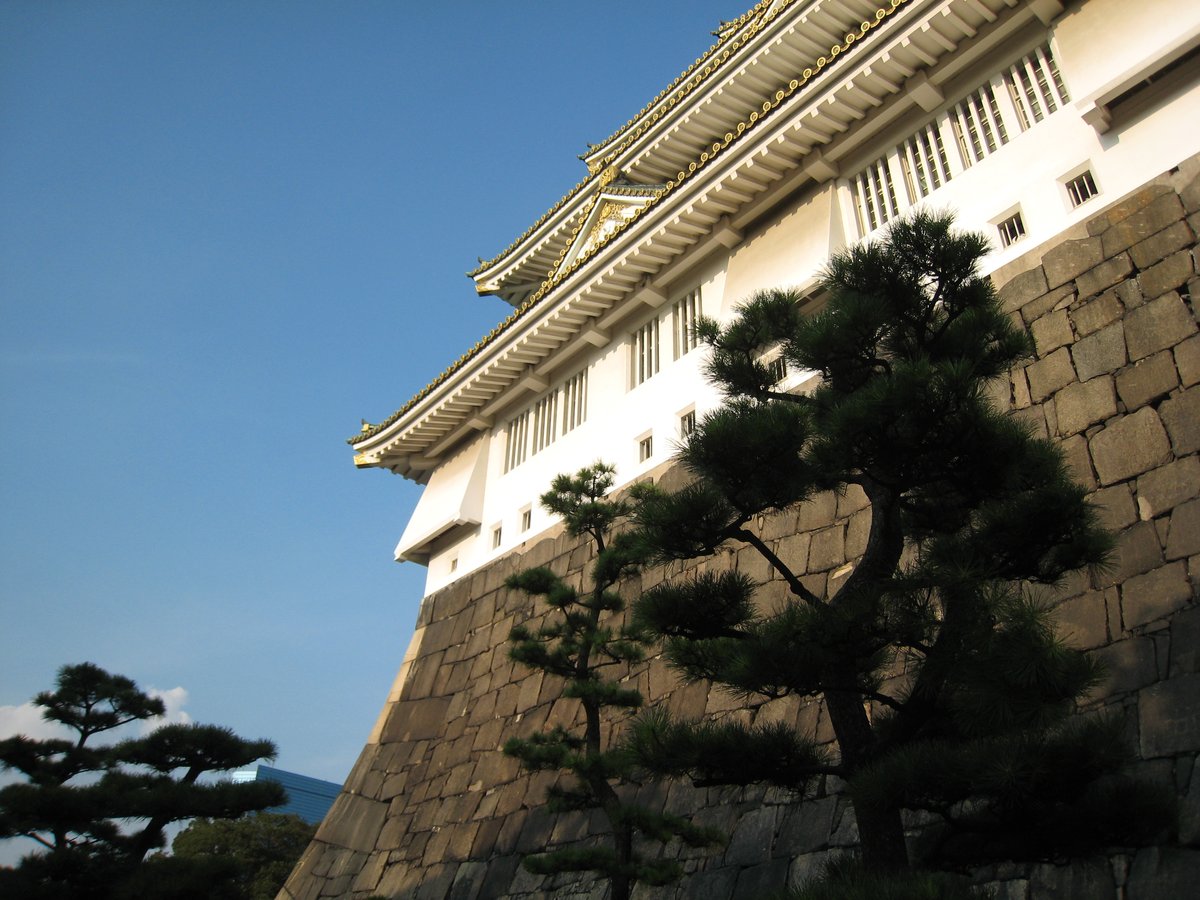
Osaka Castle, in central Osaka, is a prominent symbol of Japanese heritage. Toyotomi Hideyoshi began building it in 1583, and it played a central role in Japan’s unification during the Azuchi-Momoyama period. The current main tower was reconstructed in 1931 and houses a museum with historical exhibits (Osaka Castle Official Site).
- Hours Daily, 9:00 AM–5:00 PM; last admission is 4:30 PM.
- Closed December 28–30.
- Tickets Adults 600 yen; children aged 6–15, 200 yen. Tickets are available at the entrance or online. Group and combination tickets with nearby attractions are also available.
- Getting there Osakajokoen Station on the JR Loop Line is a 10-minute walk away. Tanimachi 4-chome Station serves the Tanimachi and Chuo subway lines. From Kansai Airport, take the JR Haruka Express to Tennoji, then the JR Loop Line.
- Facilities and access Ramps, elevators, multilingual signage, audio guides, restrooms, lockers and gift shops are available.
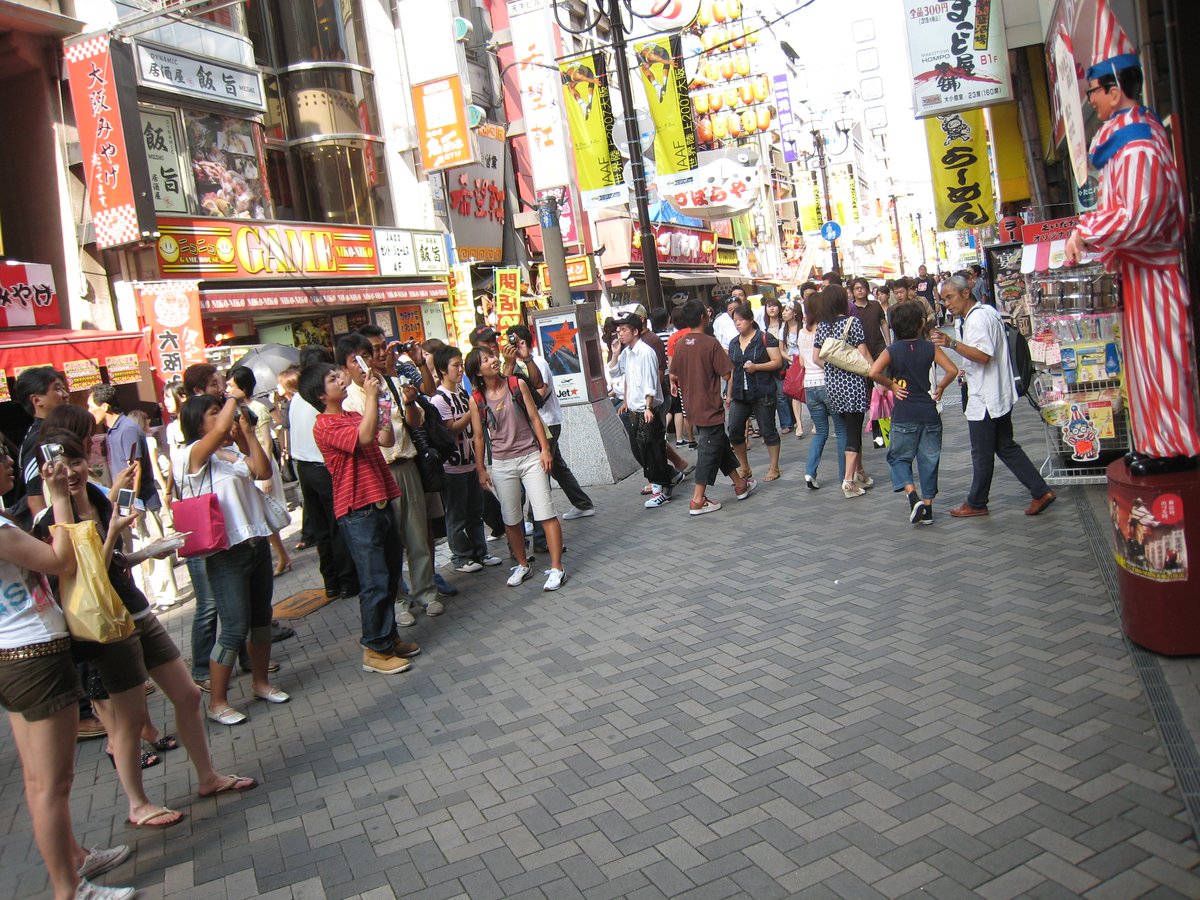
Nearby sites include Nishinomaru Garden, known for seasonal cherry blossoms and views; the walkable Osaka Museum of History; and the Temmabashi and Dotonbori cultural and entertainment districts. On-site options include cafés, vending machines and picnic spots.
Other nearby places
Hirakata Park is an amusement park with gardens and seasonal events. Kuzuha Mall offers shopping and dining. Riverside cherry blossoms are popular in spring, and Osaka and Kyoto temples, museums and historic neighbourhoods are accessible by train. Hirakata’s location also provides access to seasonal festivals, culinary specialties and local events (Osaka Events Guide).
Tips
Spring and autumn are the best seasons to visit Hirakata Shrine. For shrine visits, dress modestly, follow shrine customs and use translation apps if needed; souvenirs, including omamori, are available in the gift shop.
At Osaka Castle, photo spots include Nishinomaru Garden, moat bridges and elevated viewpoints. Early or late visits offer the best light and fewer crowds. The Cherry Blossom Festival takes place in spring, and Autumn Moon Viewing in fall. Multilingual guided tours are available on request, and night illumination takes place on special evenings.
Pets are not allowed inside Osaka Castle buildings but are permitted outdoors. Parking is available in limited paid lots; public transport is recommended.
For updates on university hours, tours and events, consult the Kansai Medical University Hospital English website and KMU Global. The Audiala app is also listed as a source of interactive maps, schedules, personalized visitor guides and Kansai travel recommendations.
Frequently Asked Questions
Kansai Medical University
Is there an entrance fee?
Campus and hospital visits are free; some events may require registration.
Are tours available all year?
Guided tours are mainly held during Open Campus Days and special events. Check the official website for details.
Are international visitors welcome?
Yes. Interpreter services are available upon reservation.
How do I get to KMU from Osaka?
Take the Keihan Railway to Hirakatashi Station; the campus is a three-minute walk away.
Can I take photos on campus?
Yes, in public areas. Avoid clinical zones and respect privacy.
Osaka Castle
Can I bring a stroller into the main tower?
Elevators are available, but some areas have limited access.
Are pets allowed?
Not inside buildings, but they are permitted in outdoor areas.
Is parking available?
There are limited paid lots. Public transport is recommended.
Are food and drinks available?
On-site cafés, vending machines and picnic spots are available.
Hirakata Shrine
Is there an entrance fee?
No, but some events may require tickets.
Are English tours available?
Yes, by reservation.
Is the shrine accessible?
Yes, accessible facilities are available.
Are souvenirs available?
Yes, at the shrine’s gift shop.
What is the best time for photos?
Early morning or late afternoon.