Historical Background and Significance
Origins and Early Development
The museum’s origins trace back to the Osaka City Electricity Science Museum, which opened in 1937 as Japan’s pioneering venue for public science education and home to the nation’s first planetarium. This facility played a crucial role in introducing Osaka’s citizens to the marvels of electricity and astronomy during a period of rapid modernization (Wikipedia; City of Osaka).
Modern Rebirth
Reimagined and relocated in 1989 as a centennial project for Osaka City, the current museum benefited from substantial support by Kansai Electric Power Company. Its mission—to ignite scientific curiosity through interaction and experience—remains central, with the museum now a key educational institution in the Kansai region (Wikipedia; SakuraTrips).
Architectural and Educational Importance
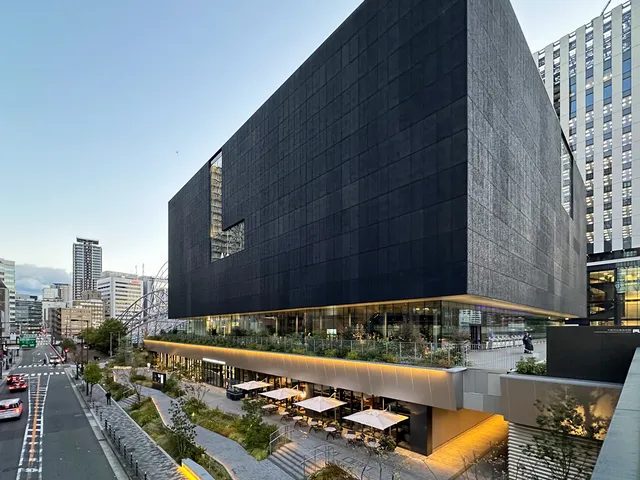
Architecturally, the museum is integrated with the underground National Museum of Art, symbolizing Osaka’s dual dedication to science and the arts. The building’s four exhibition floors, each focused on a different scientific field, reflect a broad commitment to education and innovation (Japan Experience).
The museum is also historically significant as the site where Nobel laureate Hideki Yukawa developed his groundbreaking theory on mesons, and where Japan’s first cosmic radio wave measurements were taken (Wikipedia).
Museum Layout and Main Attractions
Location and Building
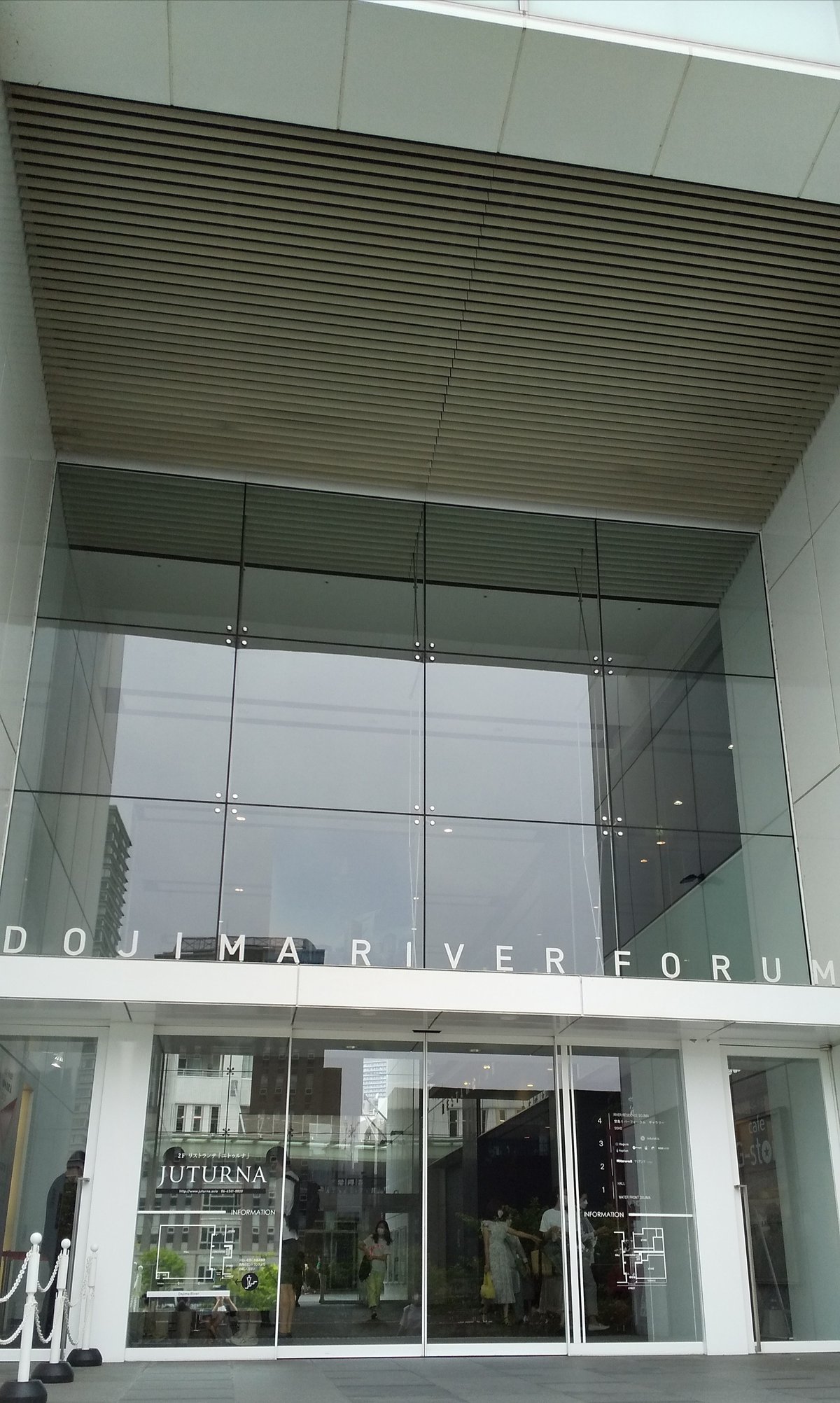
The Osaka Science Museum is situated at 4-2-1 Nakanoshima, Kita Ward, Osaka, adjacent to the National Museum of Art. The contemporary building, designed to resemble a ship’s bridge, overlooks the Dojima River, enhancing its visual appeal (official website; PlanetWare).
Floor-by-Floor Guide
| Floor | Theme | Key Attractions |
|---|---|---|
| Basement | Entrance & Facilities | Lobby, ticketing, museum shop, lockers, planetarium |
| 1st Floor | Energy & Everyday Science | Interactive energy exhibits, Science Show Stage |
| 2nd Floor | Universe & Astronomy | Solar system models, meteorites, planetarium access |
| 3rd Floor | Chemistry & Materials | Hands-on chemistry, periodic table, nanotechnology |
| 4th Floor | Physics & Technology | Optics, robotics, sound, renewable energy |
Main Highlights
- Planetarium One of the world’s largest domes (26.5m), offering stunning simulations of the night sky, updated quarterly. Separate ticket required (Japan Guide).
- Interactive Exhibits 200+ hands-on displays across all floors, including energy bikes, magnetic trains, and optical illusions (Trip to Japan).
- Live Science Shows Daily demonstrations on the 1st floor, accessible and visually engaging for all audiences.
- Special Exhibitions Rotating themes such as black holes and advanced physics.
- Museum Shop & Café Science-themed souvenirs and light refreshments with river views.
Visiting Information
Location & Access
- Address 4-2-1 Nakanoshima, Kita-ku, Osaka
- Nearest Stations
- Higobashi Station (Yotsubashi Line) – 10 mins walk
- Watanabebashi Station (Keihan Nakanoshima Line) – 6 mins walk
- Fukushima Station (JR Osaka Loop) – 5 mins walk (Kanpai Japan)
- Nearby Attractions National Museum of Art, Nakanoshima Park, Osaka Castle (Tsunagu Japan)
Opening Hours
- Tuesday–Sunday 9:30 AM – 5:00 PM (last admission 4:30 PM)
- Closed Mondays (or the following day if Monday is a national holiday), New Year holidays, and for facility maintenance (Osaka Info)
Admission Fees
-
Exhibition Halls
- Adults: ¥400
- University/High School Students: ¥300
- Junior High and Younger: Free
-
Planetarium (separate ticket)
- Adults: ¥600
- Students: ¥450
-
Tickets Available onsite and online (official website). Advance booking is advised for planetarium shows and peak periods.
Accessibility
- Facilities Elevators, ramps, accessible restrooms, baby care rooms, coin lockers.
- Wheelchair Rentals Available at entrance.
- Language Support English signage for major exhibits, pamphlets, and occasional audio guides.
- Food & Drink Café and designated rest areas only.
Visitor Experience
Interactive Exhibits
The museum’s hallmark is its hands-on approach, allowing visitors to experiment with electricity, chemistry, optics, and more. Themed floors guide visitors from the 4th floor down, each area designed for intuitive exploration and learning (Japan Guide).
Science Shows
Live demonstrations take place several times daily, using dramatic experiments to illustrate core scientific concepts. These are especially popular with families and school groups (Osaka Info).
Planetarium
With its impressive dome and advanced projection, the planetarium offers immersive journeys through the cosmos. Shows are mostly in Japanese but visual content is universally appealing; some sessions may include English subtitles or guides (Osaka Info).
Rooftop Observatory
Occasional stargazing events allow visitors to observe celestial phenomena with telescopes; advance booking may be required (Trip to Japan).
Museum Shop & Café
The shop features science kits, books, and unique souvenirs, while the café offers light meals and river views—perfect for a relaxing break during your visit.
Practical Tips
- Best Times to Visit Weekdays and mornings are quieter. Expect crowds on weekends, holidays, and during school vacations.
- Typical Visit Duration 2–3 hours, or longer if attending a planetarium show or science demonstration.
- Photography Allowed in most areas, but restricted during shows and in the planetarium.
- Parking Limited paid parking nearby. Public transport is recommended.
- Nearby Sites Combine your visit with the National Museum of Art, Nakanoshima Park, or Osaka Castle for a full day of cultural experiences.
Cultural Impact and Community Role
Educational Leadership
The museum has been a leader in promoting science education and public engagement in the Kansai region since 1989, hosting school programs, workshops, and science festivals (Nippon.com).
Community Outreach
Programs target schools, families, and underserved groups, while seasonal events like science fairs and stargazing nights foster a love of discovery.
Symbol of Modern Osaka
As part of Nakanoshima’s cultural corridor, the museum complements the city’s rich history with a forward-looking approach to learning and innovation (Explore City Life).
Tourism Contribution
The museum’s interactive approach and convenient location make it a top recommendation for families and science aficionados visiting Osaka (Trip to Japan).
Safety, Comfort, and Sustainability
Osaka Science Museum maintains high safety, cleanliness, and accessibility standards. Staff can assist in Japanese and basic English, and emergency systems are in place (Magical Trip). The museum incorporates energy-saving technologies and sustainability education, aligning with Osaka’s goals ahead of Expo 2025 (Nippon.com).
Frequently Asked Questions (FAQ)
Q: What are the Osaka Science Museum visiting hours?
A: Tuesday–Sunday, 9:30 AM–5:00 PM (last entry 4:30 PM). Closed on Mondays and New Year holidays.
Q: How much are tickets?
A: Exhibition halls: ¥400 (adults), ¥300 (students), free for children. Planetarium: additional ¥600/¥450.
Q: Is the museum wheelchair accessible?
A: Yes, with elevators, ramps, and accessible restrooms.
Q: Are English guides available?
A: English signage for main exhibits, pamphlets, and occasional audio guides.
Q: Can I take photos inside?
A: Yes, except during live shows and in the planetarium.
Q: Is parking available?
A: Limited paid parking; public transport is recommended.
Plan Your Visit
To make the most of your experience:
- Purchase tickets online in advance, especially for the planetarium.
- Check the latest visiting hours and event schedules on the official website.
- Download the Audiala app for audio guides, updates, and exclusive content.
- Explore nearby attractions for a full cultural day in Osaka.