Plan and listen to Togokusan Fruits Park with Audiala.
Audio guide in your pocket, itinerary in your browser. Built for the way you actually visit.
Introduction
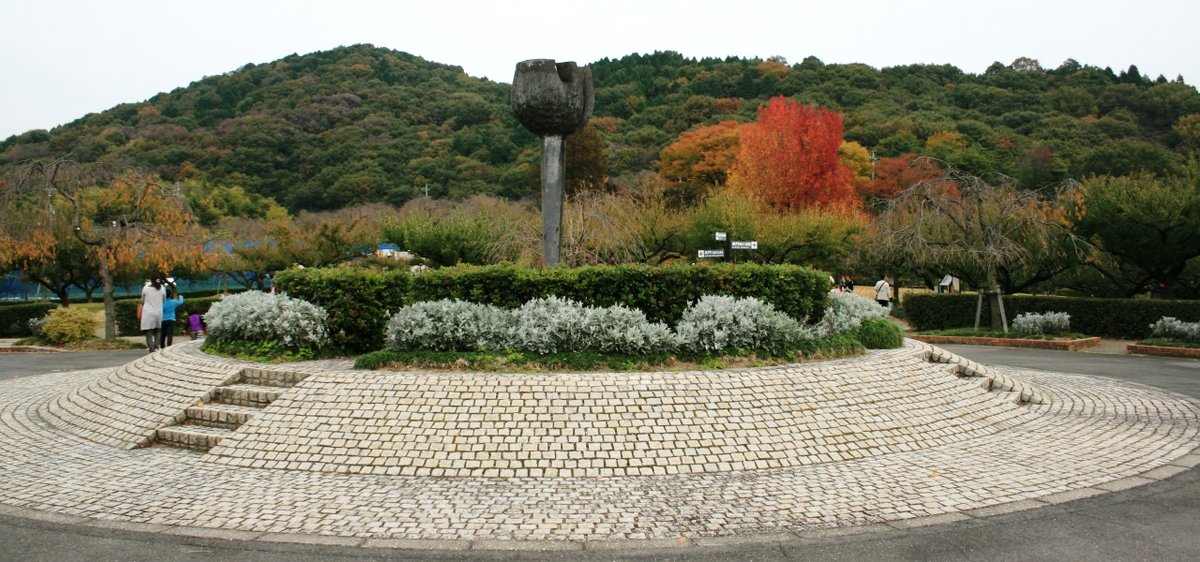
Togokusan Fruits Park, located in the picturesque landscape of Nagoya, Japan, is a unique agricultural theme park that has captivated visitors since its establishment in 1980. Designed to foster agricultural education and promote tourism, the park spans an impressive 28 hectares at the base of Mount Togoku. The park is not just a hub for fruit enthusiasts but also a cultural and educational landmark that reflects Japan's rich agricultural heritage and commitment to sustainability. Visitors can explore over 100 varieties of fruit trees, ranging from apples and pears to tropical and subtropical fruits housed in specialized greenhouses. Togokusan Fruits Park's commitment to sustainability is evident in its eco-friendly practices, such as organic farming and natural pest control, making it a model for environmental conservation (source).
Apart from its agricultural significance, the park holds immense cultural value. Seasonal fruit-picking events and traditional Japanese tea ceremonies offer an immersive experience, allowing visitors to connect deeply with Japan's natural rhythms and cultural practices. With over 500,000 annual visitors, the park significantly bolsters the local economy through entrance fees, food sales, and the promotion of local produce. The park's design incorporates traditional Japanese elements, ensuring a harmonious and enriching visitor experience (source). This comprehensive guide aims to provide all the necessary information for a fulfilling visit to Togokusan Fruits Park, covering everything from history and visitor tips to educational programs and nearby attractions.

History and Significance
Origins and Development
Togokusan Fruits Park was founded as part of Nagoya's initiative to foster agricultural education and tourism. Spanning approximately 28 hectares at the foot of Mount Togoku, the park offers a tranquil setting that enhances its educational and recreational appeal.
Agricultural Heritage
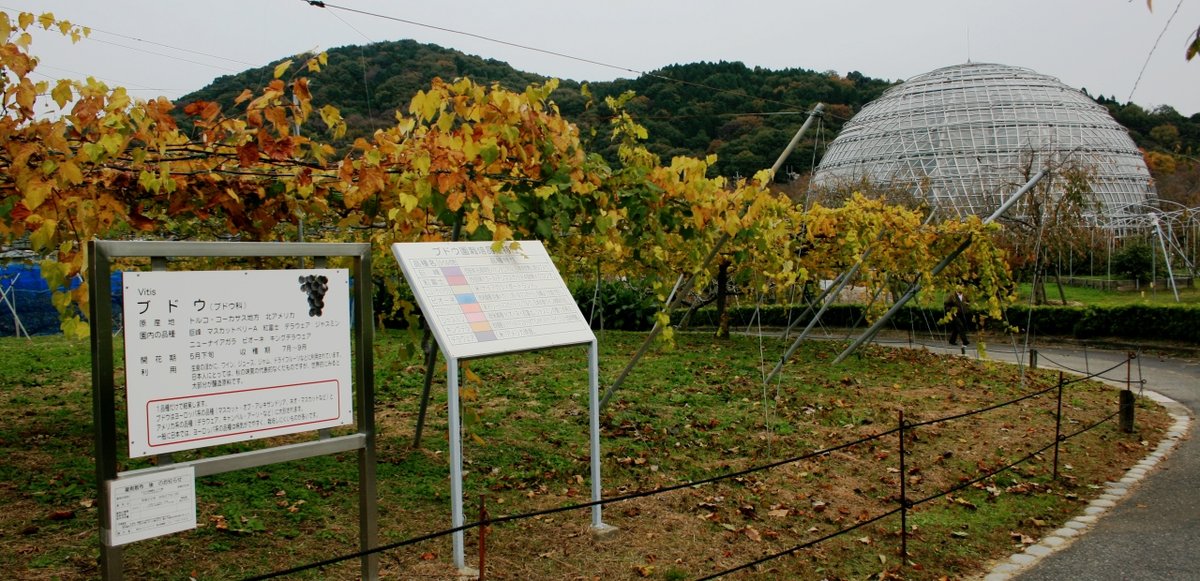
The park showcases Japan's rich agricultural heritage with over 100 different types of fruit trees, including apples, pears, grapes, and persimmons. This diversity underscores Japan's agricultural richness and serves as an educational resource for visitors.
Educational Significance
Togokusan Fruits Park provides various educational programs and workshops on fruit cultivation and sustainable agriculture. The park's greenhouse, featuring tropical and subtropical fruits, adds an extra dimension to its educational offerings.
Cultural Importance
The park reflects Japan's deep connection to nature and the seasons, offering different fruits in each season. Cultural events such as fruit-picking and traditional Japanese tea ceremonies further enhance its cultural value.
Economic Impact
Togokusan Fruits Park attracts over 500,000 visitors annually, boosting the local economy through entrance fees, food, and souvenirs. The park also supports local farmers by providing a platform to sell their produce directly to consumers.
Environmental Significance
The park employs eco-friendly practices such as organic farming and natural pest control, emphasizing sustainability. Initiatives like rainwater harvesting and composting further highlight its commitment to environmental conservation.
Architectural and Landscape Design
The park's design incorporates traditional Japanese elements like stone lanterns, wooden bridges, and koi ponds. The layout ensures a seamless visitor experience, with orchards arranged for easy navigation and exploration.
Community Engagement
Togokusan Fruits Park actively engages with the local community through volunteer programs and collaborations with schools, businesses, and artists. These activities foster a sense of community and provide valuable agricultural experiences.
Future Prospects
The park aims to expand its educational programs and introduce smart farming techniques to enhance the visitor experience. It is also exploring ways to increase its environmental impact by implementing more sustainable practices.
Visitor Information
Visiting Hours
The park is open daily from 9:00 AM to 5:00 PM. Note that the park may have different hours during special events or holidays.
Tickets
Entrance fees are ¥500 for adults, ¥300 for children, and free for children under six.
Travel Tips
The park is accessible by public transport from Nagoya Station. On-site parking is available.
Nearby Attractions
Visitors can explore nearby sites like Nagoya Castle and the Nagoya City Science Museum.
Special Events
The park hosts seasonal fruit-picking events and guided tours. Check the official website for the latest schedule.
Photography Spots
The cherry blossoms in spring and the panoramic views from Mount Togoku are must-see photography spots.
FAQ
What are the visiting hours for Togokusan Fruits Park?
The park is open daily from 9:00 AM to 5:00 PM.
How much are the tickets for Togokusan Fruits Park?
Entrance fees are ¥500 for adults, ¥300 for children, and free for children under six.
Is Togokusan Fruits Park wheelchair accessible?
Yes, the park is wheelchair accessible with paved paths and ramps.
What types of fruit can be picked at the park?
Depending on the season, visitors can pick strawberries, grapes, apples, and persimmons.
Listen to the full story in the app
The whole Togokusan Fruits Park,
told well.
Listen to sourced travel stories with local history and practical context — ready offline.
Verified, and shown.
Researched and written by the Audiala editorial team from historical records, architectural archives, and local expertise.
Built from cited sources · see the method · How we make our guides →