Plan and listen to Nakagawa Canal with Audiala.
Audio guide in your pocket, itinerary in your browser. Built for the way you actually visit.
Introduction
The Nakagawa Canal, a landmark of Nagoya’s industrial and cultural heritage, has evolved from Asia’s largest canal for freight transport into a vibrant urban destination. Today, it seamlessly blends green promenades, cultural venues, and historic engineering with modern redevelopment and community events. This guide details the canal’s history, visitor information—including Nakagawa Canal visiting hours and ticketing—top attractions, and practical travel tips, ensuring an enriching experience at one of Nagoya’s premier historical sites (Rinnai Corporation, 2012).

History and Construction
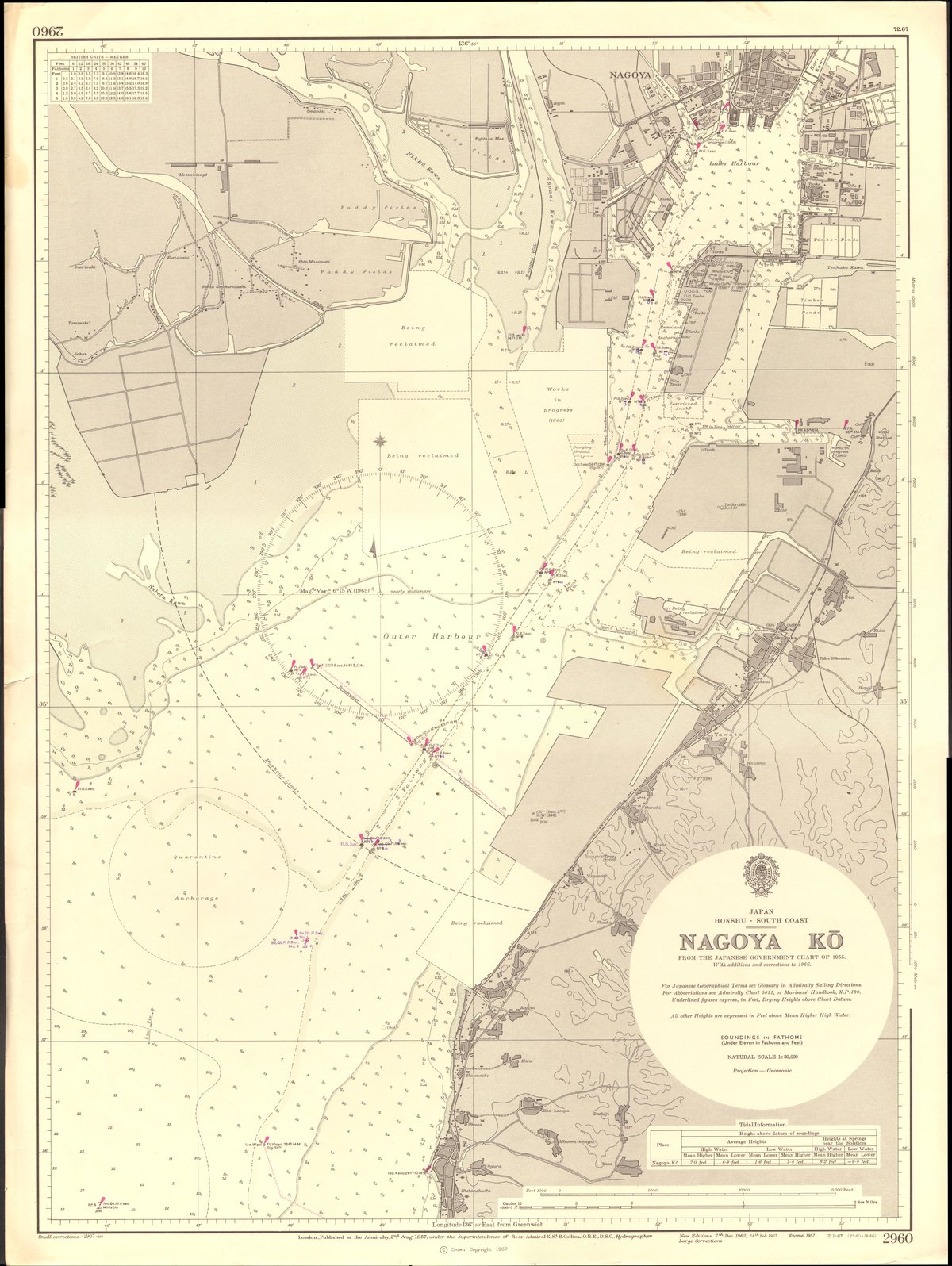
The Nakagawa Canal (中川運河, Nakagawa Unga) was constructed between 1926 and 1930 to connect Nagoya Port with the city’s industrial zones (Rinnai Corporation, 2012). Stretching over 8 kilometers, it was once acclaimed as the “largest canal in the Orient,” driving Nagoya’s growth in manufacturing and trade. The canal’s creation involved large-scale urban reshaping, which included the relocation of several key industrial sites.
Industrial Role and Urban Transformation
During the 20th century, the canal enabled efficient waterborne freight, fueling Nagoya’s rise as a manufacturing leader in automotive, ceramics, and machinery (Nagoya Info). However, by the 1960s, advancements in road and rail transport led to a sharp decline in canal-based shipping. The once-bustling waterway became underutilized, prompting new visions for its future.
Restoration and Revitalization
Recognizing the canal’s historical and environmental value, Nagoya City and the Nagoya Port Authority initiated an extensive revitalization effort in 2012 (sustainableworldports.org). Key milestones include:
- Water Quality Improvements: Introduction of highly treated water, sand covering in the eastern branch, and the 2024 Matsushige Pump Station renovation, all aimed at restoring ecological health.
- Green Promenades: Landscaped walkways, cycling paths, and urban parks now frame the canal, offering scenic leisure spaces.
- Cultural Programming: The establishment of the Nakagawa Unga Gallery and regular community events foster local engagement and creativity (nakagawaunga.org).
The revitalization aligns with the United Nations Sustainable Development Goals, earning international recognition for its sustainable urban redevelopment (sustainableworldports.org).
Key Attractions and Experiences
Nakagawa Unga Gallery
Opened in 2022, this hub features art exhibitions, lectures, and hands-on workshops, deepening appreciation for the canal’s history and contemporary relevance (nakagawaunga.org).
Canal Resort
A modern hot spring and wellness complex, Canal Resort offers indoor and outdoor onsen, saunas, and local cuisine with hours from 9:00 AM to 3:00 AM (Trip.com).
Boating and Cruises
The Cruise Nagoya Water Bus provides scenic rides with stops at Sasashima Live, Canal Resort, Minato Aquls, and Kinjo Pier, including the experience of passing through the historic Matsushige Lock Gate (Aichi Now).
Public Art and Cultural Installations
Sculptures, murals, and open-air art festivals enliven the waterfront, reflecting both industrial heritage and contemporary creativity (ICF Nagoya).
Historical Landmarks
Interpretive displays and remaining infrastructure, like the Matsushige Lock Gate and the former freight depot, showcase the canal’s legacy.
Visitor Information: Hours, Tickets, Accessibility
- Canal Area: Open year-round, typically 6:00 AM–10:00 PM; free entry.
- Nakagawa Unga Gallery: Tuesday–Sunday, 10:00 AM–6:00 PM; closed Mondays; event/workshop ticketing as posted.
- Canal Resort: 9:00 AM–3:00 AM daily; admission fees apply (Trip.com).
- Cruise Nagoya Water Bus: Runs daily (seasonal schedules); tickets ¥500–¥1,500, available at terminals or online (Aichi Now).
- Accessibility: Promenades, gallery, and most facilities are wheelchair- and stroller-friendly; accessible restrooms, ramps, and Wi-Fi are widely available (Nagoya Info).
Major Redevelopment Projects
Nakagawa Canal DOORS
Launching in 2024, this transformative project introduces a boutique SETRE hotel, new restaurants, office spaces, and a dedicated terminal for Cruise Nagoya, with completion expected in 2026 (prtimes.jp, yume-sakae.com). This development enhances the canal’s urban connectivity and visitor offerings.
Events, Festivals, and Community Life
- Cheers at the Waterside (水辺で乾杯): Annual toast event every July 7th.
- Art Workshops and Sales: Regular creative sessions at Nakagawa Unga Gallery.
- Seasonal Festivals: Cherry blossom hanami, autumn foliage walks, and illuminated night cruises.
- International Forums: Events like the International Canal Forum Nagoya foster urban dialogue and sustainability (ICF Nagoya).
To check upcoming events, review the Nagoya events calendar.
Dining, Amenities, and Accessibility
- Dining: Canal-side cafes, izakayas, and food trucks serve regional dishes like hitsumabushi and miso katsu (Japan Welcomes You).
- Amenities: Public restrooms, free Wi-Fi (“Nagoya Free Wi-Fi”), and tourist information centers are readily available.
- Family-Friendly: Parks and open lawns invite picnics and leisure for all ages.
Getting There: Transportation Guide
- From Nagoya Station: Walk (~15 min), take a local bus, or use the Aonami Line to Sasashima-raibu Station.
- Cruise Nagoya Water Bus: Connects key canal stops; see Aichi Now for current schedule.
- By Car: Parking available at Canal Resort and Minato Aquls (fees vary).
- By Bicycle: Rentals available; canal paths are bike-friendly.
Seasonal Highlights and Best Time to Visit
- Spring: Cherry blossoms and hanami picnics.
- Summer: Night cruises, festivals, and boating events.
- Autumn: Colorful foliage and harvest celebrations.
- Winter: Festive illuminations and quieter promenades.
Consider weather conditions: spring and autumn are most comfortable; summers are humid with occasional rain (EaseWeather).
Frequently Asked Questions (FAQ)
Q: What are Nakagawa Canal visiting hours?
A: Promenades are open daily from 6:00 AM to 10:00 PM. Facilities like Canal Resort and Nakagawa Unga Gallery have specific hours.
Q: Are Nakagawa Canal tickets required?
A: The canal and parks are free; events, Canal Resort, and cruises require tickets.
Q: Is the canal area wheelchair accessible?
A: Yes, most promenades, galleries, and major stops have barrier-free access.
Q: How do I buy Cruise Nagoya Water Bus tickets?
A: Purchase at boarding points or online (Aichi Now).
Q: When is the best time to visit?
A: Spring and autumn for pleasant weather and events; summer for festivals; winter for lights and fewer crowds.
Q: Is Nakagawa Canal safe for tourists?
A: Yes, Nagoya is considered very safe; standard travel precautions are recommended (Best Pub Crawl).
Listen to the full story in the app
The whole Nakagawa Canal,
told well.
Listen to sourced travel stories with local history and practical context — ready offline.
Verified, and shown.
Researched and written by the Audiala editorial team from historical records, architectural archives, and local expertise.
Built from cited sources · see the method · How we make our guides →