Plan and listen to Mizuho Athletic Stadium with Audiala.
Audio guide in your pocket, itinerary in your browser. Built for the way you actually visit.
Introduction: Mizuho Athletic Stadium and Its Significance in Nagoya
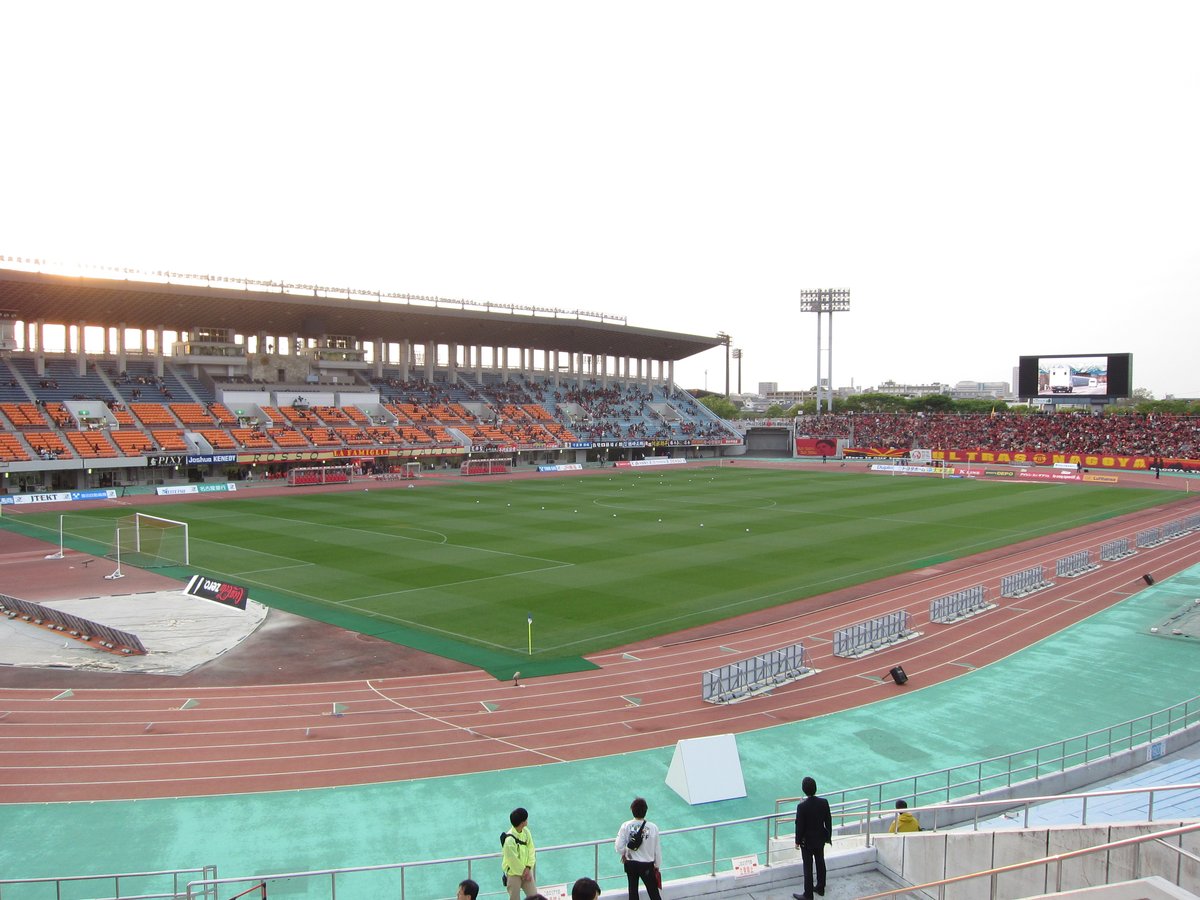
Located in the heart of Nagoya, Japan, Mizuho Athletic Stadium (瑞穂陸上競技場, Mizuho Rikujō Kyōgijō) is a landmark of sporting history, architectural evolution, and community engagement. Originally established in 1941 during a national effort to promote physical education and public health, the stadium has transformed over the decades into a premier multi-purpose venue within Paloma Mizuho Sports Park. It stands not only as the home ground for Nagoya Grampus, a renowned J.League football club, but also as a key site for athletics, rugby, and major international events.
As the main stage for the upcoming 2026 Asian Games and Asian Para Games, Mizuho Athletic Stadium is undergoing significant redevelopment, prioritizing sustainability, accessibility, and community integration. Its evolution mirrors Nagoya’s growth and its ongoing commitment to fostering sports, culture, and environmental harmony.
This guide provides an in-depth look at the stadium’s history, architecture, visitor information—including up-to-date visiting hours and ticketing—accessibility features, nearby attractions, and practical tips, ensuring a comprehensive experience for visitors and sports enthusiasts alike (tfcstadiums.com; Soccerphile; Aichi-Nagoya 2026 official site).

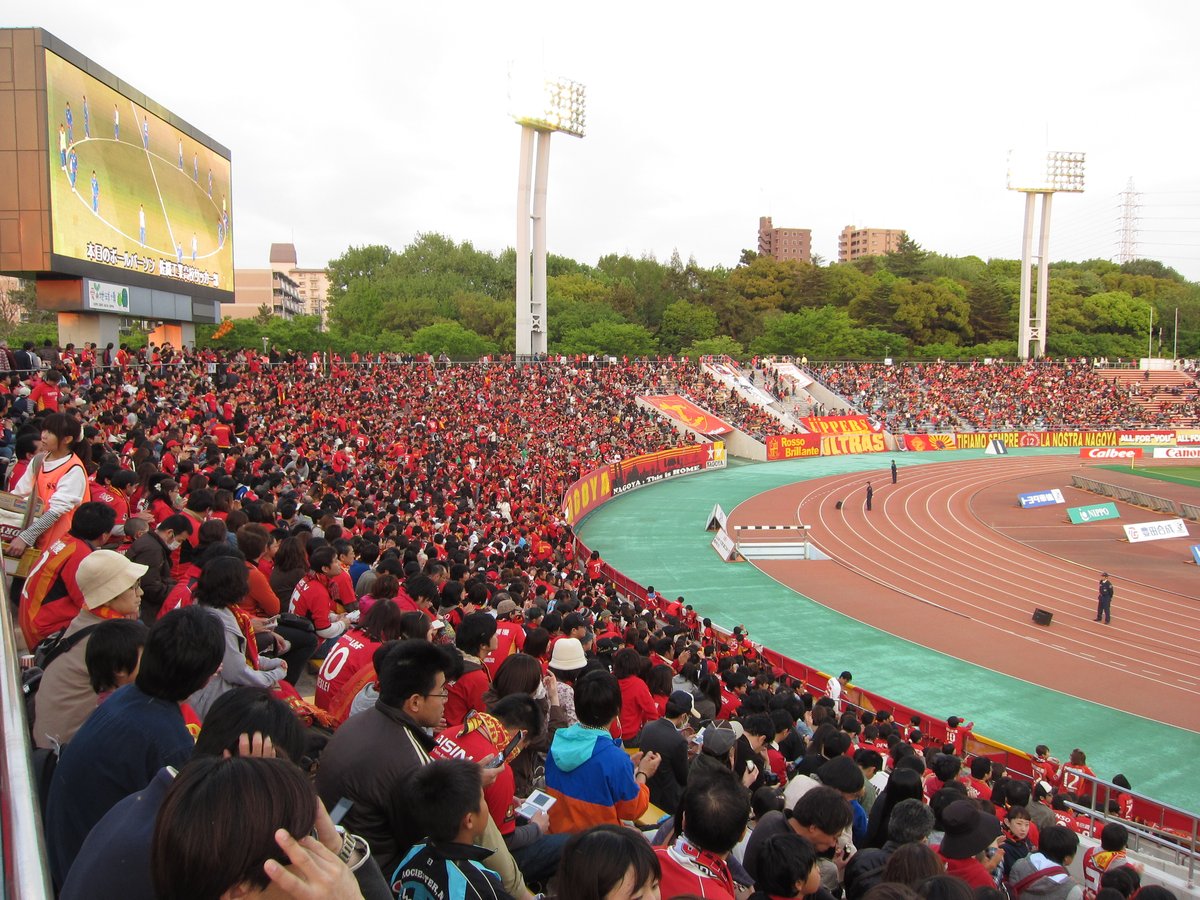
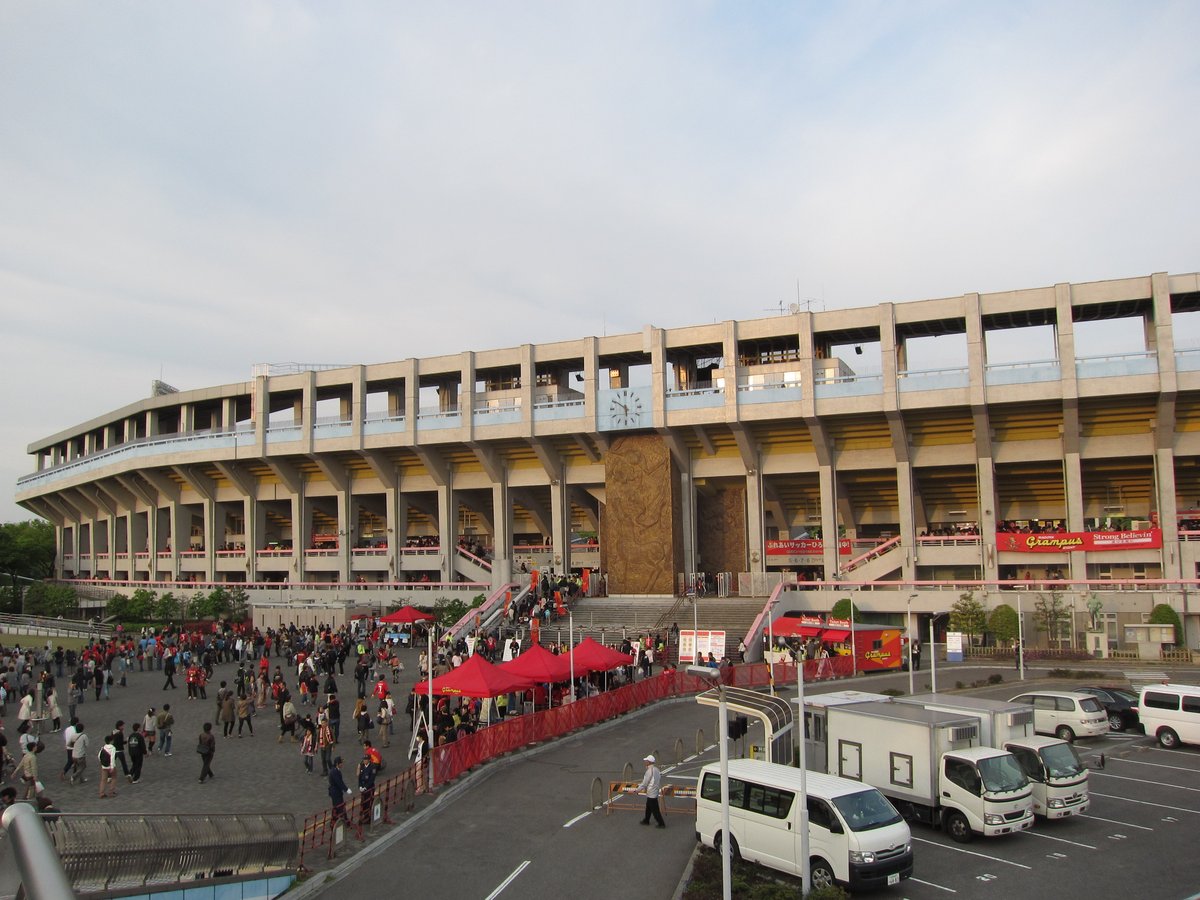

Origins and Historical Development
Mizuho Athletic Stadium was constructed in 1941, marking a pivotal moment in Nagoya’s effort to establish community sports infrastructure. Its early years were defined by a mission to promote organized athletics and public health, providing a venue for both regional and national competitions. Over time, the stadium became a symbol of Nagoya’s resilience, especially in the post-war era, serving as a site of civic pride and sporting excellence.
As part of the broader Paloma Mizuho Sports Park, the stadium’s multi-purpose design facilitated a range of events, from athletics to football and rugby, reflecting the city’s growing enthusiasm for sport and recreation.
Expansion, Modernization, and Redevelopment
Throughout its history, Mizuho Athletic Stadium has experienced multiple renovations to adapt to changing needs. Notable upgrades in the post-war period and during the 1980s expanded seating capacity and improved facilities to support increasing sports participation.
The 21st century has seen the stadium solidify its status as a home for Nagoya Grampus and a central hub for major sporting events. Integration with the Paloma Mizuho Sports Park complex ensures year-round community use, with additional amenities including an indoor arena and aquatic center (tfcstadiums.com).
Anticipating the 2026 Asian Games and Para Games, the stadium is undergoing a major sustainable redevelopment, embracing a design philosophy of "Sky, Forest, and Earth in Harmony." This transformation will increase capacity to 30,000–35,000 seats, introduce a two-tier covered stand, and enhance community accessibility with new public spaces (Aichi-Nagoya 2026 official site; StadiumDB).
Visitor Information: Hours, Tickets, and Accessibility
Visiting Hours
- Regular Days: Monday to Friday, 8:00 AM – 8:00 PM; Saturday and Sunday, 9:00 AM – 6:00 PM
- Event Days: Hours may vary; gates generally open 90 minutes before events. Always check the official website for updates.
Tickets and Admission
- General Admission: Required for sports events and major competitions. Prices typically range from ¥1,000 to ¥5,000, depending on the event.
- Purchasing Options: Buy tickets online via the official stadium or club website, at onsite ticket counters, or through authorized vendors such as Lawson Ticket.
- Community Access: During non-event times, public access to the running track and open areas is often available free of charge.
Accessibility
- Wheelchair Access: Designated seating, ramps, elevators, and accessible restrooms are provided.
- Advance Arrangements: Visitors needing accessible services should contact the stadium in advance to ensure appropriate accommodations.
Stadium Features and Facilities
- Seating: Tiered benches, reserved seats, and a covered grandstand for weather protection.
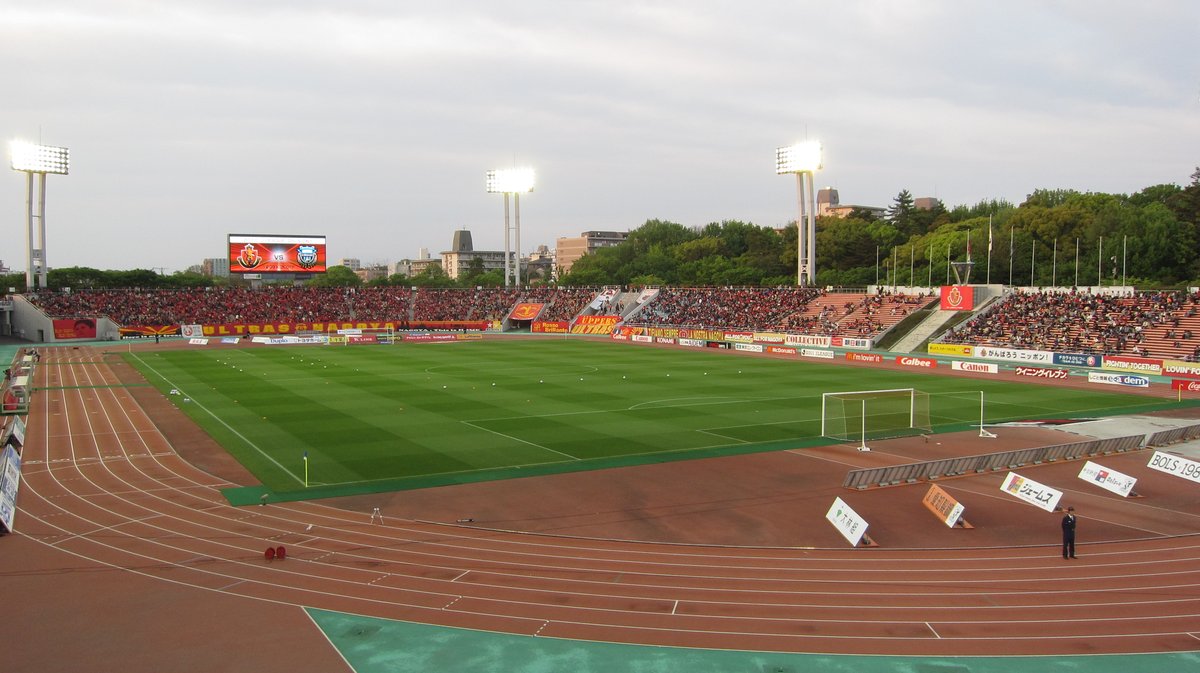
- Athletic Facilities: Eight-lane, all-weather synthetic track; natural grass infield for football and rugby; field event areas.
- Concessions: Multiple food and beverage stands offering Japanese and international cuisine. Food trucks and local specialties are available during major events.
- Merchandise: Shops and pop-up stalls selling team gear, event memorabilia, and Nagoya-themed souvenirs.
- Restrooms: Clean, accessible toilets throughout the stadium.
- Technology: Large digital scoreboard, live video replays, multilingual PA system, and strong Wi-Fi in key areas.
- Safety: Security screenings at entry, clear evacuation routes, and information desks with multilingual support.
Getting There: Transportation and Parking
- Subway: Mizuho Undōjō Higashi Station (Meijō Line) or Mizuho Kuyakusho Station (Sakura-dōri Line), both within a 10-minute walk.
- Bus: Several local routes serve Mizuho Ward and the stadium area (Google Maps).
- Parking: Limited on-site; public transport is recommended during large events.
- Bicycle: Racks are available near main gates.
- Taxi/Rideshare: Taxi stands at the main entrance; services like JapanTaxi and Uber operate in Nagoya.
Nearby Attractions and Nagoya Highlights
- Atsuta Shrine: One of Shinto’s most revered shrines, located about 4 km from the stadium.
- Nagoya Castle: A historical landmark with samurai heritage, accessible via public transit.
- Osu Shopping District: Vibrant area with traditional shops, boutiques, and street food.
- Showa Museum of Art, Nagoya City Museum, Kōshō-ji Temple: Cultural sites offering insights into Nagoya’s rich heritage (aroundus.com).
Special Events, Guided Tours, and Photo Opportunities
- Major Events: Host site for the 2026 Asian Games, local athletic meets, and J.League football matches.
- Guided Tours: Offered on select dates; check the official website for details and booking.
- Photo Spots: Covered grandstand, illuminated track during night events, and panoramic views from the scoreboard area.
Frequently Asked Questions (FAQ)
Q: What are the standard visiting hours?
A: Monday–Friday 8:00 AM–8:00 PM, weekends 9:00 AM–6:00 PM. Event days may differ; confirm online.
Q: How do I buy tickets?
A: Online via the official stadium or club site, at ticket counters, or through authorized vendors.
Q: Is the stadium accessible for wheelchair users?
A: Yes; accessible seating, ramps, elevators, and restrooms are available. Contact the stadium for arrangements.
Q: Are guided tours available?
A: Yes, on selected dates. Check the official website for tour schedules.
Q: What transport options are there?
A: Subway (Meijō and Sakura-dōri Lines), buses, limited parking, bike racks, and taxi/rideshare services.
Practical Tips for Visitors
- Arrive Early: Security and crowds can slow entry on event days.
- Dress Accordingly: Most seating is uncovered; bring sun protection or rain gear.
- Cash and Cards: Some vendors are cash-only; carry both.
- Language: English signage present; a translation app is useful.
- Photography: Allowed for personal use; check event-specific rules.
- Accessibility Needs: Contact the stadium in advance if special arrangements are required.
- Transport: Public transit is highly recommended for major events.
Architectural and Cultural Impact
Mizuho Athletic Stadium is more than a sports venue—it’s a symbol of Nagoya’s commitment to community, sustainability, and international collaboration. Its redevelopment for the Asian Games emphasizes eco-friendly design, multi-functionality, and accessibility, ensuring the stadium remains a cherished asset for generations. Situated within Mizuho Park, it integrates sports, leisure, and nature, embodying the Japanese “LifeSports” philosophy.
The stadium’s legacy includes hosting historic events, supporting the growth of Japanese football, and serving as a focal point for local gatherings, festivals, and cultural celebrations. Its role in upcoming international events will further elevate Nagoya’s global profile (StadiumDB; Soccerphile).
Summary of Key Points and Recommendations
Mizuho Athletic Stadium stands at the crossroads of history, innovation, and community spirit. Visitors benefit from:
- Convenient access via public transportation
- Comprehensive accessibility features
- Modern facilities and sustainable design
- Proximity to Nagoya’s cultural landmarks and attractions
- Opportunities to experience both world-class sports and local traditions
To maximize your experience, check official sources for current visiting hours, event schedules, and ticket availability. Utilize resources like the Audiala app for real-time updates, travel tips, and exclusive content.
Visuals and Interactive Elements


Explore the virtual tour of Mizuho Athletic Stadium for an immersive preview.
Listen to the full story in the app
The whole Mizuho Athletic Stadium,
told well.
Listen to sourced travel stories with local history and practical context — ready offline.
Verified, and shown.
Researched and written by the Audiala editorial team from historical records, architectural archives, and local expertise.
Built from cited sources · see the method · How we make our guides →