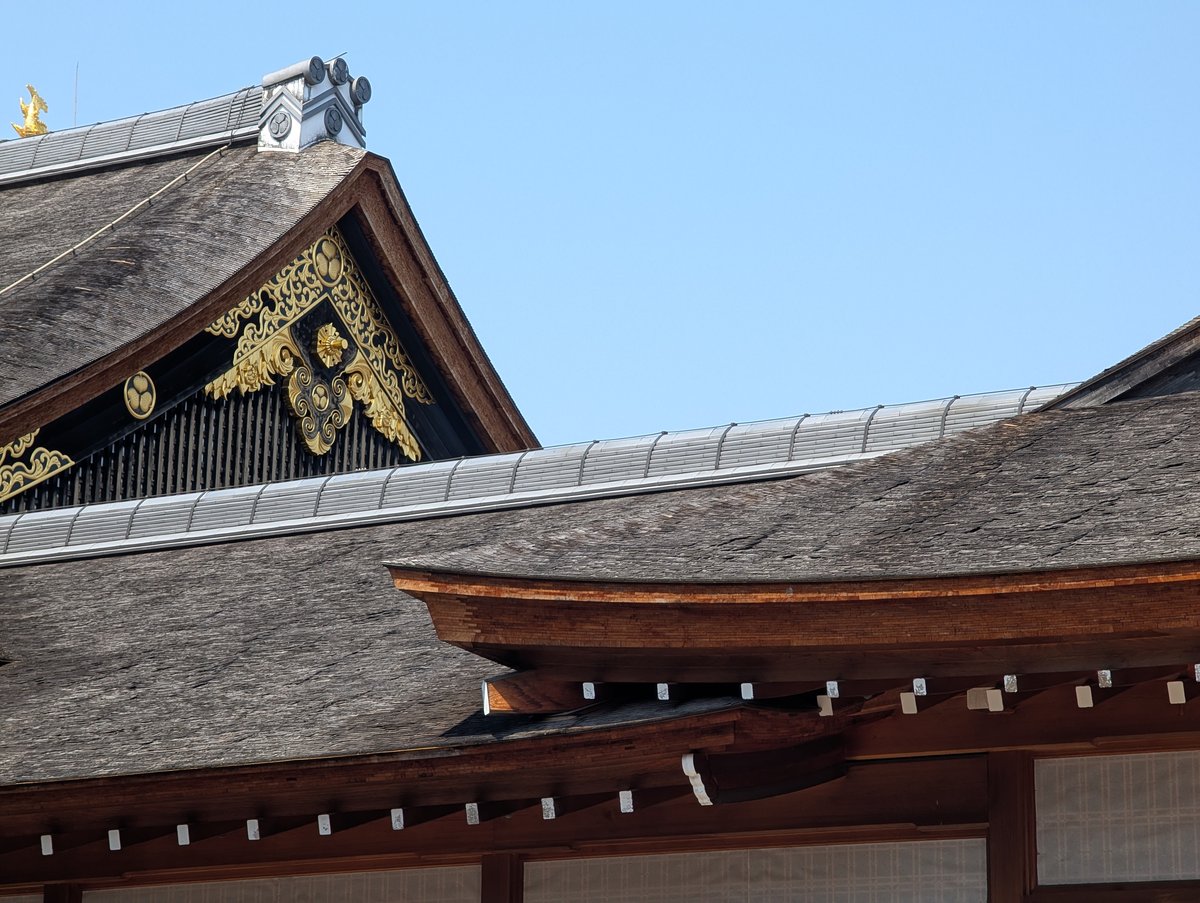
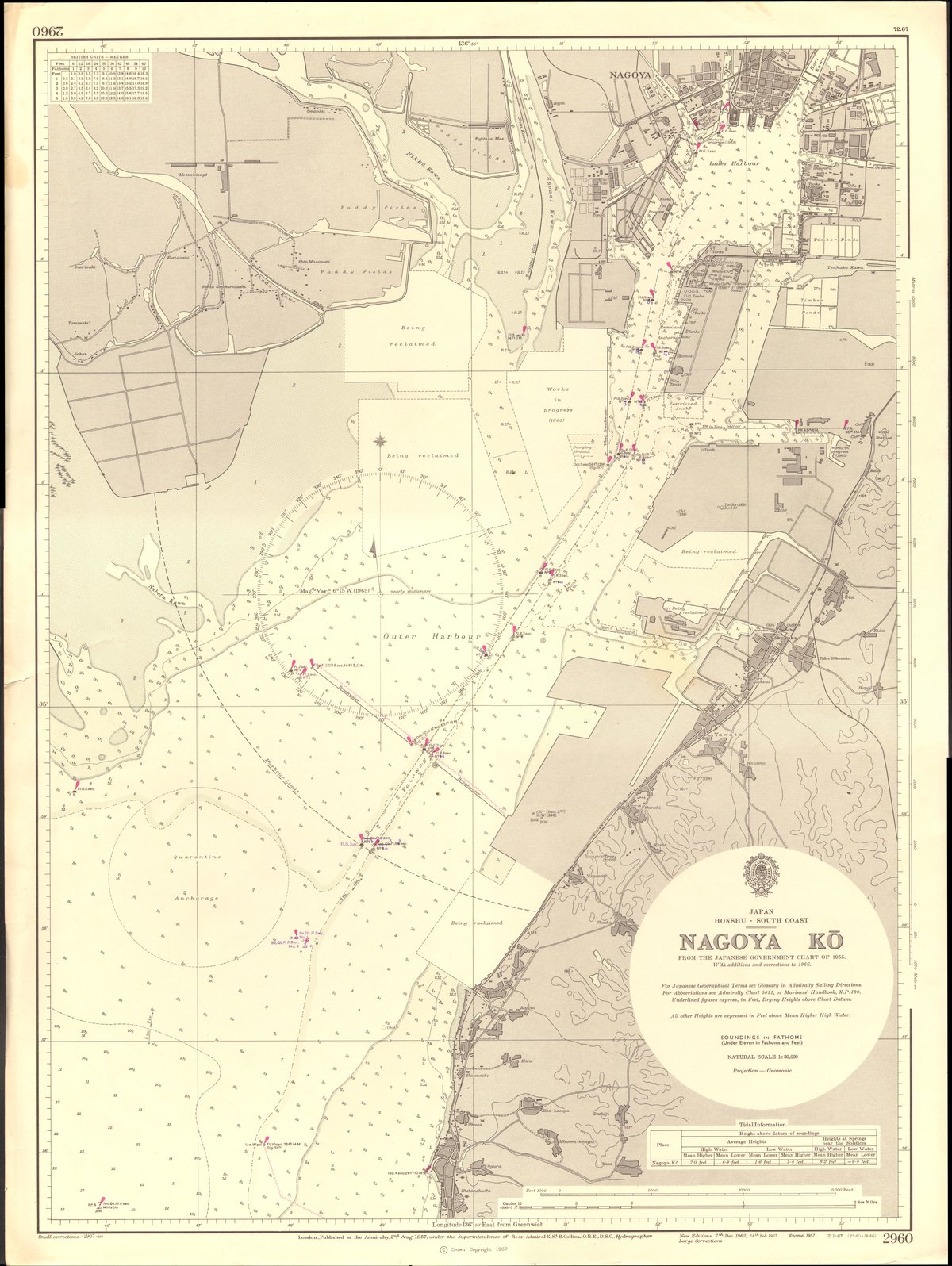
Plan and listen to Kurokawa Station with Audiala.
Audio guide in your pocket, itinerary in your browser. Built for the way you actually visit.
Introduction to Kurokawa Station and Its Significance in Nagoya
Kurokawa Station in Nagoya, Japan, is more than just a transit point—it's a gateway to the northern districts and a convenient starting place to explore some of Nagoya’s most significant historical and cultural sites. Situated on the Meijō Line, Japan’s first true loop subway, Kurokawa Station has served residents and visitors since 1971. Over the decades, the station has evolved to reflect Nagoya’s vibrant urban growth, now featuring elevators, escalators, accessible restrooms, and bilingual signage to ensure a smooth journey for all travelers. Modern amenities, including convenience stores and cafes, further enhance the station experience, while automated ticket machines and IC card compatibility (Manaca, Suica, ICOCA) provide seamless access for both locals and tourists (Nagoya City Transportation Bureau, Matcha-JP).
Strategically located, Kurokawa Station provides easy access to key attractions such as Nagoya Castle, Meijō Park, Tokugawa Art Museum, and the bustling Osu Shopping District. These sites offer a rich tapestry of Nagoya’s feudal history, cultural heritage, and modern lifestyle. The nearby Kurokawa Monument adds another layer of historical depth, providing free admission and opportunities for guided cultural tours and events (Snow Monkey Resorts). With thoughtful accessibility features across the station and key attractions, Kurokawa Station ensures a welcoming and barrier-free experience for all.
This guide delivers comprehensive details on visiting hours, ticketing, accessibility, transportation, and nearby historical and cultural highlights—ensuring you make the most of your visit to Kurokawa Station and Nagoya’s northern districts. For the latest updates and enhanced planning, utilize resources like the Audiala app and official tourism websites (Nagoya Convention & Visitors Bureau).
- Introduction
- Visiting Hours and Station Facilities
- How to Purchase Tickets at Kurokawa Station
- Transportation Tips for Tourists
- Nearby Nagoya Historical Sites and Attractions
- Historical and Urban Significance of Kurokawa Station
- Cultural and Community Impact
- Station Layout and Facilities
- Accessibility at Kurokawa Station Nagoya
- Ticketing and Fare Information
- Navigating Kurokawa Station: Practical Tips
- Nearby Attractions and Connections
- Tips for International Visitors
- Kurokawa Monument: Visiting Hours, Tickets, and Guide
- Summary and Travel Tips
- Sources and Official Links
1. Visiting Hours and Station Facilities
- Operating Hours: Kurokawa Station runs daily from 5:30 AM to midnight. Operating times may vary on weekends and holidays—check the Nagoya City Transportation Bureau for real-time updates.
- Ticketing: Automated machines inside the station accept cash and major IC cards (Manaca, Suica, ICOCA). A typical fare from Kurokawa to Nagoya Station is around 270 yen.
- Accessibility: Elevators, escalators, and accessible restrooms are available throughout the station, supporting universal design.
- Amenities: Convenience stores, cafes, ATMs, and clear bilingual signage ensure visitor comfort.
2. How to Purchase Tickets at Kurokawa Station
- Use the automated ticket vending machines located near the entrances.
- Select your destination and fare; machines support multiple languages.
- For ongoing travel, prepaid IC cards like Manaca are recommended for convenience and quick access.
3. Transportation Tips for Tourists
- From Nagoya Station: Board the Meijō Line (purple) directly to Kurokawa Station (approx. 10 minutes).
- From Chubu Centrair International Airport: Take the Meitetsu Airport Line to Kanayama, then transfer to the Meijō Line.
- Buses: Several city bus routes serve Kurokawa Station, connecting to neighborhoods and attractions.
4. Nearby Nagoya Historical Sites and Attractions
- Nagoya Castle: A short subway ride away, this landmark features historic architecture, lush gardens, and museum exhibits (Factsgem).
- Meijō Park: Adjacent to the castle, offering scenic walking trails, cherry blossoms, and local events.
- Tokugawa Art Museum and Tokugawa Garden: Home to samurai artifacts and a beautiful Japanese landscape garden (Adventure Backpack).
- Osu Shopping District: A lively area for shopping, street food, and temple visits.
- Local Shrines and Temples: Explore smaller sites around Kurokawa Station for a quiet, authentic cultural experience.
5. Historical and Urban Significance of Kurokawa Station
Opened during Nagoya’s post-war urban expansion, Kurokawa Station played a key role in transforming Kita-ku into a vibrant residential and commercial hub. Its functional, modernist design emphasizes efficient passenger flow and accessibility, reflecting the city’s progressive architectural trends of the 1970s (EAA Architecture).
6. Cultural and Community Impact
Kurokawa Station is a local hub, surrounded by small businesses, eateries, and venues that host neighborhood festivals and events. It supports community cohesion and highlights Nagoya’s blend of tradition and modern living (EAA Architecture).
7. Station Layout and Facilities
- Structure: Underground with an island platform serving two tracks.
- Signage: Bilingual (Japanese/English) for easy navigation.
- Ticket Gates: East wicket (Exits 1 & 4), West wicket (Exits 2 & 3).
- Restrooms: Accessible facilities near ticket gates.
8. Accessibility at Kurokawa Station Nagoya
- Elevators: Connect platform to west wicket and street level.
- Escalators: Upward escalators at both wickets; downward movement requires stairs.
- Tactile Paving: Yellow tiles guide visually impaired passengers.
- Barrier-Free Access: Use the west wicket elevators for step-free travel.
9. Ticketing and Fare Information
- Tickets & IC Cards: Purchase at machines; fares depend on distance.
- Operating Hours: 5:30 AM–midnight.
- Fare Calculators: Available on official subway websites and machines.
10. Navigating Kurokawa Station: Practical Tips
- Peak Hours: Crowds during weekday mornings (7–9 AM) and evenings (5–7 PM).
- Step-Free Access: Use west wicket elevators for luggage, strollers, or mobility needs.
- Safety: Platform screen doors and station staff enhance safety.
11. Nearby Attractions and Connections
- Kita-ku Area: Discover local shops, parks, and eateries.
- Easy Transit: Meijo Line loop structure simplifies transfers.
- Bus and Taxi: Stops and stands near major exits for onward travel.
12. Tips for International Visitors
- Language: Bilingual signage; translation apps helpful for communication.
- Payment: IC cards widely accepted; some shops are cash-only.
- Etiquette: Stand on the left of escalators and queue properly.
13. Kurokawa Monument: Visiting Hours, Tickets, and Guide
History and Cultural Significance
The Kurokawa Monument honors the area’s development and influential historical figures, with inscriptions and traditional architecture narrating Nagoya’s past (Snow Monkey Resorts).
Visitor Information
- Hours: Open daily 9:00 AM–5:00 PM (last entry 4:30 PM).
- Admission: Free; guided tours available on weekends and holidays.
- Events: The monument hosts seasonal festivals and reenactments.
Access
- Rail: Kurokawa Station on the Meijo Line is the nearest stop.
- Airport: Chubu Centrair International Airport to Kurokawa takes 45–55 minutes via train and subway.
- Bus: Multiple bus routes connect to Kurokawa Station.
Travel Passes
- Recommended: One-Day Subway & Bus Pass, Donichi Eco Kippu for unlimited local rides.
Accommodation
- Nearby Hotels: Options in Sakae and Nagoya Station area, including luxury and budget hotels. Advance booking is recommended during festivals and holiday periods.
Safety
- General Safety: Nagoya is known for its safety and efficient public services. Emergency services (police 110, fire/ambulance 119) are readily available.
Other Nearby Attractions
- Nagoya Castle, Tokugawa Art Museum, Osu Kannon Temple are all easily reached via subway lines.
14. Summary of Key Points and Travel Tips
Kurokawa Station serves as a vital access point for exploring Nagoya’s historical and cultural heart. With modern facilities, accessibility features, and seamless transit connections, the station is ideal for both daily commuting and sightseeing. Highlights include proximity to Nagoya Castle, Meijō Park, Tokugawa Art Museum, and the Kurokawa Monument—where free admission and guided tours enrich your understanding of local history. The area features tranquil gardens, lively markets, traditional festivals, and diverse dining options, ensuring a well-rounded Nagoya experience (Adventure Backpack, Snow Monkey Resorts).
For optimal navigation, use official transit schedules, book tickets online where possible, and utilize the Audiala app for real-time updates and offline navigation. Engage with the local culture through community events, markets, and neighborhood temples, and enjoy the renowned hospitality of Nagoya.
Listen to the full story in the app
The whole Kurokawa Station,
told well.
Listen to sourced travel stories with local history and practical context — ready offline.

Verified, and shown.
Researched and written by the Audiala editorial team from historical records, architectural archives, and local expertise.
Built from cited sources · see the method · How we make our guides →