Ancient Period
church
c. 100
Atsuta Shrine Founded
According to tradition the Kusanagi sword, one of the three Imperial Regalia, was enshrined here after Prince Yamato Takeru's death. The air inside the cedar grove still carries the sharp scent of incense and moss. For two millennia this single blade has quietly anchored Nagoya's identity.
person
113
Prince Yamato Takeru Dies
Local accounts say the legendary prince breathed his last near the shrine grounds. His story became myth before the ink dried. The sword he carried still rests inside Atsuta today.
person
1147
Minamoto no Yoritomo Born
The boy who would become Japan's first shogun entered the world in Owari Province. Nagoya claims him without fanfare. His later victories in the east reshaped the entire country.
Sengoku Period
person
1534
Oda Nobunaga Born
Born in nearby Owari, the brash warlord spent his youth perfecting tactics on these plains. He never ruled from Nagoya Castle yet his shadow still falls across every map of the city. Without him the later Tokugawa project would never have happened.
Edo Period
person
1543
Tokugawa Ieyasu Born
Though born elsewhere, Ieyasu poured his mature ambition into Nagoya. The castle he ordered built became the seat of the Owari branch for 250 years. His decisions still echo in the city's orderly layout and industrial discipline.
Sengoku Period
swords
1560
Battle of Okehazama
Oda Nobunaga's outnumbered force surprised Imagawa Yoshimoto in a sudden thunderstorm. The scent of wet gunpowder and trampled grass still seems to linger in local memory. One decisive afternoon altered the course of Japanese unification.
Edo Period
gavel
1610
Kiyosu Transfer Ordered
Tokugawa Ieyasu commanded the entire population and buildings of Kiyosu to relocate eight kilometers east. In one calculated move he created a perfectly gridded new capital on the Tōkaidō route. The streets laid out that year still shape downtown Nagoya.
castle
1612
Nagoya Castle Completed
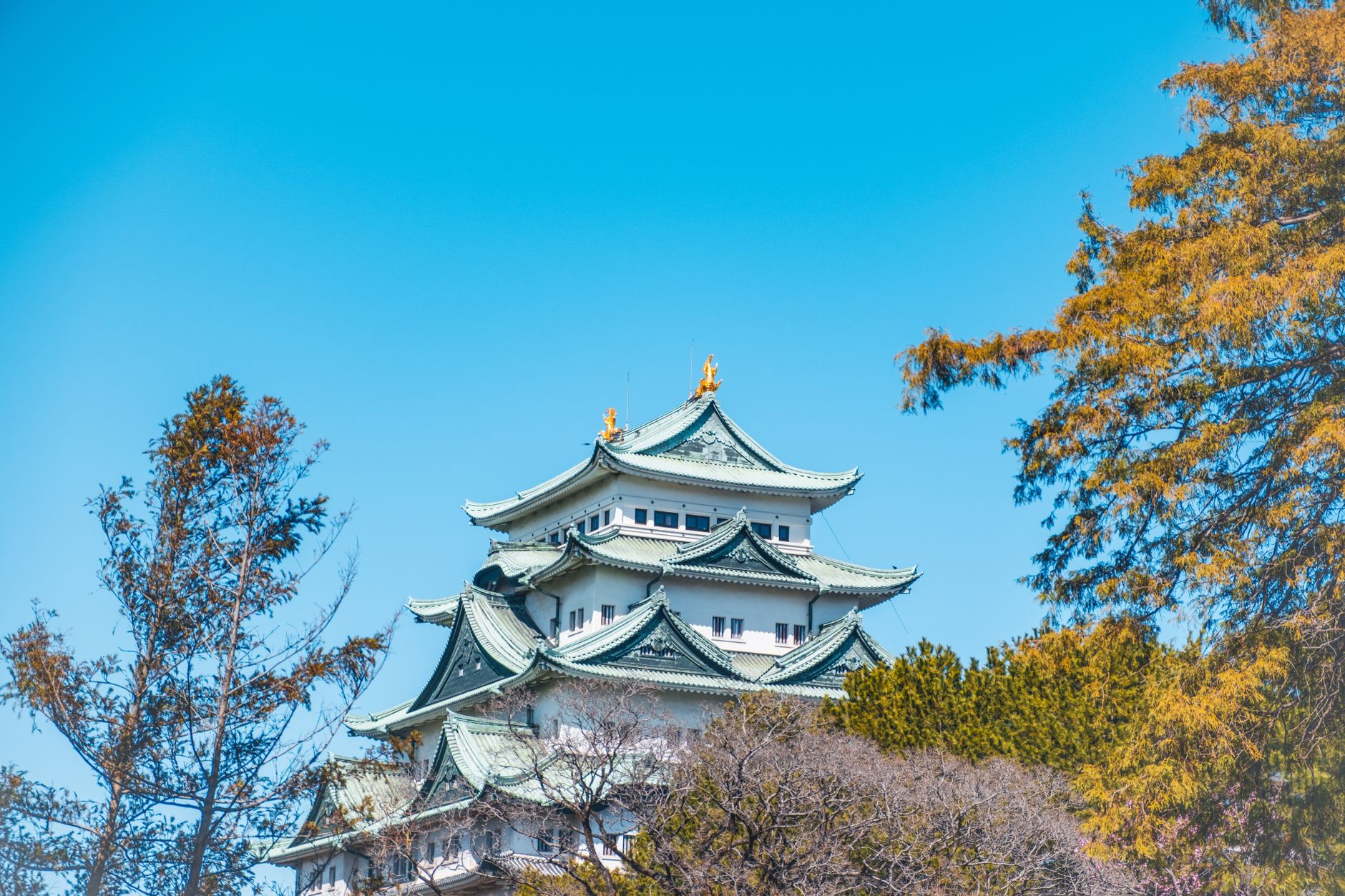
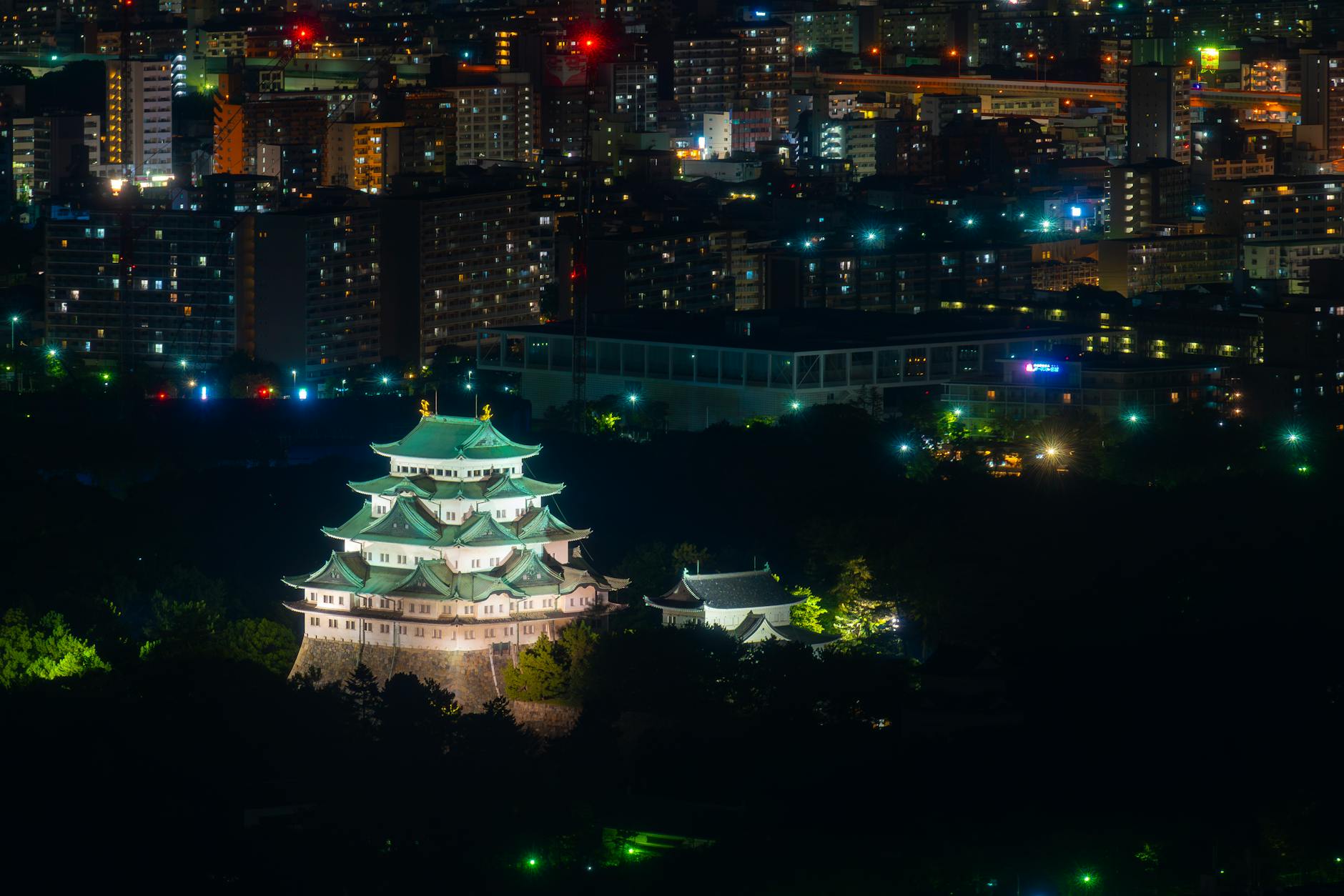
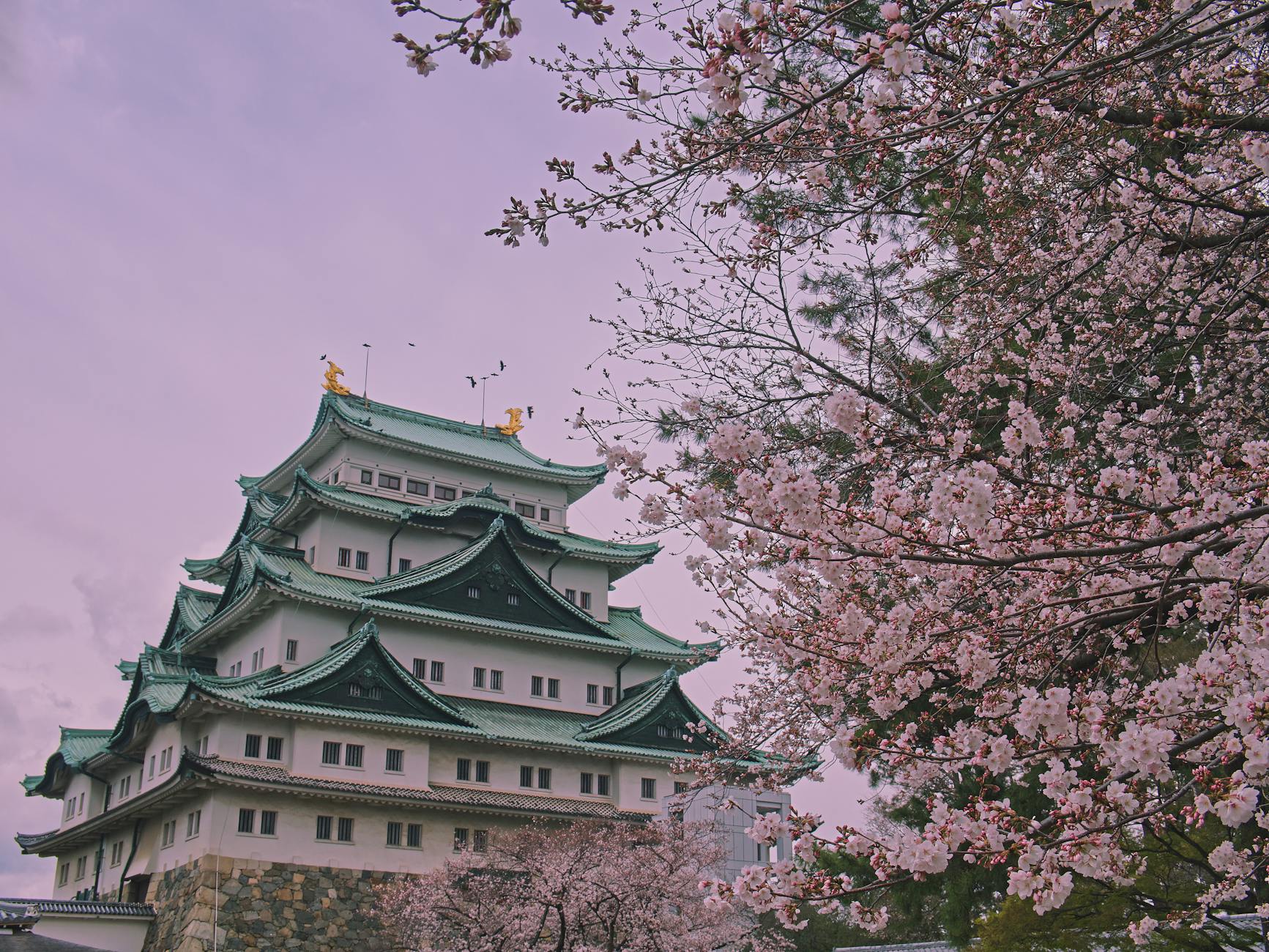
Workers finished the massive keep topped with two gleaming golden shachihoko dolphins. From its upper floors you could once see all the way to the sea on clear days. The structure survived earthquakes only to burn in 1945.
castle
1615
Honmaru Palace Finished
Artisans covered the sliding doors with delicate pine and tiger paintings using real gold leaf. The palace served as the private heart of the Owari lords. Its 2018 reconstruction used the original 17th-century plans down to the last nail.
Meiji Era
factory
1889
Nagoya Becomes a City
Official incorporation papers were signed as Japan raced toward modernization. The old castle town suddenly found itself measured against new Western standards. Cotton mills and brick chimneys replaced wooden merchant houses within a generation.
local_fire_department
1891
Nōbi Earthquake Strikes
The magnitude 8.0 quake flattened thousands of wooden buildings in seconds. Survivors remembered the ground roaring like an angry sea. Reconstruction introduced Western brick techniques that still define parts of the old city.
person
1900
Chiune Sugihara Arrives
A serious schoolboy from distant Gifu spent ten formative years studying in Nagoya. The quiet streets taught him discipline before he became Japan's unlikely diplomat hero. A memorial path now bears his name near his old school.
World War II
local_fire_department
1945
Firebombing Destroys City
American B-29s dropped incendiaries on the night of 14 May. Ninety percent of central Nagoya vanished in flames that reached 1,000 degrees Celsius. The castle keep, rebuilt only in 1959, stood as a blackened concrete shell for years afterward.
Postwar Era
palette
1955
Akira Toriyama Born
A boy who hated school doodled cartoons in a quiet Nagoya neighborhood. Decades later his Dragon Ball would be read in more languages than anyone could have imagined in postwar Japan. The city still claims him with understated pride.
castle
1959
Castle Keep Rebuilt
Concrete and steel replaced the lost wooden structure atop the original stone base. Tourists now climb stairs where feudal lords once walked. The golden dolphins shine again, though the interior feels strangely modern.
music_note
1961
Koji Kondo Born
The future Nintendo composer first heard melodies in Nagoya's postwar streets. His childhood piano practice eventually gave the world the unmistakable themes of Mario and Zelda. The city produced the soundtrack to millions of childhoods without ever knowing it.
flight
1964
Shinkansen Reaches Nagoya
The bullet train sliced the journey from Tokyo to under two hours. Platform 2 at Nagoya Station became the pulsing artery of modern Japan. What once took days of walking now passed in the time it takes to drink a coffee.
Contemporary Era
castle
2018
Honmaru Palace Reopens
Carpenters finished an exact replica using 17th-century techniques and hinoki cypress. The smell of fresh wood still lingers in certain corners. For the first time in seventy-three years the palace looked exactly as Ieyasu intended.
public
2026
Asian Games Host City
Athletes from across the continent will compete in venues built on old factory land. The city that once made karakuri mechanical dolls now prepares robotic mascots and high-speed transport. History keeps looping back to invention.