Plan and listen to Yasaka Shrine with Audiala.
Audio guide in your pocket, itinerary in your browser. Built for the way you actually visit.
Introduction to Yasaka Shrine and Its Cultural Significance
Located at the eastern edge of Kyoto’s Gion district, Yasaka Shrine is a vibrant testament to Japan’s spiritual and cultural heritage. With origins dating back over 1,300 years, this Shinto shrine is dedicated to Susanoo-no-Mikoto—the god of storms and seas—and his family. Its iconic vermilion architecture, illuminated lanterns, and the renowned Gion Matsuri festival make it a focal point for both locals and travelers. As a spiritual anchor in Kyoto, Yasaka Shrine is deeply woven into the fabric of the city’s religious and community life, attracting millions of visitors annually.
Open 24 hours with free admission, Yasaka Shrine offers an accessible sanctuary for all. Visitors can explore the main hall, the lantern-lit dance stage, and multiple smaller shrines dedicated to various deities. Its prime location between the Gion and Higashiyama districts also positions it as an excellent starting point for exploring nearby historical treasures such as Maruyama Park and Kiyomizu-dera Temple.
This guide provides essential information on Yasaka Shrine’s visiting hours, ticket policies, accessibility, and travel tips. It also highlights architectural features, spiritual practices, festivals, etiquette, and connections to other Kyoto historical sites. Whether drawn by the cherry blossoms of spring, the vibrant Gion Matsuri in summer, or the stunning autumn foliage, Yasaka Shrine promises a memorable experience steeped in tradition.
For further details and audio-guided tours, consider using the Audiala app. Additional resources for travel planning and real-time updates include travelstayguide.com, kyoto-kinkaku.com, and japan-guide.com.
Visiting Yasaka Shrine: Hours, Tickets, and Accessibility
Opening Hours:
Yasaka Shrine is open 24 hours a day, every day of the year, ensuring flexibility for visitors to experience its atmosphere at any time. (walkaroundblog.com)
Admission:
Entry is free for all visitors. Special events or festival seating may require advance tickets or have a fee. (travelstayguide.com)
Accessibility:
The shrine is wheelchair accessible, with paved paths, ramps, accessible restrooms, and bilingual signage. Maps and assistance are available at the entrance. (agoda.com)
Getting There: Directions and Nearby Attractions
Yasaka Shrine’s central location makes it easy to reach by public transport:
- By Train:
- Gion-Shijo Station (Keihan Line) – 5 min walk
- Kawaramachi Station (Hankyu Line) – 10 min walk
- By Bus:
- City bus lines 100 and 206 stop at the Gion bus stop, just steps from the main entrance.
- By Subway:
- Higashiyama Station (Tozai Line) – 10 min walk
- By Foot:
- Within walking distance from Maruyama Park, Kiyomizu-dera, and the historic Gion streets.
(walkaroundblog.com; agoda.com; travelcaffeine.com)
- Within walking distance from Maruyama Park, Kiyomizu-dera, and the historic Gion streets.
Limited parking makes public transportation the best option, especially during festivals.
Architectural Highlights and Sacred Spaces
Main Hall (Honden)
The spiritual core of Yasaka Shrine, the honden, is celebrated for its Gion-zukuri architectural style—an integration of the worship hall and sanctuary beneath a single roof. The hall is adorned in vivid vermilion and gold, with a cypress bark roof, and enshrines Susanoo-no-Mikoto, his consort, and their eight children. (kyoto-kinkaku.com)
Dance Stage (Buden/Maidono)
This open-air pavilion sits before the main hall and is the focal point for ritual performances during festivals. Hundreds of white lanterns, each bearing the name of a local business or patron, illuminate the stage nightly, creating a magical ambiance. (travelstayguide.com)
West Tower Gate (Nishi-romon)
The Nishi-romon gate, with its two-story vermilion facade, marks the primary entrance from Shijo-dori. It symbolizes the transition from the secular world to the sacred and offers a dramatic approach to the shrine. (kyoto-kinkaku.com; visitinsidejapan.com)
Subordinate Shrines and Auxiliary Features
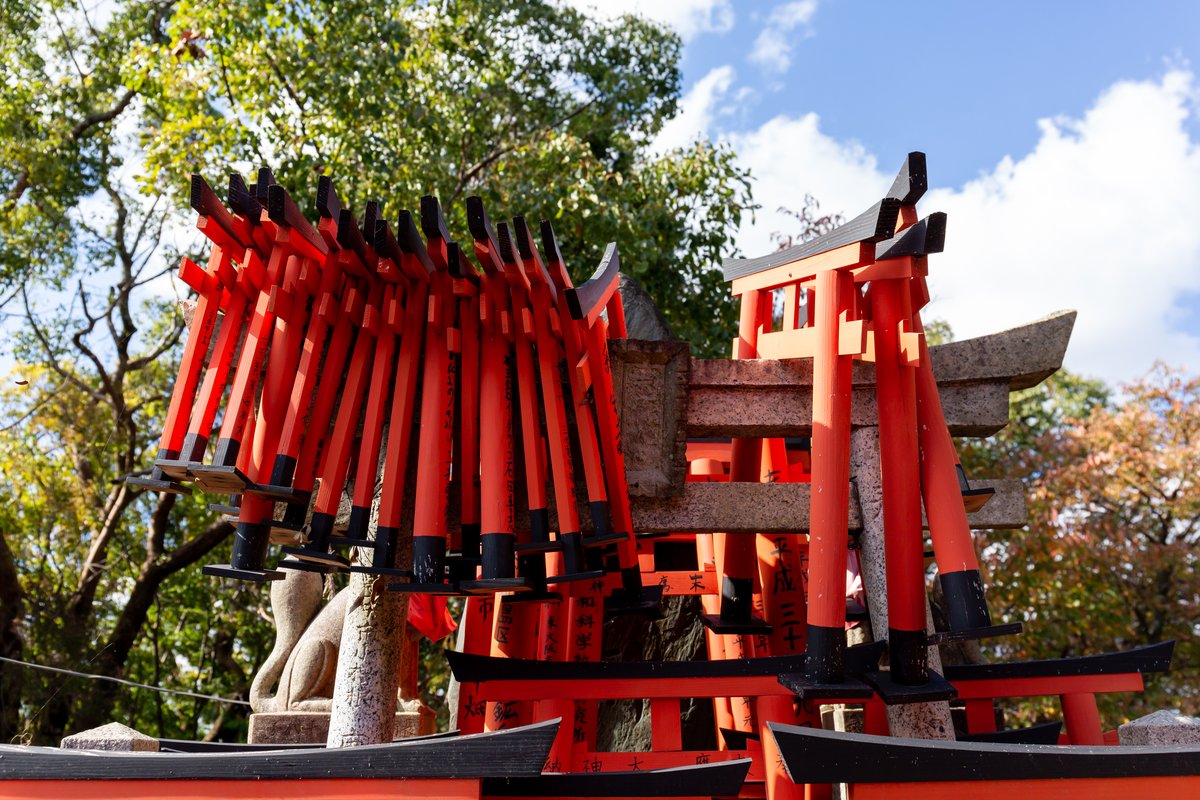
Smaller shrines within the precincts, like Utsukushi-gozensha (Goddess of Beauty Shrine), cater to specific blessings, including health, beauty, and matchmaking. Purification fountains, stone lanterns, guardian lion-dogs, and ema boards further enrich the spiritual setting. (kyoto.travel; travelstayguide.com)
Lanterns and Nighttime Illumination
Hundreds of lanterns illuminate the shrine each evening, especially during festivals and cherry blossom season, casting a serene glow and providing ideal photo opportunities. (kyoto-kinkaku.com)
Gardens and Natural Setting
Adjacent to Maruyama Park, Yasaka Shrine is surrounded by cherry trees and maple foliage, offering breathtaking views in spring and autumn. Nighttime sakura illuminations are a highlight. (kyoto-kinkaku.com; travelstayguide.com)
Spiritual and Cultural Significance
Yasaka Shrine is a living center of Shinto worship, where visitors can:
- Ring the shrine bell and make offerings.
- Purchase omamori protective charms.
- Perform ritual purification at the temizuya.
- Draw omikuji (fortune slips).
The shrine’s role in community life is reflected in seasonal rituals, traditional weddings, and its enduring connection to Kyoto’s spiritual identity. (travelstayguide.com)
Gion Matsuri and Seasonal Events
Gion Matsuri
Held every July, the Gion Matsuri is Japan’s largest and oldest festival, tracing its origins to a 9th-century purification ceremony. The festival features:
- Yamaboko Junko Float Processions:
- July 17 (main parade) and July 24 (secondary parade), with towering, elaborately decorated floats.
- Yoiyama Evenings (July 14–16):
- Streets are closed to traffic; food stalls and illuminated floats fill the area.
- Ceremonies and Rituals:
- Shinto rites, purification, and traditional dances at the shrine.
Paid seating is available for the processions, though many vantage points are free. Advance accommodation bookings are essential during this period. (japan-guide.com; japambience.com)
Other Seasonal Highlights
- Spring: Cherry blossoms and sakura nighttime illuminations.
- Autumn: Fiery foliage and crisp air.
- Winter: Hatsumode (New Year’s shrine visit) draws thousands for blessings.
- Other Rituals: Setsubun (February), Shichi-go-san (November), and ongoing purification ceremonies. (japambience.com; travelcaffeine.com)
Visitor Etiquette and Tips
- Bow before entering the torii gate.
- Use the water pavilion for ritual purification.
- Dress modestly and maintain a quiet, respectful demeanor.
- Photography is permitted except in restricted areas; avoid interrupting ceremonies.
- Small donations are customary.
- During festivals, follow crowd guidance and stay hydrated. (agoda.com; japambience.com)
Food, Shopping, and Surroundings
The Gion district around Yasaka Shrine is famed for its tea houses, street food, and occasional geisha sightings. During festivals, food stalls serve local specialties like yudofu, yakitori, and mochi. Nearby attractions include:
- Maruyama Park: Kyoto’s prime cherry blossom spot.
- Kiyomizu-dera Temple: UNESCO World Heritage Site, 15-minute walk.
- Nene-no-Michi & Sannenzaka: Historic streets.
- Nishiki Market: Kyoto’s culinary hub.
(walkaroundblog.com; travelsetu.com; travelcaffeine.com)
Frequently Asked Questions
Q: What are Yasaka Shrine’s opening hours?
A: Open 24 hours daily, year-round.
Q: Is there an admission fee?
A: No, entry is free. Paid seating applies for some festival events.
Q: Is Yasaka Shrine accessible for wheelchairs?
A: Yes, with ramps, accessible restrooms, and paved paths.
Q: When is the best time to visit?
A: Mornings for tranquility; spring cherry blossom, summer Gion Matsuri, and autumn foliage are peak times.
Q: Can I take photographs?
A: Yes, except where signage indicates restrictions.
Q: How crowded does it get during festivals?
A: Extremely crowded; plan to arrive early and book nearby accommodations in advance.
Listen to the full story in the app
The whole Yasaka Shrine,
told well.
Audio guides for 1,100+ cities across 96 countries. History, stories, and local insight — offline ready.

Verified, and shown.
Researched and written by the Audiala editorial team from historical records, architectural archives, and local expertise.
Researched from Wikidata, Wikipedia & official sources · fact-checked · How we make our guides →