Plan and listen to Toei Kyoto Studio Park with Audiala.
Audio guide in your pocket, itinerary in your browser. Built for the way you actually visit.
Introduction
Nestled in Kyoto’s historic Uzumasa district, Toei Kyoto Studio Park (Tōei Uzumasa Eigamura) is a one-of-a-kind destination that blends cinematic history with cultural immersion. Established in 1975 by the Toei Company, the park is both a working film set for period dramas and a vibrant theme park that invites visitors to step back into Edo-period Japan. With authentic townscapes, interactive experiences, and live performances, Toei Kyoto Studio Park bridges the gap between Japan’s rich past and its dynamic pop culture present. This guide details everything you need to know for your visit, including opening hours, ticket options, accessibility, attractions, and travel tips (Toei Kyoto Studio Park Official; Japan Welcomes You; Kyoto Travel).
Toei Kyoto Studio Park was established to provide the public with a firsthand look at Japan’s period drama (jidaigeki) filmmaking tradition. Built adjacent to the renowned Toei Kyoto Film Studio, it allows visitors to walk the same streets featured in countless samurai and ninja films. Over time, the park has expanded its offerings to include anime collaborations, pop culture events, interactive workshops, and guided experiences, ensuring broad appeal for visitors of all ages (BlueSky Academic; Toei IR Presentation).

Visiting Information
Hours, Tickets, and Access
-
Opening Hours:
Typically 9:00 AM–5:00 PM; last admission is 1 hour before closing. Hours may extend during peak seasons and special events. Always confirm on the official website. -
Admission Fees:
- Adults (18+): ~2,400–2,800 yen
- Youth (12–17): ~1,400 yen
- Children (3–11): ~1,100–1,300 yen
- Under 3: Free
Some attractions, like the Haunted House or Ninja Mystery House, require an additional fee (GaijinPot; TicketsToDo).
-
Ticket Purchase:
Tickets are available at the park, online through the official site, or at convenience stores throughout Japan. Advance booking is recommended during weekends, holidays, and special events.
Accessibility
- Most of the park is wheelchair and stroller accessible, with ramps and accessible restrooms throughout.
- Wheelchair rentals are available at the entrance.
- Some historic sets and attractions may have limited accessibility due to traditional architecture (Expo2025Travel).
How to Get There
-
By Train:
- JR Sagano Line: Uzumasa Station (5-minute walk)
- Keifuku Arashiyama Line: Uzumasa-Koryuji Station (5-minute walk)
-
By Bus:
Multiple Kyoto City bus lines stop near the park (Japan Guide). -
By Car:
Paid parking is available, but public transport is advised due to limited spaces (Japan Travel).
Park Highlights
Edo Streets and Film Sets
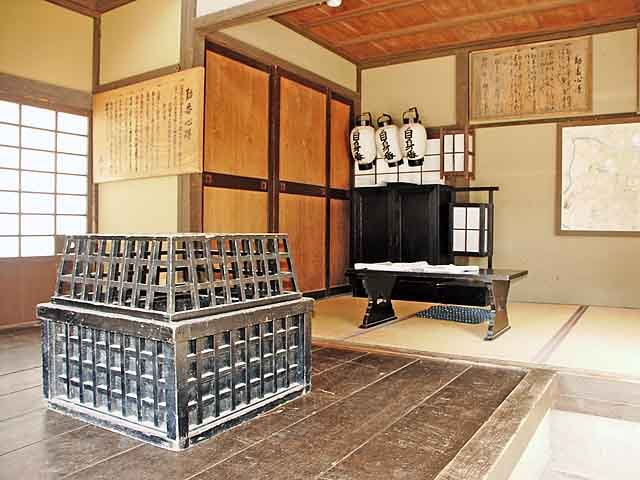
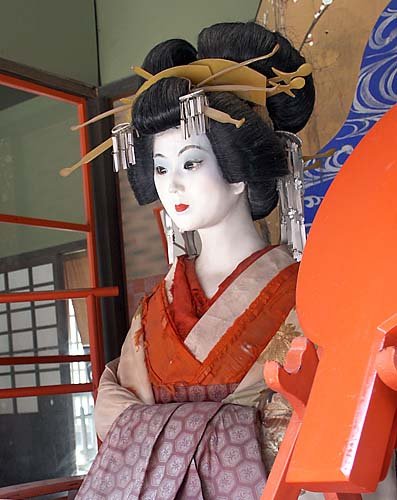
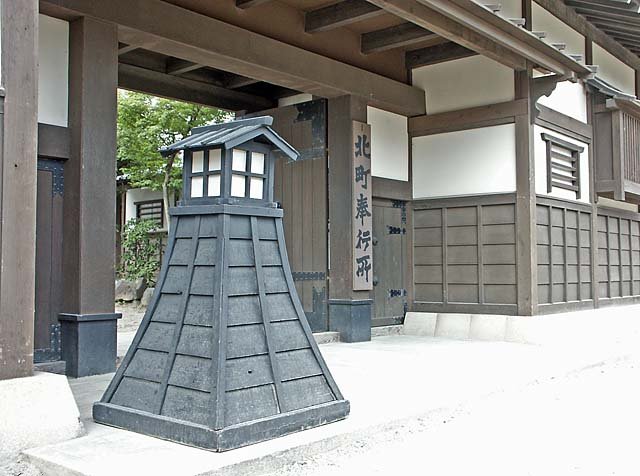
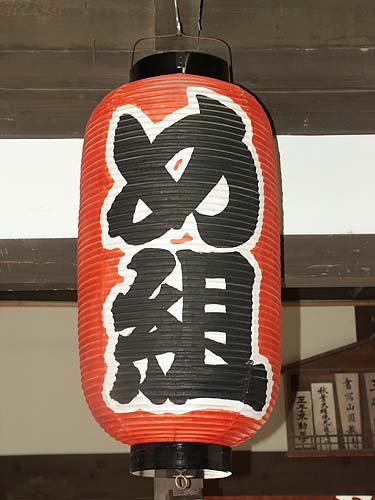
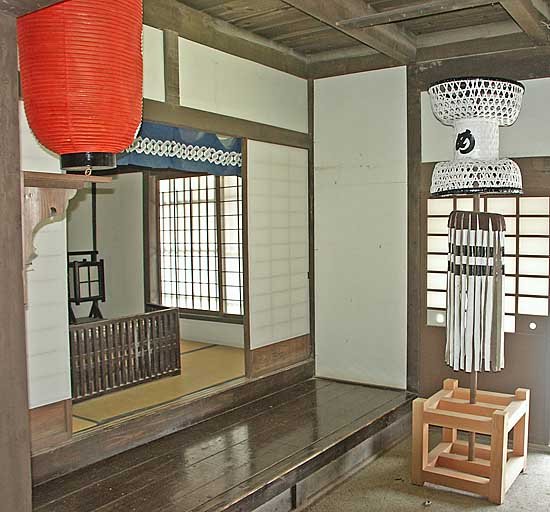
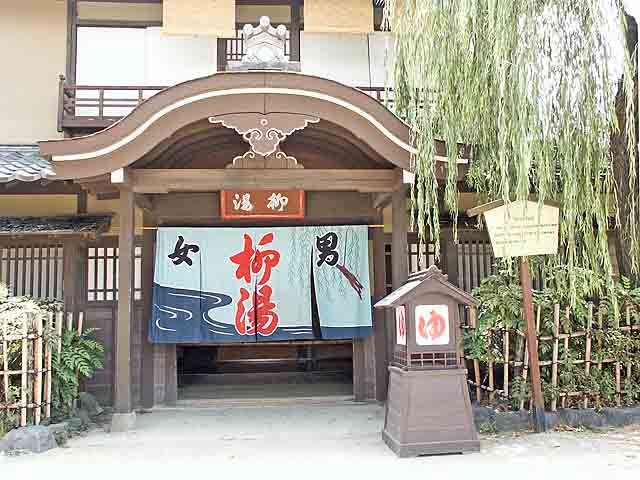
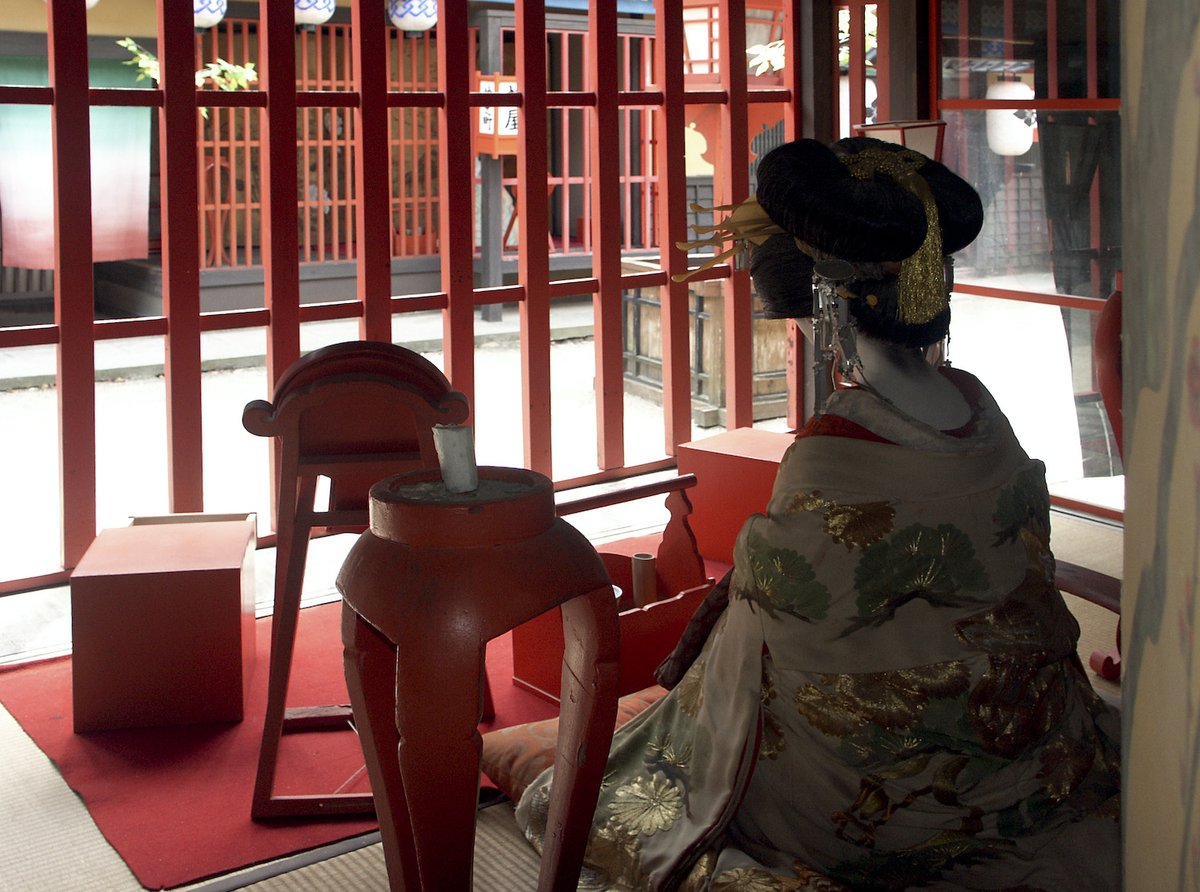
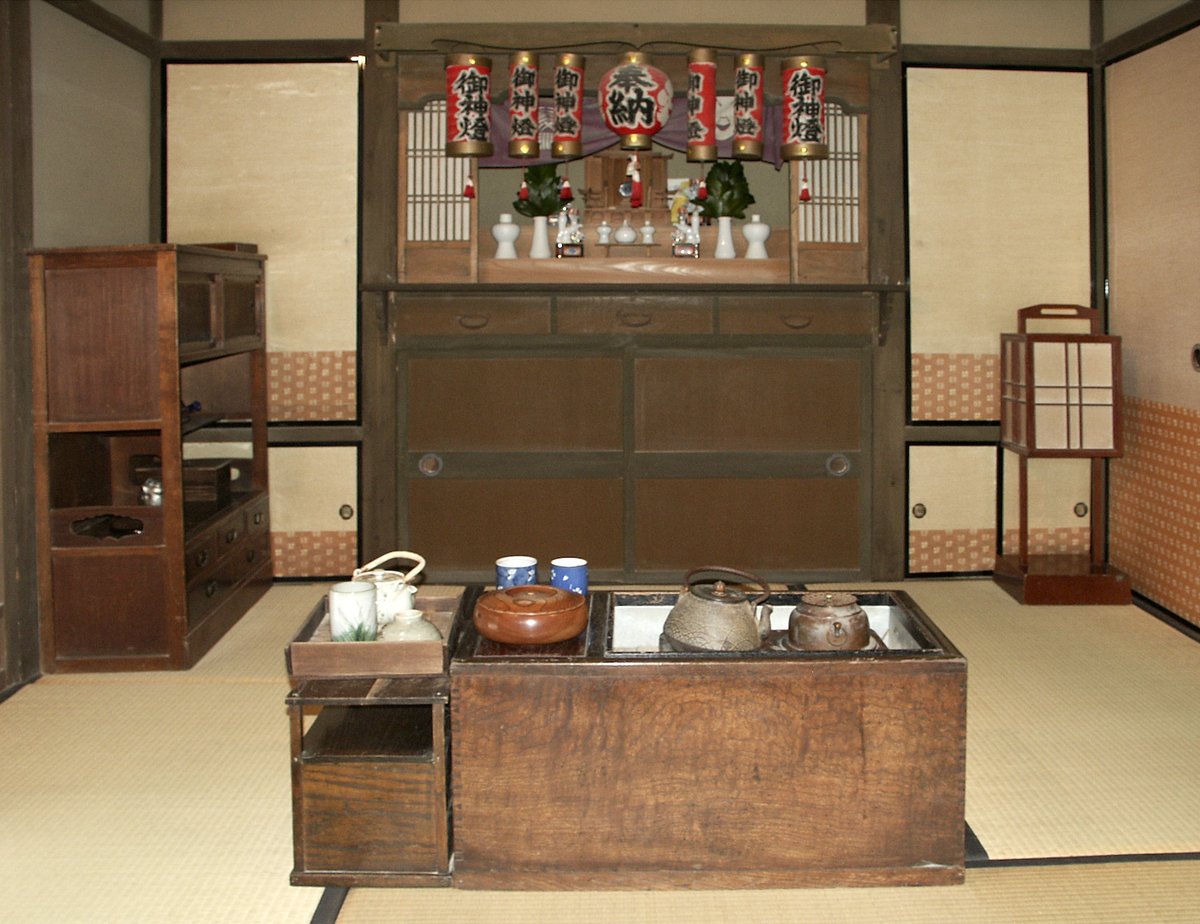
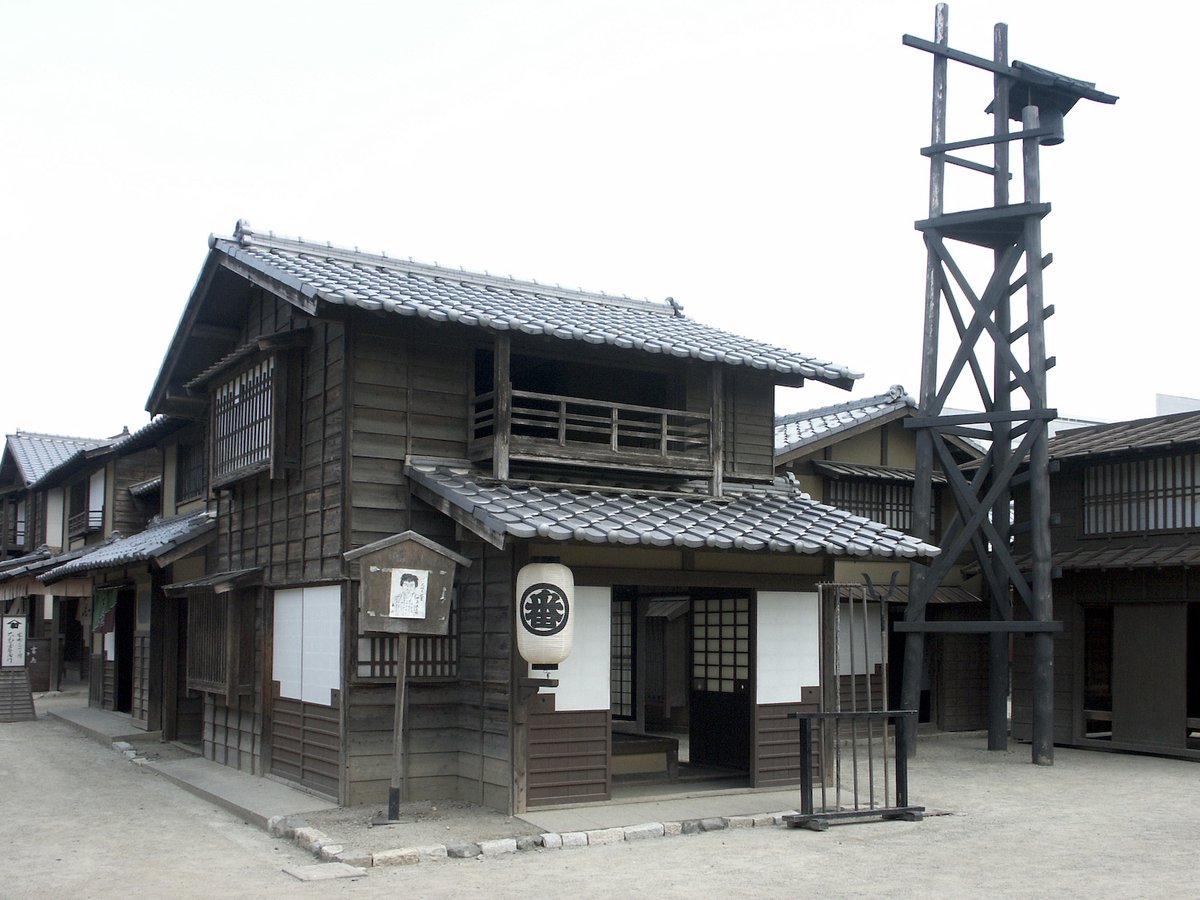
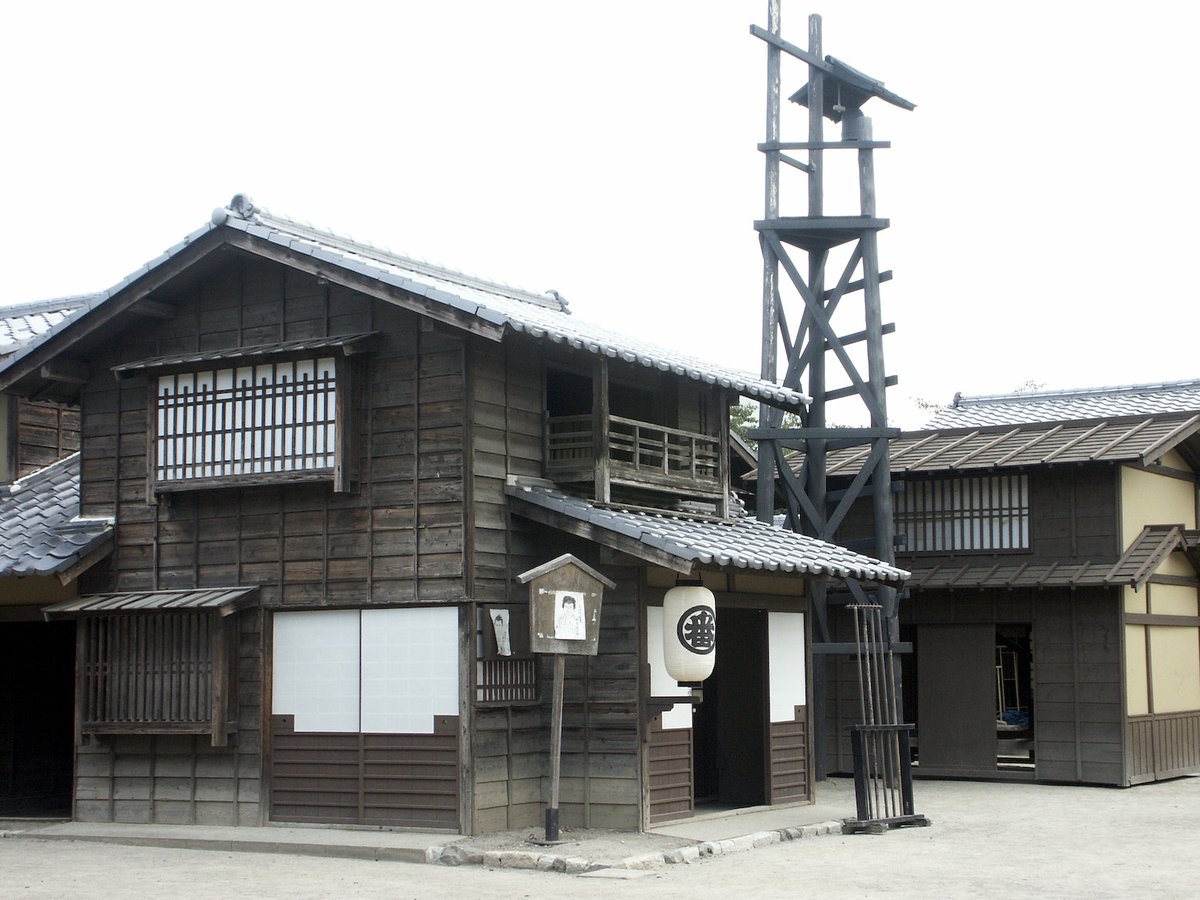
Wander through meticulously recreated Edo-period streets, including Nihonbashi Bridge, Yoshiwara red-light district, and samurai residences. These sets are regularly used for filming, and visitors may observe live productions. Details about scheduled filming are posted online the day before, so you can plan accordingly (Kyoto Travel).
Live Shows and Interactive Experiences
-
Samurai and Ninja Performances:
Daily live-action shows at the Nakamuraza Theater feature sword-fighting, ninja stunts, and dramatic storytelling performed by Toei actors (Kyoto Travel). -
Ninja Mystery House & Training:
Navigate secret passages and illusions, or take part in ninja and samurai sword workshops for a hands-on experience (Klook). -
Costume Rental:
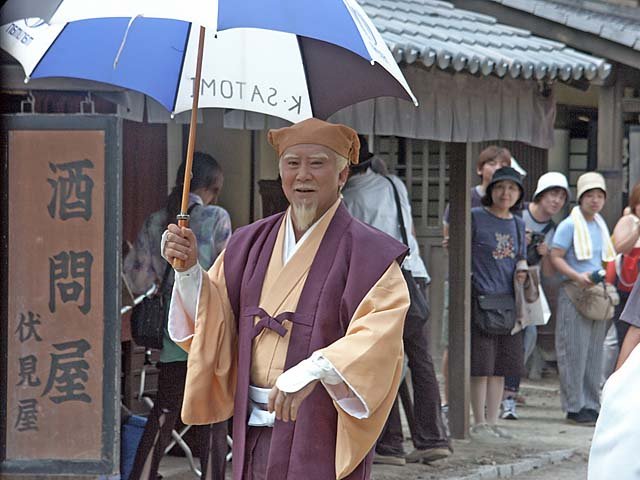
Transform into a samurai, ninja, or geisha with authentic costumes (available for an extra fee). Professional photography services are also offered (Japan Guide).
Pop Culture Collaborations
The park regularly features limited-time attractions with popular anime and manga franchises, such as “Evangelion Kyoto Base,” “Demon Slayer: Kimetsu no Yaiba,” Kamen Rider, and Super Sentai. These collaborations include themed exhibitions, interactive games, and exclusive merchandise (Trip.com).
Seasonal Events
From cherry blossom festivals and summer matsuri to Halloween parades and anime-themed events, the park hosts a variety of seasonal celebrations. Check the event calendar for current offerings.
Facilities and Services
Food and Shopping
-
Dining:
Enjoy a range of Japanese and Western cuisine. Highlights include the Ninja Café and food stalls offering Kyoto specialties like yuba and matcha desserts (Klook). -
Souvenir Shops:
Browse period drama memorabilia, ninja gear, traditional crafts, and anime goods available only at the park (Trip.com).
Costumes and Photography
- Costume rentals are available for all ages, with over 30 styles.
- Professional photo sessions in costume are highly recommended for a memorable experience (Expo2025Travel).
Family-Friendly Amenities
- Stroller rentals, nursing rooms, accessible restrooms, and lockers are provided.
- English, Chinese, and Korean signage and pamphlets support international travelers (Expo2025Travel).
Visitor Tips
- Arrive early to avoid crowds, especially on weekends and during events.
- Wear comfortable shoes for cobblestone streets.
- Check the filming and show schedule in advance.
- Note that re-entry is not allowed after leaving the park.
- Only service animals are permitted; pets are not allowed (TicketsToDo).
- Respect photography restrictions in filming areas.
Nearby Attractions
Combine your visit with nearby Kyoto highlights:
- Arashiyama Bamboo Grove (scenic nature and temples)
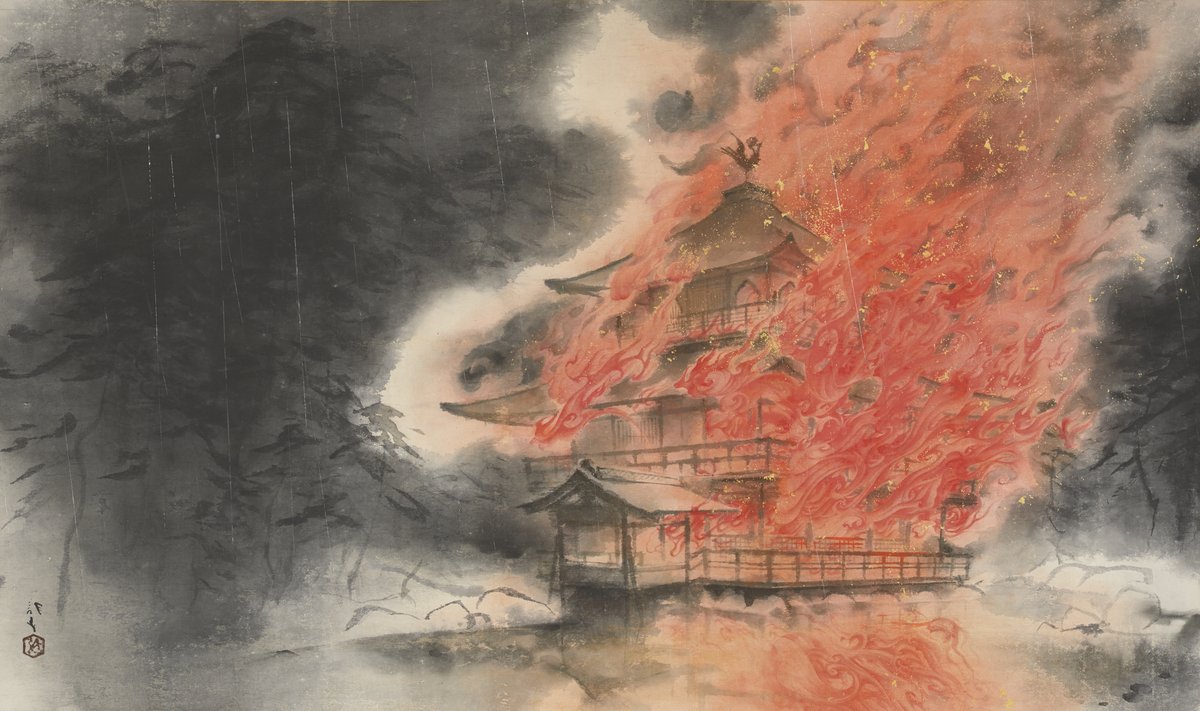
- Kinkaku-ji (Golden Pavilion)
- Ryoan-ji Temple
- Historic Uzumasa District and Koryuji Temple
Frequently Asked Questions (FAQ)
Q: What are the park’s opening hours?
A: Typically 9:00 AM–5:00 PM, but hours may change seasonally or for special events. Confirm on the official website.
Q: Are costumes included in the admission?
A: No, costumes are rented for an additional fee.
Q: Is the park accessible for wheelchairs and strollers?
A: Yes, most areas are accessible, and rentals are available.
Q: Can I re-enter the park after leaving?
A: No, re-entry is not allowed.
Q: Are there live filming opportunities?
A: Occasionally, and the schedule is posted online the day before.
Tickets & tours.
These are guided options from our partners — same price as booking direct.
Prices are indicative — final pricing and availability are confirmed at checkout. Audiala may earn a commission from bookings made through these links.
Listen to the full story in the app
The whole Toei Kyoto Studio Park,
told well.
Audio guides for 1,100+ cities across 96 countries. History, stories, and local insight — offline ready.
Verified, and shown.
Researched and written by the Audiala editorial team from historical records, architectural archives, and local expertise.
Researched from Wikidata, Wikipedia & official sources · fact-checked · How we make our guides →