Plan and listen to Takeisao Shrine with Audiala.
Audio guide in your pocket, itinerary in your browser. Built for the way you actually visit.
Introduction
Kyoto, Japan’s spiritual and imperial heart, boasts a tapestry of shrines and temples that narrate the city’s rich history and religious traditions. Among these is Takeisao Shrine—also known as Kenkun Shrine—nestled on Mt. Funaoka in Kyoto’s Kita Ward. Revered for its dedication to the powerful warlord Oda Nobunaga and its embodiment of local Shinto practices, Takeisao Shrine offers visitors a unique and immersive journey into Kyoto’s sacred landscape. This comprehensive guide covers the shrine’s historical significance, architectural features, visiting hours, ticket information, accessibility, cultural rituals, and seasonal events, ensuring that every traveler can experience the depth and beauty of this lesser-known gem (Japanese Religion: Differences Between Temples And Shrines; shinto.miraheze.org; zenkyoen.com).

Historical Background and Cultural Significance
Origins and Dedication
Takeisao Shrine traces its roots to the early Heian period (794–1185), reflecting Kyoto’s emergence as the imperial capital and the proliferation of Shinto shrines to safeguard the city. The name “Takeisao” is believed to derive from the abundant bamboo (“take”) of the area, symbolizing growth and resilience, while “isao” connotes merit and achievement. Over centuries, the shrine has served as a focal point for local agricultural rituals, community prayers, and expressions of gratitude for prosperity and protection (Japanese Religion: Differences Between Temples And Shrines).
Kenkun Shrine, the modern name for Takeisao, was officially established in 1869 to venerate Oda Nobunaga, a unifying force in Japan’s tumultuous Sengoku era. This dual legacy—ancient agricultural roots fused with Meiji-era reverence for a national figure—imbues the shrine with layered cultural meaning (shinto.miraheze.org).
Architectural Features and Symbolism
Main Sanctuary and Layout
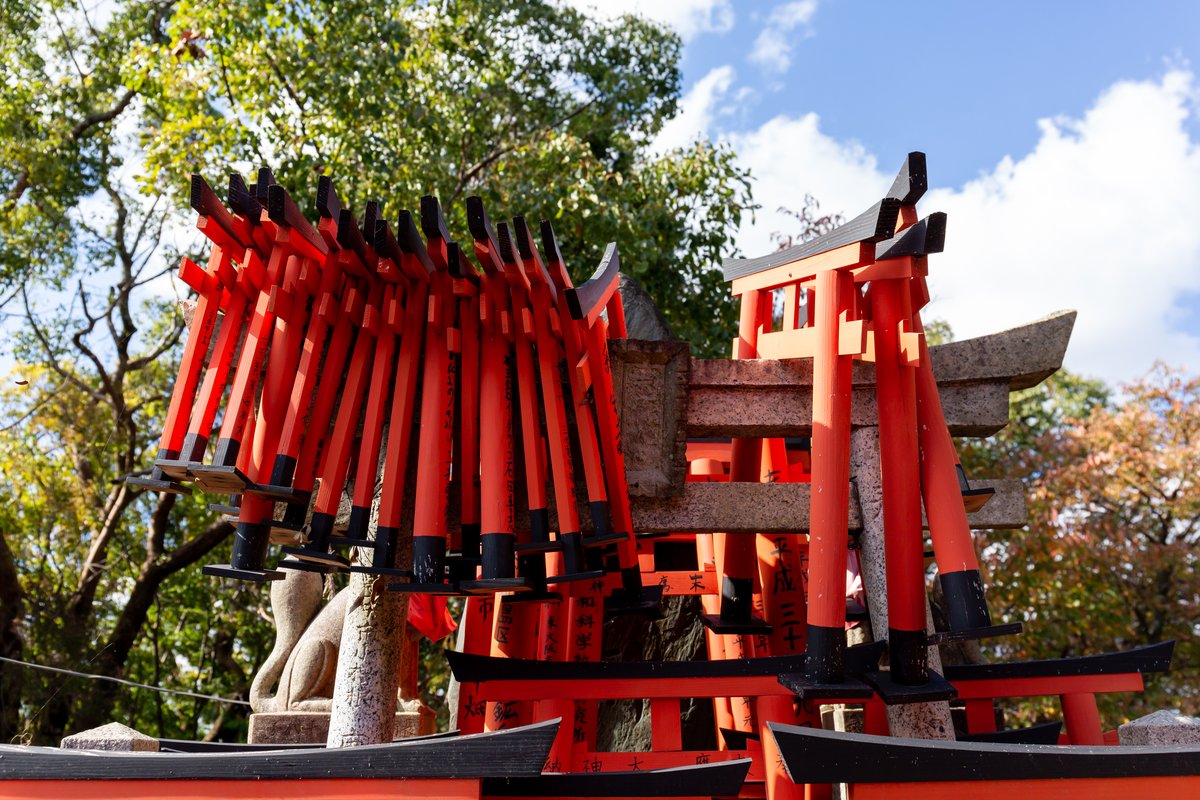
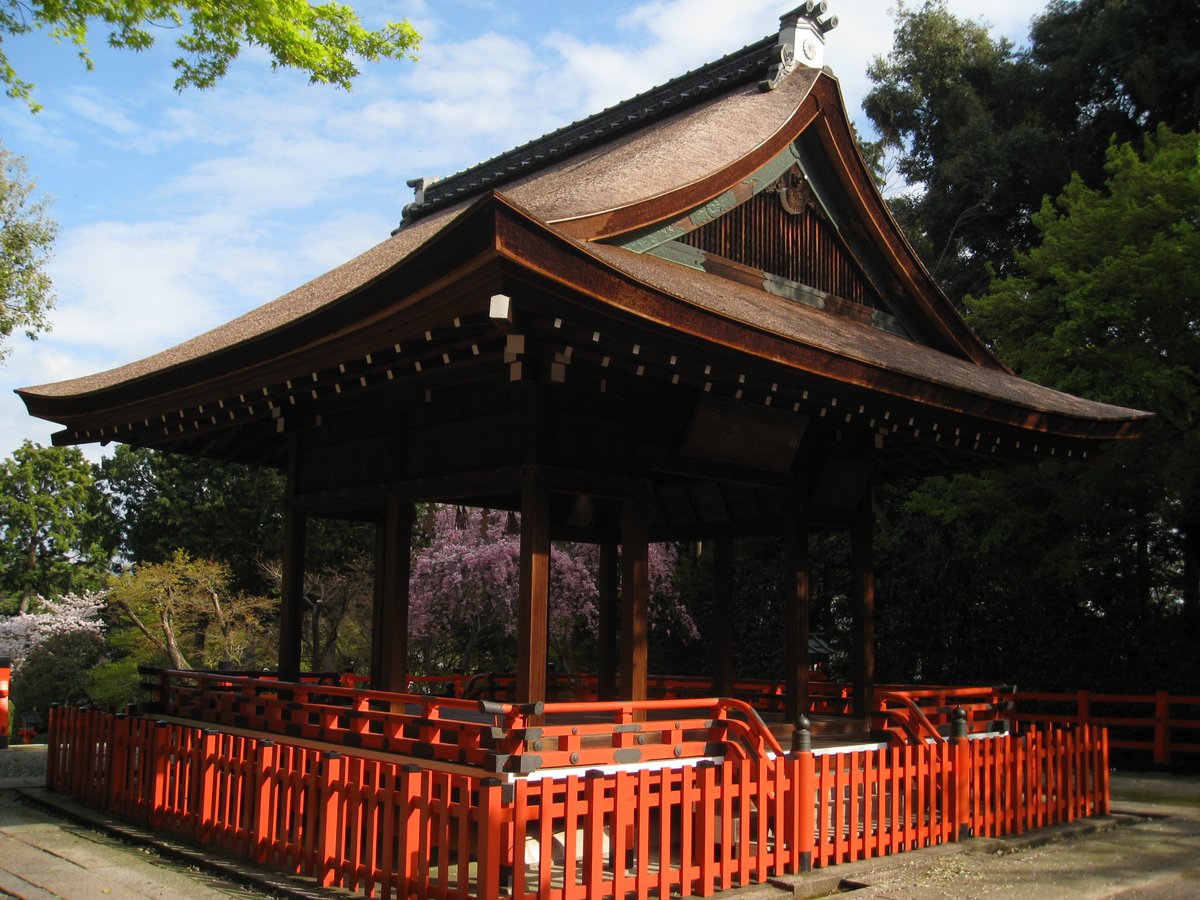
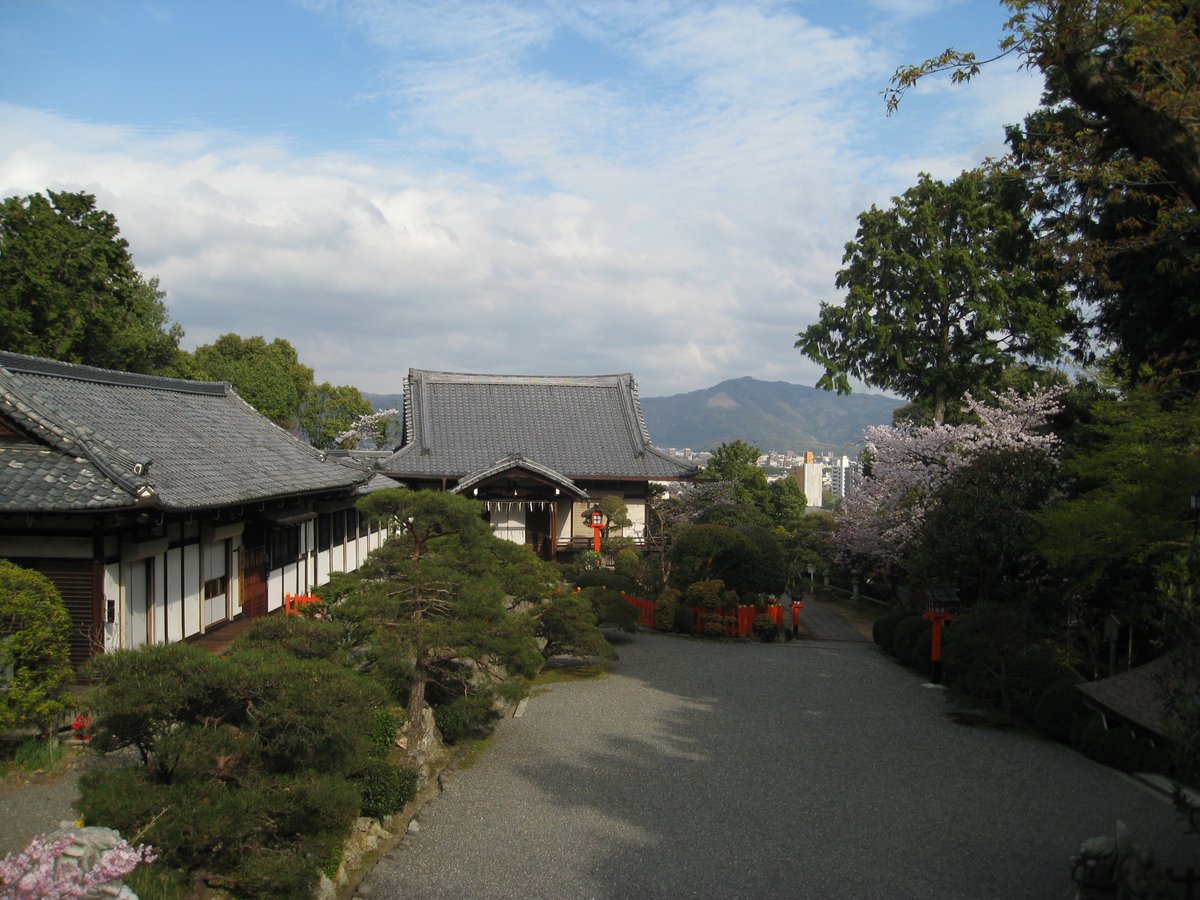
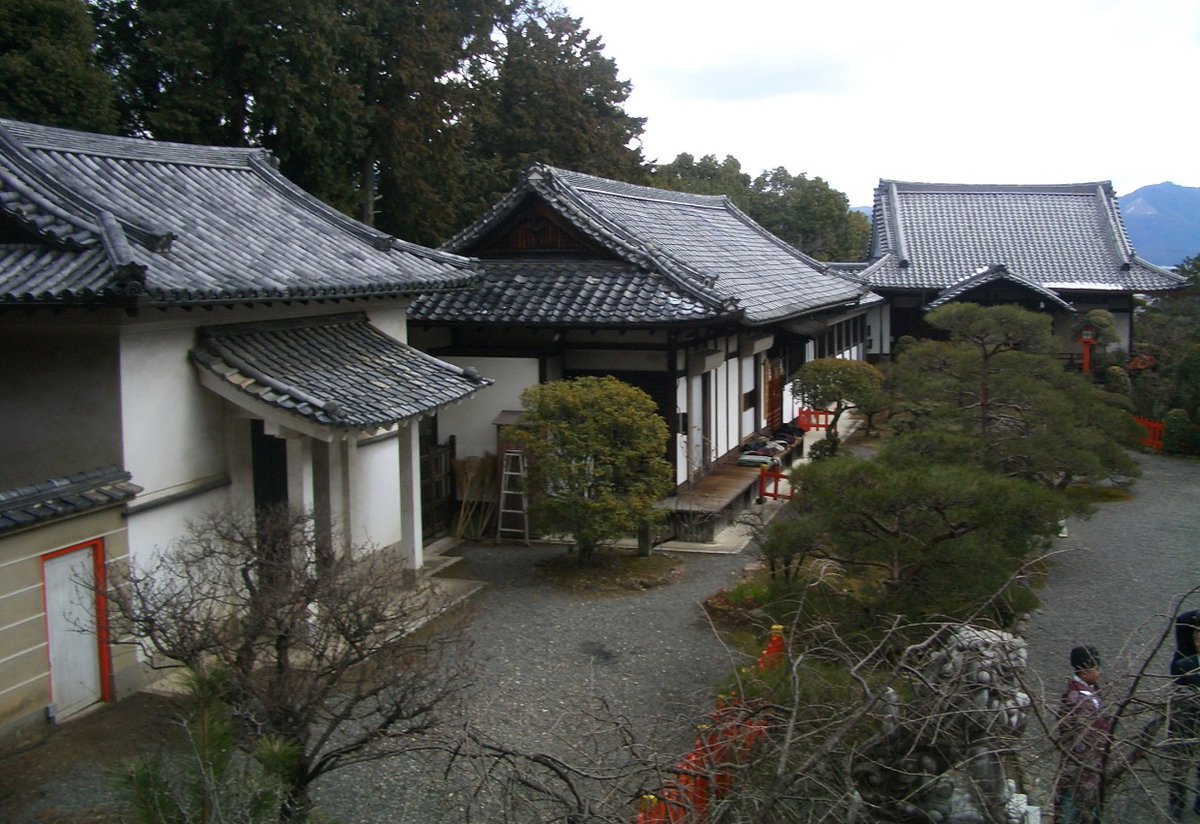
The shrine’s main sanctuary (honden) exemplifies the nagare-zukuri architectural style, featuring sweeping, asymmetrical roofs, natural cypress wood construction, and a restrained aesthetic that harmonizes with the surrounding landscape (zenkyoen.com). The grand white torii at the entrance, Kyoto’s largest, marks the transition from the secular to the sacred. The ascent to the shrine—via stone steps and lush greenery—reinforces the spiritual journey from the everyday to the divine (sakura-house.com).
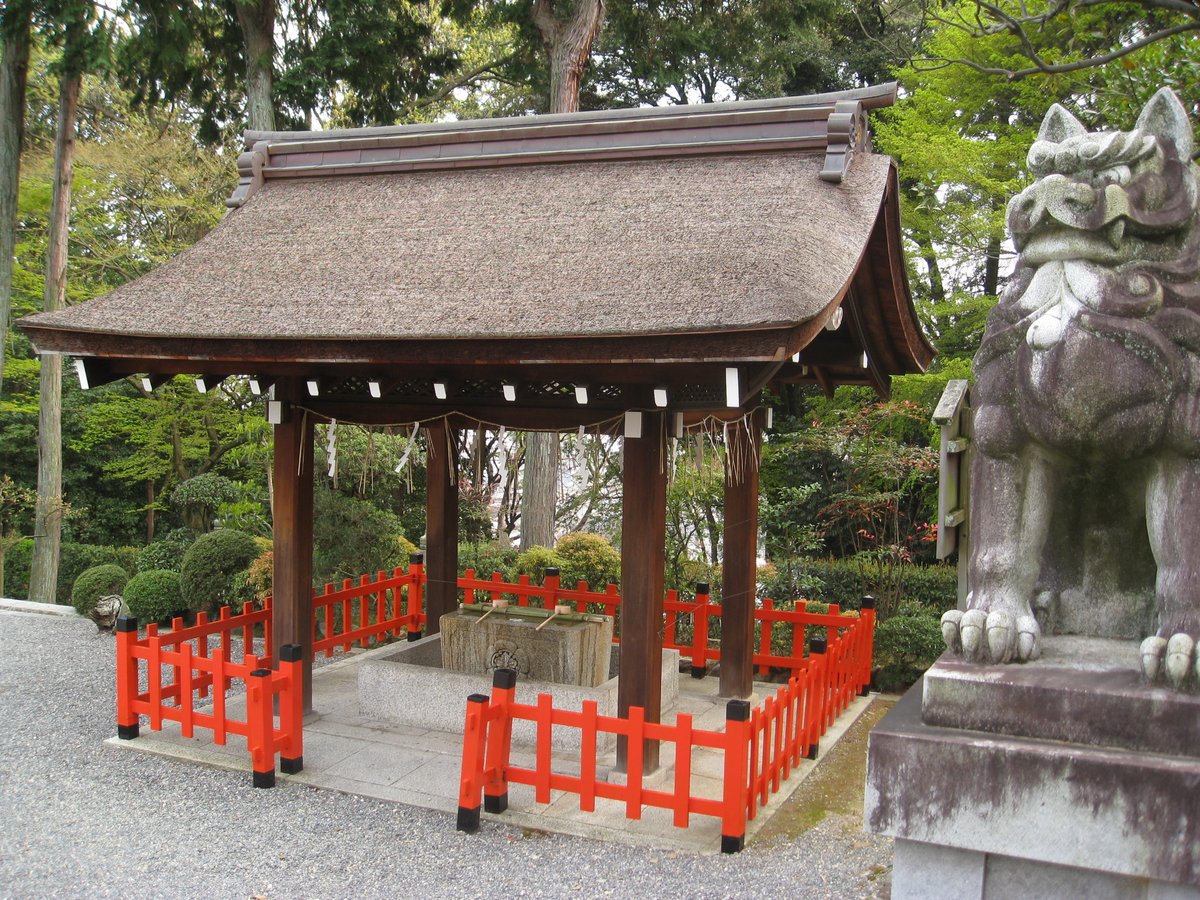
Auxiliary structures include a worship hall (haiden), purification pavilion (chozuya), prayer hall (noritosha), and ritual storehouses, each serving specific spiritual or administrative functions. Sacred trees, stone lanterns, and engraved Noh lyric monuments enrich the grounds, while the shrine’s elevated position provides panoramic views of Kyoto and the surrounding mountains (japaninsides.com).
Artistic and Historical Treasures
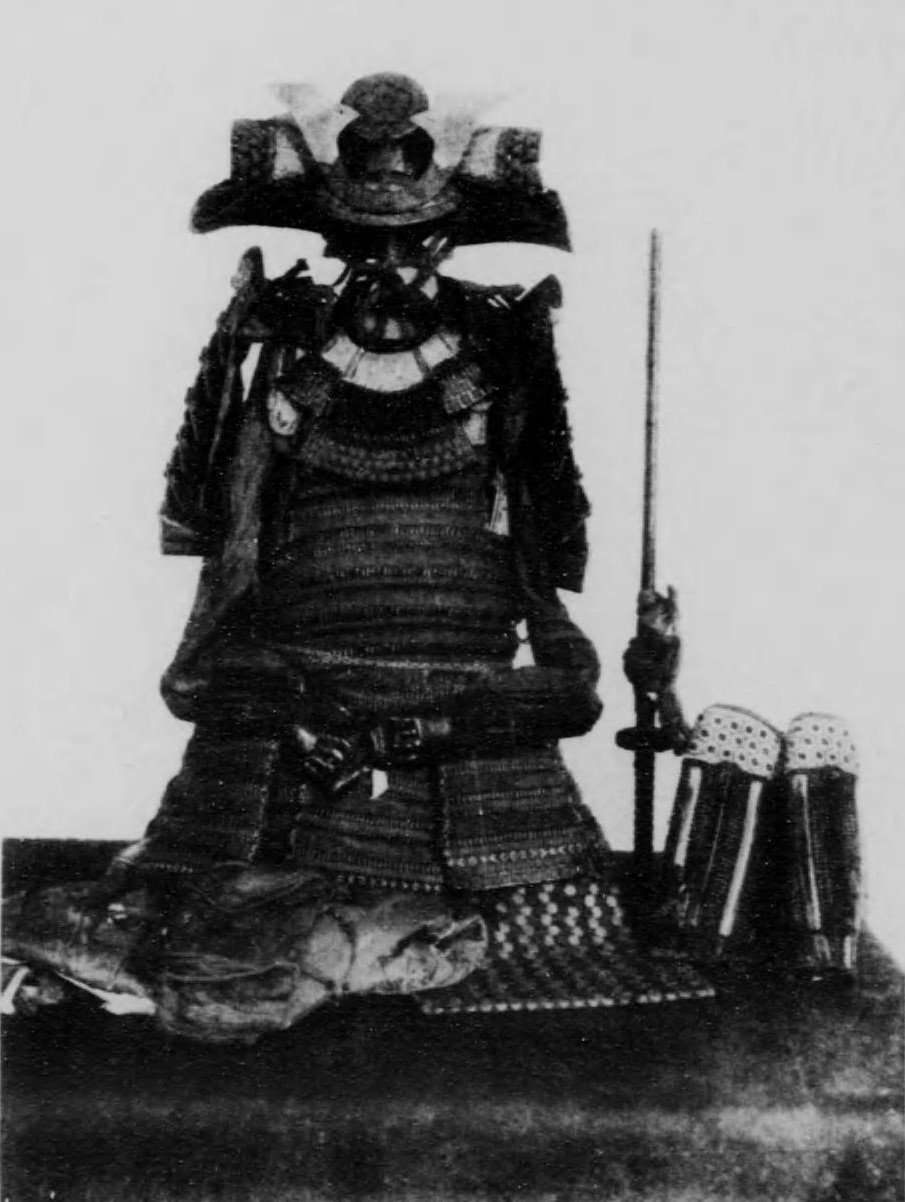
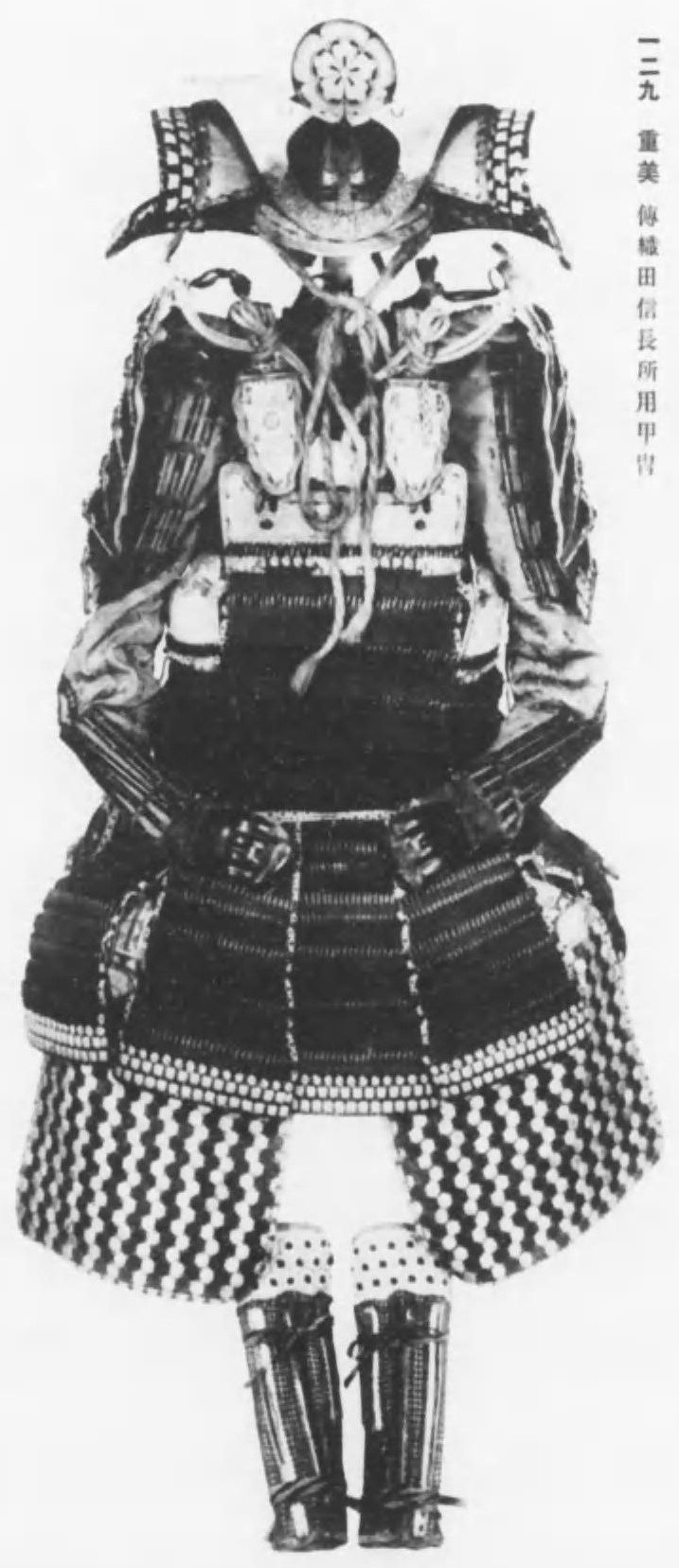
The shrine preserves significant artifacts, such as samurai armor, swords, and original manuscripts related to Nobunaga. Portraits and paintings of Nobunaga’s vassals adorn the worship hall, and visitors can obtain red seals (goshuin) and sword-themed charms as part of the Kyoto Sword Stamp Tour (sg.trip.com).
Community Role and Shinto Rituals
Takeisao Shrine remains deeply enmeshed in local community life. Seasonal festivals (matsuri), rites of passage like Shichi-Go-San, and New Year’s celebrations foster intergenerational bonds and preserve intangible heritage (Kyoto’s Temples and Shrines: A Cultural Journey). Rituals such as purification at the chozuya, offerings of coins and claps, and the writing of wishes on ema plaques are central to the shrine experience (Cultural Significance of Kyoto’s Temples and Shrines).
Special ceremonies—like Nagoshi no Harae (summer purification) and the annual Reitaisai—blend local tradition with community participation, featuring processions, traditional music, and dance (Discover Kyoto).
Visiting Hours, Tickets, and Access
- Opening Hours:
- Takeisao/Kenkun Shrine is open from 6:00 AM to 5:00 PM daily. Hours may extend during festivals.
- Admission:
- Entry to the shrine grounds is free. Special exhibitions or festival participation may occasionally require a ticket (¥300–¥800).
- Access:
- From Kyoto Station, take Kyoto City Bus #206 or #204 to “Funaoka-yama” or “Daitokuji-mae.” The shrine is a 5–10 minute walk uphill.
- The nearest subway station is Kitaoji (Karasuma Line), about a 20-minute walk away.
- Accessibility:
- Most main paths are paved and wheelchair accessible, but the ascent involves some stone steps. Visitors with mobility challenges may require assistance (shinto.miraheze.org).
- Facilities:
- Restrooms are available; omamori (amulets), ema, and other shrine goods are sold at the shrine office.
Takeisao Shrine in Kyoto’s Sacred Context
Kyoto’s vast network of more than 2,000 religious sites ranges from grand temples like Fushimi Inari Taisha to small neighborhood shrines like Takeisao. While not as crowded as major landmarks, Takeisao offers an authentic window into the local expression of Shinto—intimately tied to the natural environment and the rhythms of community life (The Cultural Significance of Kyoto’s Temples and Shrines). The preservation and continued relevance of such shrines are essential to Kyoto’s pluralistic spiritual heritage.
Preservation and Modern Relevance
Takeisao Shrine’s buildings and rituals are actively maintained through community donations and restoration initiatives. The shrine continues to adapt to contemporary needs, offering blessings for modern concerns such as academic success, travel safety, and business prosperity, demonstrating the enduring relevance of Shinto practice (Kyoto’s Temples and Shrines: A Cultural Journey).
Festivals and Seasonal Highlights
Spring: Cherry Blossoms and Renewal
From late March to early April, the shrine is adorned with cherry blossoms, offering a tranquil alternative to Kyoto’s crowded hanami spots. Purification rituals (harai) and seasonal prayers mark the renewal of life (Lonely Planet).
Summer: Purification and Festivities
Nagoshino Harae (Great Summer Purification) in late June invites visitors to pass through a reed ring (chinowa) for spiritual cleansing. Evening lanterns and local matsuri create a festive summer atmosphere (Discover Kyoto).
Autumn: Harvest and Foliage
Late October to early December brings vivid autumn colors and the niiamesai harvest festival, celebrating abundance with offerings and processions (Inside Kyoto).
Winter: New Year’s and Reflection
Hatsumode, the first shrine visit of the year, sees families gather for blessings and omikuji fortunes. The shrine is adorned with traditional New Year’s decorations, providing a peaceful setting for reflection and prayer.
Practical Visitor Information and Tips
-
Best Times to Visit:
- Cherry blossom season (late March–April) and autumn foliage (late October–November) offer the most picturesque visits.
- Early mornings or weekdays are less crowded.
-
Etiquette:
- Bow at the torii, purify at the chozuya, and avoid loud conversation. Photography is permitted outdoors but ask before photographing rituals.
-
What to Bring:
- Comfortable shoes, water, weather-appropriate attire, and cash for purchases.
-
Nearby Attractions:
- Combine your visit with nearby Daitoku-ji Temple, Kinkaku-ji (Golden Pavilion), and the Kyoto Imperial Palace.
Frequently Asked Questions (FAQ)
Q: What are the visiting hours for Takeisao/Kenkun Shrine?
A: Open daily from 6:00 AM to 5:00 PM; hours may extend for festivals.
Q: Is there an admission fee?
A: General entry is free; special events may require tickets.
Q: How do I access the shrine from Kyoto Station?
A: Take City Bus #206 or #204 to “Funaoka-yama” or “Daitokuji-mae,” then walk 5–10 minutes.
Q: Can I participate in rituals?
A: Yes, visitors are welcome to join most rituals; simply observe local customs or ask staff for guidance.
Q: Is the shrine accessible for visitors with disabilities?
A: Most areas are accessible, but the ascent may require assistance due to steps.
Related Articles
- Top Kyoto Historical Sites to Visit
- Guide to Kyoto’s Festivals and Rituals
- Cherry Blossom Viewing Spots in Kyoto
Listen to the full story in the app
The whole Takeisao Shrine,
told well.
Audio guides for 1,100+ cities across 96 countries. History, stories, and local insight — offline ready.
Verified, and shown.
Researched and written by the Audiala editorial team from historical records, architectural archives, and local expertise.
Researched from Wikidata, Wikipedia & official sources · fact-checked · How we make our guides →