Plan and listen to Shōkoku-Ji with Audiala.
Audio guide in your pocket, itinerary in your browser. Built for the way you actually visit.
Introduction to Shōkoku-ji Temple and Its Historical Significance
Nestled in the historic city of Kyoto, Shōkoku-ji (相国寺) is a cornerstone of Japan's Zen Buddhist heritage, renowned for its profound spiritual ambiance, rich artistic legacy, and architectural splendor. Established in 1382 under the patronage of Ashikaga Yoshimitsu, the third shogun of the Muromachi shogunate, Shōkoku-ji stands as the head temple of the Rinzai sect’s Shōkoku-ji school and is recognized as one of Kyoto’s Five Great Zen Temples (Kyoto Gozan). With a history reflecting centuries of resilience and cultural innovation, the temple is a living monument to both spiritual practice and artistic achievement (Shokoku-ji official site).
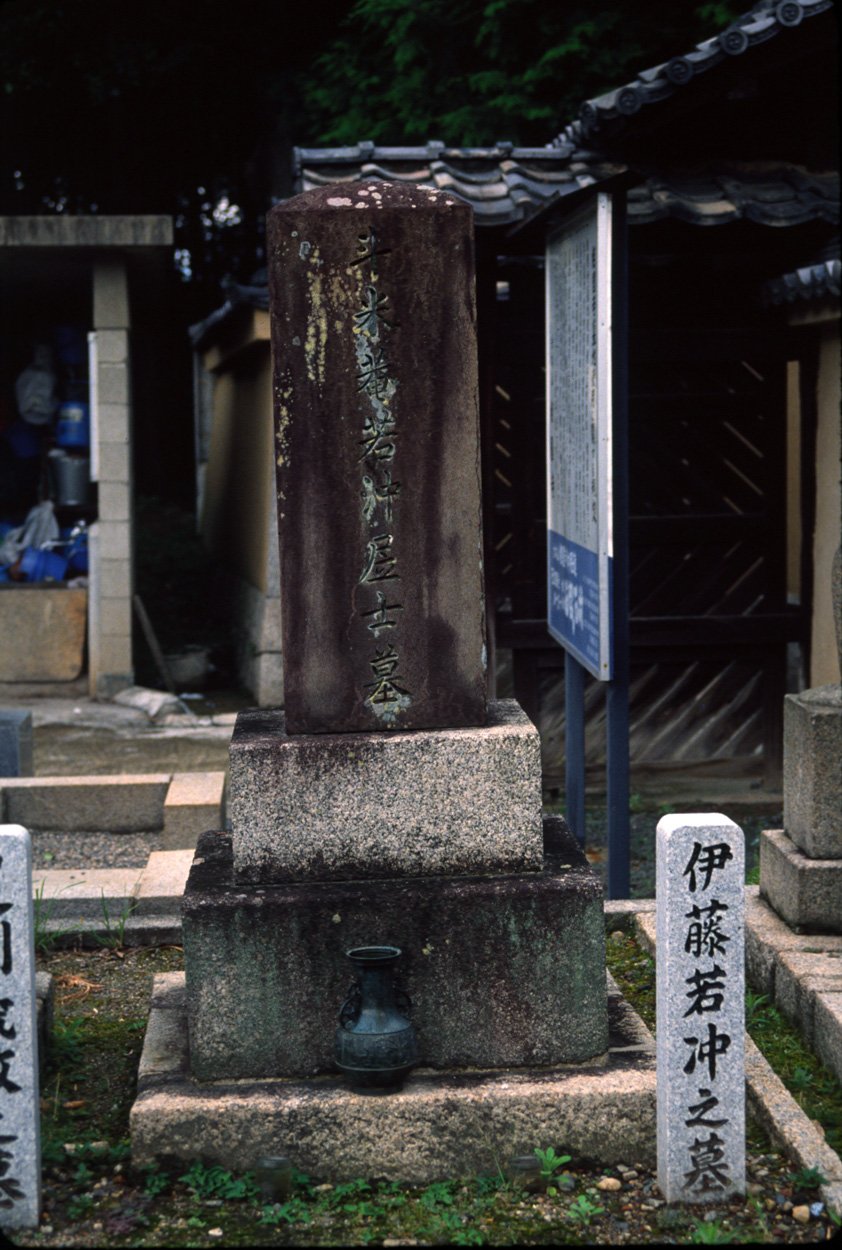
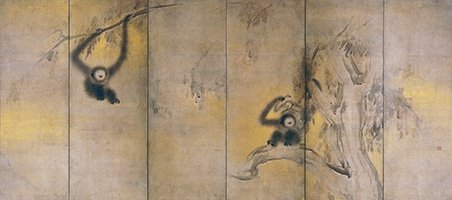
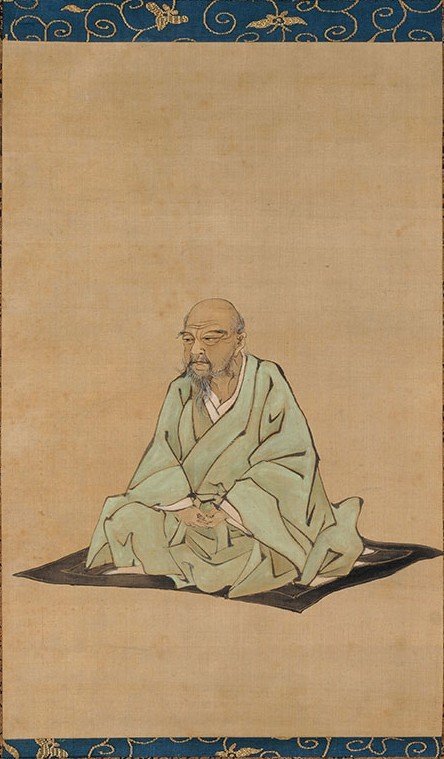
Notable features include the Hattō (Dharma Hall), Japan’s oldest surviving Buddhist lecture hall, famed for Kanō Mitsunobu’s “Crying Dragon” ceiling painting, whose unique acoustics are legendary (Wikipedia). The temple complex is further distinguished by the Kaisandō (Founder’s Hall), the Imperial Gate (Chokushimon), and tranquil Zen gardens. Shōkoku-ji’s cultural significance is further deepened by its association with influential Zen ink painters such as Josetsu, Shūbun, and Sesshū, and by its Jotenkaku Museum, home to priceless National Treasures and Important Cultural Properties (Shokoku-ji Museum).
For travelers, Shōkoku-ji offers practical conveniences such as clear visiting hours, straightforward ticketing, accessible facilities, and proximity to other iconic sites like Kinkaku-ji (Golden Pavilion) and Ginkaku-ji (Silver Pavilion) (Japan365days). This guide provides everything you need to fully appreciate Shōkoku-ji’s historical depth, architectural beauty, and serene atmosphere for a rewarding visit to one of Kyoto’s premier Zen temples.


Founding and Development
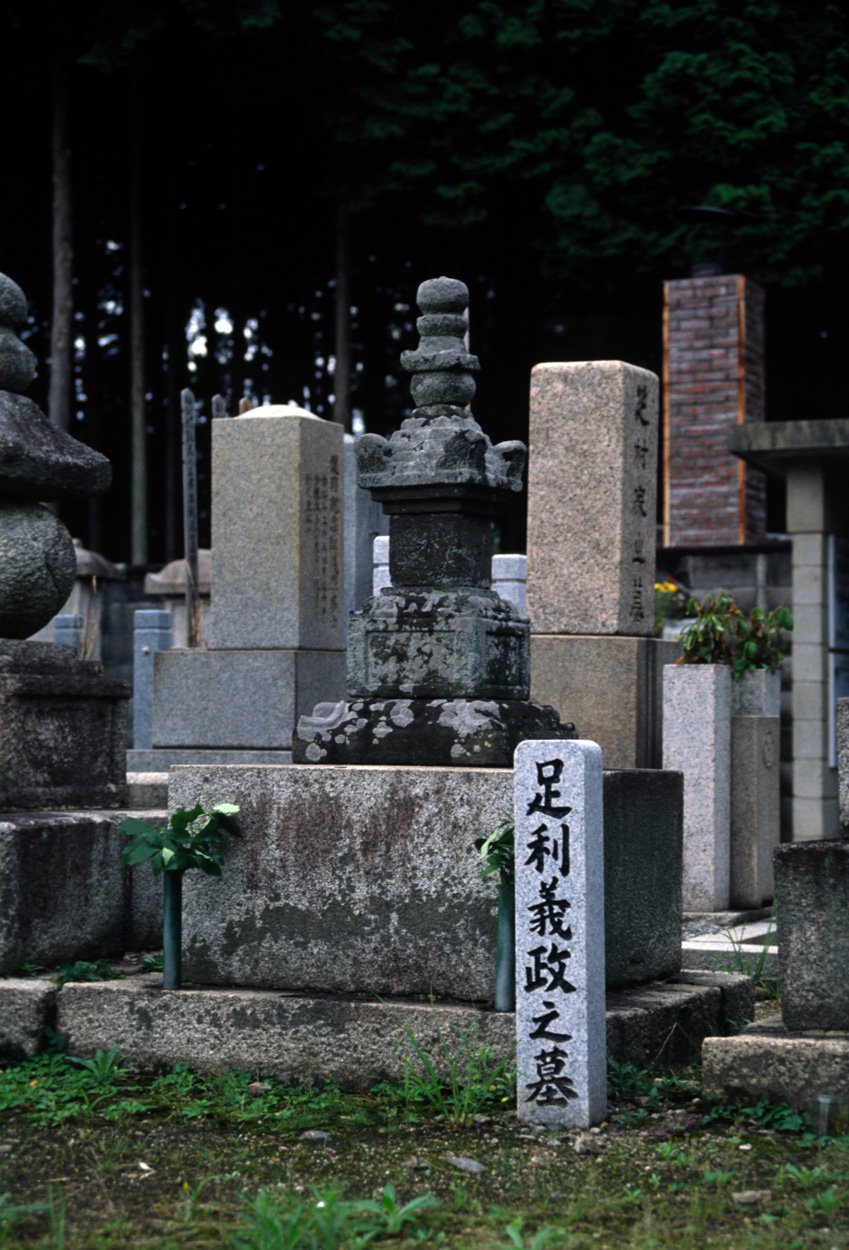
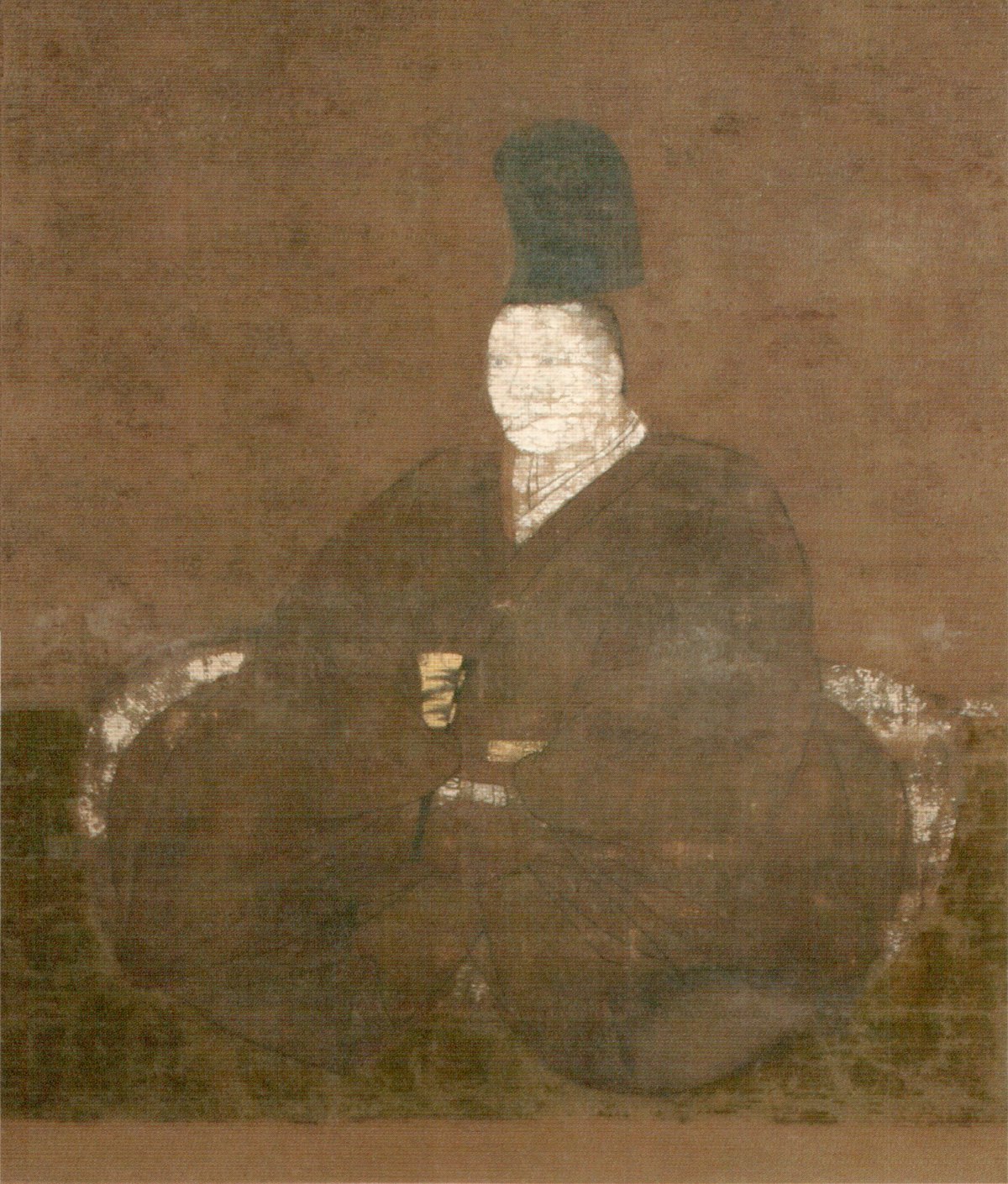
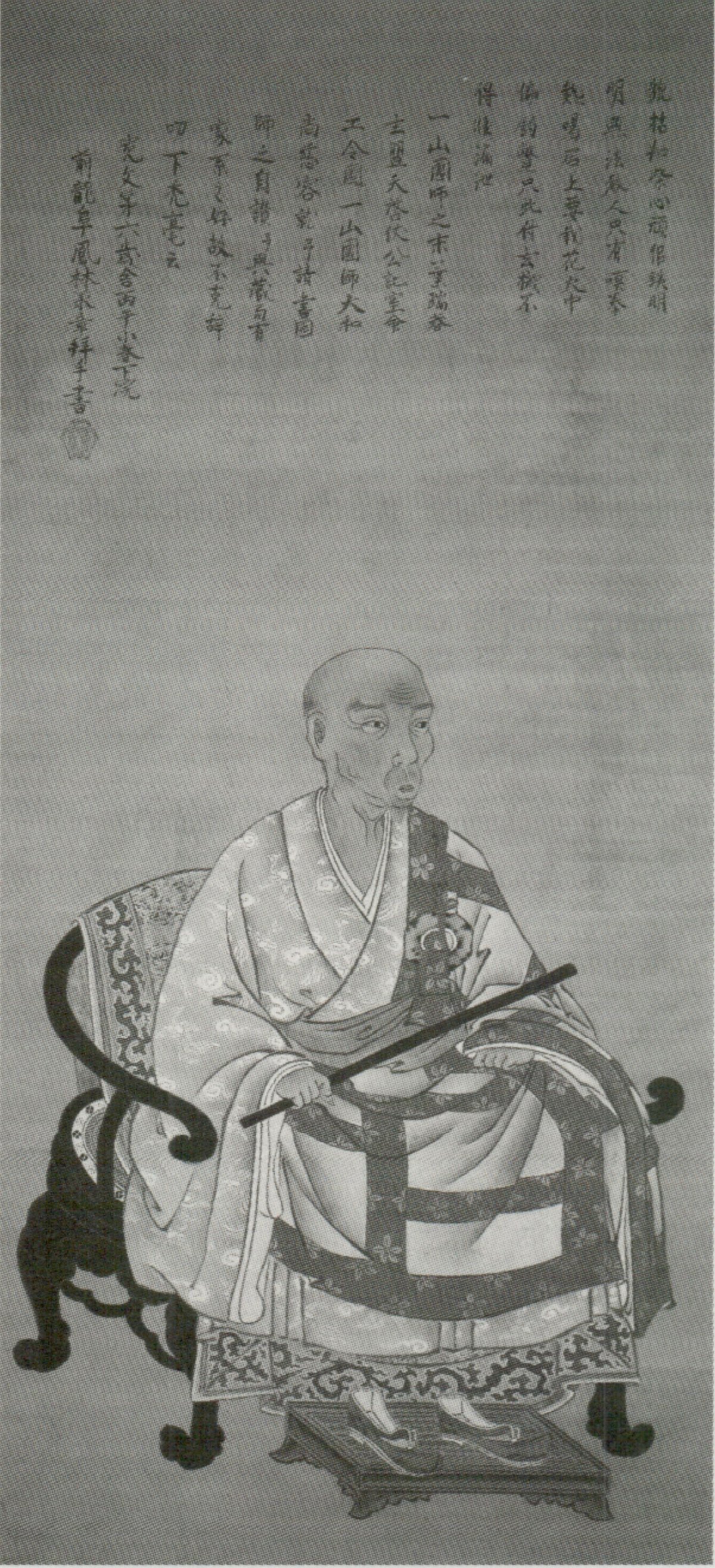
Shōkoku-ji, formally known as Mannen-zan Shōkoku Shōten Zenji (萬年山相国承天禅寺), was established in northern Kyoto in 1382 by Ashikaga Yoshimitsu. The site’s religious significance predates its foundation, as it previously housed several earlier temples (Shokoku-ji official site). The construction was supervised by Zen master Shun’oku Myōha, though the founding abbot title was posthumously bestowed upon his teacher, Musō Soseki (Wikipedia). The temple was officially dedicated by imperial decree in 1392, and at its peak, the complex covered a vast area of northern Kyoto.
Architectural Expansion and Cultural Flourishing
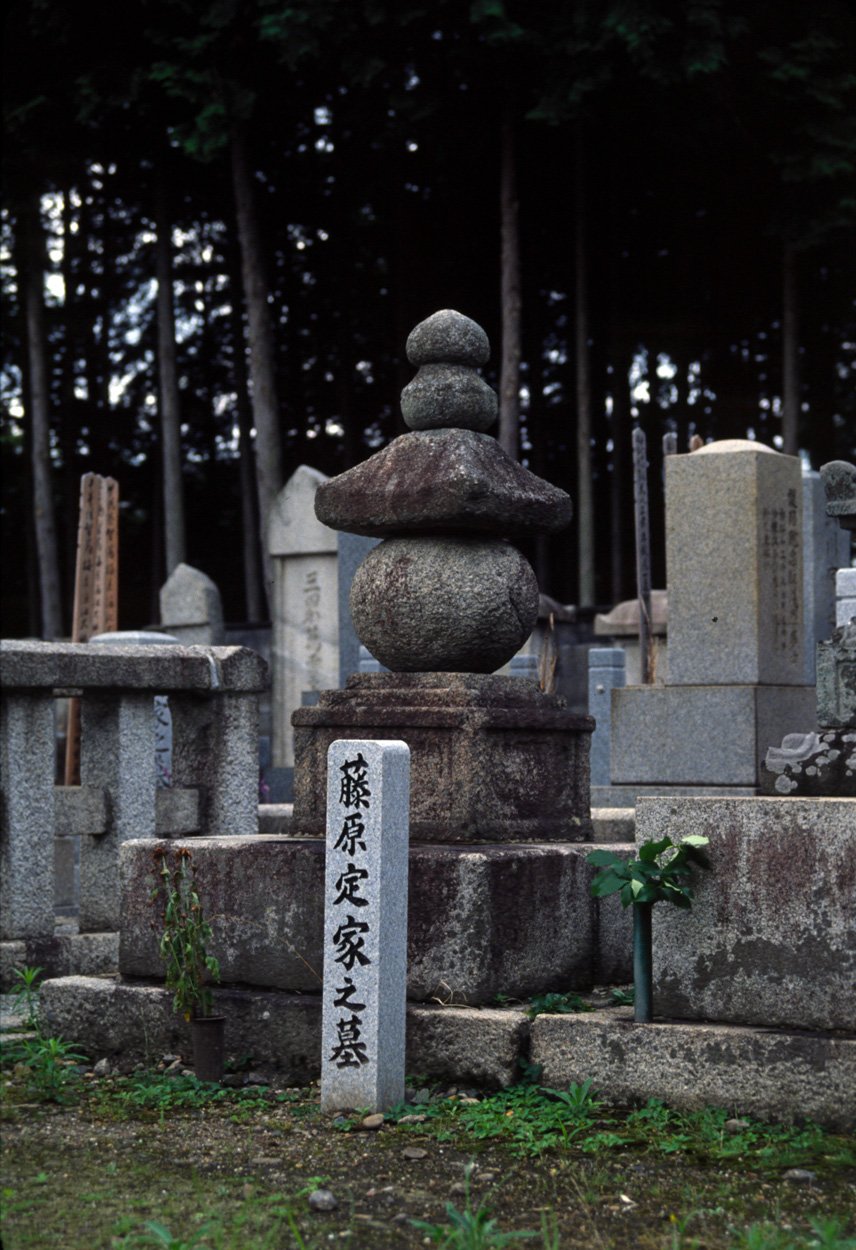
Shōkoku-ji soon rose to prominence as the head temple of its branch of the Rinzai Zen school, ranking second among Kyoto’s Five Great Zen Temples (Japan365days). It became a cultural and artistic hub, fostering talents like Josetsu, Shūbun, and Sesshū, who helped shape Japanese ink painting and aesthetics (Shokoku-ji Museum). The temple is custodian to five National Treasures and 145 Important Cultural Properties, including notable calligraphy and tea utensils (Time Out Tokyo).
Destruction and Reconstruction
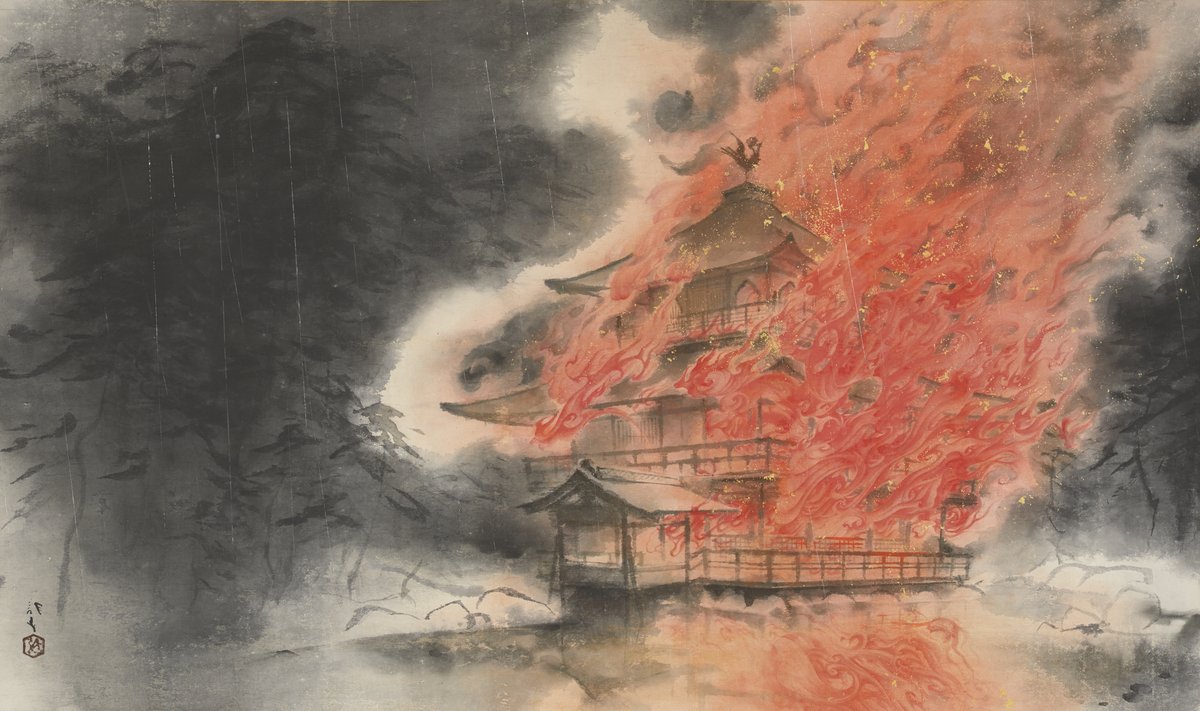
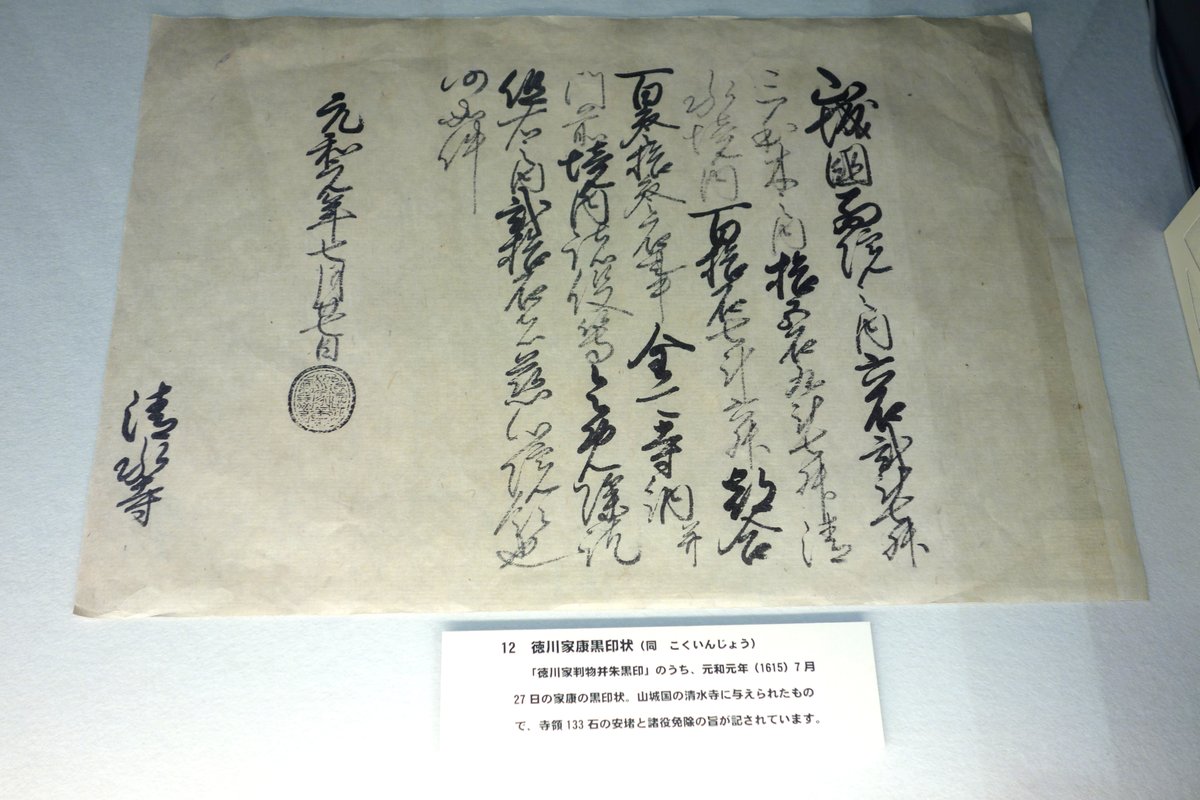
Throughout its history, Shōkoku-ji faced repeated destruction due to fires and conflicts, including the Ōnin War and the Great Tenmei Fire of 1788, which left only the Hattō and Chokushimon intact (Japan365days). Generous support from figures such as Toyotomi Hideyoshi, Tokugawa Ieyasu, and Emperor Go-Mizunoo enabled its reconstruction (Zen Rinnou).
Architectural and Artistic Highlights
- Hattō (Dharma Hall): Rebuilt in 1605, it is Japan’s oldest extant Buddhist lecture hall and renowned for Kanō Mitsunobu’s 9-meter “Crying Dragon” ceiling painting (Wikipedia). The acoustics amplify clapping, mimicking thunder.
- Kaisandō (Founder’s Hall): Rebuilt in 1807, this hall enshrines statues of Musō Soseki, Shun’oku Myōha, and Ashikaga Yoshimitsu (Kyoto Travel).
- Hōjō (Abbot’s Quarters): Features a revered Kannon Bosatsu painting by Enjinsai (Katō Nobukiyo).
- Chokushimon (Imperial Gate): Constructed in 1797, opened exclusively for imperial visits.
- Shichijū-daitō (Seven-Story Pagoda): Once Japan’s tallest pagoda, built in 1399, destroyed in 1403.
- Jotenkaku Museum: Opened in 1984, the museum houses treasures from Shōkoku-ji and its sub-temples, including Kinkaku-ji and Ginkaku-ji (Shokoku-ji Museum).
Visiting Shōkoku-ji: Practical Information
Hours and Admission
- Temple Grounds and Jotenkaku Museum: Open daily, 9:00 AM – 4:30 PM (last entry at 4:00 PM). Hours may vary during special events or holidays (Sakura House).
- General Admission: 500 yen for adults, 300 yen for university and high school students, free for children under 15. Jotenkaku Museum admission is included.
- Special Openings: Main halls (Hattō, Hondō, Kaisandō) are open to the public during limited periods, typically November 1–10; separate tickets may be required.
Access and Transportation
- By Subway: Imadegawa Station (Karasuma Line) is the nearest stop, a 10-minute walk from the temple.
- By Bus: Kyoto City Bus #204 or #205 to "Shōkoku-ji-mae" bus stop.
- From Kyoto Station: Approximately 20 minutes via public transport.
Accessibility
- The grounds are mostly flat and wheelchair-friendly, though some historic buildings may have limited access due to traditional architecture.
- Wheelchair rental services are available nearby; inquire at the information desk.
Guided Tours and Special Events
- English-language tours are available during special events; check the official website for schedules.
- Seasonal activities include Zen meditation, tea ceremonies, and rotating exhibitions at the Jotenkaku Museum.
Photography Guidelines
- Photography is allowed in outdoor areas and designated museum spaces. Flash and tripod use are generally prohibited indoors.
Best Photographic Spots
- The Hattō’s “Crying Dragon” ceiling (indoor photography restrictions may apply).
- Temple gardens during cherry blossom (spring) and autumn foliage.
- The Chokushimon (Imperial Gate) and moss-lined pathways.
Visitor Tips
- Arrive early or late to enjoy a quieter experience.
- Wear comfortable shoes and dress modestly.
- Respect temple etiquette: remove shoes indoors, keep voices low, and follow posted photography rules.
- Bring cash, as some facilities may not accept credit cards.
- Check the official website for the latest hours and event announcements.
Nearby Attractions
- Kinkaku-ji (Golden Pavilion): One of Kyoto’s most iconic Zen temples.
- Ginkaku-ji (Silver Pavilion): Celebrated for its elegant gardens.
- Kyoto Imperial Palace: A short walk from Shōkoku-ji.
- Nijo Castle: Historic site with beautiful architecture and gardens.
Frequently Asked Questions (FAQ)
Q: What are Shōkoku-ji’s visiting hours?
A: Open daily from 9:00 AM to 4:30 PM, last admission at 4:00 PM.
Q: How much are tickets?
A: 500 yen for adults, 300 yen for students, free for children under 15; special events may require additional tickets.
Q: Can I buy tickets online?
A: General admission tickets are sold at the entrance; special event tickets may be available online.
Q: Is Shōkoku-ji wheelchair accessible?
A: Main paths are accessible, though some historic buildings have limited access.
Q: Are guided tours available in English?
A: English tours are offered during special events; check the official website for details.
Q: When is the best time to visit?
A: Spring (cherry blossoms) and autumn (maple foliage) are most scenic; early morning or late afternoon is quieter.
Q: Can I take photos inside?
A: Photography is allowed outdoors; indoor photography is restricted in some areas.
Preservation and Modern Relevance
Despite suffering repeated destruction from fires and war, Shōkoku-ji has been meticulously reconstructed, maintaining its spiritual and cultural significance as a hub for Zen practice, art, and education. The Jotenkaku Museum regularly hosts exhibitions, and the temple continues to serve as a center for Zen training and cultural events (Shokoku-ji Museum; Jotenkaku Museum).
Discover More
For up-to-date visiting hours, ticketing, and event information, visit the official Shōkoku-ji website. Download the Audiala app for guided tours, travel tips, and more insights into Kyoto’s historical sites. Explore related articles on Kyoto’s must-see temples and Zen culture, and follow us on social media for the latest updates.
Listen to the full story in the app
The whole Shōkoku-Ji,
told well.
Audio guides for 1,100+ cities across 96 countries. History, stories, and local insight — offline ready.
Verified, and shown.
Researched and written by the Audiala editorial team from historical records, architectural archives, and local expertise.
Researched from Wikidata, Wikipedia & official sources · fact-checked · How we make our guides →