Plan and listen to Shiramine Shrine with Audiala.
Audio guide in your pocket, itinerary in your browser. Built for the way you actually visit.
Introduction
Shiramine Shrine (白峯神宮, Shiramine Jingū), located in Kyoto’s Kamigyō Ward, offers a unique experience at the intersection of imperial history, spiritual tradition, and vibrant community culture. Built in 1868 to honor the spirits of exiled Emperors Sutoku and Junnin, Shiramine Shrine stands as both a place of solemn memory and dynamic celebration. It is renowned for its association with the ancient game of kemari and for serving as a modern spiritual hub for athletes and sports enthusiasts. With free admission, accessible facilities, and a calendar of annual festivals, Shiramine Shrine is an essential destination for anyone interested in Kyoto’s historical sites, Japanese spirituality, and cultural heritage.
This guide provides a detailed overview of Shiramine Shrine’s history, significance, visiting hours, ticketing, annual festivals, accessibility, and practical tips for travelers. Whether you are a history buff, cultural explorer, or sports enthusiast, Shiramine Shrine offers a meaningful experience that connects you with the heart of Kyoto’s living traditions.


Historical Background and Significance
Imperial Exile and the Founding of Shiramine Shrine
Shiramine Shrine was established during the transformative Meiji Restoration era, a time marked by efforts to unify Japan under imperial rule and restore national identity. The shrine is dedicated to Emperors Sutoku (1119–1164) and Junnin (733–765), both of whom were exiled and deposed amidst political strife. Emperor Sutoku’s troubled legacy—following his exile after the Hōgen Rebellion—was believed to have led to a series of national calamities, prompting later efforts to appease his spirit. Emperor Junnin, added to the shrine’s pantheon in 1873, similarly represents a narrative of imperial suffering and reconciliation.
The site of Shiramine Shrine was formerly the residence of the Asukai family, influential court nobles renowned for their mastery of kemari (an ancient ball game) and waka poetry. This connection endures through the shrine’s ongoing celebration of kemari and its role as a spiritual home for athletes.
Kanpei-sha Status and Cultural Heritage
Shortly after its founding, Shiramine Shrine was designated a Kanpei-chūsha, a government-supported shrine of high rank, and later elevated to Jingū status in 1940. This recognition underscores its importance in both spiritual and political contexts, serving as a symbol of imperial legitimacy and national unity.
Cultural and Spiritual Role
Appeasing Vengeful Spirits and Imperial Memory
A central aspect of Shiramine Shrine’s rituals is the pacification of onryō—restless or vengeful spirits. These practices are rooted in Japan’s historical efforts to maintain harmony by honoring those who suffered wrongful deaths or injustices, particularly former emperors. Annual rites and festivals are performed to ensure peace, stability, and protection for the nation.
The Asukai Family Legacy and Sports Worship
Shiramine Shrine is also home to Seidai Myojin, the patron deity of kemari and ball sports. This unique spiritual focus draws athletes, especially soccer players, who come to pray for victory and success. The shrine’s grounds are decorated with symbolic balls and sports memorabilia, bridging ancient traditions with contemporary aspirations (The Kyoto Project).
Visiting Information
Visiting Hours
- Regular Hours: Open daily from 9:00 AM to 5:00 PM.
- Special Events: Hours may be extended during festivals; check official sources for updates.
Admission and Tickets
- Entry: Free of charge for all visitors.
- Ceremonies: Some events or participatory rituals may request a nominal fee or donation.
Accessibility
- Wheelchair Access: Main pathways are flat and accessible, though some areas have gravel which may require assistance.
- Facilities: Restrooms and seating areas are available; the shrine office sells omamori (amulets) and ema (prayer plaques).
How to Get There
- By Bus: Kyoto City Bus to “Kitanotenmangu-mae” or “Horikawa Imadegawa” stops; both are a short walk from the shrine.
- By Subway: From Kyoto Station, take the Karasuma Line to Imadegawa Station, then walk north about 15 minutes.
- By Taxi: Readily available from central Kyoto.
- Parking: No on-site parking; use nearby paid lots.
Recommended Visiting Times
- Festivals: April (kemari dedication), July (annual festival), January (Kemari Hajime), September (Takigi Noh).
- Quiet Visits: Weekday mornings offer a peaceful atmosphere.
Annual Events and Festivals
Kemari Hajime (蹴鞠始め)
Held each January, this ceremony features Heian-period costumed participants performing kemari, an ancient non-competitive ball game. It is a highlight for visitors interested in Japan’s sporting and courtly traditions (MustLoveJapan).
Reitaisai (Annual Festival)
Taking place in late spring or early summer, the Reitaisai involves purification rituals, offerings, and performances of bugaku (court dance) and gagaku (court music), reflecting Kyoto’s spiritual heritage.
Setsubun Festival
On February 3rd, the shrine celebrates Setsubun with bean-throwing ceremonies (mamemaki) to drive away evil spirits and invite good fortune.
Takigi Noh
In mid-September, Takigi Noh performances are held by firelight in honor of Emperor Sutoku, blending classical drama with spiritual commemoration.
Sports Blessings
Special blessings for athletes and teams are offered throughout the year. Many sports associations, including the Japan Football Association, make formal offerings at Shiramine Shrine (The Kyoto Project).
Architecture and Atmosphere
Shrine Layout and Features
- Main Sanctuary (Honden): The spiritual heart, enshrining Emperors Sutoku and Junnin.
- Haiden (Worship Hall): Where visitors offer prayers.
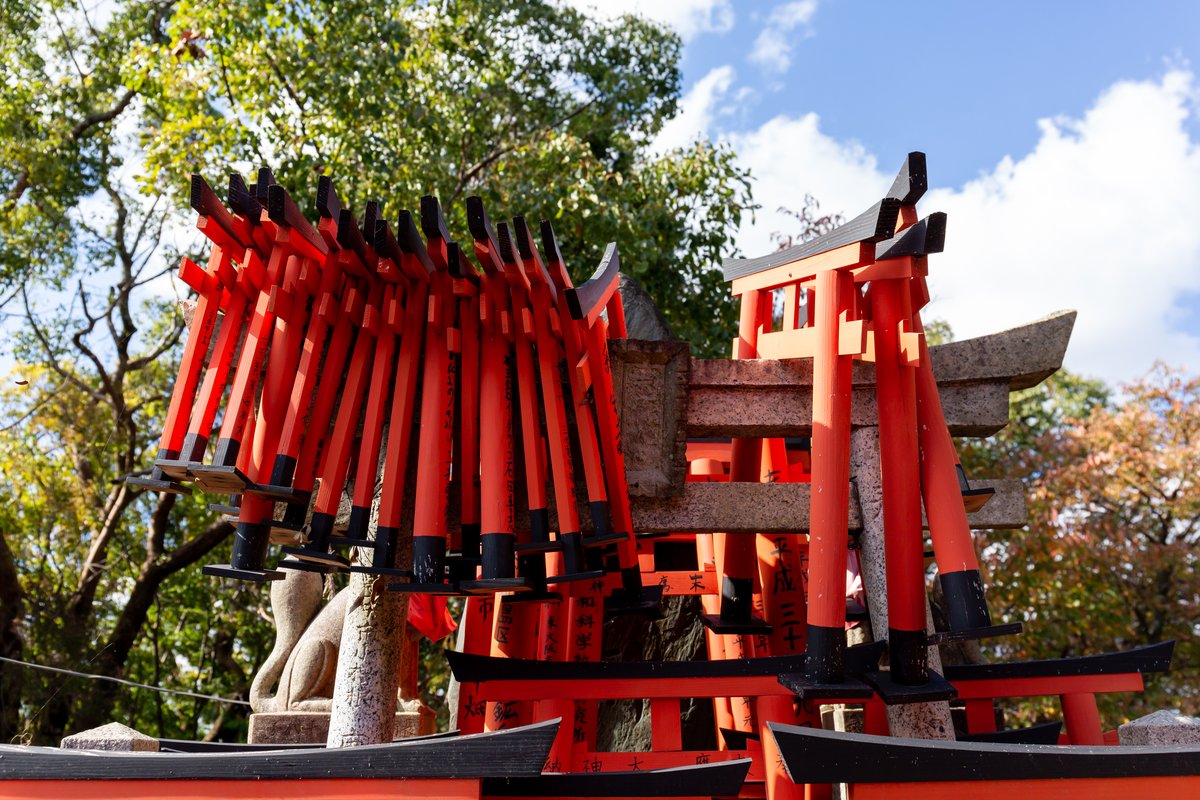
- Torii Gates: Vibrant vermilion gates mark the entrance, symbolizing transition into sacred space.
- Kemari Ball Motifs: Decorative and donated balls, including soccer balls from national teams, celebrate the shrine’s sporting legacy (Kansai Odyssey).
- Subshrines: Jishusha and others honor court figures and the Asukai clan.
Ambience
Shiramine Shrine offers a tranquil retreat filled with spiritual resonance and community energy. Cherry blossoms in spring and colorful foliage in autumn create a picturesque setting. The shrine’s blend of solemnity and playful sports motifs makes it distinctive among Kyoto’s historical sites.
Visitor Experience and Etiquette
Tips for Visitors
- Etiquette: Purify hands at the temizuya, bow at the torii, and observe silence at the main sanctuary.
- Photography: Allowed in outdoor spaces; avoid photographing ceremonies or inside the honden.
- Souvenirs: Unique omamori for athletes and students, as well as kemari-themed ema.
Facilities
- Restrooms: Available nearby; not inside the shrine.
- Shops/Food: No café on site, but omamori and ema are sold at the shrine office. Local eateries are within walking distance.
Nearby Attractions
- Kyoto Imperial Palace: A major historic site within walking distance.
- Kitanotenmangu Shrine: Known for its Plum Blossom Festival.
- Daitoku-ji Temple: A prominent Zen temple complex.
- Nishijin Textile Center: For insights into Kyoto’s textile traditions.
- Seimei Shrine: Dedicated to the famous onmyoji Abe no Seimei.
For more on these sites, see our guides to Kyoto Imperial Palace and Seimei Shrine.
Frequently Asked Questions (FAQ)
Q: What are Shiramine Shrine’s visiting hours?
A: Open daily from 9:00 AM to 5:00 PM. Hours may extend during festivals.
Q: Is there an admission fee?
A: No, entry is free. Some events may suggest a small donation.
Q: How do I get there?
A: By Kyoto City Bus to “Kitanotenmangu-mae” or “Horikawa Imadegawa,” or subway to Imadegawa Station followed by a short walk.
Q: Is Shiramine Shrine wheelchair accessible?
A: Main paths are accessible, though some gravel areas may be challenging.
Q: What are the most important annual festivals?
A: Kemari Hajime in January, Reitaisai in late spring/early summer, Setsubun in February, and Takigi Noh in September.
Q: Can I purchase sports blessings or amulets?
A: Yes, the shrine office offers special omamori for athletes and students.
Discover More
Plan your visit to Shiramine Shrine and discover Kyoto’s imperial legacy firsthand. Download the Audiala app for guided audio tours and insider tips, and explore our related articles on Kyoto’s historical shrines and seasonal festivals. Follow us on social media for the latest updates on events and travel inspiration.
Listen to the full story in the app
The whole Shiramine Shrine,
told well.
Audio guides for 1,100+ cities across 96 countries. History, stories, and local insight — offline ready.
Verified, and shown.
Researched and written by the Audiala editorial team from historical records, architectural archives, and local expertise.
Researched from Wikidata, Wikipedia & official sources · fact-checked · How we make our guides →