Plan and listen to Shinsen-En with Audiala.
Audio guide in your pocket, itinerary in your browser. Built for the way you actually visit.
Introduction
Nestled in central Kyoto, Shinsen-En is the city’s oldest surviving garden and a rare living testament to Japan’s imperial, religious, and cultural heritage. Established in 794 CE alongside the founding of Heian-kyō, this historic site began as an exclusive imperial retreat, featuring a vast central pond, elegant pavilions, and sacred springs. Over 1,200 years, Shinsen-En has witnessed imperial ceremonies, religious syncretism, and cultural milestones—such as Japan’s earliest recorded cherry blossom viewing and the origins of the Gion Matsuri festival. Despite reductions in its original size and numerous historical transformations, Shinsen-En continues to enchant visitors with tranquil landscapes, vermilion bridges, seasonal blossoms, and active Shinto shrines dedicated to deities like Benzaiten and the Dragon Queen.
This comprehensive guide details Shinsen-En’s visiting hours, ticket information, accessibility, transportation, and seasonal highlights, alongside a concise historical overview and practical travel tips. Whether you are a history enthusiast, cultural traveler, or nature lover, Shinsen-En offers a unique opportunity to immerse yourself in Kyoto’s imperial past and vibrant spiritual traditions. For updated information, refer to the Kyoto Tourism website, Hidden Gems in Kyoto, and the Nara National Research Institute for Cultural Properties.

Visitor Information
Location
Shinsen-En is located just south of Nijo Castle and west of the Kyoto Imperial Palace, in Nakagyo Ward, Kyoto. The address is 166 Monzencho, Nakagyo Ward, Kyoto, 604-8306.
Opening Hours
- Garden: 7:00 a.m. – 8:00 p.m. (open year-round, no regular holidays)
- Temple Office (for omikuji and goshuin): 9:00 a.m. – 5:00 p.m.
- Special Events: Hours may vary during festivals and ceremonies.
Tickets & Admission
- Admission: Free (donations appreciated to support garden maintenance and community activities)
- Special Events: Certain performances or guided tours may require an additional fee; tickets can be obtained onsite or through official channels.
Accessibility
- Garden paths are generally flat and wheelchair accessible. Some bridges have steps; assistance is recommended for full access. Accessible restrooms are available near the entrance.
Transportation
- Subway: 2–5 minute walk from Nijojo-mae Station (Tozai Line)
- Bus: Kyoto City Bus lines #50, #101, #9, or #12 to “Shinsen-en-mae”
- On Foot: About 15 minutes from Imadegawa Station (Karasuma Line)
- Taxi: Readily available throughout Kyoto
History and Cultural Significance
Imperial Foundations and Early Significance
Founded in 794 CE by Emperor Kanmu, Shinsen-En (“Garden of Divine Springs”) was originally an expansive imperial garden adjacent to the newly constructed Heian-kyō capital (Hidden Gems in Kyoto). The garden, once measuring approximately 480x240 meters, featured a central pond, islets, and pavilions for poetry, moon-viewing, and ceremonies (Nara National Research Institute for Cultural Properties). Emperor Saga frequented Shinsen-En, hosting the earliest documented cherry blossom viewing and court poetry contests in 812 CE.
Religious and Cultural Role
Shinsen-En became a focal site for both Shinto and Buddhist rituals, reflecting Heian-era religious syncretism. In 824 CE, the Buddhist priest Kobo Daishi (Kukai) led rain-invoking ceremonies here, cementing the garden’s spiritual significance (Hidden Gems in Kyoto). The first goryō-e (rites for pacifying spirits) held at Shinsen-En in 863 CE evolved into the iconic Gion Matsuri festival. Over the centuries, the garden hosted legendary figures and ritual performances, some of which are reenacted today.
Decline, Restoration, and Transformation
Urban growth, war, and the 17th-century construction of Nijo Castle reduced Shinsen-En to a fraction of its original expanse. Despite challenges, the site was restored under the Tokugawa shogunate and came under the care of Toji Temple, a major Shingon Buddhist center (Visit Inside Japan). Shinsen-En’s sacred character endured, with locals maintaining active religious and festival traditions.
Modern Era
Recognized today as a National Historic Site, Shinsen-En is a living religious space where community members offer prayers, participate in rituals, and celebrate seasonal festivals. The garden’s water features, shrines, and plantings continue to represent purification and spiritual vitality.
Garden Layout & Features
Pond, Islands, and Bridges
The heart of Shinsen-En is the Hojuju-ike pond, originally spring-fed and central to the garden’s design and symbolism. Small islands (nakajima), accessible by bridges, evoke classic Japanese landscape aesthetics. The most prominent is the vermillion-lacquered Houjoubashi bridge, believed to grant wishes—cross it while making a heartfelt wish for good fortune.
Shrines and Architecture
- Shinsen-En Shrine: Located at the southern end, dedicated to Benzaiten, the Dragon Queen, and other deities.
- Other Shrines: Sites dedicated to Benten (arts/music), Inari (prosperity/agriculture), and Yatsurugi Daimyojin (protection).
- Pavilions and Rest Houses: Built in sukiya-zukuri style, emphasizing simplicity and natural materials, offering shelter and contemplative views.
- Stone Lanterns: Traditional tōrō lanterns add to the ambiance, especially when illuminated in the evening.
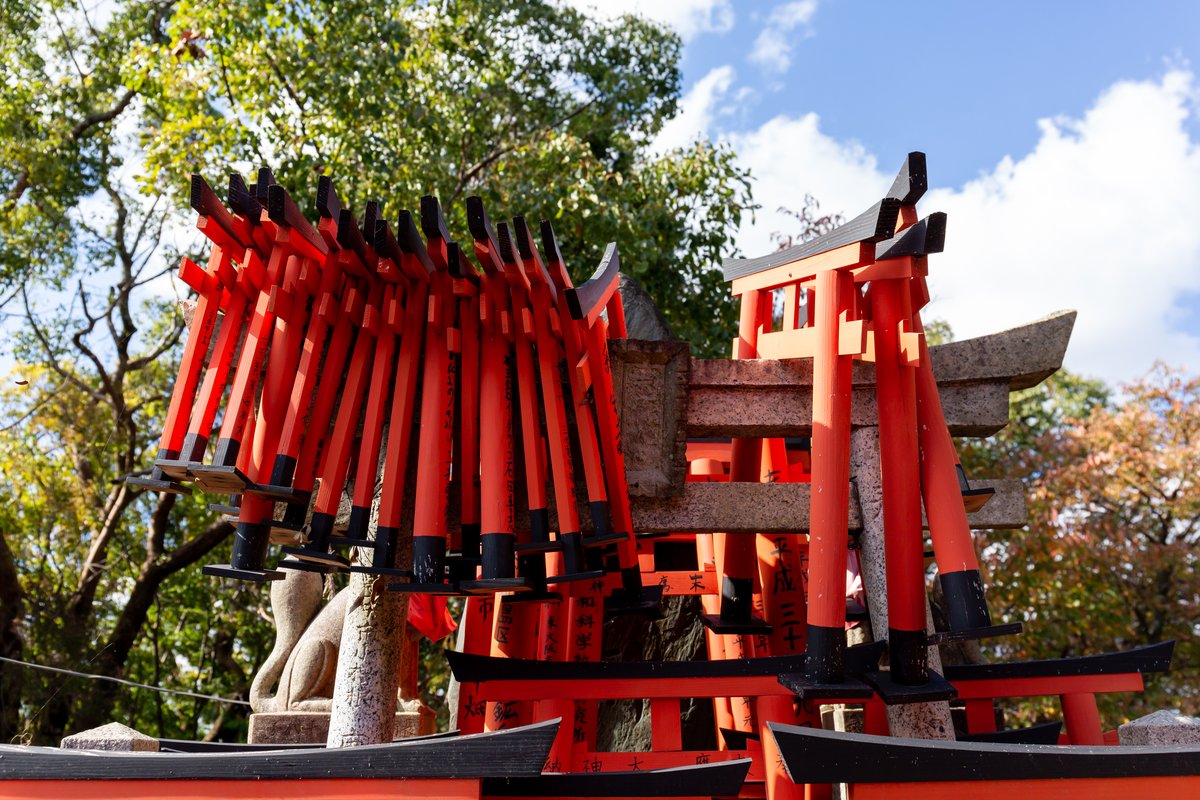
- Perimeter Walls and Gates: Torii gates mark the transition from the mundane to the sacred.
Seasonal Highlights
- Spring: Spectacular cherry blossoms; garden illuminated for hanami.
- Autumn: Vivid maples in red and gold.
- Summer: Lush greenery and lotus blooms.
- Winter: Serene pond and evergreens, sometimes dusted with snow.
Facilities & Amenities
- Benches and shaded rest areas
- Accessible restrooms
- On-site restaurant with garden views
- Souvenir and omikuji/goshuin (temple stamp) counters
Travel Tips & Nearby Attractions
- Combine your visit with Nijo Castle, the Kyoto Imperial Palace, or the Kyoto International Manga Museum.
- Best times: Early morning or late afternoon for tranquility and photography.
- Etiquette: Bow at shrine entrances, keep conversations quiet, and avoid photographing people in prayer.
- Nearby Cafes: Enjoy traditional Kyoto cuisine at local tea houses.
Events & Experiences
- Seasonal Festivals: Cherry blossom illuminations, autumn foliage events, and rain dance ceremonies.
- Cultural Performances: Kyogen comedic theater in spring.
- Special Rituals: Annual Gion Matsuri processions, rain-invoking ceremonies, and reenactments of legendary meetings.
Visitor FAQs
Q: What are Shinsen-En’s opening hours?
A: Garden: 7:00 a.m. – 8:00 p.m.; Temple Office: 9:00 a.m. – 5:00 p.m.
Q: Is there an admission fee?
A: No, entry is free; donations are appreciated.
Q: How do I get to Shinsen-En from Kyoto Station?
A: Take the Tozai Subway Line to Nijojo-mae Station (2–5 minute walk), or City Bus lines #50, #101, #9, or #12.
Q: Are guided tours available?
A: Local tour operators may offer guided experiences; inquire in advance.
Q: Is Shinsen-En wheelchair accessible?
A: Most garden paths are accessible, but some bridges have steps.
Q: When is the best time to visit?
A: Spring (cherry blossoms) and autumn (foliage) are highlights; festivals offer unique experiences.
Summary & Recommendations
Shinsen-En Garden stands as a living narrative of Kyoto’s imperial, spiritual, and cultural evolution. From its origins as an imperial retreat to its present role as a community spiritual center, Shinsen-En offers visitors a rare blend of tranquility, history, and tradition. Its free admission, central location, and year-round accessibility make it an ideal addition to any Kyoto itinerary. For the most rewarding experience, plan your visit during cherry blossom or autumn foliage seasons, and combine with nearby historical sites.
For the latest updates, event schedules, and guided tour options, download the Audiala app and consult official resources such as the Kyoto Tourism website and the Nara National Research Institute for Cultural Properties.
Listen to the full story in the app
The whole Shinsen-En,
told well.
Audio guides for 1,100+ cities across 96 countries. History, stories, and local insight — offline ready.
Verified, and shown.
Researched and written by the Audiala editorial team from historical records, architectural archives, and local expertise.
Researched from Wikidata, Wikipedia & official sources · fact-checked · How we make our guides →