Plan and listen to Shijō Karasuma with Audiala.
Audio guide in your pocket, itinerary in your browser. Built for the way you actually visit.
Introduction
Shijō Karasuma, located at the intersection of Shijō-dori and Karasuma-dori, is the vibrant heart of Kyoto—Japan’s ancient capital. This bustling district is a microcosm of the city’s 1,200-year history, blending imperial heritage, commercial vitality, and contemporary urban culture. Today, it stands as a gateway to both Kyoto’s storied past and its dynamic present, offering everything from historic architecture and traditional crafts to renowned department stores and the iconic Gion Matsuri festival (Wikipedia - Shijō Street; The Kyoto Project). With easy access via major train and subway lines, Shijō Karasuma is an indispensable destination for travelers seeking an immersive Kyoto experience (Japanese Wiki).


Historical Background and Urban Evolution
Shijō Karasuma’s history traces back to Kyoto’s founding as Heian-kyō in 794 CE. Shijō-dori (“Fourth Avenue”) was a principal east–west thoroughfare in the imperial capital, while Karasuma-dori was named after an influential Heian-era aristocratic family (Wikipedia - Shijō Street; The Kyoto Project). Over centuries, the area evolved from an elite residential zone to a commercial nucleus, especially after urban reforms by Toyotomi Hideyoshi in the 16th century and modernization during the Meiji era, which brought the construction of Kyoto Station and the expansion of major streets (The Kyoto Project).
Economic and Cultural Significance
Shijō Karasuma is Kyoto’s principal business and banking district, hosting major institutions like the Bank of Kyoto and the former Kyoto Stock Exchange (Japanese Wiki). The area’s distinctive urban landscape features a blend of pre-war architecture and contemporary complexes, such as Kyoto Sangyo Kaikan (Silk Hall) and COCON KARASUMA. Alongside financial institutions, the district is home to the Shijō school of painting—an influential Edo-period artistic movement—and cultural centers like the Ikenobo College for ikebana (Japanese flower arrangement) (Wikipedia - Shijō Street; Japanese Wiki).
Festivals and Living Traditions
Shijō Karasuma plays a central role during the Gion Matsuri, Kyoto’s most celebrated festival every July. The Yamaboko Junko parade, featuring grand floats, passes directly through Shijō-dori at Karasuma, with the district transformed during the festival’s vibrant yoiyama evenings (Japan Starts Here; Japan Travel). The festival reflects the area’s enduring role in maintaining Kyoto’s living traditions and communal celebrations.
Architecture and Preservation
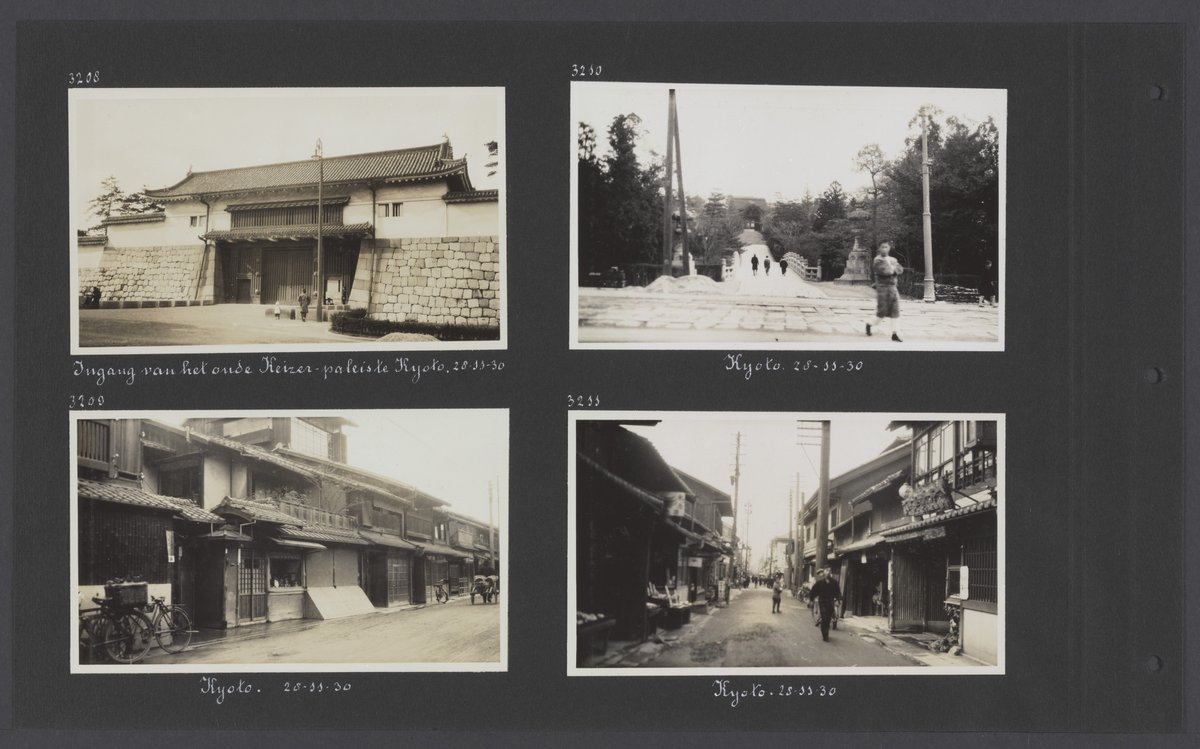
Kyoto’s status as Japan’s imperial capital for over a millennium and its relative preservation during World War II have allowed Shijō Karasuma to retain a unique urban continuity (Wikipedia - Historic Monuments of Ancient Kyoto). Its streetscape is a harmonious blend of historic machiya (wooden townhouses), pre-war office buildings, and modern towers. Regulations—such as smoking bans along Shijō-dori—underscore the city’s commitment to maintaining a pleasant and accessible urban environment (Wikipedia - Shijō Street).
Getting There: Transportation and Accessibility
Shijō Karasuma is exceptionally accessible. The intersection is served by Karasuma Station (Hankyu Kyoto Line) and Shijō Station (Kyoto Subway Karasuma Line), conveniently connected underground (Japanese Wiki). Numerous bus lines stop nearby, and the area is connected to Kyoto Station and other districts in minutes. Underground passageways feature shops and eateries, making navigation easy in any weather. The district is highly walkable, and major facilities provide elevators and barrier-free access.
Visiting Hours, Tickets, and Practical Information
General Visiting
Shijō Karasuma is a public district with no entrance fee or general visiting hours. Shopping arcades, department stores, and cultural sites have their own opening times:
- Department Stores (Takashimaya, Daimaru): 10:00 AM–8:00 PM (Japan Guide)
- Nishiki Market: 9:00 AM–6:00 PM
- Kyoto International Manga Museum: 10:00 AM–6:00 PM, closed Wednesdays, adult admission ¥900 (Nomadasaurus)
- Nijo Castle: 8:45 AM–5:00 PM (last entry 4:00 PM), adult admission ¥1,030 (IntrepidScout)
Tip: Always check official websites for the latest details, especially during holidays and festivals.
Tickets and Passes
- Shopping arcades and department stores: Free entry.
- Cultural sites/museums: Individual admission fees, usually paid on-site.
- Transport passes: Kyoto City Bus & Subway One-day Pass (approx. ¥900) and Kyoto Sightseeing Pass are widely available.
Shopping, Dining, and Entertainment
Department Stores and Shopping Arcades
- Takashimaya Kyoto and Daimaru Kyoto: Renowned for luxury brands, traditional crafts, and expansive food halls (Japan Guide; Matcha).
- Nishiki Market: The “Kitchen of Kyoto” with 100+ stalls for local delicacies and souvenirs.
- Teramachi & Shinkyogoku Arcades: Eclectic mix of boutiques, pop culture shops, and vintage stores.
Culinary Experiences
Sample kyo-kaiseki (seasonal multi-course meals), obanzai (Kyoto home cooking), soba, udon, and yudofu. Trendy cafés and themed venues are plentiful, as are izakayas and international restaurants (TripToJapan; Mai-Ko).
Entertainment and Nightlife
Enjoy rooftop bars with city views, karaoke lounges, and live music venues. The Pontocho district, just west of Karasuma, is famed for atmospheric dining and nightlife (Magical Trip).
Cultural and Historical Sites Nearby
- Nijo Castle: UNESCO World Heritage, feudal-era architecture (IntrepidScout).
- Gion District: Historic geisha quarter with preserved machiya.
- Kiyomizu-dera Temple: 6:00 AM–6:00 PM, entry ¥400 (TripToJapan).
- Kyoto International Manga Museum: Celebrates manga culture, with exhibits and workshops.
Visitor Tips and Frequently Asked Questions
Transportation & Navigation
- Use Karasuma (Hankyu) or Shijō (Subway) stations for direct access.
- One-day transport passes save money for sightseeing.
- Underground passages connect key points and offer shelter from weather.
Accessibility
- Major stores, stations, and attractions are wheelchair-accessible.
- Coin lockers and luggage storage available at stations and shopping centers.
Accommodation
- Wide range: from luxury hotels (Hilton Garden Inn, Richmond Premium) to capsule hotels and serviced apartments.
- Book early during cherry blossom (March–April), autumn foliage (October–November), and Gion Matsuri (July).
Local Etiquette
- Remove shoes where required.
- Dispose of trash properly; bins are limited.
- Be respectful and ask before photographing people, especially geisha/maiko.
FAQ
Q: What are the prime visiting hours?
A: Most shops open around 10:00 AM; markets and temples may open earlier. Many attractions close by 5:00–8:00 PM.
Q: Do I need tickets for Shijō Karasuma?
A: The district itself is free to enter; tickets apply to museums and some temples.
Q: Is the area safe?
A: Yes, Kyoto is very safe, although basic precautions are advised in crowded areas.
Q: Are credit cards accepted?
A: Widely accepted in department stores and hotels; carry cash for small shops.
Q: Can I rent a kimono here?
A: Yes, several shops offer kimono rental and dressing services (Tsunagu Japan).
Listen to the full story in the app
The whole Shijō Karasuma,
told well.
Audio guides for 1,100+ cities across 96 countries. History, stories, and local insight — offline ready.
Verified, and shown.
Researched and written by the Audiala editorial team from historical records, architectural archives, and local expertise.
Researched from Wikidata, Wikipedia & official sources · fact-checked · How we make our guides →