Plan and listen to Sennyū-Ji with Audiala.
Audio guide in your pocket, itinerary in your browser. Built for the way you actually visit.
Introduction
Nestled in Kyoto’s historic Higashiyama district, Sennyū-ji Temple (泉涌寺)—affectionately known as “Mitera” (御寺), or “The Imperial Family’s Temple”—embodies Japan’s imperial legacy and Buddhist heritage. As the mortuary temple for over 39 emperors and imperial princes, Sennyū-ji is steeped in profound cultural and spiritual significance (jpmanual.com; leafkyoto.net). This comprehensive guide explores Sennyū-ji’s rich history, architectural highlights, art treasures, and provides all the essential details on visiting hours, ticketing, accessibility, and nearby attractions to help you plan a memorable and respectful visit.

Early Foundations and Religious Significance
Founded in the mid-9th century as a hermitage by Shinshu Shonin, Sennyū-ji (“Temple of the Gushing Spring”) is named after a sacred spring believed to have appeared miraculously at its inception (jpmanual.com). In the early 13th century, the influential priest Shunjyo, after studying in China’s Song dynasty, led the temple’s major reconstruction. His work introduced Chinese architectural aesthetics and fostered syncretic Buddhist practices, making Sennyū-ji a hub for the Ritsu, Zen, Pure Land, and Shingon sects (damien.douxchamps.net; leafkyoto.net).
Sennyū-ji as the Imperial Family Temple
From the Kamakura period onward, Sennyū-ji’s stature grew through its close association with the imperial family. The construction of Emperor Shijō’s mausoleum in 1242 established the temple as the official mortuary temple (bodaiji) for the imperial household. Today, Sennyū-ji enshrines mausoleums and mortuary tablets for 39 emperors and imperial princes, underscoring its unique status as “Mi-dera” (jpmanual.com; leafkyoto.net).
Architectural Highlights and Imperial Mausoleums
Sennyū-ji’s layout and structures reflect centuries of imperial patronage and religious devotion. Notable highlights include:
- Butsu-den (仏殿): The grand Buddha Hall, rebuilt in 1668, houses statues of the past, present, and future Buddhas (Sanze-Butsu), and reflects Edo-period craftsmanship (jpmanual.com).
- Shari-den (舎利殿): The reliquary hall, transferred from the Kyoto Imperial Palace, preserves precious Buddhist relics.
- Gozasho (御座所): Relocated from the Imperial Palace, this building contains rooms used by imperial family members.
- Reimei-den (霊明殿): Mortuary tablets of emperors from Tenchi to Shōwa are enshrined here.
- Imperial Mausoleums (Tsukinowa-no-misasagi): These solemn enclosures are generally closed to the public to maintain their sanctity (Kyoto City Official Travel Guide).
Art Treasures and Cultural Heritage
Sennyū-ji is renowned for its artistic legacy:
- Dainirvana Painting: One of Kyoto’s three great Nirvana paintings, this masterpiece is displayed annually.
- Kano School Ceiling Paintings: The Buddha Hall features a dramatic dragon painting by Edo-period master Kano Tanyu.
- Buddhist Sculptures: Statues by the legendary sculptor Unkei, including the Sanze-Butsu triad, are revered highlights.
- Yokihi Kannon Statue: This unique Kannon figure, modeled after the legendary Chinese consort Yang Guifei, exemplifies cultural exchange (taleofgenji.org).
- Fusuma and Byōbu: Painted sliding doors and folding screens depict seasonal landscapes.
- Ceremonial Treasures: The temple also houses a 13th-century bronze bell and ritual implements of historical significance.
Practical Visitor Information: Hours, Tickets, and Access
- Visiting Hours: Open daily from 9:00 AM to 4:30 PM (last admission at 4:00 PM). Hours may vary seasonally or during special events—check the official Kyoto tourism website before visiting.
- Admission Fees: Standard tickets are approx. 500–600 yen for adults, with discounts for students and children; some areas, such as imperial mausoleums, may have restricted access or require special reservations.
- Accessibility: Most temple grounds and paths are suitable for wheelchairs and strollers, though some historic sections include steps or uneven terrain. Assistance can be requested on-site.
- Facilities: Gift shop, vending machines, rest areas, and accessible toilets are available near the entrance.
- Photography: Permitted in outdoor areas, but generally not allowed inside main halls or mausoleums. Look for signage and follow staff guidance.
Nearby Attractions and Recommended Tours
Sennyū-ji’s location makes it easy to combine your visit with other Kyoto highlights:
- Tofuku-ji Temple: Renowned for its autumn foliage, a short walk away.
- Kyoto National Museum: Exhibiting Japanese art and cultural history.
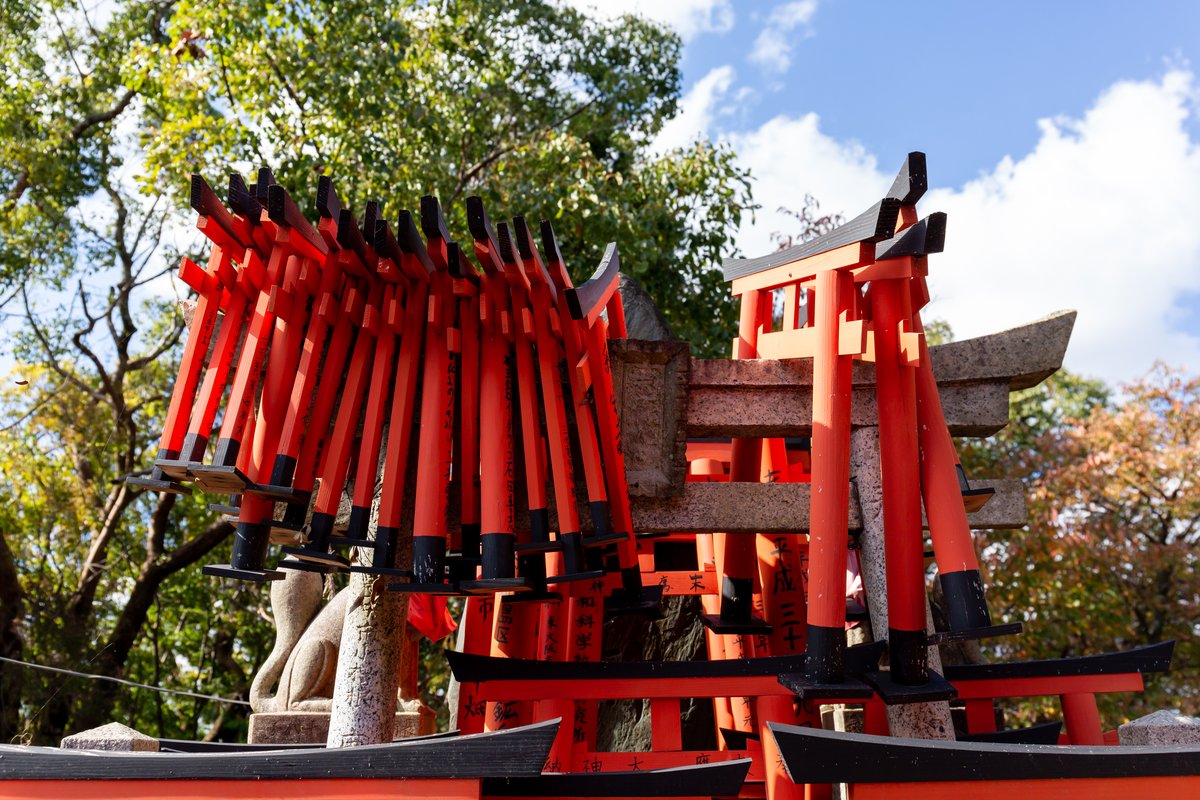
- Fushimi Inari Taisha: Famous for its iconic red torii gates.
- Philosopher’s Path & Gion District: Ideal for strolling and cultural immersion.
Guided tours, including self-guided app-based options such as GPSmyCity, provide deeper insights into Sennyū-ji and the broader Higashiyama district (Flip Japan Guide).
Cultural Etiquette and Visitor Tips
- Dress Modestly: Wear respectful attire, especially when entering prayer halls.
- Remove Shoes: Required before entering indoor spaces; slippers may be provided.
- Quiet Reflection: Maintain silence near mausoleums and during ceremonies.
- No Smoking: Smoking is prohibited anywhere on temple grounds.
- Participate Respectfully: Join rituals or meditation sessions only when permitted and follow instructions (Flip Japan Guide).
Frequently Asked Questions (FAQ)
Q: What are the official Sennyū-ji visiting hours?
A: Typically 9:00 AM to 4:30 PM, with last admission at 4:00 PM.
Q: How much are tickets?
A: Standard admission is 500–600 yen for adults; discounts for students and children available.
Q: Is Sennyū-ji wheelchair accessible?
A: Most paths are accessible, but some historic areas have steps or gravel paths.
Q: Can I visit the imperial mausoleums?
A: The inner mausoleums are generally closed to the public, except during special events.
Q: Are guided tours available?
A: Yes; self-guided apps and occasional English-language tours can enhance your visit.
Listen to the full story in the app
The whole Sennyū-Ji,
told well.
Audio guides for 1,100+ cities across 96 countries. History, stories, and local insight — offline ready.
Verified, and shown.
Researched and written by the Audiala editorial team from historical records, architectural archives, and local expertise.
Researched from Wikidata, Wikipedia & official sources · fact-checked · How we make our guides →