Plan and listen to Seiryō-Ji with Audiala.
Audio guide in your pocket, itinerary in your browser. Built for the way you actually visit.
Introduction to Seiryō-ji Temple
Nestled in the tranquil Saga-Arashiyama district in western Kyoto, Seiryō-ji Temple (清凉寺), also known as Saga Shakado, is a striking testament to Japan’s Buddhist heritage and cultural sophistication. Established during the Heian era, Seiryō-ji’s history is intertwined with imperial patronage, literary classics like The Tale of Genji, and a remarkable tradition of religious art and architecture. The temple is particularly renowned for housing the National Treasure statue of Shakyamuni Buddha—a masterpiece with international roots and profound spiritual significance.
Seiryō-ji’s sprawling grounds feature Edo-period architecture, scenic gardens, and treasures such as the Amida Sansonzo sculpture and the Toyotomi Hideyori Head Mound, drawing art enthusiasts, spiritual seekers, and history lovers alike. This guide presents essential information on visiting hours, ticketing, accessibility, and notable nearby attractions, as well as deeper insights into the temple’s unique history, architecture, and cultural traditions. For the most current updates, refer to the Seiryō-ji official website and trusted travel resources (Hidden Gems of Kyoto, Japan Experience).

Historical Origins and Development
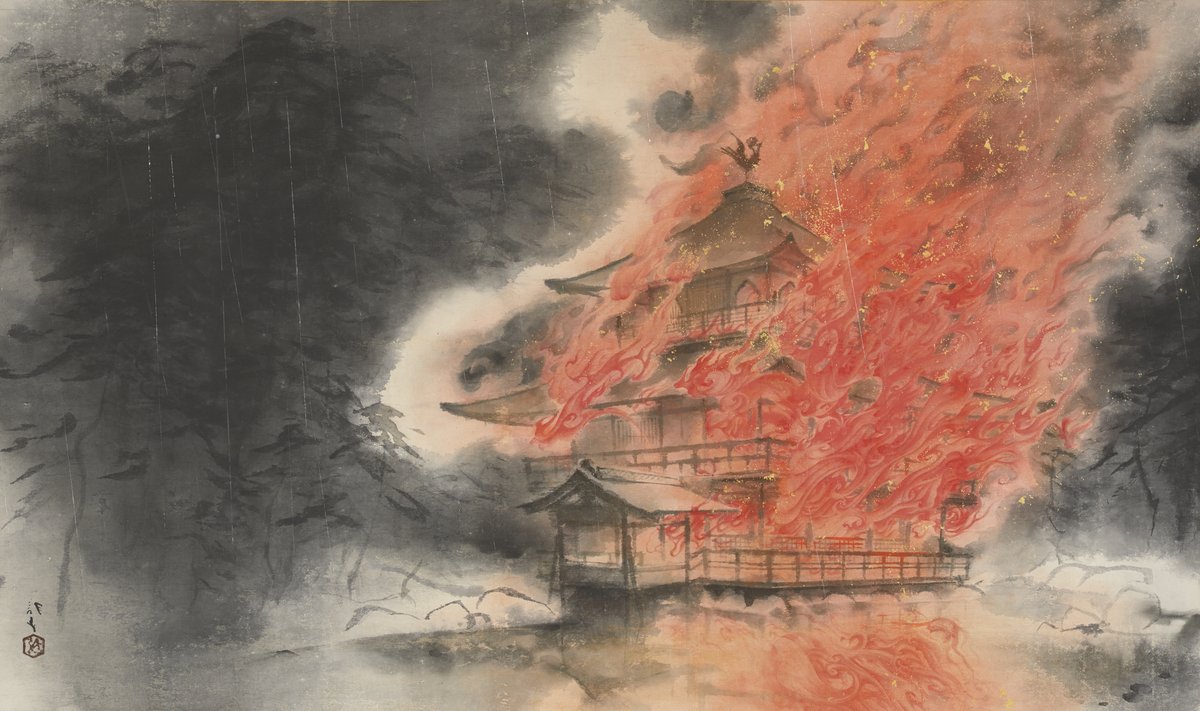
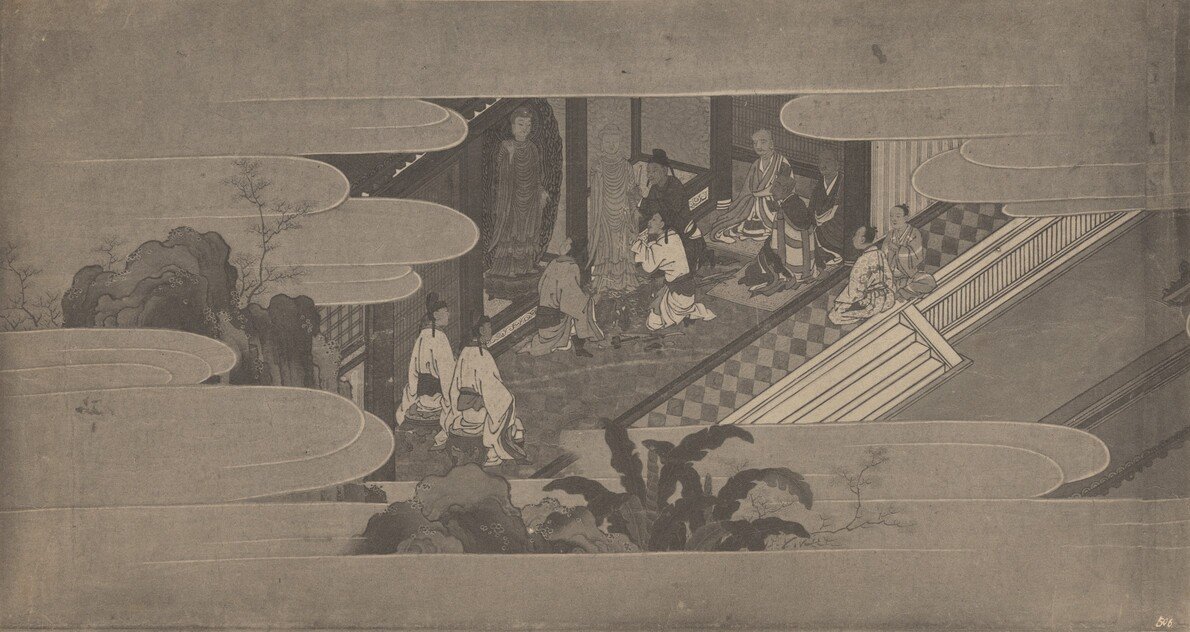
Founded in 945 CE on the former grounds of Seikaji Temple, Seiryō-ji emerged as a central institution in Heian-period Kyoto, then the imperial capital. Historically supported by the Fujiwara clan, it survived multiple disasters—including fires and wars—remaining a beacon of religious and artistic achievement. The temple is said to have inspired the Saga-no-Godo in The Tale of Genji, weaving it into the cultural and literary fabric of Japan (Tale of Genji and Seiryō-ji).
Artistic and Spiritual Treasures
The Shakyamuni Buddha Statue
The temple’s principal icon is a standing statue of Shakyamuni Buddha, carved from sandalwood and designated a National Treasure. Commissioned in the 10th century by the monk Chōnen, who modeled it after a revered image in Song-dynasty China, this statue is famed for its lifelike features and the silk organ models hidden inside—emphasizing the concept of the "living Buddha." The statue is typically hidden from public view, but it is exhibited on the 8th and 19th of each month (Kyoto Temples: Immersing in the Spiritual Essence of Japan).
Amida Trinity and Other Sculptures
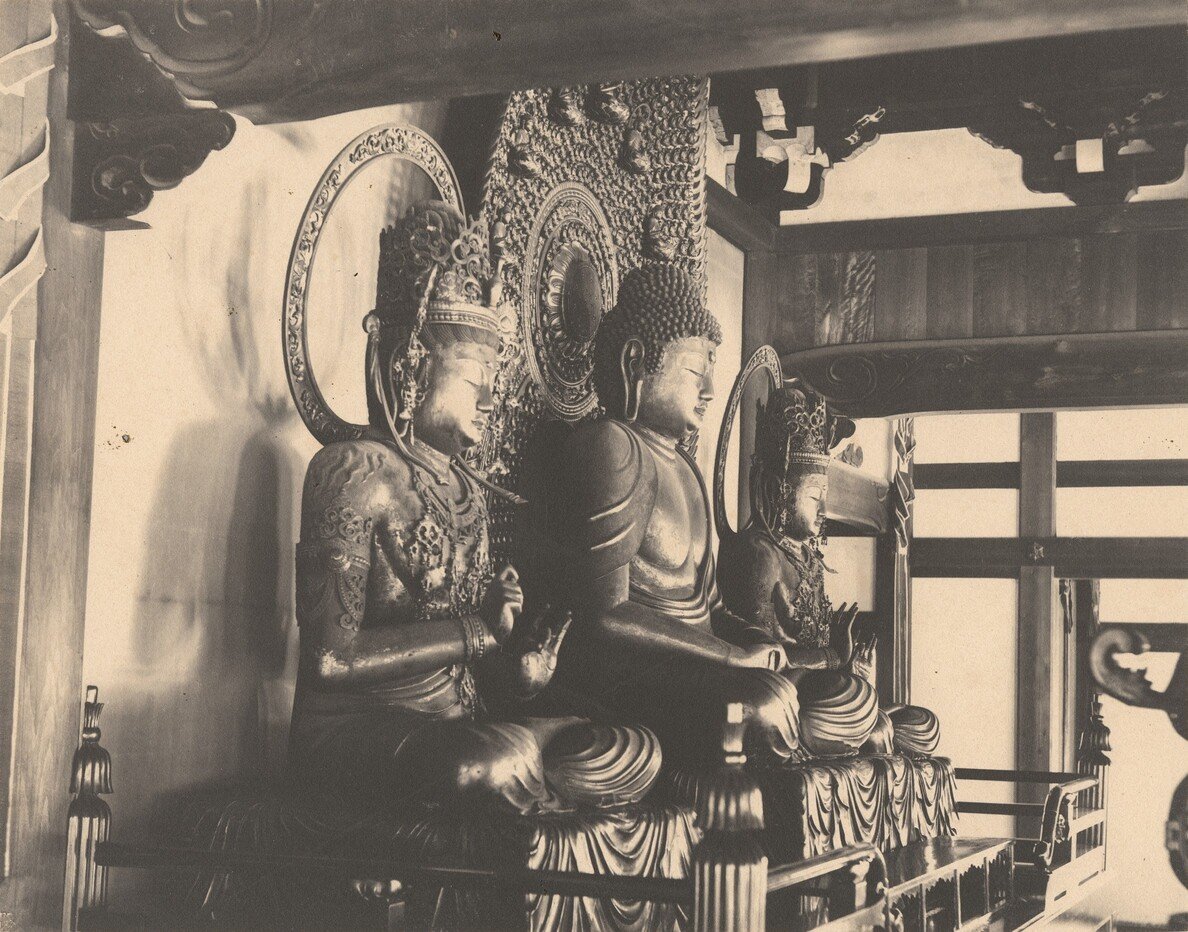
The treasure hall (Reihōkan) periodically displays the Amida Sansonzo—a trio of statues created as a memorial for Minamoto no Tōru, a Heian courtier and poet. The hall also preserves rare Buddhist artifacts, paintings, and ritual items, displayed during limited seasonal openings (Japan Experience: Kyoto Temples and Shrines).
Temple Architecture and Grounds
Main Hall (Hondō) and Layout
Rebuilt in 1701 with support from Tokugawa Tsunayoshi, the main hall exemplifies Edo-period architecture, featuring a tiled roof, deep eaves, and a raised veranda. The temple complex is arranged along a traditional axis, with subsidiary halls, the Niomon (Deva Gate), and tranquil gardens designed for contemplation.
Notable Structures
- Niomon Gate: Rebuilt in the late 18th century, this two-story gate is flanked by imposing Muromachi-period guardian statues.
- Taho-to Pagoda: Constructed in 1703, the pagoda is an architectural rarity, housing a statue of Taho Nyorai.
- Hojo and Dry Landscape Garden: Attributed to landscape master Kobori Enshū, this karesansui (dry landscape) garden is best viewed in autumn, when red maples frame the temple buildings.
- Minamoto no Tōru’s Tomb: The temple grounds include a tranquil grove with the tomb of this influential Heian-period figure.
Cultural and Religious Activities
Seiryō-ji remains a vibrant center for Buddhist worship within the Pure Land (Jōdo) tradition, while also reflecting Japan’s religious syncretism. The temple hosts the renowned Saga Dainenbutsu Kyōgen—an Important Intangible Folk Cultural Asset. This medieval comic theater, performed in spring and autumn, offers visitors a unique window into Japan’s performing arts heritage. Annual ceremonies such as Hanamatsuri (Buddha’s Birthday) and traditional rituals enliven the temple calendar (Boutique Japan Kyoto Guide).
Visiting Details: Hours, Tickets, and Accessibility
- Hours: Open daily, 9:00 AM – 5:00 PM (last admission 4:30 PM). Hours may vary during special events—check the official website for the latest information.
- Admission: Generally 500 yen for adults; 300–400 yen for children. Admission to the treasure hall may require an additional fee and is limited to certain seasons.
- Tickets: Purchase at the temple entrance; combination tickets for nearby attractions may be available (Trip to Japan).
- Accessibility: Most main areas and gardens are accessible, though some paths are uneven or have steps. Assistance is available upon request.
- Getting There: From Kyoto Station, take the JR Sagano Line to Saga-Arashiyama Station, followed by a 15-minute walk. Local bus routes also serve the area (Japan Travel Navitime).
- Facilities: Restrooms, a gift shop, and nearby cafés and restaurants are available.
Nearby Attractions and Suggested Itineraries
Seiryō-ji’s location makes it an ideal starting point for exploring Arashiyama and Sagano. Highlights include:
- Arashiyama Bamboo Grove
- Tenryū-ji Temple (UNESCO World Heritage)
- Okochi Sanso Villa
- Sagano Scenic Railway
- Katsura River Boat Rides
Combining Seiryō-ji with these sites ensures a fulfilling day immersed in Kyoto’s cultural and natural splendor (Intrepid Scout).
Visitor Experience and Tips
- Best Seasons: Spring (cherry blossoms) and autumn (fall foliage) are particularly picturesque.
- Photography: Permitted in gardens and exterior areas; restricted in the main hall and during rituals to protect cultural assets.
- Etiquette: Dress modestly, remove shoes before entering temple buildings, and maintain a quiet, respectful demeanor (Japanese Shrine and Temple Etiquette).
- Guided Tours: Arrange in advance via local agencies or tourist centers for in-depth interpretation.
Frequently Asked Questions (FAQ)
Q: What are Seiryō-ji’s regular visiting hours?
A: 9:00 AM to 5:00 PM, with last admission at 4:30 PM.
Q: How much is the admission fee?
A: 500 yen for adults; discounts for children and groups.
Q: Is the temple wheelchair accessible?
A: The main areas are accessible with some assistance; certain paths may be uneven.
Q: Are guided tours available?
A: Yes, through local agencies or on request.
Q: When is the best time to visit?
A: Spring for cherry blossoms and autumn for foliage.
Q: Can I take photos inside the temple?
A: Photography is allowed in the gardens and exterior spaces but restricted in the main hall and during ceremonies.
Q: Are children welcome?
A: Yes, with discounted admission.
Discover More
Ready to explore Seiryō-ji and Kyoto’s other historical treasures? Download the Audiala app for interactive maps, event updates, and insider travel tips. Follow us on social media for the latest news and share your Seiryō-ji experience using #DiscoverSeiryoji.
Listen to the full story in the app
The whole Seiryō-Ji,
told well.
Audio guides for 1,100+ cities across 96 countries. History, stories, and local insight — offline ready.
Verified, and shown.
Researched and written by the Audiala editorial team from historical records, architectural archives, and local expertise.
Researched from Wikidata, Wikipedia & official sources · fact-checked · How we make our guides →