Plan and listen to Seiryō-Den with Audiala.
Audio guide in your pocket, itinerary in your browser. Built for the way you actually visit.
Introduction
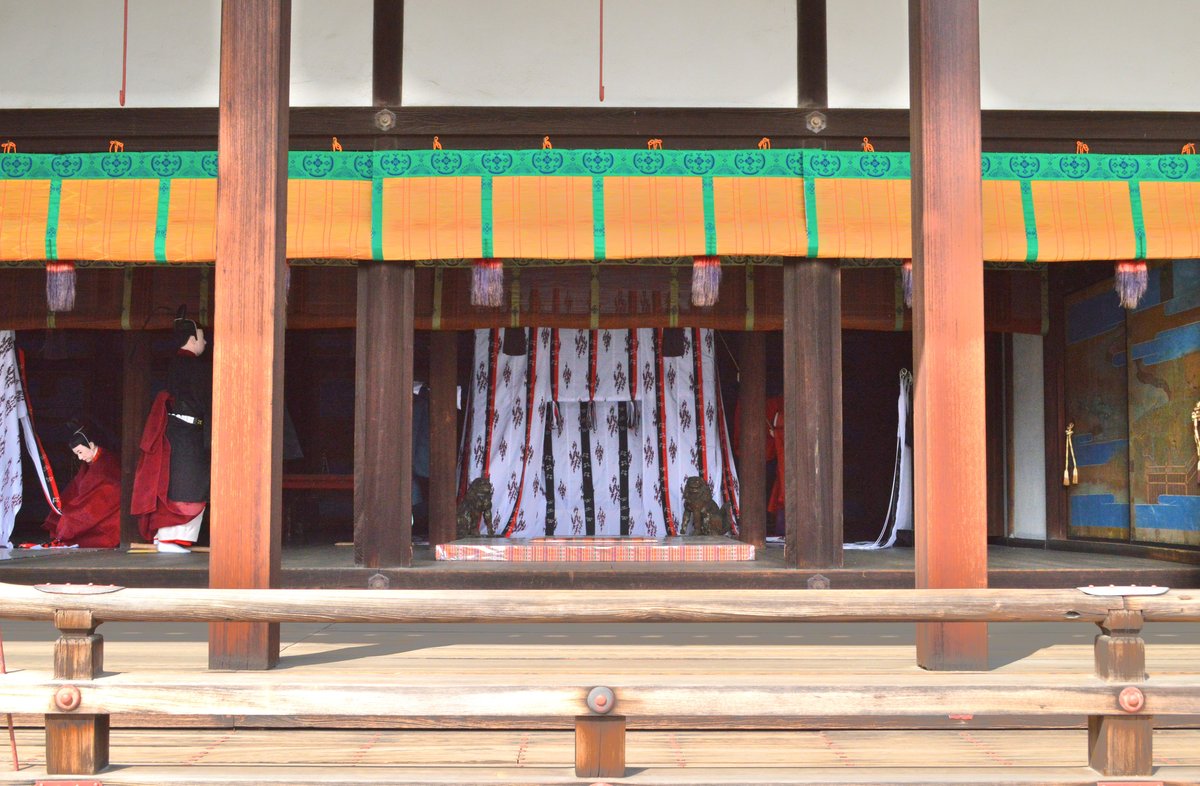
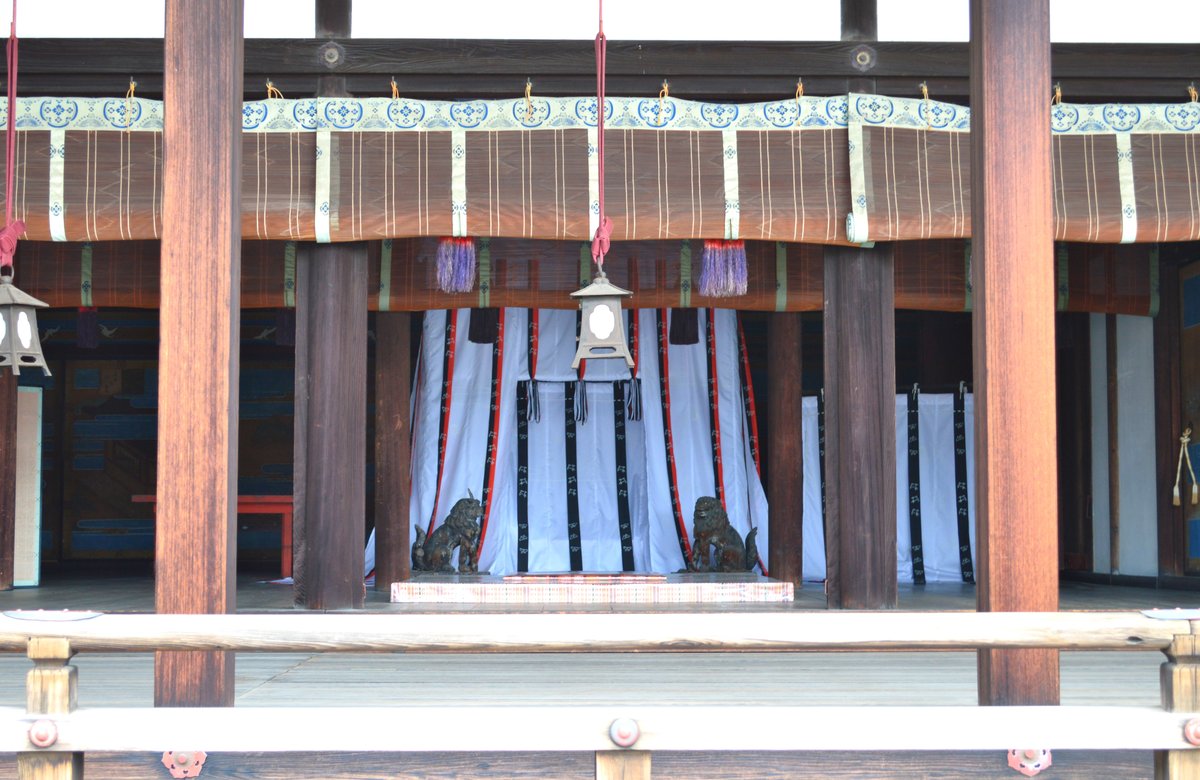
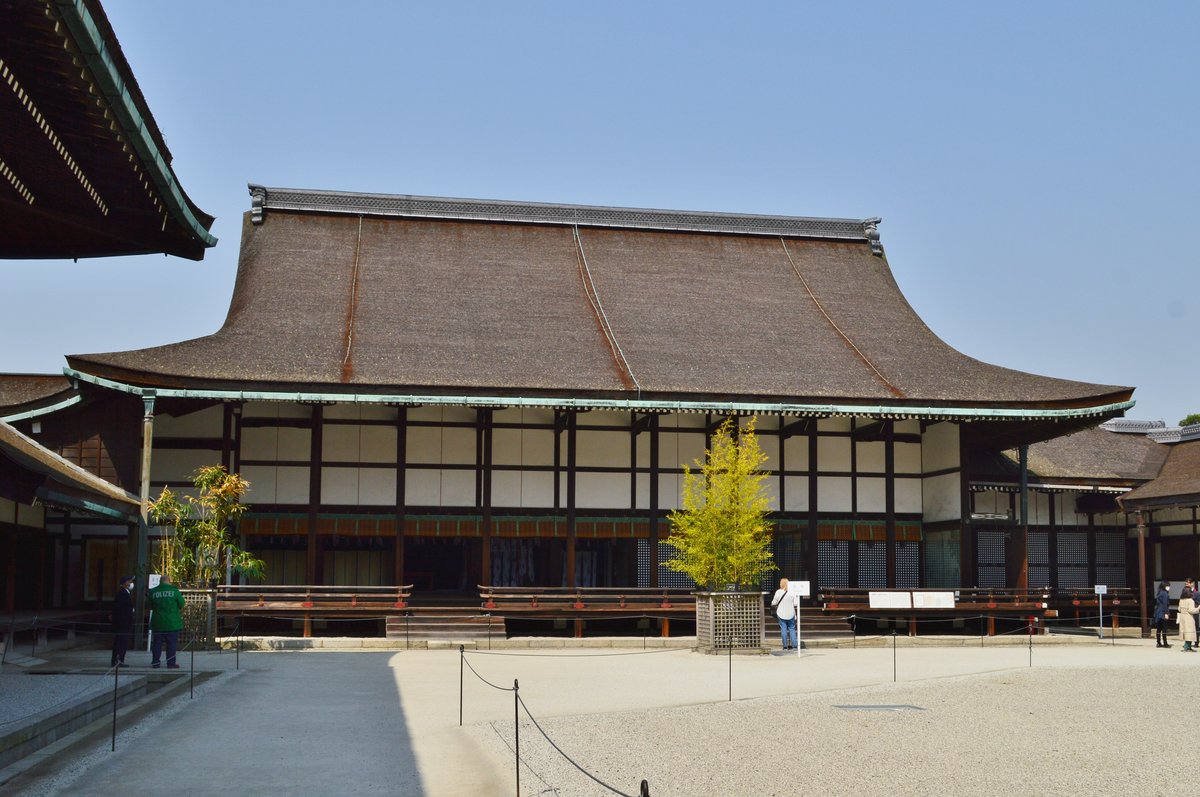
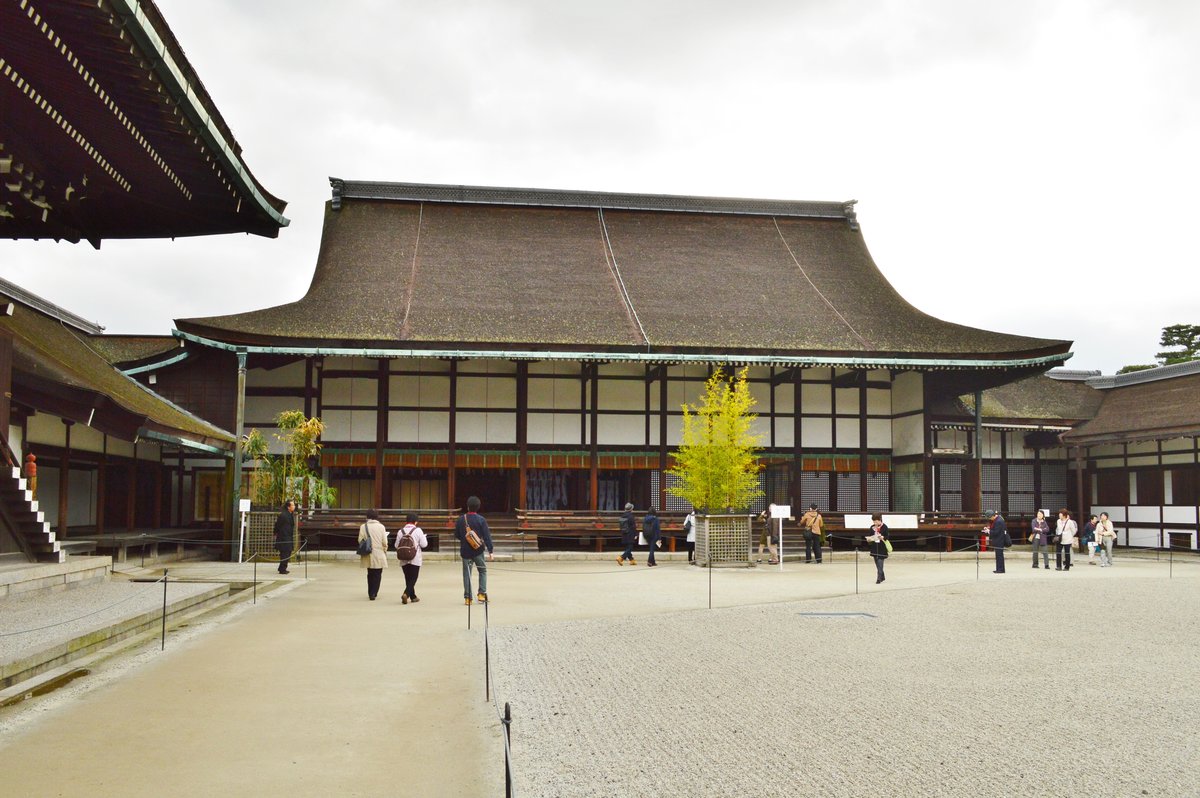
Seiryō-Den (清涼殿), the "Hall of Cool Refreshment," is one of Kyoto Imperial Palace’s most revered historical structures. Originally serving as the emperor’s private residence during the Heian period (794–1185), Seiryō-Den epitomizes the refined culture and political importance of Japan’s imperial court. Its shinden-zukuri architecture, characterized by natural cypress wood, tatami flooring, and seamless indoor-outdoor transitions, reflects an enduring appreciation for simplicity and harmony with nature. Despite suffering repeated fire damage over the centuries, the hall has been meticulously reconstructed—most recently in 1855—preserving its Heian-era layout and aesthetic. Today, Seiryō-Den stands as a protected Important Cultural Property and forms part of Kyoto’s UNESCO World Heritage status, offering a tangible connection to Japan’s imperial legacy (Kyoto Travel Info, Japan Experience, UNESCO World Heritage).
This guide provides comprehensive insights into Seiryō-Den’s history, architecture, cultural relevance, and practical visitor information—including visiting hours, ticketing, accessibility, and travel tips—ensuring an informed and memorable experience.

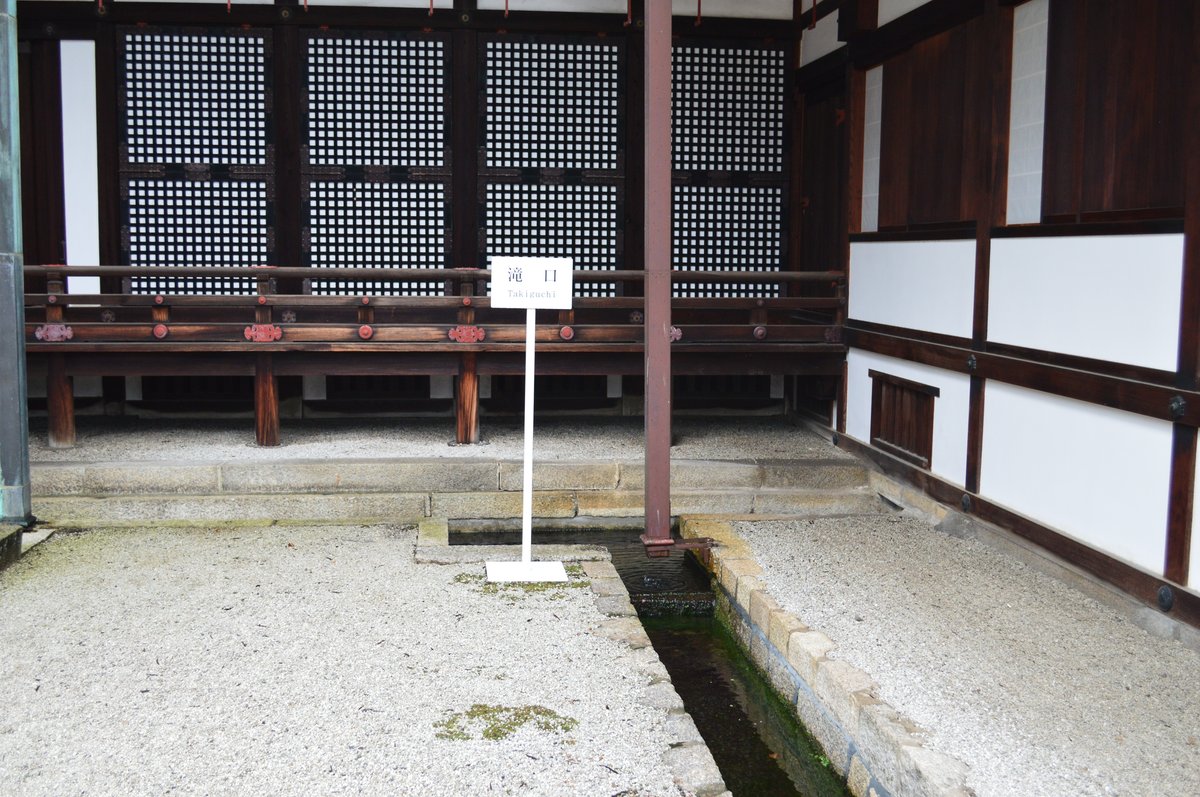
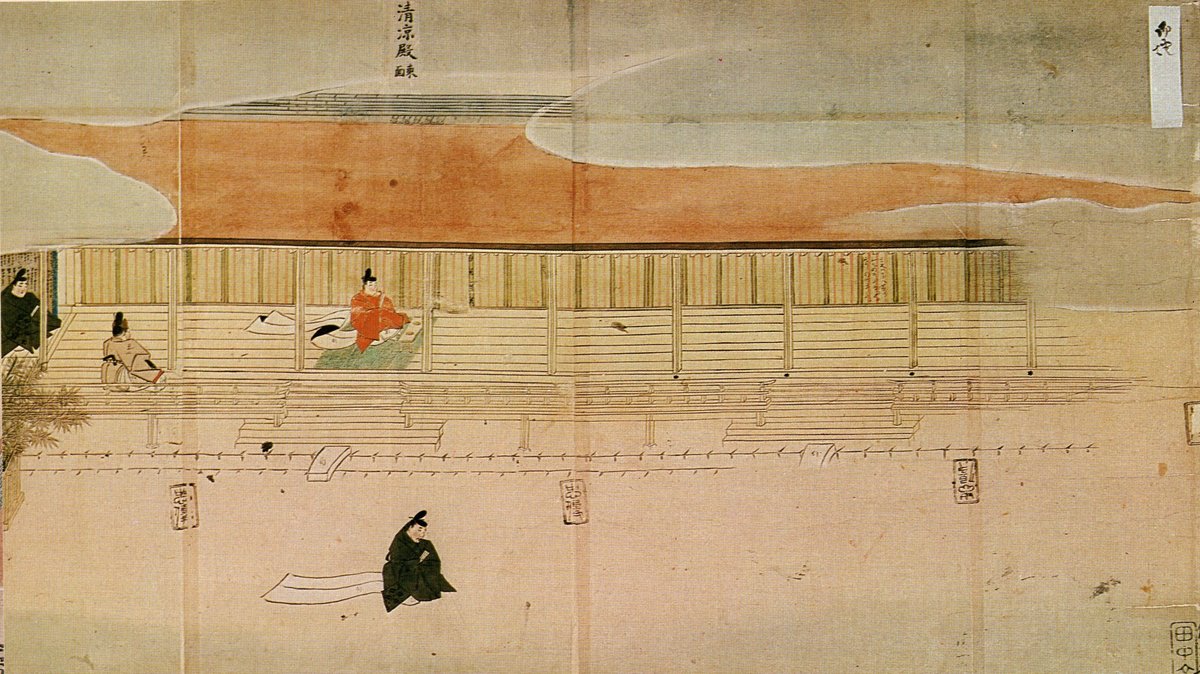
Origins and Historical Evolution
Seiryō-Den traces its roots to the Heian period, when Kyoto (then Heian-kyō) became Japan’s imperial capital. Initially constructed as the emperor’s main residence, it remained the center of imperial life for centuries, witnessing the daily routines, ceremonies, and cultural pursuits of successive emperors (Kyoto Travel Info).
The building has faced destruction by fire multiple times. The current iteration, rebuilt in 1855, faithfully replicates the original Heian-period design while incorporating late Edo period construction techniques (Kyoto Travel Info).
Architectural Features and Layout
Structural Design
Seiryō-Den is an exemplary model of shinden-zukuri, the architectural style associated with Heian aristocracy. The single-story wooden structure stands elevated on stilts to prevent moisture damage, with a hipped roof made from cypress bark (besidestheobvious.net). Natural materials and minimalist interiors reinforce the aesthetic harmony with the surrounding gardens.
Interior Arrangement
The central room, or moya, served as the emperor’s private living area. Adjacent spaces accommodated administrative tasks, rituals, and private meetings. Sliding fusuma doors and shoji screens allowed for flexible use of space, while verandas facilitated a seamless transition to the palace's landscaped gardens, enhancing the connection between nature and daily life (Kyoto Travel Info).
Cultural and Political Significance
Role in Imperial Life
During the Heian period, Seiryō-Den was the emperor’s intimate living space, where courtly arts such as poetry and calligraphy flourished. Seasonal rituals and gatherings, like moon-viewing parties, were held here, reflecting the refined culture of the aristocracy (besidestheobvious.net). The Shishinden, nearby, hosted grand state ceremonies, while Seiryō-Den remained the heart of daily imperial life.
Evolving Function
With the construction of the Otsunagoten during the Tensho period (1573–1592), Seiryō-Den’s primary role shifted to that of an office and ceremonial venue, mirroring changes in court organization and political structure (Kyoto Travel Info).
Restoration and Preservation
Reconstruction and Materials
The present Seiryō-Den, completed in 1855, uses traditional cypress wood joinery and handcrafted roof tiles. Its faithful adherence to historical materials and techniques ensures both structural integrity and cultural authenticity (Kyoto Travel Info).
Ongoing Conservation
Managed by the Imperial Household Agency, Seiryō-Den is designated an Important Cultural Property and is part of the UNESCO World Heritage listing “Historic Monuments of Ancient Kyoto.” This status guarantees continuous conservation efforts in line with international heritage standards (UNESCO World Heritage, Imperial Household Agency).
Place in Japanese Architectural Heritage
Influence on Later Architecture
The principles of shinden-zukuri—open plans, integration with gardens, and the use of natural materials—have influenced subsequent styles like shoin-zukuri and sukiya-zukuri, visible in samurai residences and tea houses (thedesigngesture.com, e-a-a.com). Modern architects continue to draw inspiration from its balance of simplicity and natural harmony.
Symbolic Value
Seiryō-Den represents more than an architectural achievement; it is a symbol of the Japanese imperial institution’s continuity and the enduring values of elegance, purification, and connection to nature.
Practical Visitor Information
Visiting Hours and Tickets
- Hours: 9:00 AM – 5:00 PM (last entry 4:20 PM; subject to seasonal change).
- Admission: Free. During peak periods, advance registration may be required.
- Interior Access: Generally restricted; the exterior can be viewed during tours (Kyoto City Travel Guide, Japan National Tourism Organization).
Guided Tours
English and Japanese guided tours are available via advance reservation through the Imperial Household Agency. Tours provide detailed insights into Seiryō-Den and the broader palace complex.
Accessibility
The palace grounds are wheelchair accessible, with paved paths and ramps. Some areas near Seiryō-Den may have limited access to protect the site (Kyoto City Travel Guide).
Best Seasons to Visit
Spring (cherry blossoms) and autumn (colorful foliage) are especially picturesque and popular. Early morning or weekday visits help avoid crowds (TravelCaffeine).
Nearby Attractions
- Shishinden: The main ceremonial hall.
- Oikeniwa Garden: A scenic Japanese garden.
- Kyoto Imperial Park: Expansive park ideal for strolls.
- Nishijin Textile District: Traditional crafts and shopping.
- Sento Imperial Palace: Requires advance reservation.
Visitor Etiquette
- Dress modestly and behave respectfully.
- Photography is permitted outdoors but not inside Seiryō-Den or some other interiors.
- Tripods and drones are prohibited.
- Refrain from touching structures or artifacts.
Frequently Asked Questions (FAQ)
Q: What are the visiting hours for Seiryō-Den?
A: 9:00 AM to 5:00 PM, last entry at 4:20 PM (seasonal variation possible).
Q: Is admission free?
A: Yes; some guided tours require advance booking.
Q: How do I book a guided tour?
A: Through the Imperial Household Agency or Japan National Tourism Organization.
Q: Is Seiryō-Den wheelchair accessible?
A: The grounds are accessible; some areas near the hall may be restricted.
Q: When is the best time to visit?
A: Spring and autumn for blossoms and foliage.
Listen to the full story in the app
The whole Seiryō-Den,
told well.
Audio guides for 1,100+ cities across 96 countries. History, stories, and local insight — offline ready.
Verified, and shown.
Researched and written by the Audiala editorial team from historical records, architectural archives, and local expertise.
Researched from Wikidata, Wikipedia & official sources · fact-checked · How we make our guides →