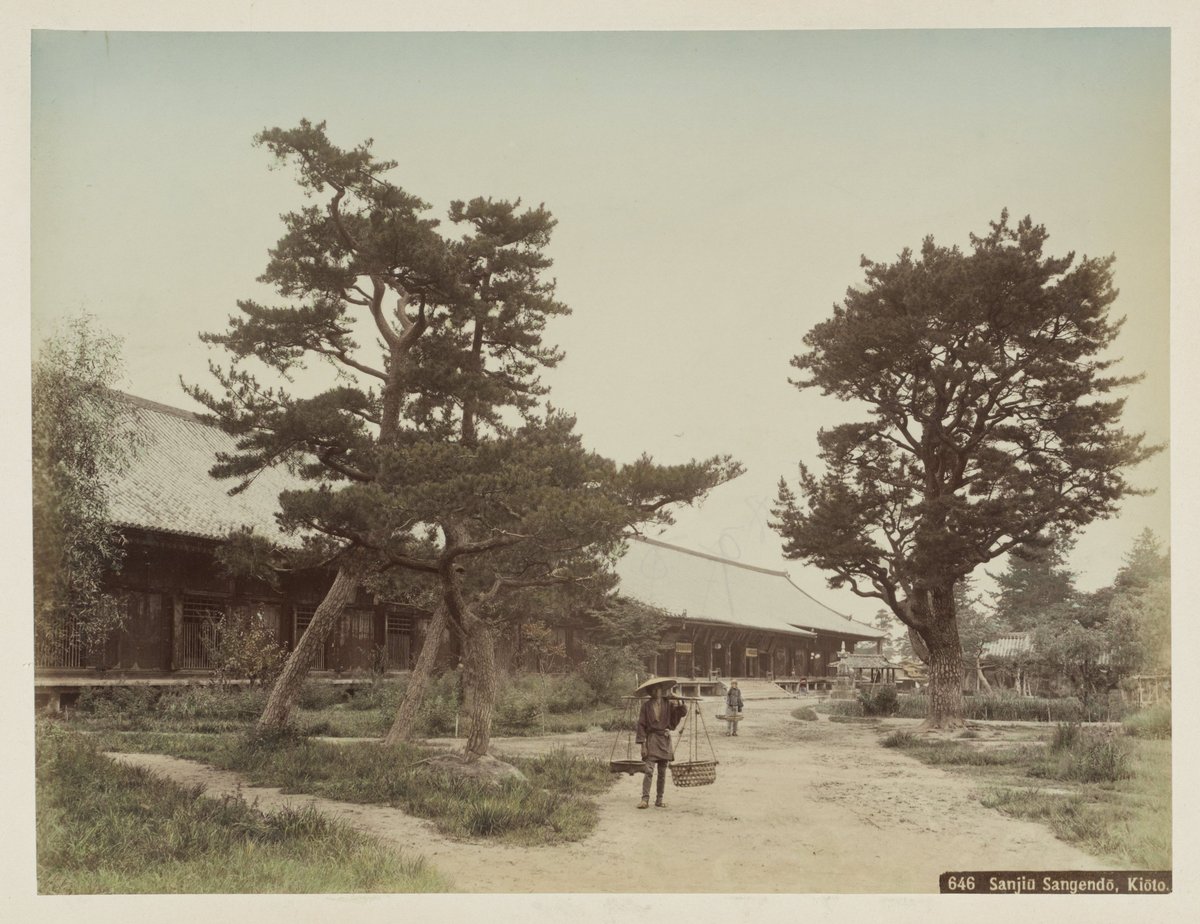
Plan and listen to Sanjūsangen-Dō with Audiala.
Audio guide in your pocket, itinerary in your browser. Built for the way you actually visit.
Introduction
Sanjūsangen-dō, officially known as Rengeō-in, is one of Kyoto’s most revered historical temples, celebrated for its remarkable wooden architecture and the awe-inspiring collection of 1,001 statues of the Thousand-Armed Kannon, the Buddhist goddess of compassion. Nestled in the Higashiyama district, this temple offers visitors an unforgettable encounter with Japanese religious art and culture, drawing travelers from around the world. This guide provides detailed information on Sanjūsangen-dō’s history, architecture, visiting hours, ticketing, accessibility, and nearby attractions, ensuring you have everything you need for a rewarding visit (kyoto-kinkaku.com; travel-kyoto-maiko.com; Inside Kyoto; bespes-jt.com).

Founding and Early History
Founded in 1164 by Emperor Go-Shirakawa, Sanjūsangen-dō was intended as a place of prayer and spiritual merit. The temple’s main hall was constructed to house the Thousand-Armed Kannon, and its name, “Hall of Thirty-Three Bays,” refers to the 33 intervals between its columns—each representing one of Kannon’s manifestations according to Buddhist tradition. The temple was originally part of the Hojuji Palace complex and symbolized the fusion of imperial patronage and religious devotion in late Heian-period Japan (kyoto-kinkaku.com; travel-kyoto-maiko.com).
Destruction and Reconstruction
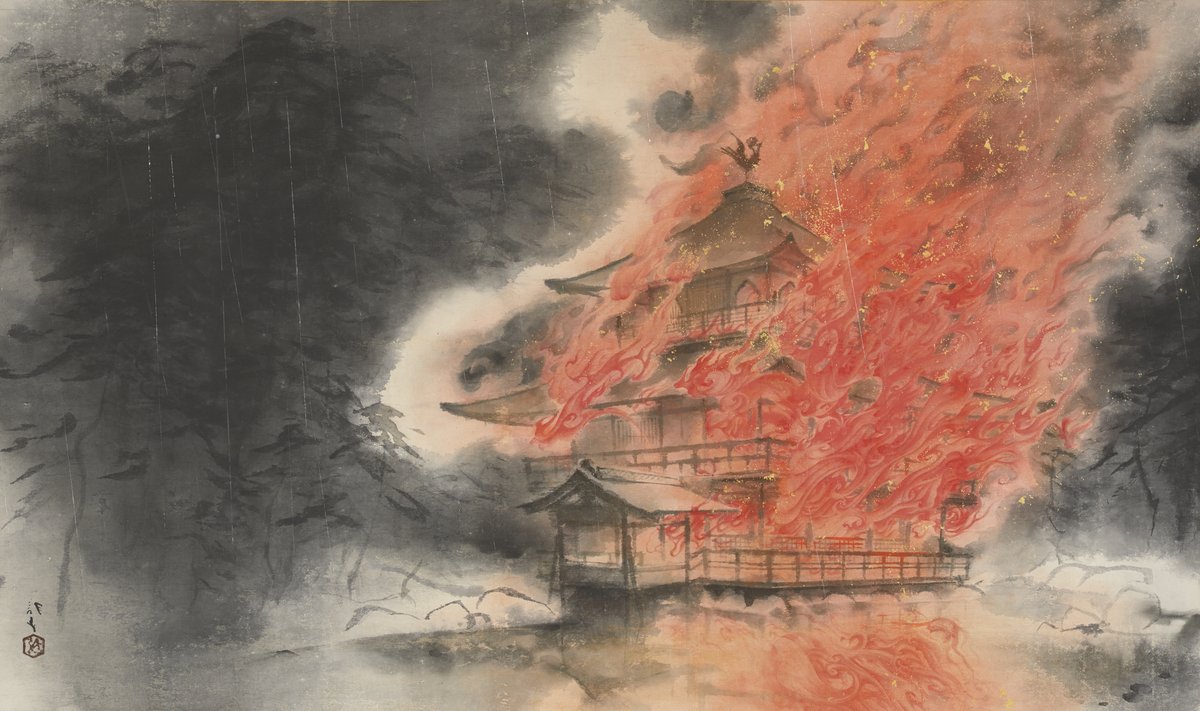
The original structure was destroyed by fire in 1249, but its significance led to a complete reconstruction in 1266 under Emperor Go-Saga. The current main hall is the longest wooden structure in Japan, stretching approximately 120 meters (394 feet), and showcases advanced construction techniques of the Kamakura period, including earthquake-resistant features using layers of clay and sand beneath the wood (kanpai-japan.com). Over subsequent centuries, Sanjūsangen-dō underwent several restorations to preserve its architectural and spiritual legacy.
Architectural Features and Artistic Legacy
Sanjūsangen-dō’s main hall is renowned for its vast interior lined with 1,001 Kannon statues—each uniquely carved from Japanese cypress and gilded with gold leaf. The central seated Kannon is a National Treasure, surrounded by 1,000 standing figures arranged in ten rows and fifty columns. The hall also houses 28 guardian deities and statues of the wind and thunder gods, Fūjin and Raijin, all exemplary works of Kamakura-period sculpture (kyoto-kinkaku.com; bespes-jt.com; wanderon.in).
The statues’ subtle variations in expression and ornamentation reflect the belief that Kannon takes countless forms to aid sentient beings. This artistic achievement is often described as an “angelic terracotta army” and represents both spiritual ideals and exceptional craftsmanship (Inside Kyoto).
Restoration and Preservation
A comprehensive 45-year restoration project completed in 2017 ensured the longevity of all 1,001 Kannon statues and the main hall. Modern and traditional preservation techniques have safeguarded the temple against natural disasters and the passage of time, maintaining its status as a National Treasure and a living center of worship (travel-kyoto-maiko.com; kanpai-japan.com).
Religious and Cultural Significance
Affiliated with the Tendai sect of Buddhism, Sanjūsangen-dō is a symbol of universal compassion. The multitude of Kannon statues embodies the deity’s infinite mercy and ability to respond to the suffering of all beings. The temple is also the site of the annual Tōshiya archery contest, a centuries-old tradition that began as a samurai skill test and today attracts archers nationwide (japaninsides.com). This event exemplifies the temple’s enduring role in both spiritual practice and cultural life.
Visiting Sanjūsangen-dō: Hours, Tickets, and Access
Visiting Hours
- March 10 to November 15: 8:00 AM – 5:00 PM (last entry 4:30 PM)
- November 16 to March 9: 9:00 AM – 4:00 PM (last entry 3:30 PM)
- Special Closures: May occur during major events or holidays; check the official website for updates.
Ticket Prices
- Adults: 600 yen
- Children: 400 yen
- Tickets: On-site purchase; typically cash-only.
Getting There
- By Train: 5-minute walk from Shichijo Station (Keihan Line).
- By Bus: Buses 100, 206, or 208 from Kyoto Station to Hakubutsukan-Sanjusangendo-mae stop.
- By Taxi: Taxis are plentiful and convenient, especially for groups or families. (Travel Caffeine; Enjoy Kyoto)
Accessibility
The main hall and grounds are generally accessible to wheelchair users, though there may be some uneven surfaces due to the temple’s age. Staff are available to assist visitors with mobility needs.
Travel Tips
- Visit early or late: To avoid crowds, plan your visit soon after opening or later in the afternoon.
- Combine with nearby attractions: The temple is close to the Kyoto National Museum, Kiyomizudera Temple, and the historic streets of Gion.
- Cash: Bring yen, as credit cards are not always accepted.
- Dress for the weather: The main hall is neither heated nor air-conditioned.
Nearby Attractions
- Kyoto National Museum: Located across the street.
- Kiyomizudera Temple: A short bus or taxi ride away.
- Gion District: Explore traditional streets and tea houses nearby (Discover Kyoto).
Special Events and Festivals
Ōmato Taikai (Archery Festival)
Held annually in January, this event commemorates the temple’s historical association with archery. Young archers, often in traditional attire, compete along the length of the hall, drawing large crowds and media attention.
Rite of the Willow (Yanagi no Okaji)
Also in January, this ceremony uses willow branches to bless visitors and ward off headaches—a custom reflected in the temple’s unique omamori amulets.
Other Ceremonies
Sanjūsangen-dō hosts several other annual religious events that may affect visiting hours. Consult the official event calendar before planning your visit.
Practical Visitor Tips
- No photography inside the main hall: This protects the ancient statues and preserves the sacred atmosphere.
- Respectful behavior: Speak softly and refrain from touching statues or railings.
- Souvenirs: Purchase omamori charms, especially the zutsū fūji, believed to ward off headaches.
- Spend enough time: Allocate at least 30 minutes to appreciate the statues and read the informational panels.
Frequently Asked Questions (FAQ)
Q: What are Sanjūsangen-dō’s visiting hours?
A: 8:00 AM–5:00 PM (March 10–November 15); 9:00 AM–4:00 PM (November 16–March 9). Last admission 30 minutes before closing.
Q: How much is the admission fee?
A: 600 yen for adults, 400 yen for children.
Q: Is the temple wheelchair accessible?
A: Yes, assistance is available though some surfaces may be uneven.
Q: Are guided tours available?
A: Not always on-site, but external guided tours are offered by local operators.
Q: Can I take photographs inside the main hall?
A: No, photography is strictly prohibited inside the main hall.
Q: What is the best time to visit?
A: Early mornings or late afternoons on weekdays to avoid crowds.
Listen to the full story in the app
The whole Sanjūsangen-Dō,
told well.
Audio guides for 1,100+ cities across 96 countries. History, stories, and local insight — offline ready.
Verified, and shown.
Researched and written by the Audiala editorial team from historical records, architectural archives, and local expertise.
Researched from Wikidata, Wikipedia & official sources · fact-checked · How we make our guides →