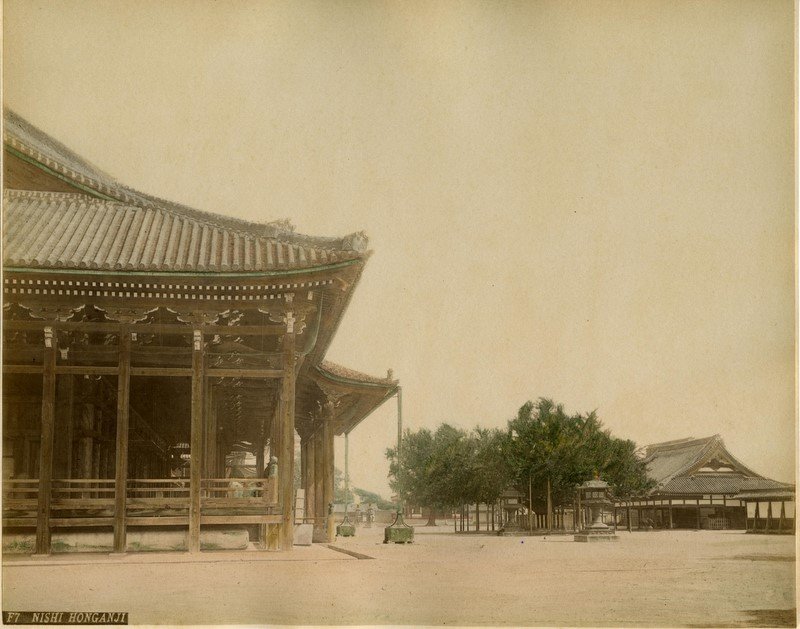
Plan and listen to Nishi Hongan-Ji with Audiala.
Audio guide in your pocket, itinerary in your browser. Built for the way you actually visit.
Introduction to Nishi Hongan-ji and Its Significance
Nishi Hongan-ji stands as one of Kyoto’s most important historical and religious landmarks, serving as the head temple of the Honganji-ha branch of Jōdo Shinshū Buddhism. Since its establishment in the late 16th century, following the destruction of the original Ishiyama Hongan-ji in Osaka, Nishi Hongan-ji has played a pivotal role in the spiritual, cultural, and political landscape of Japan. Its foundation is deeply rooted in the teachings of Shinran Shonin, the revered founder of Jōdo Shinshū Buddhism. The site has endured political schisms, destructive fires, and strategic reconstructions—its architecture even incorporates elements from the iconic Fushimi Castle.
Today, Nishi Hongan-ji remains an active center for Buddhist worship, while also preserving remarkable examples of traditional Japanese architecture, including some of the nation’s largest wooden halls and intricate Momoyama- and Edo-period craftsmanship. The temple’s serene natural setting is highlighted by a 400-year-old ginkgo tree, and its status as a UNESCO World Heritage Site underscores its enduring cultural significance.
This guide provides essential visitor information—covering visiting hours, tickets, accessibility tips, and nearby attractions—while offering deep insight into the temple’s rich heritage. Whether you are a spiritual seeker, history enthusiast, or first-time traveler to Kyoto, understanding the multifaceted legacy of Nishi Hongan-ji will enrich your experience.
Refer to the official Hongwanji website and resources like Japan Guide for the latest updates.

Origins and Early Development
The roots of Nishi Hongan-ji reach back to the 14th century, tracing its lineage to Shinran Shonin (1173–1263), founder of the Jōdo Shinshū (True Pure Land) tradition (Hongwanji Official). Originally, the sect’s head temple was Ishiyama Hongan-ji in Osaka, which was destroyed in 1580 following a prolonged siege by Oda Nobunaga, who saw the rising power of the temple as a threat (Japan Guide). In 1591, Toyotomi Hideyoshi, the unifier of Japan, granted land in Kyoto to the sect, paving the way for the creation of Nishi Hongan-ji (Japan365Days; Cestee).
Political Schism: Nishi and Higashi Hongan-ji
In the early 17th century, the Tokugawa shogunate, aiming to prevent the consolidation of religious power, divided the temple into two: Nishi (Western) and Higashi (Eastern) Hongan-ji. This strategic split remains significant to this day, marking separate branches within Jōdo Shinshū Buddhism (Kanpai Japan; Kyoto Station Guide; Wikipedia).
Fires, Reconstruction, and Architectural Heritage
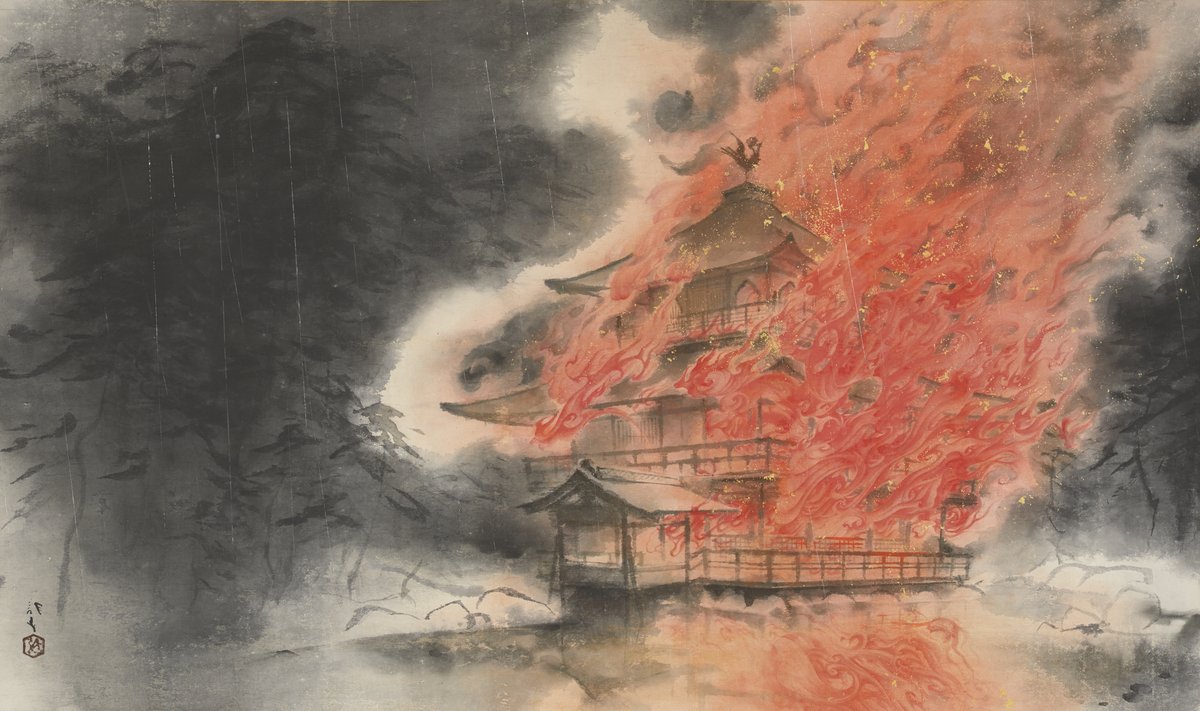
Nishi Hongan-ji has survived devastating fires, most notably in 1617, after which many buildings were rebuilt using materials from the dismantled Fushimi Castle (Japan365Days). The layout and architecture visible today largely date to these early reconstructions. The complex features the karamon (Chinese-style gate), a National Treasure relocated from Fushimi Castle, celebrated for its ornate Momoyama-era carvings (Traditional Kyoto; Japan Travel).
Cultural and Religious Importance
Nishi Hongan-ji is the headquarters of the Honganji-ha branch of Jōdo Shinshū, which is Japan’s largest Buddhist denomination (Japan365Days). The temple oversees tens of thousands of affiliated temples in Japan and worldwide, and continues to host daily services—including public morning prayers from 6:00 am (Traditional Kyoto).
Its teachings center on Amida Buddha, with rituals and ceremonies open to both lay practitioners and clergy, reflecting the sect’s inclusive ethos. Major annual events such as Hōonkō (memorial for Shinran) attract large gatherings, preserving centuries-old traditions of communal worship and spiritual reflection.
Visiting Hours and Ticket Information
-
General Hours:
- March to October: 5:30 am–5:30 pm
- November to February: 6:00 am–5:00 pm
Visiting hours may vary during special events—confirm via the official website.
-
Admission:
- Entry to temple grounds and main halls is free.
- Special exhibitions or interior viewings (e.g., Shoin or Hiunkaku Pavilion) may require a ticket, usually ¥500–¥1,000.
-
Ticket Purchase:
- Tickets for special exhibitions are typically available at the entrance or can be reserved in advance depending on the event (Kyoto Kinkaku Guide).
- For the latest updates, see the Nishi Hongan-ji English website.
Accessibility and Visitor Tips
-
Location:
Nishi Hongan-ji is a 10–15 minute walk from JR Kyoto Station, or a short ride on Kyoto City Bus 205 to Nishi Honganji-mae (Kyoto Kinkaku Guide). -
Wheelchair & Mobility Access:
Most grounds are flat and accessible, though some historic halls may have steps. Contact staff in advance for assistance. -
Visitor Tips:
- Early morning or late afternoon visits are recommended for a peaceful experience.
- Photography is permitted outdoors; restrictions may apply inside halls—check signage.
- Comfortable shoes are recommended due to gravel paths and expansive grounds.
Architectural Highlights
- Goei-do (Founder’s Hall):
Among the largest wooden structures in Japan, dedicated to Shinran. The vast, tatami-matted interior and impressive pillars evoke awe (happyjappy.com; romancing-japan.com). - Amida-do (Amida Buddha Hall):
Houses a statue of Amida Buddha, central to Pure Land Buddhism. - Karamon Gate:
Ornate Momoyama-era gate, a National Treasure, adorned with intricate carvings and gilded decorations. - Hiunkaku Pavilion & Shoin:
Architectural masterpieces, sometimes open for special exhibitions, showcasing Edo-period design. - Buddhist Scripture Repository:
Built in 1678 to safeguard sacred texts, this building is a testament to the temple’s scholarly tradition (romancing-japan.com).
Architectural Techniques:
Buildings are primarily constructed from Japanese cypress (hinoki), employing traditional joinery methods without nails and featuring heavy ceramic tile roofs (en.japantravel.com).
Gardens and Natural Features
The temple grounds are home to tranquil gardens and the celebrated 400-year-old ginkgo tree—a natural monument that turns vibrant gold each autumn. Strolling the pathways reveals scenic vistas and peaceful corners designed for contemplation (romancing-japan.com).
Seasonal Events and Best Times to Visit
- Goshoki Hoonko (Jan 16): Memorial for Shinran Shonin.
- Obon Festival (Aug 9–10): Ancestor ceremonies.
- Spring and Autumn Services:
Special openings of the Shoin and Hiunkaku often coincide with peak cherry blossom or ginkgo foliage.
Best Times:
Late March–early April (cherry blossoms), mid-November–early December (ginkgo tree, autumn foliage). Visit early on weekdays for fewer crowds.
Etiquette and Practical Advice
- Dress modestly, covering shoulders and knees.
- Remove shoes before entering buildings.
- Maintain quiet, especially during services.
- No food or drink inside temple precincts.
- Photography rules vary—always check signage.
Nearby Attractions
- Higashi Hongan-ji: Sister temple, a short walk away.
- To-ji Temple: Famous for its five-story pagoda.
- Kyoto Tower: Panoramic city views, near Kyoto Station.
- Nishiki Market: For local food and crafts.
FAQ
Q: What are the visiting hours?
A: Generally 5:30 am–5:30 pm (Mar–Oct) and 6:00 am–5:00 pm (Nov–Feb). Times may change for events.
Q: Is admission free?
A: Yes, for temple grounds and main halls. Special exhibitions require a ticket.
Q: Is Nishi Hongan-ji wheelchair accessible?
A: Most areas are accessible; some historic structures have steps.
Q: Are guided tours available?
A: Yes, bookable via the temple or local tourism offices.
Q: Can I take photos inside?
A: Yes outdoors; inside varies by hall—check posted rules.
Listen to the full story in the app
The whole Nishi Hongan-Ji,
told well.
Audio guides for 1,100+ cities across 96 countries. History, stories, and local insight — offline ready.
Verified, and shown.
Researched and written by the Audiala editorial team from historical records, architectural archives, and local expertise.
Researched from Wikidata, Wikipedia & official sources · fact-checked · How we make our guides →