Plan and listen to Kyoto Daibutsu with Audiala.
Audio guide in your pocket, itinerary in your browser. Built for the way you actually visit.
Introduction
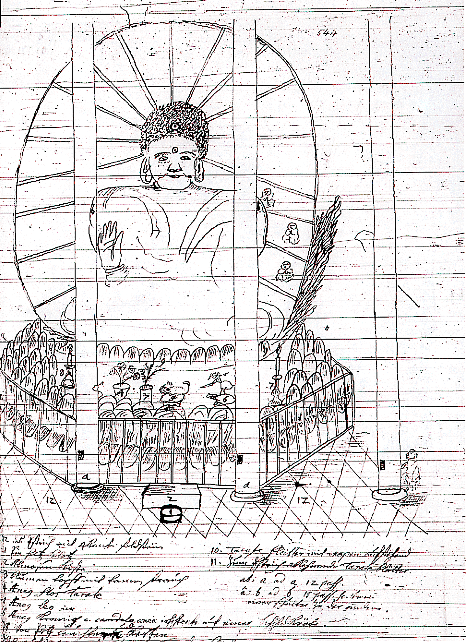
In the heart of Kyoto, the Kyoto Daibutsu—or Great Buddha of Kyoto—once stood as a masterpiece of religious devotion, political ambition, and artistic innovation. Though the original statue no longer graces the city’s skyline, its profound legacy is woven into the fabric of Kyoto’s history and culture. Today, the Hōkō-ji Temple grounds, where the Daibutsu once stood, remain a compelling destination for travelers eager to explore Japan’s Buddhist heritage and imperial past (Wikipedia: Hōkō-ji (Kyoto); StudyCorgi).
This guide provides a detailed overview of the Kyoto Daibutsu’s origins, historical significance, practical visitor information—including current visiting hours and ticket details—and recommendations for nearby attractions. Whether you are a history enthusiast, spiritual seeker, or cultural traveler, this resource will help you make the most of your visit to this enduring Kyoto historical site (Kyoto Tourism Board; japantravel.navitime.com).

The Vision of Toyotomi Hideyoshi
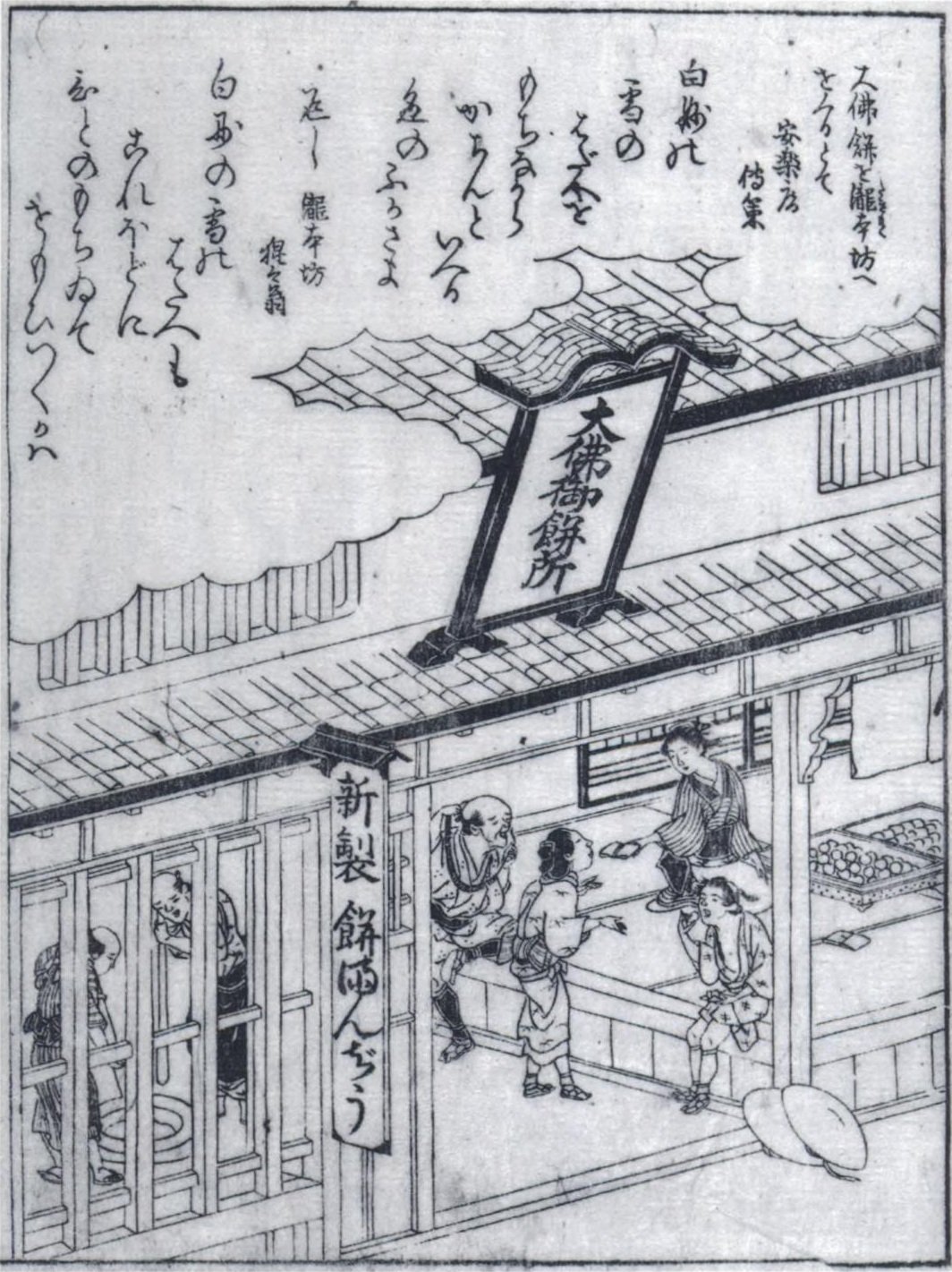
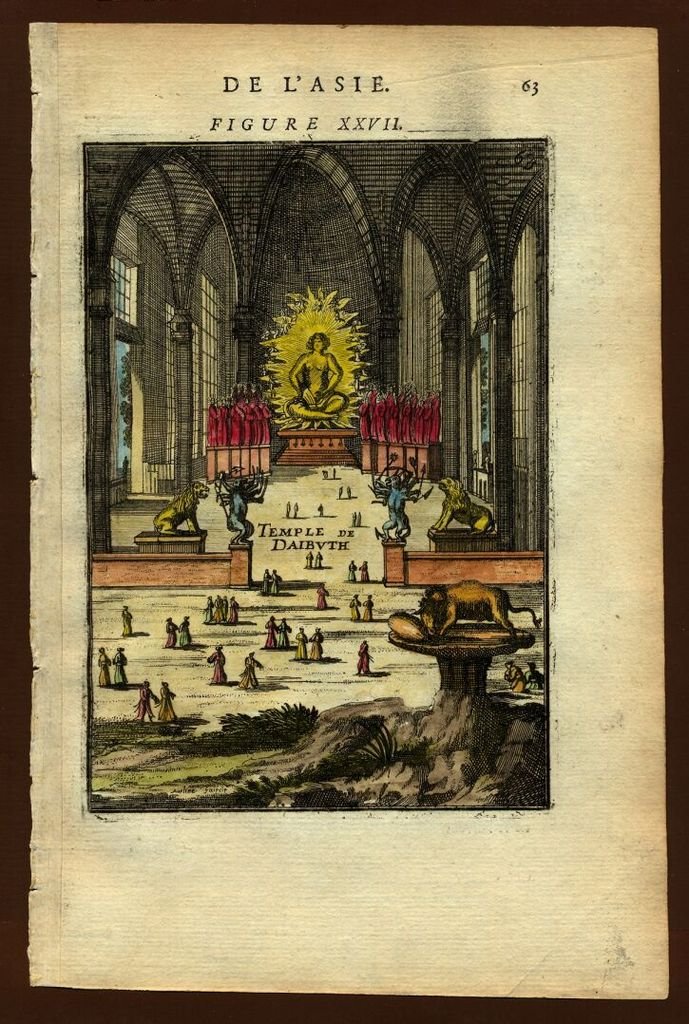
The Kyoto Daibutsu was commissioned in the late 16th century by Toyotomi Hideyoshi, one of Japan’s great unifiers. Inspired by the monumental Daibutsu of Nara, Hideyoshi envisioned a grander Buddhist symbol in Kyoto—one that would reinforce his political authority and the city's status as Japan’s imperial and cultural capital (Wikipedia: Hōkō-ji (Kyoto)).
The Nara Daibutsu, housed at Tōdai-ji, had long symbolized the fusion of Buddhism and state power. Hideyoshi’s project was both a spiritual undertaking and a demonstration of political might, aimed at uniting the nation under his rule (Wikipedia: Hōkō-ji (Kyoto)).
Construction and Architectural Innovation
Work on the Kyoto Daibutsu began in 1586 at Hōkō-ji (方広寺), overseen by renowned architects Nakamura Masakiyo and Heinouchi Yoshimasa. The statue, crafted primarily from bronze and wood, was designed to surpass the 15-meter Nara Daibutsu in both scale and splendor. Thousands of artisans and laborers contributed to this ambitious project, which was completed in just three years (Wikipedia: Hōkō-ji (Kyoto)).
The Daibutsu: Scale, Symbolism, and Legacy
The statue represented Vairocana Buddha, a central deity in Japanese Buddhism and a symbol of cosmic wisdom. Intended to be larger than its Nara counterpart, historical records estimate its height at nearly 19 to 24 meters (StudyCorgi). The Daibutsu’s construction demonstrated both technical mastery and religious devotion, serving as a symbol of peace, unity, and Kyoto’s renewed imperial prestige.
Destruction, Reconstruction, and Loss
Despite its magnificence, the Kyoto Daibutsu was plagued by disasters. An earthquake in 1596 damaged the original structure, and a fire in 1614 destroyed much of the temple and statue. Subsequent reconstructions produced smaller statues, but further calamities—including major fires in 1798 and 1973—led to the permanent loss of the Daibutsu. Today, only foundational stones and the historic temple bell remain on site (kvg-kyoto.com).
Artistic and Cultural Significance
The Kyoto Daibutsu was a pivotal achievement in Japanese religious art, blending traditional Buddhist iconography with bold Azuchi-Momoyama period aesthetics (StudyCorgi). The temple complex served as a hub for ceremonies and cultural gatherings, fostering artistic innovation and reinforcing Kyoto’s role as a spiritual center.
The legacy of the Daibutsu endures through relics, such as the renowned Hōkō-ji bell—one of Japan’s three great bells—and through place names in the local area (kvg-kyoto.com; japantravel.navitime.com).
Visiting Hōkō-ji Temple: Hours, Tickets, and Accessibility
- Location: Hōkō-ji Temple, 34°59′32″N 135°46′19″E, in Kyoto’s Higashiyama district.
- Visiting Hours: Typically open daily from 9:00 AM to 5:00 PM (hours may vary during events or holidays; always check ahead).
- Admission: Entrance to the temple grounds is usually free. Special exhibitions or guided tours may require a ticket (300–800 yen).
- Guided Tours: Available through local tour agencies and sometimes at the temple. Advance booking is advised.
- Accessibility: Main pathways are suitable for visitors with mobility needs, though some historical areas have limited access.
(japantravel.navitime.com; Kyoto Tourism Board)
Travel Tips: Timing, Crowds, and Photography
- Best Time to Visit: Spring (March–May) and autumn (September–November) offer mild weather and beautiful scenery. June is quieter but can be rainy (Japan Highlights: Best Time to Visit Kyoto).
- Crowd Avoidance: Early mornings on weekdays are the least crowded.
- Photography: The temple bell, stone foundations, and gardens provide excellent photo opportunities, particularly in the soft morning light.
Nearby Attractions in Kyoto’s Eastern District
Enhance your visit by exploring these nearby landmarks:
- Sanjusangendo: Renowned for its 1,001 statues of Kannon, the goddess of mercy.
- Kiyomizu-dera: A UNESCO World Heritage site with panoramic city views.
- Yasaka Shrine: A vibrant Shinto shrine within walking distance.
- Kyoto National Museum: Showcases exhibitions on Buddhist art and Kyoto’s architectural heritage.
These sites can be combined into a rewarding walking tour of Kyoto’s cultural heart (insidekyoto.com).
Frequently Asked Questions (FAQ)
Q: What are the Kyoto Daibutsu visiting hours?
A: Hōkō-ji Temple is generally open from 9:00 AM to 5:00 PM; check the official website for updates.
Q: Is there an admission fee?
A: Entry to the temple grounds is usually free; fees may apply for special exhibits or tours.
Q: Are guided tours available?
A: Yes, through local agencies and occasionally at the temple itself.
Q: How do I get to Hōkō-ji Temple?
A: Take a city bus from Kyoto Station to Hakubutsukan-Sanjusangendo-mae; the temple is a short walk away.
Q: What remains of the Daibutsu today?
A: While the statue is gone, visitors can see the temple’s massive bell, foundational stones, and interpretive signage.
Listen to the full story in the app
The whole Kyoto Daibutsu,
told well.
Audio guides for 1,100+ cities across 96 countries. History, stories, and local insight — offline ready.

Verified, and shown.
Researched and written by the Audiala editorial team from historical records, architectural archives, and local expertise.
Researched from Wikidata, Wikipedia & official sources · fact-checked · How we make our guides →