Plan and listen to Kinkaku-Ji with Audiala.
Audio guide in your pocket, itinerary in your browser. Built for the way you actually visit.
Introduction: Discover the Splendor of Kinkaku-ji, Kyoto’s Iconic Historical Site
Kinkaku-ji, also known as the Golden Pavilion, stands among Kyoto’s most celebrated historical sites and is a must-see for anyone traveling to Japan. Renowned for its dazzling gold-leaf exterior and tranquil setting beside Mirror Pond, Kinkaku-ji offers a window into the heart of Japanese culture, Zen Buddhism, and centuries-old architectural artistry. This detailed guide provides everything you need to plan your visit: transportation, ticketing, opening hours, accessibility, photography tips, nearby attractions, and special experiences to ensure your trip is both memorable and seamless.

History and Cultural Significance of Kinkaku-ji
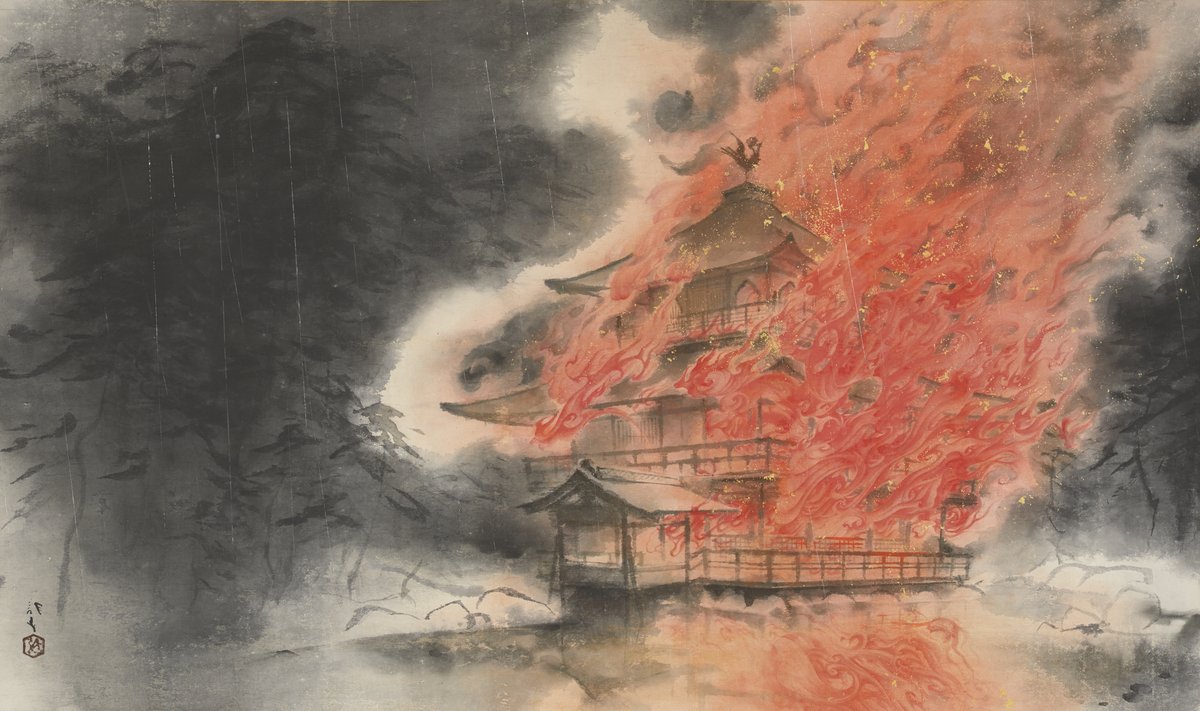
Originally constructed in 1397 as a retirement villa for shogun Ashikaga Yoshimitsu, Kinkaku-ji was transformed into a Zen Buddhist temple after his death. The pavilion’s opulent golden façade reflects both the grandeur of the Muromachi period and Buddhist ideals of transcendence and impermanence. Over the centuries, Kinkaku-ji has been rebuilt several times, most notably after the 1950 fire, but its spirit and iconic silhouette remain unchanged. Its harmonious gardens, historical architecture, and spiritual symbolism have made Kinkaku-ji a UNESCO World Heritage Site and a symbol of Kyoto’s enduring cultural legacy (Japan Insides; e-a-a.com).
Getting to Kinkaku-ji: Transportation and Access
Located in Kyoto’s Kita Ward at 1 Kinkakujicho, Kinkaku-ji is easily reached by public transportation. The most direct route is via Kyoto City Bus 101 or 205 from Kyoto Station to the Kinkaku-ji Michi stop (about 35–40 minutes, ¥230 one way) (characrosstheworld.com; agoda.com). From the bus stop, it’s a short walk to the entrance.
Alternatively, take the Karasuma subway line to Kitaōji Station, then walk 3.1 km or take a short taxi or bus ride to Kinkaku-ji (characrosstheworld.com). For those exploring multiple sites, the Kyoto Bus & Subway Pass offers unlimited rides and cost savings (e-a-a.com). Parking is limited and not recommended due to frequent congestion.
Kinkaku-ji Visiting Hours and Ticket Information
- Opening Hours: Daily, 9:00 AM to 5:00 PM (including public holidays)
- Admission Fees: ¥500 for adults, ¥300 for children; cash only (kinkakujitemple.com; triphobo.com)
- Ticketing: Tickets are issued as paper omamori (Japanese talismans) at the entrance and serve as both entry passes and souvenirs. Re-entry is not permitted, so explore thoroughly before exiting.
- Advance Sales: Tickets are only available on-site; no timed entry or online reservation (kinkakujitemple.com). Expect longer lines during cherry blossom (late March–April) and autumn foliage (November) seasons.
Best Times to Visit and Crowd Management
Kinkaku-ji is one of Kyoto’s most popular attractions, drawing millions of visitors annually (japambience.com). To avoid peak crowds, visit early in the morning before opening or late afternoon on weekdays (romancing-japan.com; e-a-a.com). Weekends, public holidays, and school vacations are especially busy.
The temple is most stunning during cherry blossom and autumn foliage seasons, when the golden pavilion glows amid vibrant natural colors. In winter, snow-dusted gardens offer a magical—though less predictable—view (agoda.com). The main photo spot by Mirror Pond is often crowded; patience and courtesy are appreciated.
Accessibility and Facilities
- Paths: The main approach and Golden Pavilion viewing areas are wheelchair-accessible with paved and gravel paths (characrosstheworld.com). Some garden areas have stone stairs, which may limit access.
- Wheelchair Rental: Available free at the entrance.
- Restrooms: Accessible facilities are provided, but benches and shaded rest areas are limited (e-a-a.com).
Visitor Preparation: What to Wear and Bring
- Footwear: Wear comfortable walking shoes for gravel and garden paths.
- Dress: Modest, respectful attire is recommended.
- Seasonal Gear: In summer, bring sunscreen, a hat, and water. In winter, wear warm layers. An umbrella is useful for sudden rain (e-a-a.com).
- Cash: Bring yen for tickets and souvenirs; cards are not widely accepted.
Photography and Etiquette
- Photography: Permitted outdoors, including garden and pavilion exteriors; interior access is not allowed (e-a-a.com).
- Restrictions: Tripods and gimbals are prohibited (characrosstheworld.com). Refrain from flash photography and avoid blocking pathways.
- Behavior: Maintain a respectful and quiet demeanor to honor the temple’s spiritual atmosphere.
Exploring the Kinkaku-ji Grounds
Visitors follow a one-way path through Kinkaku-ji’s gardens, beginning with the iconic view of the Golden Pavilion reflected in Mirror Pond (Kyoko-chi) (romancing-japan.com). The route features:
- Shariden Hall (Golden Pavilion): The three-story, gold-leafed structure crowned by a phoenix.
- Kyoko-chi (Mirror Pond): Scenic pond with symbolic islands and stones.
- Sekkatei Teahouse: Offers panoramic garden views and occasional tea ceremonies.
- Fudodo Hall: A spiritual site for reflection (kyoto-kinkaku.com).
A typical visit lasts 45–60 minutes. Try your luck with an omikuji (paper fortune) before exiting; bad fortunes are customarily tied to designated racks (characrosstheworld.com).
Special Events and Guided Tours
- Tea Ceremonies: Occasionally held at Gekka-tei Teahouse (agoda.com).
- Guided Tours: Available in English and Japanese, offering historical and architectural context and facilitating navigation through crowds (e-a-a.com).
Tea Houses, Souvenirs, and Amenities
Souvenir stalls near the exit sell charms, talismans, and local crafts. Vending machines provide drinks; food options on-site are limited.
Nearby Attractions and Suggested Kyoto Itineraries
Kinkaku-ji is ideally combined with nearby sites:
- Ryoan-ji Temple: Famous for its Zen rock garden.
- Ninna-ji Temple: Rich in history and cherry blossoms.
- Kitano Tenmangu Shrine: Known for plum blossoms (trip.com).
Many visitors start at Kinkaku-ji and continue to these locations for a full day exploring northern Kyoto (triphobo.com).
Frequently Asked Questions (FAQs)
Q: What are Kinkaku-ji’s opening hours?
A: Open daily from 9:00 AM to 5:00 PM.
Q: How much is the admission fee?
A: ¥500 for adults, ¥300 for children, payable in cash.
Q: Can I buy tickets in advance?
A: No, all tickets are sold on-site; no timed entry.
Q: Is Kinkaku-ji wheelchair-accessible?
A: Main paths and viewing areas are accessible; free wheelchair rentals are available.
Q: Are photography and tripods allowed?
A: Photography is allowed outdoors; tripods and gimbals are not. Interior access is not permitted.
Q: Are guided tours available?
A: Yes, guided tours provide in-depth historical and cultural information.
Summary of Key Points and Final Tips
Kinkaku-ji is not only a visual marvel but also a testament to Kyoto’s historical depth and spiritual significance. Its golden pavilion, set amid tranquil gardens and a reflective pond, invites visitors to contemplate the Zen ideals of impermanence and harmony. Despite periods of destruction and rebuilding, Kinkaku-ji’s faithful restoration and UNESCO recognition ensure its place as one of Japan’s most treasured sites (Japan Insides; e-a-a.com; Kinkakuji Temple; Kyoto Kinkaku).
Understanding practical aspects like visiting hours, ticketing, and accessibility will enrich your visit, as will exploring nearby temples such as Ryoan-ji and Ninna-ji. Guided tours and special events allow for deeper immersion in Kinkaku-ji’s living traditions. Plan your visit thoughtfully, use available resources such as the Audiala app, and savor the serene splendor of Kyoto’s golden jewel (Kyoto Tourism Board; kinkakujitemple.com).
Embrace the unique opportunity to experience this intersection of history, art, and Zen philosophy—where every reflection in Mirror Pond tells a story of Japan’s enduring beauty.
Tickets & tours.
These are guided options from our partners — same price as booking direct.
Prices are indicative — final pricing and availability are confirmed at checkout. Audiala may earn a commission from bookings made through these links.
Listen to the full story in the app
The whole Kinkaku-Ji,
told well.
Audio guides for 1,100+ cities across 96 countries. History, stories, and local insight — offline ready.
Verified, and shown.
Researched and written by the Audiala editorial team from historical records, architectural archives, and local expertise.
Researched from Wikidata, Wikipedia & official sources · fact-checked · How we make our guides →