Plan and listen to Jr Fujinomori Station with Audiala.
Audio guide in your pocket, itinerary in your browser. Built for the way you actually visit.
Introduction
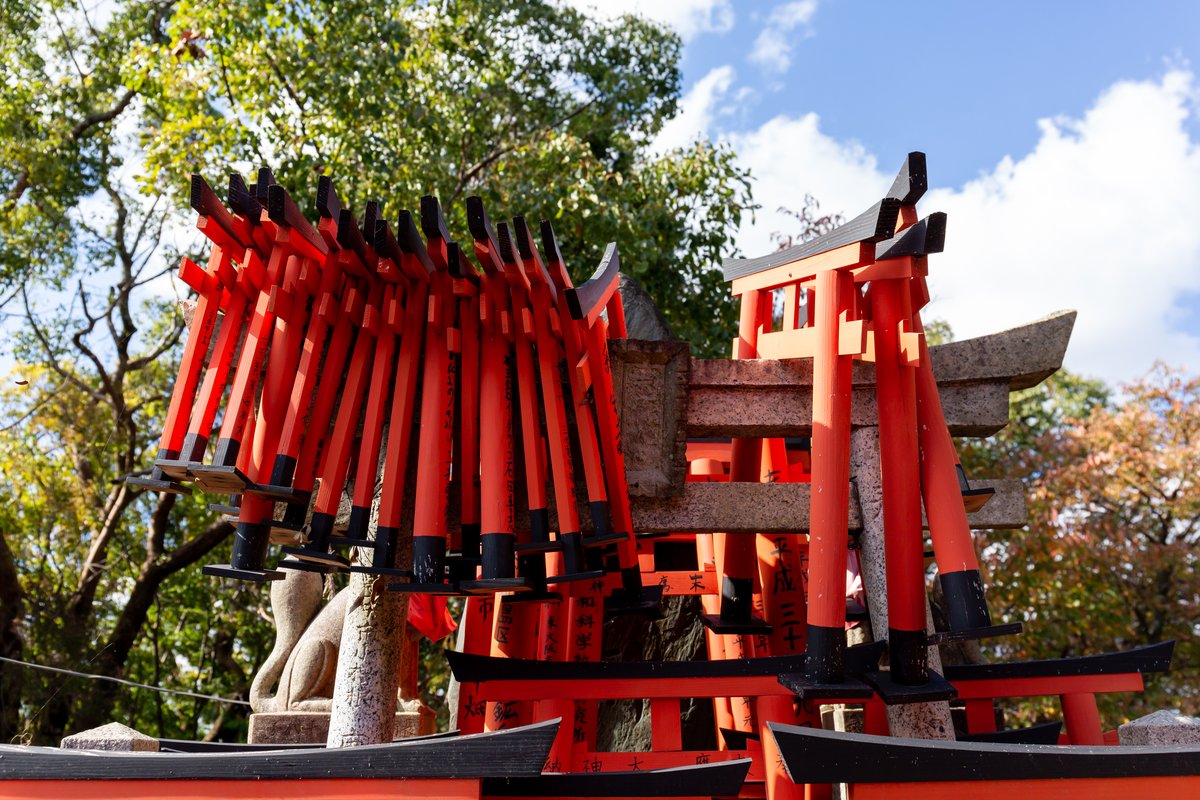
JR Fujinomori Station, located in Kyoto’s historic Fushimi Ward, serves as a crucial gateway for visitors seeking to explore the city’s rich tapestry of history, culture, and tradition. Since its establishment in 1895, the station has evolved alongside Kyoto, combining modern transportation with deep regional heritage. As part of the JR Nara Line, JR Fujinomori Station offers convenient access not only for daily commuters but also for travelers visiting nearby landmarks such as the revered Fujinomori Shrine and the globally celebrated Fushimi Inari Taisha—famous for its thousands of vermilion torii gates.
This comprehensive guide provides essential details for travelers, including station operating hours, ticketing options, accessibility information, travel tips, and insights into local attractions and seasonal events. Whether you’re a history enthusiast, a culture seeker, or a first-time visitor, understanding how to navigate JR Fujinomori Station and its surroundings will enhance your Kyoto experience.
For further details on the station’s history and visitor amenities, consult official resources and Kyoto tourism portals (Kyoto Station Guide, Japan Cheapo). To deepen your understanding of local shrines, visit the Fushimi Inari Taisha Official Website.
Early Railway Expansion in Kyoto
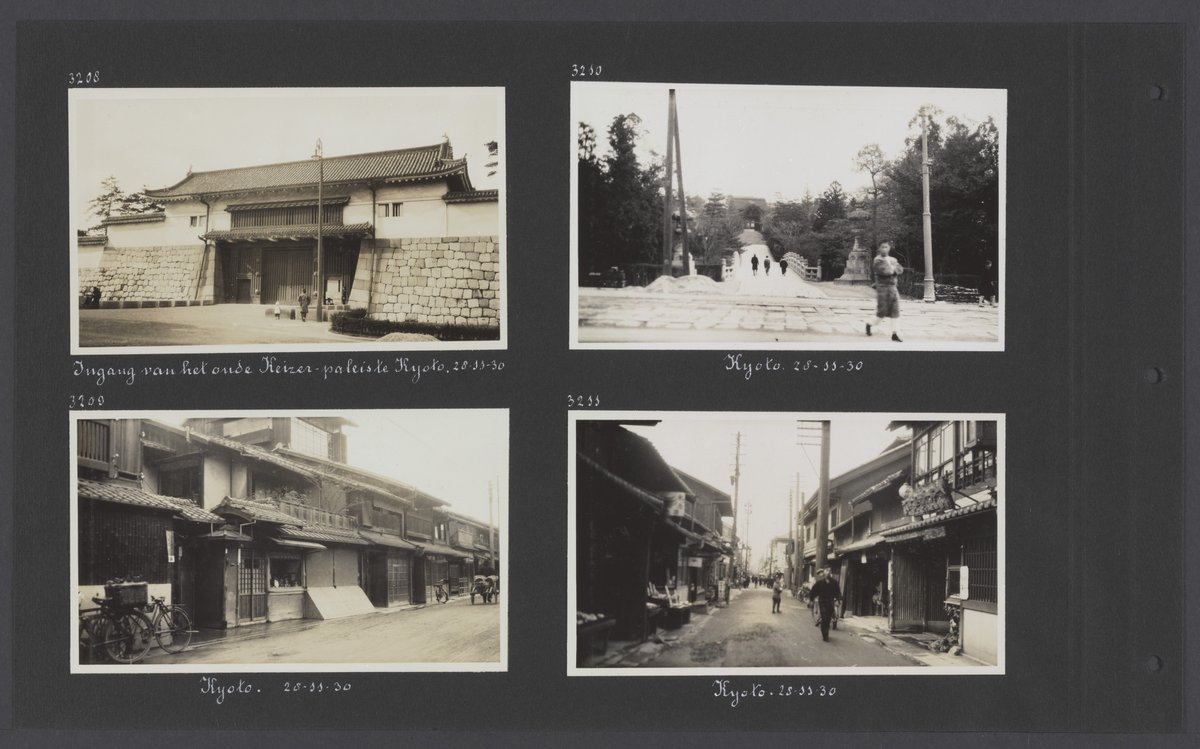
The development of JR Fujinomori Station is closely linked to the rapid modernization of Japan during the Meiji era. Kyoto, as a former imperial capital, was a central hub for railway expansion. The station is located on the JR Nara Line, which was constructed to connect Kyoto with Nara, another ancient capital, facilitating travel and cultural exchange within the Kansai region (Japan Cheapo).
Station Evolution and Modernization
Since its opening in 1895, JR Fujinomori Station has seen several upgrades to meet the changing needs of commuters and travelers. What began as a modest wooden facility has been transformed into a modern station with concrete platforms, automated ticketing, and barrier-free features. These enhancements reflect broader trends in Japanese railway modernization, especially after World War II (Kyoto Station Guide).
Visiting JR Fujinomori Station: Hours, Tickets, and Accessibility
Operating Hours
- Station hours: Daily, 5:00 AM–midnight, in line with JR Nara Line operations.
- Nearby attractions: Most shrines and museums are open from 6:00 AM–5:00 PM, but times may vary seasonally.
Ticketing Options
- Automated ticket machines and on-site counters for standard fare tickets.
- IC cards (Suica, ICOCA, PiTaPa, etc.) are accepted for easy touch-and-go travel across the Kansai region.
- Regional passes such as the 1-Day Kyoto Sightseeing Pass are available for unlimited travel on select lines.
Accessibility Features
- Elevators and ramps: Ensure barrier-free navigation between platforms and concourse.
- Tactile paving: For visually impaired passengers.
- Multilingual signage: Available in Japanese and English to assist international visitors.
Travel Tips
- Take the JR Nara Line from Kyoto Station; the ride to JR Fujinomori Station takes about 10 minutes.
- Use IC cards to bypass lines at ticket machines.
- Expect increased crowds during festival periods and plan accordingly.
- For luggage storage, use facilities at Kyoto Station, as JR Fujinomori Station has limited storage.
Top Attractions Near JR Fujinomori Station
Fujinomori Shrine
A five-minute walk from the station, Fujinomori Shrine boasts over 1,800 years of history and is famed for its annual Fujinomori Festival each May. The shrine is renowned for horseback archery displays and is particularly lively during Children’s Day. Its tranquil grounds offer a peaceful alternative to Kyoto’s busier sites.
Fushimi Inari Taisha
Just two stops north on the JR Nara Line, Fushimi Inari Taisha is one of Japan’s most iconic Shinto shrines. Known for its seemingly endless tunnels of vermilion torii gates, the shrine is open 24 hours and is best visited early in the morning or late in the evening to avoid crowds.
Other Notable Sites
- Kyoto Railway Museum (Kyoto Railway Museum): A short train ride from Kyoto Station, featuring interactive exhibits and historic locomotives.
- Kyoto Aquarium (Kyoto Aquarium): Family-friendly with local aquatic life displays and daily dolphin shows.
- Tōji Temple (Tōji Temple): A UNESCO World Heritage Site known for its five-story pagoda and monthly flea market.
- Kyoto Tower (Kyoto Tower): Offers panoramic views of the city.
- Sanjusangendo (Sanjusangendo): Famous for its 1,001 Kannon statues.
- Shosei-en Garden (Shosei-en Garden): A tranquil Japanese garden near Higashi Honganji Temple.
Local Events and Guided Tours
Festivals
- Fujinomori Festival (May): Traditional horseback archery and vibrant local celebrations at Fujinomori Shrine.
- Gion Festival (July): Citywide event with parades and street festivities (Gion Festival).
- Thousand Lantern Festival (October): Illuminated rituals at Fushimi Inari Taisha.
- Umekoji Handicrafts Market & Tōji Flea Market: Monthly events for local crafts and food (Umekoji Market, Tōji Temple Flea Market).
Guided Tours
Local operators offer walking tours highlighting Fushimi’s sake breweries, historical sites, and spiritual landmarks. Advance booking is encouraged, especially during festival seasons.
Practical Travel Tips
- Peak Hours: Avoid weekday rush hours for a quieter experience.
- Weather: July is hot and humid; wear light clothing, a hat, and stay hydrated.
- Navigation: Google Maps is reliable for transit and walking routes.
- Hidden Gems: The Fushimi sake district is easily accessible for brewery tours and tastings.
Frequently Asked Questions (FAQ)
Q: What are the operating hours of JR Fujinomori Station?
A: The station operates from 5:00 AM to midnight daily.
Q: Are special tourist tickets available?
A: Yes, IC cards and 1-Day Kyoto Sightseeing Passes are available for convenient travel.
Q: Is the station accessible for people with disabilities?
A: Yes, elevators, ramps, and multilingual signage are provided.
Q: How far is Fushimi Inari Taisha from JR Fujinomori Station?
A: About 5 minutes by train on the JR Nara Line or approximately 20 minutes on foot.
Q: Are guided tours available from the station?
A: Many local agencies offer guided tours of the Fushimi area and nearby temples.
Discover More
JR Fujinomori Station is more than just a transit hub—it is a strategic entryway to Kyoto’s celebrated heritage, spiritual landmarks, and vibrant local culture. With its accessible design, easy ticketing, and proximity to must-see attractions, it’s an ideal starting point for your Kyoto adventure. Make the most of your journey by utilizing digital travel tools, planning around local festivals, and exploring both famous and lesser-known sites in southern Kyoto.
Ready to explore? Download the Audiala app for real-time travel updates, personalized guides, and local recommendations. Follow us on social media for the latest Kyoto travel insights and event updates!
Summary Table: Key JR Fujinomori Station Features
| Feature | Details |
|---|---|
| Platforms | 2 side platforms, 2 tracks (in a cutting) |
| Ticketing | Automated machines, POS terminal, IC card support (ICOCA, PiTaPa, Suica, etc.) |
| Accessibility | Elevators, tactile paving, multilingual signage, staff assistance |
| Restrooms | Standard and accessible toilets |
| Waiting Area | Modest seating near ticket gates |
| Bus Connections | Nearby Kyoto City Bus stops |
| Nearby Rail | Sumizome Station (Keihan Main Line, 7 min walk) |
| Parking | Paid parking (200 yen/hour, max 500 yen/day) |
| Bicycle Parking | Available |
| Staffed | Yes |
| Languages | Japanese, English signage |
Listen to the full story in the app
The whole Jr Fujinomori Station,
told well.
Audio guides for 1,100+ cities across 96 countries. History, stories, and local insight — offline ready.

Verified, and shown.
Researched and written by the Audiala editorial team from historical records, architectural archives, and local expertise.
Researched from Wikidata, Wikipedia & official sources · fact-checked · How we make our guides →