An introduction.
Researched by the Audiala editorial team from historical records, architectural archives, and local expertise.
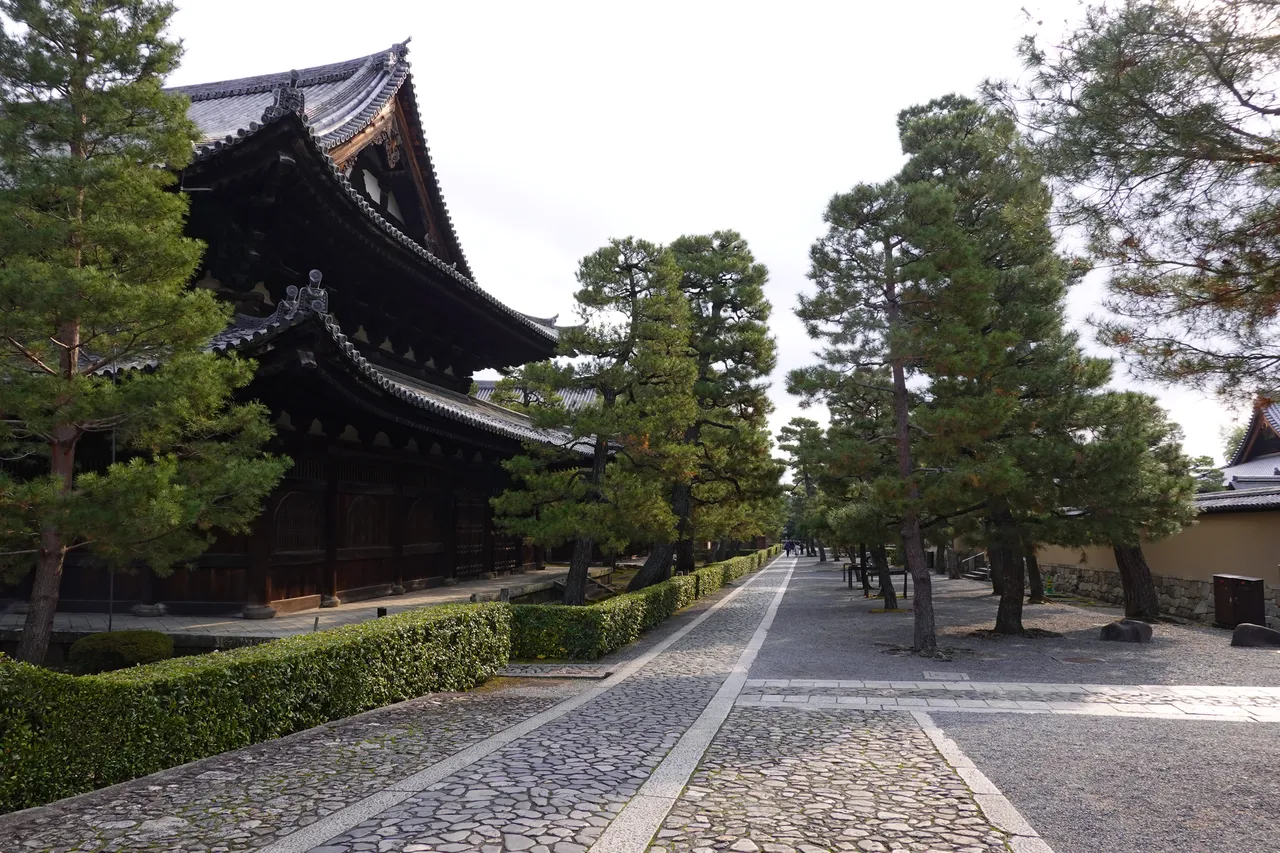
HHow can Daitoku-ji be one of Kyoto’s most influential Zen temples while hiding most of itself from view? Today, Daitoku-ji in Kyoto, Japan, reveals cedar corridors, moss-dark stones, white gravel combed into silence, and a great gate shadowed by an old scandal. Visit to see where Zen, tea, painting, politics, and rebellion met—and to discover why the quietest corners often carry the sharpest stories.
The precinct feels less like a single monument than a walled constellation of living monasteries. Pine needles collect beside tiled roofs, sandals whisper across wooden thresholds, and incense hangs faintly in the cool air. Most of the 22 to 24 subtemples remain private; the few that open to visitors offer gardens and rooms shaped by centuries of disciplined attention.
Daitoku-ji is especially rewarding for anyone interested in the Way of Tea. Its monks, tea masters, painters, merchants, and warlords left traces in gates, tea rooms, sliding screens, and dry gardens. At Sanmon, the elegant two-story entrance carries the memory of Sen no Rikyū’s fatal clash with Toyotomi Hideyoshi.
Come patiently. Daisen-in’s stones suggest a life unfolding from mountain source to ocean, Ryōgen-in shelters a garden scarcely larger than three tatami mats, and Zuihō-in contains a cross that many visitors fail to see. The temple’s restraint is part of its meaning: a closed door here is not a disappointment but evidence that the monastery still belongs to its religious community.
01 What to see.
Sanmon Gate, Butsuden and Hattō
Daisen-in’s Hōjō and Dry Garden
A Sub-Temple Circuit Through Stone Lanes
02 In pictures.


Plan and listen to Daitoku-Ji with Audiala.
Audio guide in your pocket, itinerary in your browser. Built for the way you actually visit.
03 Visitor logistics.
The practical scaffolding for a good visit — kept short.
Getting There
From Kyoto Station, take the Karasuma Subway Line to Kitaōji Station (13 minutes, ¥260), then walk west along Kitaōji-dōri for about 15 minutes or take a Kitaōji Terminal bus to Daitokuji-mae (about 5 minutes, ¥230). Kyoto City Bus #205 or #206 runs directly to Daitokuji-mae in 40–50 minutes, traffic permitting. Drivers can use the small paid lot near the south gate; spaces are limited, so transit is the saner choice.
Opening Hours
As of 2026, the pine-lined outer precinct is free and generally accessible in daylight; plan to explore it between about 08:00 and 17:00, while the central monastery halls usually remain closed to visitors. Daisen-in opens 09:00–16:30 from March to November and 09:00–16:00 from December to February; Ryōgen-in is open 09:00–16:30, and Zuihō-in 09:00–17:00. Ōbai-in and Kōrin-in open only during announced spring or autumn special-opening periods, while Kōtō-in may close for preservation work.
Time Needed
Allow 45–60 minutes for the free compound paths, exterior views of the Sanmon and Butsuden, and one sub-temple. A thoughtful visit to two or three gardens takes 1.5–2.5 hours; four or more sub-temples, tea, and nearby Imamiya Shrine can fill 3–4 hours—roughly the length of a slow morning rather than a quick photo stop.
Accessibility
Paths between the sub-temples are mostly flat, wide stone or hard-packed surfaces and can accommodate manual and powered wheelchairs. Traditional interiors are much harder: many have a 20–40 cm raised entrance step, wooden verandas without ramps, and no elevators; Daisen-in has partial sloped access but still retains thresholds. Accessible toilets are limited, with better-equipped facilities at Kitaōji Station and its bus terminal.
Cost and Tickets
As of 2026, the main precinct paths cost nothing, but each sub-temple charges separately and no compound-wide ticket exists: Daisen-in is ¥400 for adults, Ryōgen-in about ¥300–¥500, and Zuihō-in ¥400 for adults or ¥300 for students. Seasonal special openings commonly cost ¥800–¥1,000 for adults. Bring Japanese yen in small denominations; most temple desks do not accept cards or IC payments.
04 Tips for visitors.
Small things that change the day.
Bring Clean Socks
Sub-temple interiors require shoes to come off, and bare feet on tatami or cedar verandas are considered improper. Wear clean socks, modest clothing with covered shoulders, and keep your voice low around the active Zen monastery.
Check Camera Signs
Exterior paths are generally photographable, but Daisen-in bans photography throughout its temple and garden areas. Follow each sub-temple’s signs around altars and fusuma paintings, and leave flashes, tripods, selfie sticks, drones, and commercial shoots at home.
Choose Gardens Carefully
Because fees are paid separately, pick one or two gardens rather than assuming a full-complex ticket will save money. Daisen-in gives the classic Muromachi dry-garden encounter, while Zuihō-in offers Mirei Shigemori’s sharper 20th-century interpretation.
Carry Yen Cash
Small entrance desks and nearby sweets shops are heavily cash-based, so withdraw money before arriving or use facilities at Kyoto or Kitaōji Station. The temples are quiet; the real local ambush is reaching a garden gate with no ¥400 in your wallet.
Plan Temple Cuisine
For shōjin ryōri, reserve Izusen Daiji-in Branch at roughly ¥3,500–¥6,500 per person or splurge at Daitokuji Ikkyu, about ¥8,000–¥18,000 and up. For a budget finish, walk 5–10 minutes to Imamiya Shrine for charcoal-grilled aburi-mochi at Kazariya or Ichiwa, usually around ¥500–¥600.
Start at Nine
Arrive near 09:00 when the year-round sub-temples begin admitting visitors and the gravel gardens still hold the morning’s cool hush. Autumn and spring special openings draw heavier traffic, so verify the exact seasonal dates before building your day around Ōbai-in or Kōrin-in.
Pair Imamiya Shrine
Walk north to Imamiya Shrine after the temple, a 5–8 minute stroll from Daitoku-ji’s northern side, then compare the two rival aburi-mochi shops opposite its east gate. Kinkaku-ji is about 1.8 km west, or 20–25 minutes on foot, making the two sites a plausible half-day pairing.
Leave Bags Behind
Daitoku-ji has no coin lockers, and large suitcases do not belong inside its small wooden halls. Store luggage at Kitaōji or Kyoto Station before coming; a small daypack is manageable, but keep it off verandas, shōji, and fragile sliding-screen tracks.
05 The gate, the tea master, and the power to say no
The founding is usually dated to 1315, when the Zen master Shūhō Myōchō established a hermitage in the Murasakino moorlands north of Kyoto. Sources also give 1319 for the hermitage and 1325 for its full temple dedication, distinctions that explain the competing dates. Emperor Hanazono and Emperor Go-Daigo supplied imperial legitimacy, yet Daitoku-ji later withdrew from the shogunate-controlled Five Mountain system to preserve an independent Rinka tradition.
The Ōnin War of 1467–1477 reduced the compound to ashes. Its rebirth came through an unlikely alliance: Ikkyū Sōjun, an irreverent Zen master, turned to wealthy merchants from Sakai rather than waiting for a warrior government to rescue the temple. That decision helped make Daitoku-ji a powerful center of tea culture, even as its gates continued to admit political danger.
The statue above the threshold
At first glance, the story seems almost too neat: Sen no Rikyū, Japan’s great tea master, paid for the upper story of Daitoku-ji’s Sanmon Gate in 1589, and a wooden likeness of him was placed above the passage. When Toyotomi Hideyoshi walked beneath it, the tale goes, he saw Rikyū’s straw-sandaled feet hanging over the route used by rulers and emperors.
But the tidy version leaves an awkward gap. The statue appeared in 1589, while Rikyū’s forced death came in 1591, and accounts differ over what truly provoked Hideyoshi. Modern historians commonly treat the gate as a public pretext; deeper tensions included Rikyū’s enormous influence, disputes over costly tea objects, court politics, and, according to some interpretations, his opposition to Hideyoshi’s planned invasion of Korea.
The revelation is less about an insult than a collision between two ideas of authority. Rikyū believed the tea room could make rank temporarily irrelevant, while Hideyoshi needed every ceremony to confirm his supremacy. The turning point came when Hideyoshi ordered the statue removed and publicly humiliated, then demanded that Rikyū commit seppuku in 1591. For Rikyū, what was at stake was his artistic and spiritual independence—and finally his life.
Look at Sanmon now and the gate changes character. Its timber frame is no longer merely an elegant entrance to a Zen compound; it becomes a stage on which a merchant-born tea master challenged a ruler’s sense of order. Every visitor passing beneath it reenacts, quietly, the question that made the gate dangerous: who stands above whom?
Ikkyū and the merchants of Sakai
A monastery still in use
Listen to the full story in the app
The whole Daitoku-Ji,
told well.
Audio guides for 1,100+ cities across 96 countries. History, stories, and local insight — offline ready.
06 Frequently asked.
The questions travellers send us most about Daitoku-Ji.
Is Daitoku-ji worth visiting?
Yes—Daitoku-ji is worth visiting if Zen gardens, tea culture, and Sengoku history appeal more than a single grand hall. Free pine-lined paths lead between more than 20 sub-temples, while Daisen-in, Ryōgen-in, and Zuihō-in offer very different garden moods, from austere white gravel to moss-darkened quiet. The complex feels like a working monastery rather than a polished tourist attraction, which is precisely its appeal.
How long do you need at Daitoku-ji?
Plan 1.5 to 2.5 hours for the precinct and two or three sub-temples. A quick visit takes 45 to 60 minutes with one paid temple, while a slower three- to four-hour visit can include seasonal openings, tea, and nearby Imamiya Shrine. Allow extra time for shoe removal, garden viewing, and the small admission desks.
How do I get to Daitoku-ji from Kyoto Station?
The easiest traffic-free route is the Karasuma Subway Line from Kyoto Station to Kitaōji Station, followed by a 15-minute walk or a short bus ride to Daitokuji-mae. The subway takes about 13 minutes and costs roughly ¥260, while Kyoto City Bus 205 or 206 runs directly to Daitokuji-mae in around 40 to 50 minutes for about ¥230. The bus is simple; Kyoto traffic may have other plans.
What is the best time to visit Daitoku-ji?
Visit in mid- to late November for the maple canopy at Kōtō-in and Ōbai-in, or during June and July if saturated moss and rain-washed timber appeal to you. Autumn also brings limited openings at sub-temples that normally keep their gates closed, although dates change each year. Winter offers the quietest atmosphere, with snow turning Zuihō-in's dark gravel ridges into stark black-and-white patterns.
Can you visit Daitoku-ji for free?
Yes—the outer precinct paths and views of the central gates are free, but each open sub-temple charges its own admission. Expect roughly ¥300 to ¥500 for regular sites such as Ryōgen-in, Daisen-in, and Zuihō-in, with seasonal openings often costing ¥800 to ¥1,000. Carry Japanese yen, since the small temple ticket desks generally do not accept cards or IC payments.
What should I not miss at Daitoku-ji?
Don’t miss Daisen-in’s 1509 Hōjō and its dry garden, Ryōgen-in’s tiny Tōtekikō garden, and Zuihō-in’s 1961 Garden of the Cross. Look up at the vermilion Sanmon, whose upper story was funded by Sen no Rikyū in 1589, then visit Kōtō-in if it has reopened. Daisen-in bans photography, so let the garden remain in your memory rather than turning it into another phone wallpaper.
Verified, and shown.
Researched and written by the Audiala editorial team from historical records, architectural archives, and local expertise.
Founding history, imperial patronage, and temple lineage.
Official overview of Daitoku-ji history, buildings, and affiliation.
Historical background and visitor access context.
Sub-temples, gardens, access, hours, and seasonal information.
Practical visiting advice, gardens, history, and etiquette.
Sub-temple history, garden details, and Sanmon background.
Alternative founding and dedication date information.
Extended historical, architectural, and folklore research.
Temple history, imperial status, tea culture, and Rikyū.
Architectural profile and restrictions on central hall access.
Sanmon construction, tea history, and Daitoku-ji culture.
Historical discussion of Ikkyū and postwar rebuilding.
Analysis of Oda Nobunaga’s 1582 funeral and political setting.
Sōken-in history, Nobunaga’s memorial, and funeral traditions.
Zuihō-in’s garden and hidden Christian symbolism.
Shinju-an history and artistic significance.
Additional account of Sōken-in and Nobunaga’s memorial.
Opening hours, admission, photography rules, and gardens.
Ōbai-in seasonal opening dates, hours, and admission.
Kōrin-in special openings and visitor information.
Meditation sessions, tea rooms, and Daiji-in activities.
Visitor reports on photography, access, and local impressions.
Mobility information for Daisen-in and precinct paths.
Wheelchair access information for Kyoto sites.
Visitor discussion of steps and interior accessibility.
Visitor discussion of time needed at Daitoku-ji.
Architecture, gardens, history, and hidden details.
Official information on Daisen-in and its garden.
Tea-room history connected with Kōtō-in.
Seasonal openings, photography rules, and transport details.
Shinju-an’s art and cultural background.
Visitor guide covering tea, meditation, and photography.
Seasonal autumn foliage timing in Kyoto.
Izusen and traditional Zen vegetarian cuisine.
Official overview, tea history, and temple traditions.
Ōbai-in history, openings, and tea culture.
Local-style impressions of Daitoku-ji’s atmosphere.
Tea ceremony event listings connected with Kyoto temples.
Tea history, Rikyū, and Daitoku-ji connections.
Reports on special openings and cultural preservation.
Meditation, tea ceremony, and reservation information.
Tea culture, Rikyū’s story, and nearby traditions.
Daitoku-ji neighborhood, aburi-mochi, and local food.
Background on fermented black soybean traditions.
Restaurant information for Daitokuji Ikkyū.
Izusen restaurant, shōjin cuisine, and dining details.
Information on traditional vegetarian dining.
Cultural property preservation and public access updates.
Recent preservation and heritage access information.
Practical guide to tickets and sub-temple access.
Visitor information on Daitoku-ji’s sub-temples.
Official access and destination overview.
General Japanese temple etiquette and footwear guidance.
Visitor discussion of respectful clothing and behavior.
Temple and shrine etiquette guidance.
Photography and behavior guidance for Kyoto temples.
Drone and photography restrictions in Kyoto.
Visitor reports on Izusen dining and reservations.
Restaurant listing and practical dining information.
Ritual calendar, treasure airing, and temple history.
Annual Daitoku-ji treasure airing event information.
Production and history of Daitokuji natto.
Ikkyū tradition and Daitokuji natto background.
Local natto producers and neighborhood information.
Researched from Wikidata, Wikipedia & official sources · fact-checked · How we make our guides →