Plan and listen to Daikaku-Ji with Audiala.
Audio guide in your pocket, itinerary in your browser. Built for the way you actually visit.
Introduction to Daikaku-ji Temple
Nestled in Kyoto’s Saga district, Daikaku-ji Temple is a profound emblem of Japan’s imperial heritage, Shingon Buddhist devotion, and sophisticated garden art. Originally established as Emperor Saga’s imperial villa in 814 CE, the site evolved into a temple of immense cultural and spiritual significance. Daikaku-ji is renowned for its Heian-period garden pond, Ōsawa Pond, and its Momoyama-period architecture—some of which was relocated from the Kyoto Imperial Palace. Its status as a monzeki temple—traditionally led by imperial princes—underscores its unique historical role in Japan’s imperial and religious history.
As a living center of Shingon Buddhism and the headquarters of the Saga Go-ryū school of ikebana, Daikaku-ji offers immersive experiences, from moon-viewing festivals to chrysanthemum exhibitions. Visitors can participate in rituals such as Heart Sutra copying, a practice rooted in imperial legend. This guide provides comprehensive information on Daikaku-ji’s visiting hours, ticketing, accessibility, and cultural highlights, helping you fully appreciate one of Kyoto’s most significant historical sites (Wikipedia, Japan365Days, Japan Travel, Japan Manifest).

Origins and Imperial Foundations
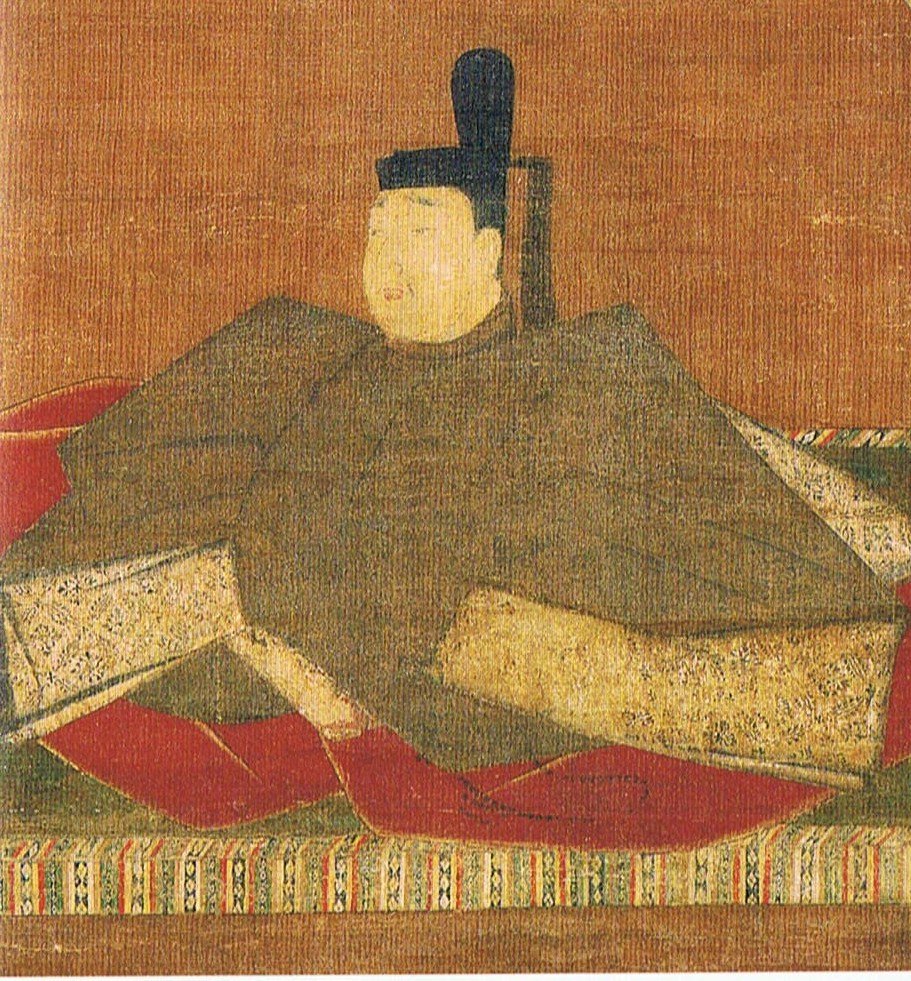
Daikaku-ji’s origins are deeply rooted in the Heian period (794–1185), beginning as the Saga-in, an imperial villa built for Emperor Saga in 814 CE. This villa became a hub of courtly culture, influencing both political maneuvering and aesthetic developments of the time (Wikipedia). A notable event in its early history is the transcription of the Heart Sutra by Emperor Saga, following advice from Kōbō Daishi (Kūkai) during a devastating epidemic. This act is believed to have quelled the epidemic and established a tradition of Heart Sutra copying, with the emperor’s manuscript displayed to the public once every 60 years (Japan365Days).
Transformation into a Temple
After Emperor Saga’s death, his daughter Princess Masako transformed the villa into a Buddhist temple in 876. Daikaku-ji became a monzeki temple, where abbots were chosen from imperial princes, strengthening the temple’s imperial ties and making it a favored retirement residence for later emperors (Wikipedia). The system of cloistered rule (insei) allowed former emperors residing at Daikaku-ji to retain political influence.
Architectural Evolution and Artistic Heritage
Destroyed during 14th-century conflicts, Daikaku-ji was rebuilt and expanded, especially during the Edo period when Momoyama-period buildings were relocated from the Kyoto Imperial Palace (Wikipedia). The temple complex features:
- Main Hall (Hondō): Relocated from the Kyoto Imperial Palace, housing a statue of Shakyamuni Buddha (Japan Manifest).
- Shinden Hall: Adorned with partition paintings by Kanō Sanraku and the Kanō school, depicting peonies, plum blossoms, and more (Tsumugu Project).
- Shingyo Pagoda: A vibrant red and black two-tiered pagoda built in 1967 to commemorate Emperor Saga’s transcription of the Heart Sutra (Japan Manifest).
- Reihōkan Museum: Showcasing treasures such as the Heart Sutra, religious artifacts, and important documents (Japan Manifest, Tsumugu Project).
Ōsawa Pond and Garden Culture
Ōsawa Pond, constructed by Emperor Saga, is Japan’s oldest surviving artificial garden pond (Wikipedia). Designed in the chisen-shuyu style, it was meant for boat viewing and features islands, stone lanterns, and seasonal flora. The pond is central to many temple events, including moon-viewing parties (Kangetsu-no-Yūbe) and cherry blossom festivals (Kanpai Japan). The gardens are further enriched by the temple’s role as headquarters of the Saga Go-ryū school of ikebana.
Religious and Cultural Significance
As a Shingon sect temple, Daikaku-ji is dedicated primarily to the Five Wisdom Kings, with Fudō Myōō as a central figure (Japan365Days). The temple holds a special place in the practice of copying the Heart Sutra, a tradition believed to bring spiritual merit and protection. The annual Saga-giku Exhibition highlights its ikebana legacy.
Visiting Daikaku-ji: Hours, Tickets, and Access
- Hours: Open daily, 9:00 AM–5:00 PM (last entry 4:30 PM). Hours may vary during special events (Japan Manifest).
- Admission: 500 yen for adults; discounts for students and groups. Special exhibitions may incur additional fees.
- Accessibility: Some areas are wheelchair accessible, though parts of the temple feature steps and uneven paths. Assistance is available upon request.
- Getting There: From Kyoto Station, take the JR Sagano Line to Saga-Arashiyama Station (15 min walk). Bus routes 28 and 11 also serve the area (Klook).
- Nearby Attractions: Arashiyama Bamboo Grove, Tenryū-ji Temple, and Katsura River are within easy reach.
Seasonal Highlights and Events
- Cherry Blossoms: Late March to early April—spectacular reflections on Ōsawa Pond (Lonely Planet).
- Autumn Foliage: Late October to December—Momiji Road glows with red and gold leaves (Kanpai Japan).
- Festivals: Moon-viewing parties on the pond, Kagami-biraki (New Year’s rice cake cutting), and ikebana exhibitions (Discover Kyoto).
Rituals, Festivals, and Living Traditions
Visitors can participate in the Heart Sutra Transcription Ceremony, observe seasonal ikebana displays, and attend moon-viewing and firefly watching events around Osawa Pond (Magical Trip). These traditions highlight Daikaku-ji’s living connection to Heian-period court culture and Buddhist practices.
Artistic and Cultural Contributions
Daikaku-ji’s architecture exemplifies Shinden-zukuri and Shoin-zukuri styles. Visitors can admire Important Cultural Properties, including partition paintings, statues, and swords like the 13th-century Usumidori (Hizamaru) (Tsumugu Project). The temple also appears in classical literature such as The Tale of Genji and hosted peace talks during the Nanboku-chō period (Japan Guide).
Practical Visitor Information
- Restrooms: Available near the entrance and on temple grounds.
- Gift Shop: Sells omamori (charms), calligraphy, and ikebana-related souvenirs.
- Dining: No restaurant onsite; nearby Saga-Arashiyama offers diverse dining options (Klook).
- Parking: Limited paid parking available; public transport is recommended during busy seasons.
Etiquette and Tips
- Dress respectfully, remove hats indoors, and avoid loud conversation (Lonely Planet).
- Photography is allowed in gardens but usually prohibited inside buildings; always check signage.
- Remove shoes before entering indoor halls; bring a bag for your shoes or use provided ones.
- Follow local customs for purification at the entrance and bowing at gates.
Accessibility for International Visitors
- Language: Major signage in Japanese and English; staff are helpful, though English proficiency varies.
- Currency: Most transactions are cash; carry small denominations.
- Connectivity: A local SIM or eSIM is recommended for navigation (Local Adventurer).
FAQ: Daikaku-ji Temple Visitor Information
Q: What are the opening hours?
A: 9:00 AM–5:00 PM; last admission at 4:30 PM.
Q: How much are tickets?
A: 500 yen for adults; discounts available.
Q: Is Daikaku-ji accessible by public transport?
A: Yes, via JR Sagano Line and city buses.
Q: Are guided tours available?
A: Yes, especially during festival seasons; check locally for details.
Q: Is the temple accessible for visitors with disabilities?
A: Some areas have steps and uneven ground, but assistance is available.
Q: When is the Heart Sutra displayed?
A: Once every 60 years; next viewing in 2078.
Enhance Your Visit
- Best Times: Early morning or late afternoon for tranquility; cherry blossom and autumn foliage seasons are especially stunning.
- Touring Advice: Download the Audiala app for audio guides and up-to-date temple information.
- Navigation: Use interactive maps and virtual tours via official tourism sites.
Listen to the full story in the app
The whole Daikaku-Ji,
told well.
Audio guides for 1,100+ cities across 96 countries. History, stories, and local insight — offline ready.
Verified, and shown.
Researched and written by the Audiala editorial team from historical records, architectural archives, and local expertise.
Researched from Wikidata, Wikipedia & official sources · fact-checked · How we make our guides →