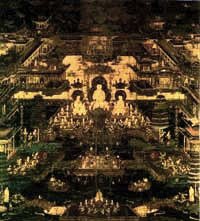
Plan and listen to Chion-In with Audiala.
Audio guide in your pocket, itinerary in your browser. Built for the way you actually visit.
Introduction: Chion-in Temple’s History and Significance
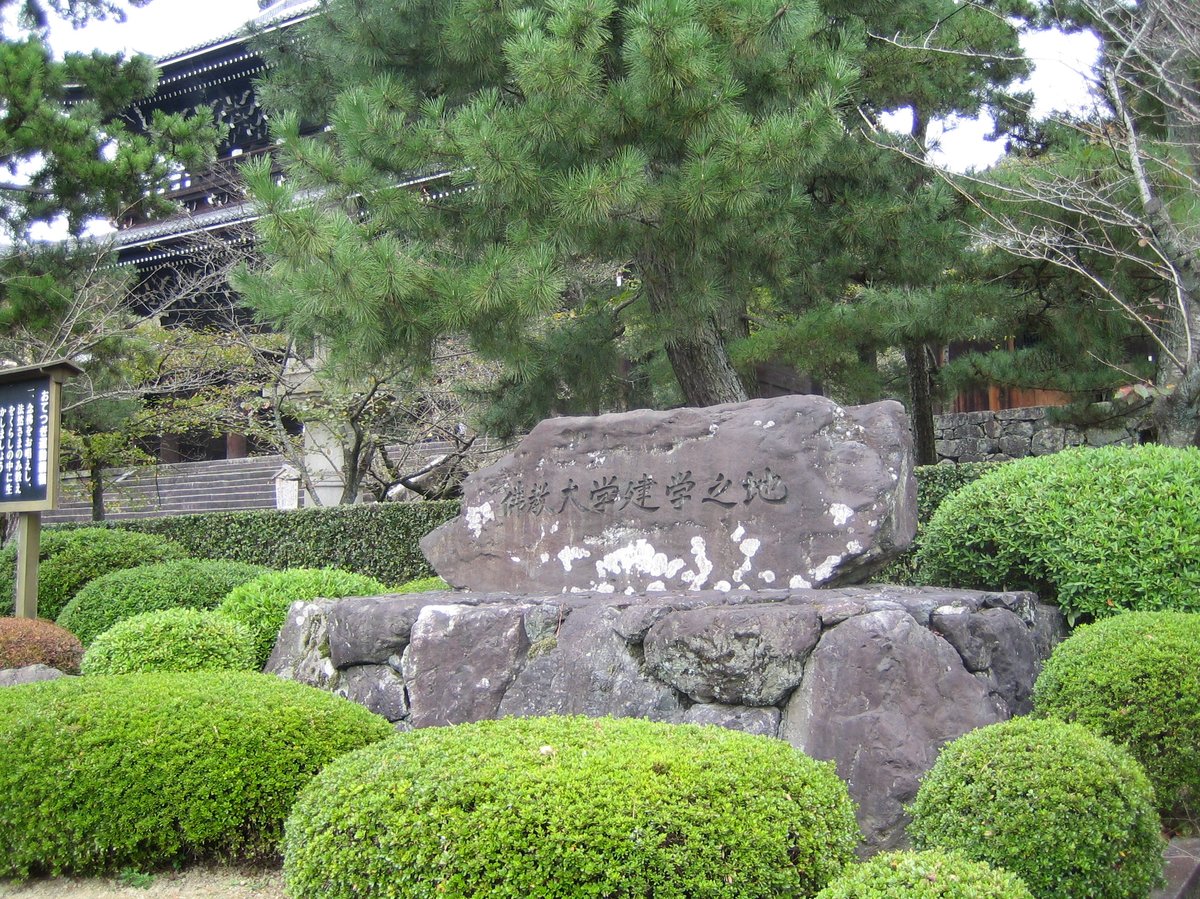
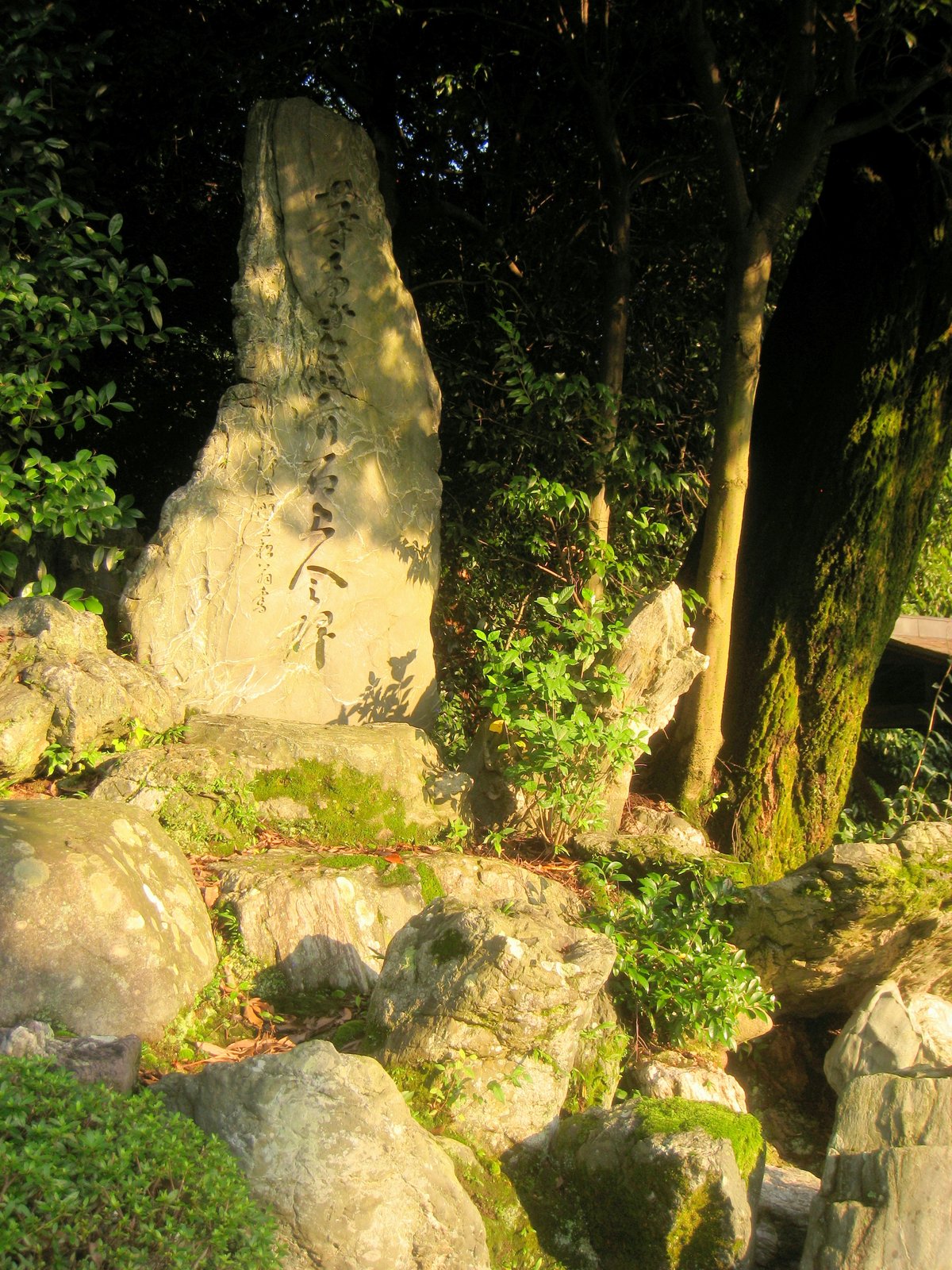
Located in Kyoto's storied Higashiyama district, Chion-in Temple is the head temple of the Jōdo (Pure Land) Buddhist sect and one of Japan’s most revered spiritual and cultural landmarks. Established in 1175 by the influential monk Hōnen, Chion-in marks the birthplace of a transformative Buddhist movement—the democratization of spirituality through the recitation of the nembutsu. Its centuries-old legacy is reflected in its grand architecture, vibrant religious traditions, and serene gardens, making it an essential destination for visitors seeking to experience the heart of Kyoto’s historical and spiritual landscape (SakuraTrips).
The temple is not only a center of worship but also a showcase of Edo-period architectural brilliance, featuring the monumental Sanmon Gate—the largest wooden temple gate in Japan—and a 74-ton bell famously rung 108 times each New Year’s Eve (Inside Kyoto; Japan Travel). Its tranquil gardens, such as Hojo and Yuzen-en, offer peaceful retreats that change with Kyoto’s distinct seasons. This guide provides comprehensive information on Chion-in’s history, visiting hours, ticketing, accessibility, special events, and nearby attractions to help you make the most of your visit (Chion-in Official).


Chion-in Temple at a Glance
- Founded: 1175 by Hōnen, founder of the Jōdo sect
- Famous For: Sanmon Gate, New Year’s Eve bell ringing, vast temple grounds, historic gardens
- Location: Higashiyama district, Kyoto
- Best Time to Visit: Spring (cherry blossoms) and autumn (maple foliage) (Magical Trip; Touropia)
Foundation and Growth
Chion-in Temple’s origins are intimately tied to Hōnen’s teachings, which emphasized salvation through repeating “Namu Amida Butsu” (“I take refuge in Amida Buddha”), making Buddhism accessible to all. After Hōnen’s passing, his disciples established a mausoleum that evolved into Chion-in, overcoming significant opposition from established Buddhist sects and flourishing during the Kamakura period (SakuraTrips; Inside Kyoto).
Edo Period and Architectural Renaissance
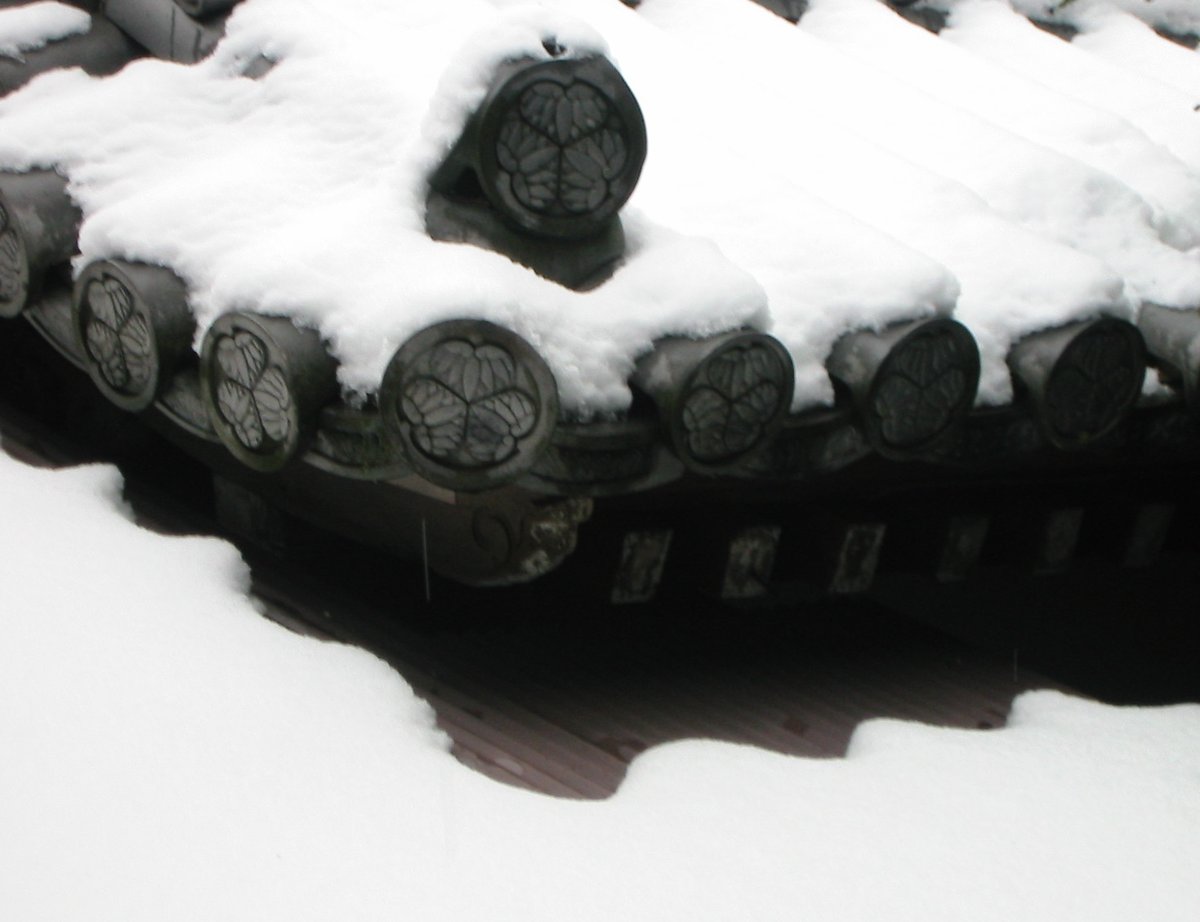
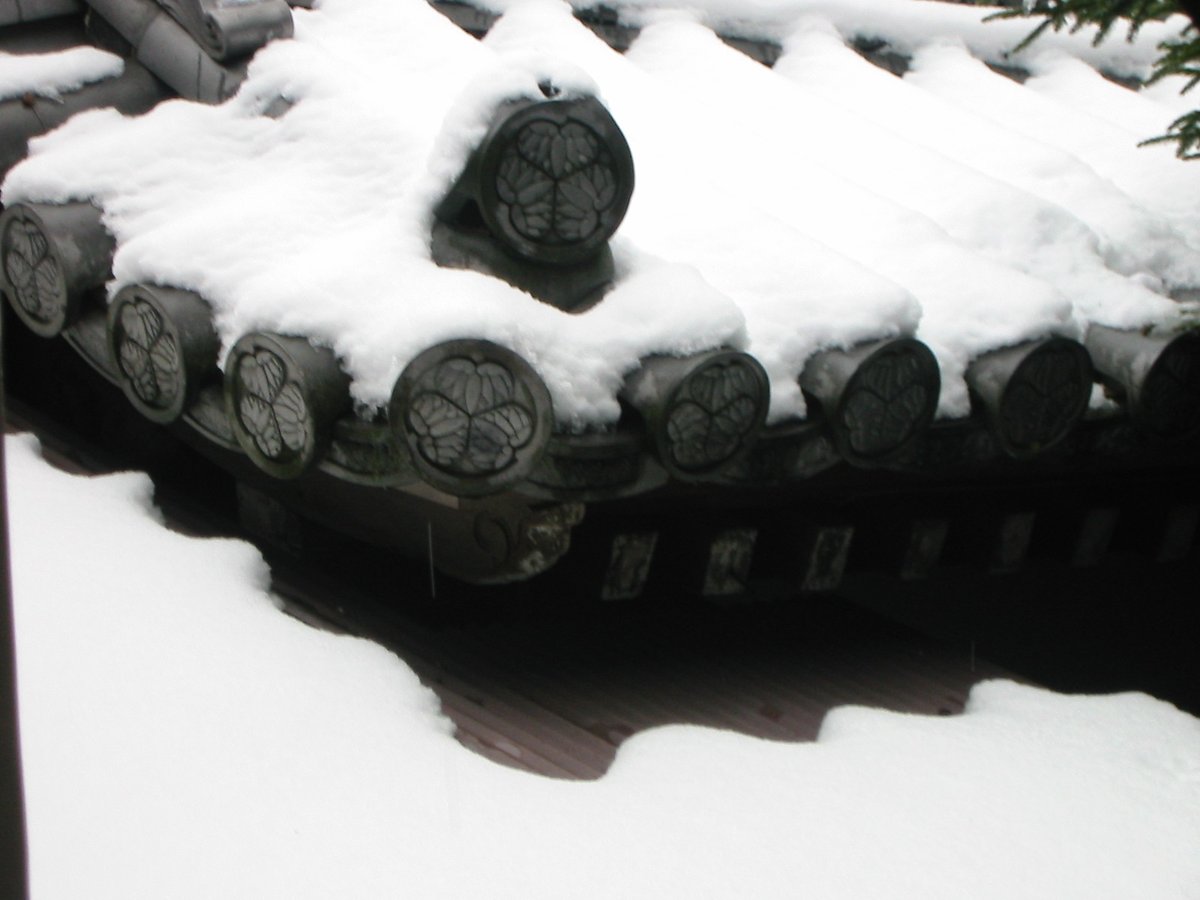
The temple was rebuilt in the 17th century with substantial support from the Tokugawa shogunate. This era saw the completion of the Sanmon Gate (1621) and the casting of the colossal temple bell (1636), both serving as enduring symbols of Chion-in’s prestige (Japan Travel).
Modern Era and Cultural Preservation
Chion-in’s resilience through the Meiji Restoration and World War II has allowed it to remain a vibrant center of religious practice, cultural events, and tourism. Its ongoing restoration projects and seasonal light-up events demonstrate a commitment to preserving its historical and spiritual legacy (Kanpai Japan).
Essential Visitor Information
Visiting Hours
- Temple Grounds: 6:00 AM – 5:00 PM (last entry 4:30 PM)
- Reception & Ticket Office: 9:00 AM – 4:00 PM
- Hours may vary during special events or maintenance; always check the official website before visiting.
Tickets and Admission
- Grounds Admission: Free
- Main Hall / Gardens: ~500–600 yen for adults, 300 yen for children; discounts for students and groups
- Purchasing: Tickets can be bought onsite or online via official and authorized travel platforms.
Accessibility
- Wheelchair-accessible paths cover most main areas, though some historic structures and gardens may be less navigable. Assistance is available on request.
Travel Tips
- Visit early morning or late afternoon for quieter experiences.
- Wear comfortable footwear for extensive walking and stone staircases.
- Photography is permitted outdoors but may be restricted indoors.
- Guided tours in English and other languages are available with advance booking.
Architectural and Spiritual Highlights
Sanmon Gate: Monumental Entrance
Standing over 24 meters high and 50 meters wide, the Sanmon Gate is the largest wooden temple gate in Japan and a registered National Treasure. Its three-entrance design and intricate carvings symbolize Buddhist ideals and mark the transition from the secular world into the sacred (teachtranslatetravelrepeat.com).
Main Hall (Mieido) and Amidado
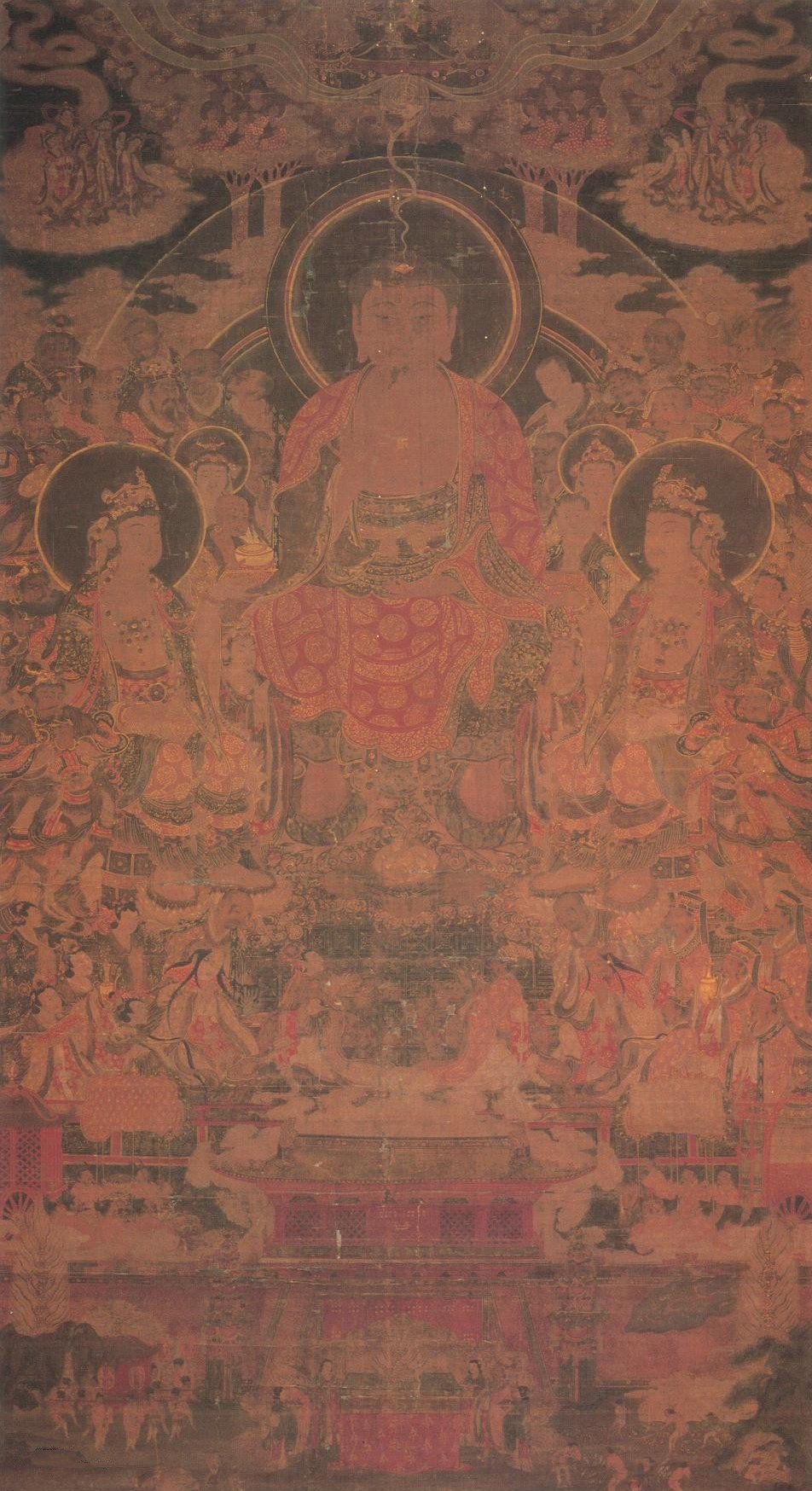
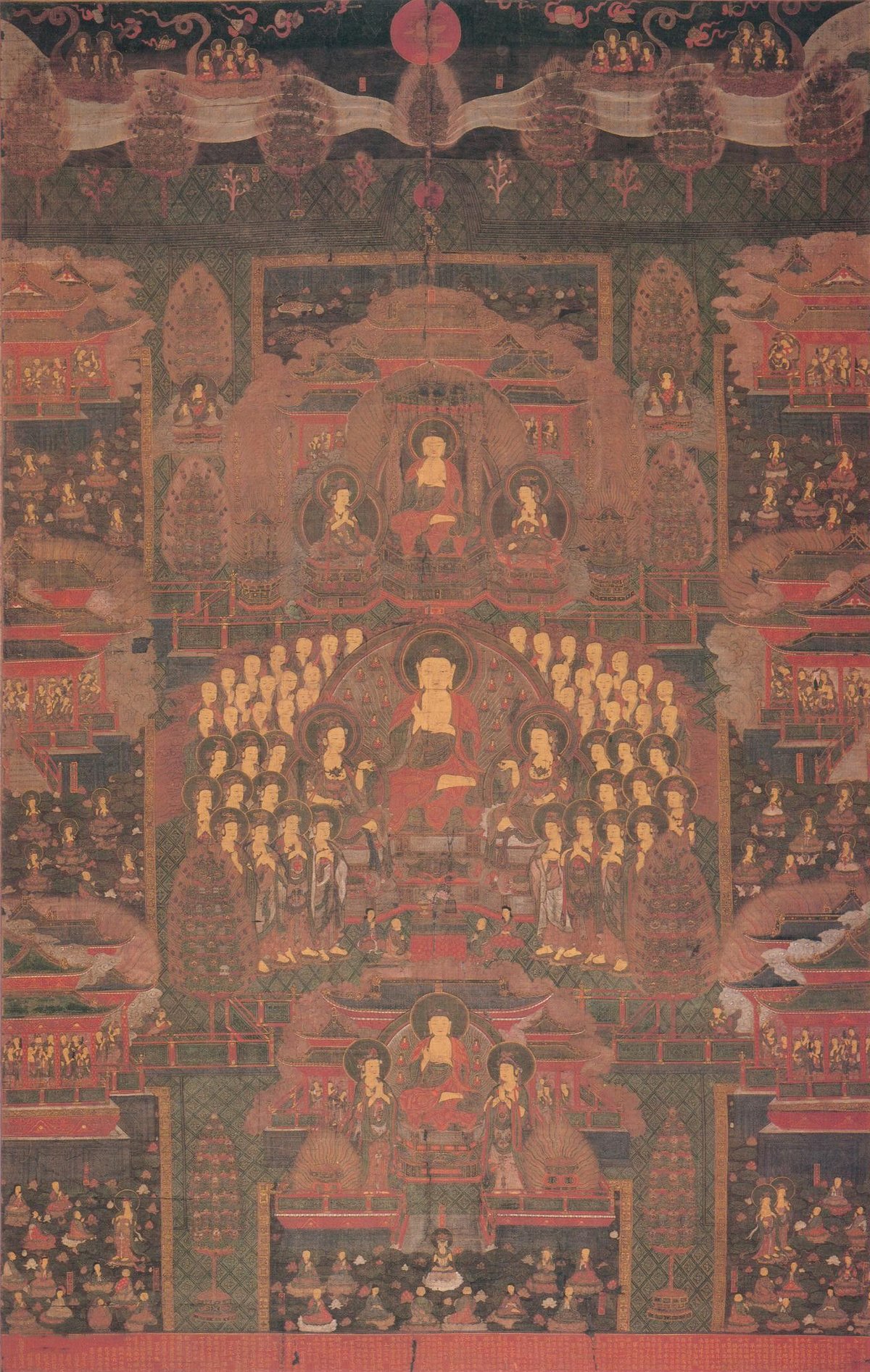
The Main Hall (Mieido) is one of Japan’s largest wooden structures, rebuilt in the 1800s and supported by ingenious “kanawa tsugi” joinery. It enshrines a statue of Amida Buddha and is richly decorated with Buddhist iconography. The adjacent Amidado Hall also houses an important Amida statue and is central to rituals and pilgrimages (teachtranslatetravelrepeat.com; triptojapan.com).
Gardens and Tea Houses
Chion-in’s gardens, including Hojo and Yuzen-en, are designed for contemplation and seasonal enjoyment, featuring ponds, bridges, and traditional tea houses where visitors can experience Japanese tea ceremonies (teachtranslatetravelrepeat.com).
Cultural Activities
The temple grounds host performances of gagaku (court music) and kagura (sacred dance), and the on-site museum displays Buddhist artifacts and artworks. Seasonal events include illuminated garden evenings and flower arrangement displays.
Special Events and Seasonal Highlights
- New Year’s Eve Bell Ringing (Joya no Kane): Experience the profound ritual of ringing the 74-ton bell 108 times to symbolically cleanse worldly desires (Magical Trip).
- Zendō-ki (June), Obon (July), and Tanabata (July): Participate in Buddhist memorial services, lantern festivals, and traditional rituals (Chion-In Official).
- Cherry Blossom and Autumn Foliage Seasons: Witness the temple gardens in full bloom or ablaze with color; these are the most popular and scenic times to visit (Touropia).
Nearby Attractions
- Maruyama Park: Famed for cherry blossoms.
- Yasaka Shrine: Center of the Gion Festival.
- Gion District: Historic geisha quarter with traditional teahouses.
- Shoren-in and Kiyomizudera Temples: Other significant Kyoto sites within walking distance.
Frequently Asked Questions (FAQ)
Q: What are Chion-in’s visiting hours?
A: Temple grounds are generally open from 6:00 AM to 5:00 PM (last entry 4:30 PM). Reception and ticket offices operate from 9:00 AM to 4:00 PM. Confirm on the official website for updates.
Q: How much is admission?
A: Entry to the grounds is free; buildings and gardens usually cost 500–600 yen (adults), 300 yen (children).
Q: Can I purchase tickets online?
A: Yes, via the official website and authorized travel sites.
Q: Is Chion-in wheelchair accessible?
A: Most main areas are accessible, though some parts involve stairs.
Q: Are there photography restrictions?
A: Photography is allowed in outdoor areas but is restricted in certain halls.
Q: Are guided tours available?
A: Yes, in multiple languages; advance booking is recommended.
Q: Can I join temple rituals?
A: Visitors may observe and occasionally participate in chanting or meditation (please follow etiquette guidelines).
Practical Tips
- Dress modestly and be prepared to remove shoes before entering temple halls.
- Transportation: From Kyoto Station, take buses 5, 100, or 206, or the Tozai subway line to Higashiyama Station.
- Facilities: Restrooms, souvenir shops, and refreshments are available onsite.
- Combine visits: Maruyama Park, Gion, and Yasaka Shrine are within walking distance.
Virtual Tour of Chion-In – Explore the temple grounds online before your visit.
Summary and Final Tips
Chion-in Temple is a living monument to Japan’s religious, architectural, and cultural heritage. From its origins in the 12th century to its vibrant contemporary rituals, Chion-in offers an immersive experience of Kyoto’s spiritual landscape. To maximize your visit:
- Check official updates for the latest on hours and events.
- Time your trip for cherry blossom or autumn foliage seasons for peak beauty.
- Use the Audiala app for self-guided tours and insider tips.
- Combine your visit with nearby attractions for a full day of Kyoto exploration.
Whether you seek spiritual insight, architectural wonder, or tranquil beauty, Chion-in Temple stands ready to welcome you.
Listen to the full story in the app
The whole Chion-In,
told well.
Audio guides for 1,100+ cities across 96 countries. History, stories, and local insight — offline ready.
Verified, and shown.
Researched and written by the Audiala editorial team from historical records, architectural archives, and local expertise.
Researched from Wikidata, Wikipedia & official sources · fact-checked · How we make our guides →