Pre-Heian Era
science
300 BCE
Rice Farmers Reach the Basin
Yayoi settlers cleared forests along the Katsura River and planted the first wet-rice fields in the Yamashiro Basin. Bronze bells rang across the floodplain at harvest. The river gave life and took it in equal measure every monsoon season.
gavel
740 CE
Emperor Shomu Flees to Kuni-kyo
Plague and rebellion drove Emperor Shomu from Nara. He briefly planted his court at Kuni-kyo, inside modern Kizugawa. The move lasted four years. It proved the basin could shelter power when the old capital grew too dangerous.
Heian Era
castle
794
Kanmu Builds Heian-kyo
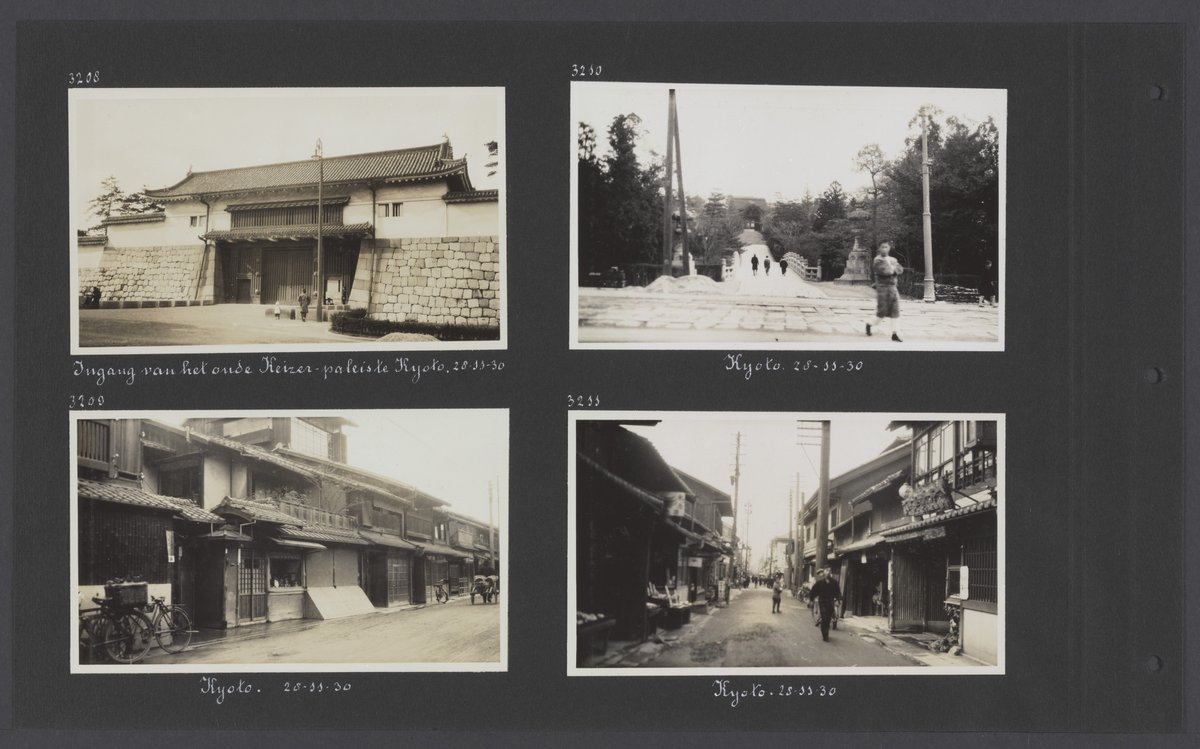
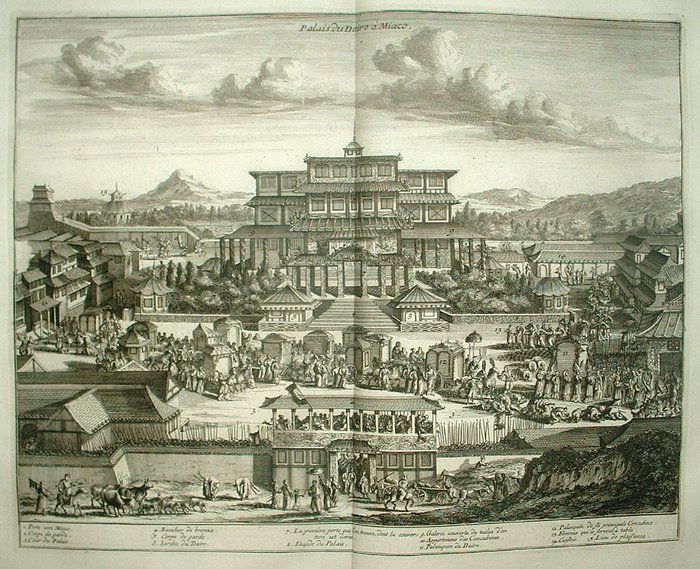
Emperor Kanmu ordered the capital moved from Nagaoka-kyo to a new grid laid out on the model of Chang'an. Carpenters finished the imperial palace in under a year. The city smelled of fresh cypress and wet plaster. Kyoto as we know it began that autumn.
palette
905
Kokin Wakashu Compiled
Poets finished the first imperial anthology of waka. The verses captured seasonal change with surgical precision. Courtiers recited them in candlelit rooms while the Kamo River murmured outside. Japanese literature found its voice here.
person
c. 1008
Murasaki Shikibu Finishes Genji
While serving at court, Murasaki Shikibu completed the world's first novel. She wrote about love, politics, and the slow decay of Heian elegance inside rooms that still exist behind the Kyoto Imperial Palace. The city has never stopped reading her.
church
1053
Byodoin Phoenix Hall Rises
Fujiwara no Yorimichi completed the Phoenix Hall at Byodoin in Uji. The building appears to float above its reflecting pond. When the setting sun hits the gilded statue of Amida inside, the effect is so perfect that people still catch their breath.
Medieval Era
swords
1156
Hogen Rebellion Tears the Court
Samurai entered the capital for the first time as decisive players. Fires lit the sky above the palace. The smell of burning cedar lingered for weeks. Warrior power had arrived and would never leave.
person
1185
Taira no Kiyomori's Fall
The first samurai to rule from Kyoto died of fever. His clan's defeat at Dan-no-ura ended Heian courtly life. The city shifted from silk robes to armor. Nothing felt the same afterward.
gavel
1338
Ashikaga Shogunate Claims Kyoto
Ashikaga Takauji established his military government inside the old capital. The city became theater for rival northern and southern courts. Power now wore swords instead of silk.
person
1397
Ashikaga Yoshimitsu Builds Kinkaku-ji
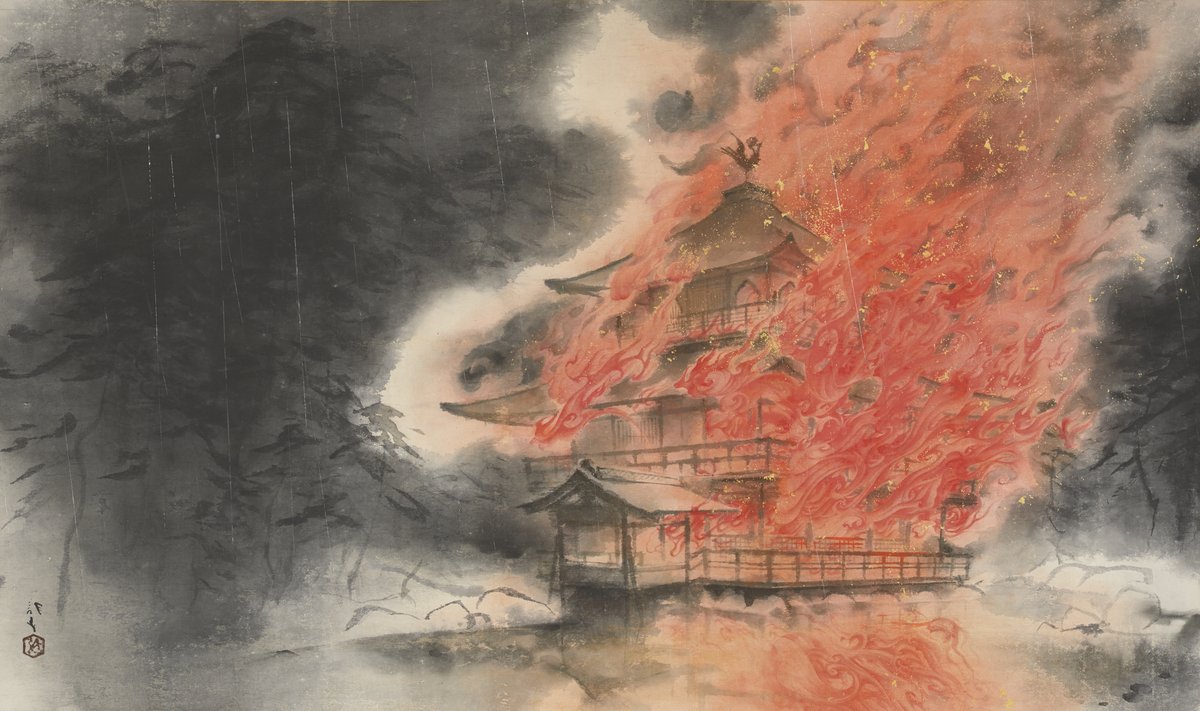
The third Ashikaga shogun covered an entire pavilion in gold leaf on the edge of Kyoto. He used it to receive envoys and contemplate power. Even after centuries the building still glares like a mirage at sunset.
swords
1467
Onin War Burns Kyoto
Eleven years of street fighting reduced much of the city to ash. Armies fought across what is now downtown shopping districts. When the smoke cleared, central authority had vanished. The Sengoku period began in the ruins.
Azuchi-Momoyama Era
local_fire_department
1582
Nobunaga Dies at Honno-ji
Oda Nobunaga was betrayed and forced to commit suicide inside Honno-ji temple. The flames consumed both the warlord and centuries of temple records. A young Toyotomi Hideyoshi heard the news and turned his army around within hours.
Edo Period
castle
1603
Tokugawa Completes Nijo Castle
Ieyasu built a heavily fortified residence complete with nightingale floors that sang under intruders' feet. The shoguns would use it to control the emperor from a safe distance. Power now slept behind painted screens and hidden doors.
local_fire_department
1788
Great Fire Destroys Kyoto
The Tenmei Conflagration consumed ninety percent of the city in four days. Sparks jumped the Kamo River. Residents watched their wooden homes disappear in walls of flame. Reconstruction took decades.
Meiji Era
gavel
1868
Emperor Moves to Tokyo
The young Emperor Meiji left Kyoto for the new capital. The city that had been Japan's heart for a thousand years suddenly became a provincial backwater. Many believed Kyoto would simply fade away.
church
1895
Heian Shrine Built for 1100th Anniversary
Kyoto constructed a bright vermilion shrine modeled on the first Heian Palace. The project gave work to thousands of displaced craftsmen. It announced that the old capital refused to die quietly.
Modern Era
person
1923
Genshitsu Sen Masters the Tea Bowl
The future 15th grand master of Urasenke was born into Kyoto's most famous tea family. He would later rebuild the tradition after wartime destruction, teaching that a single bowl of tea could still matter in a noisy world.
flight
1945
Kyoto Spared from Atomic Bomb
Secretary of War Henry Stimson remembered his honeymoon here in 1926. He crossed Kyoto off the target list. The decision saved the city but condemned others. Historians still argue about beauty's power to shape war.
church
1994
UNESCO Names 17 Sites World Heritage
Seventeen temples, shrines, and castles across Kyoto, Uji, and Otsu received protection. The listing brought millions of visitors and new pressure on the old wooden structures. Preservation and tourism began their uneasy dance.