Hiroshima’s Urban Growth and the Astram Line
Historical Context
Hiroshima’s history is marked by the devastation of the atomic bombing in 1945. The city’s remarkable rebirth is symbolized by landmarks such as the Peace Memorial Park and the Atomic Bomb Dome, which serve as reminders of both tragedy and hope (Travel + Leisure Asia). Urban planning in the postwar era emphasized accessibility, sustainability, and inclusivity, laying the foundation for modern infrastructure and transportation.
The Astram Line: Vision and Development
Rising population and expanding suburbs in the late 20th century revealed limitations in Hiroshima’s traditional streetcar system (City of Hiroshima). In response, city planners envisioned a high-capacity, accessible transit solution. The Astram Line—named from “asu” (tomorrow) and “tram”—was conceptualized in 1977 and launched in 1994, coinciding with the Asian Games (Jametro, MetroEasy).
Technical Highlights
- System Rubber-tired rapid transit
- Length 18.4 km (1.9 km underground, 16.5 km elevated)
- Stations 22, including Ōzuka
- Operation 5:30 AM – midnight, 6–10 minute intervals at peak
- Accessibility Elevators, tactile paving, braille signage, wheelchair spaces
- Tickets Purchase at automated machines or use IC cards (ICOCA, PASPY)
- Fares Approx. ¥170–¥410, based on distance (Jametro, Astram Line Official)
Ōzuka Station: Detailed Guide
Ōzuka Station (大塚駅, Ōzuka-eki) is located at 608-3, Ozuka, Numata-cho, Asaminami-ku, Hiroshima (Wikipedia). Opened in 1994, it played a vital role during the Asian Games and continues to support commuter flows between central Hiroshima and the growing suburbs.
Operating Hours and Ticketing
- Hours Daily, approx. 5:30 AM to midnight (aligns with Astram Line)
- Ticket Options
- Automated Machines Cash and IC cards (ICOCA, PASPY, Suica)
- Fares Hondōri to Ōzuka ~¥410 (as of 2025)
- Day Passes Available for unlimited travel within a day
- Special Event Tickets Offered during major events at nearby venues (Astram Line Official)
Accessibility and Facilities
- Platform Elevated island platform, serving two tracks; sheltered with bilingual signage
- Accessibility Elevators, escalators, barrier-free design, tactile guides, braille signage
- Restrooms Accessible, with emergency buttons and handrails
- Amenities Waiting areas, vending machines, public telephones, convenience stores nearby
- Security Surveillance cameras, regular staff patrols
Connectivity
Ōzuka Station offers seamless transfers to local bus routes, and the Astram Line connects to:
- Hondōri Station Interchange for Hiroshima’s streetcar network
- Shin-Hakushima Station Link to the JR Sanyo Line
No coin lockers are available at Ōzuka Station; use larger stations like Hiroshima Station for luggage storage (Hiroshima Train Station Left Luggage).
Attractions Near Ōzuka Station
Local Highlights
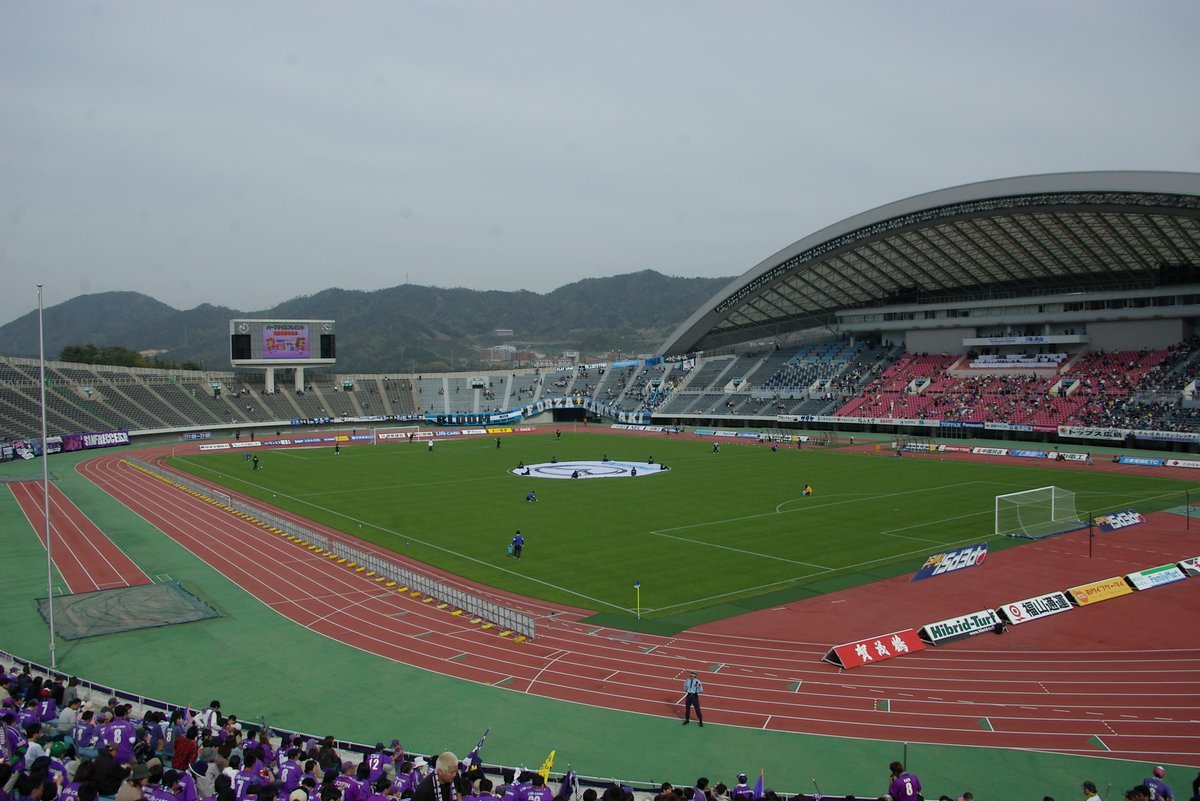
- Hiroshima Big Arch (Edion Stadium) Sports and music events, easily accessed via Astram Line
- Parks Green spaces for relaxation, reflecting Hiroshima’s focus on urban livability
- Dining & Shopping Supermarkets, izakaya, and local restaurants within walking distance
Notable Sites Accessible via Astram Line
- Peace Memorial Park & Museum Reachable via Astram Line and tram in 30–40 minutes
- Hiroshima Castle & Shukkeien Garden Reach downtown by Astram Line and transfer to tram (Dive! Hiroshima)
Family and Nature Attractions
- Asa Zoological Park 3 km north, bus or taxi access, 170+ animal species (Dive! Hiroshima)
- Hiroshima Botanical Garden 5 km southwest, local bus, 10,000+ plant species (Dive! Hiroshima)
- City Forest Park 6 km east, taxi or bike, hiking and cycling trails
Seasonal Events and Local Experiences
- Hiroshima Flower Festival (May) Parades and live music in Peace Memorial Park (Touropia)
- Peace Memorial Ceremony (August 6) Commemorative events (Japan Travel)
- Summer Fireworks (July–August) Firework displays along rivers and port (Japan Travel)
- Okonomiyaki Cooking Classes Experience Hiroshima’s culinary specialty
- Kagura Performances & Cycling Traditional dance and bike rentals for exploring the area
Practical Travel Tips
- Peak Hours Avoid 7:30–9:00 AM and 5:00–7:00 PM for less crowded journeys
- IC Card Use Recommended for seamless travel and minor fare discounts
- Cash & ATMs Some shops prefer cash; ATMs are nearby
- Etiquette Keep noise low, queue politely, respect priority seating, and dispose of trash responsibly
- Language Bilingual signage is common; translation apps may be helpful
Summary Table: Ōzuka Station Facilities
| Facility | Details |
|---|---|
| Ticket Machines | Cash & IC card compatible |
| Platform Type | One island platform, two tracks |
| Elevators/Escalators | Yes |
| Accessible Restrooms | Yes |
| Waiting Areas | Benches and sheltered zones |
| Vending Machines | Drinks & snacks |
| Bus Connections | Yes, adjacent to station |
| Taxi Stand | Nearby |
| Bicycle Parking | Yes |
| Luggage Lockers | Not available at station |
| Information Counter | Staffed during peak hours |
| Multilingual Signage | Japanese and English |
FAQ
Q: What are the operating hours of Ōzuka Station?
A: Approximately 5:30 AM to midnight daily.
Q: How do I purchase tickets at Ōzuka Station?
A: Use automated machines accepting cash and IC cards; staff are available for assistance.
Q: Is Ōzuka Station wheelchair accessible?
A: Yes, with elevators, barrier-free pathways, and accessible restrooms.
Q: Are luggage storage options available?
A: Not at the station; use lockers at larger transit hubs.
Q: Can I connect to buses from Ōzuka Station?
A: Yes, bus stops are adjacent to the entrance.