Plan and listen to Higashi-Kōen with Audiala.
Audio guide in your pocket, itinerary in your browser. Built for the way you actually visit.
Introduction to Higashi-Kōen and Its Significance
Nestled in the heart of Fukuoka’s Hakata Ward, Higashi-Kōen (東公園) is a tranquil urban oasis steeped in historical and cultural importance. The park is celebrated not only for its lush gardens and seasonal floral displays but also as a site commemorating pivotal moments in Japanese history—most notably, the Mongol invasions of the 13th century. Monuments such as the Statue of Emperor Kameyama, the Mongolian Invasion Museum, and several samurai memorials offer a blend of educational, reflective, and recreational experiences.
With free daily admission and proximity to major transit hubs like JR Hakata Station and Chiyo-Kenchōguchi Subway Station, Higashi-Kōen is accessible to both locals and international visitors. Thoughtful design ensures wheelchair accessibility and amenities for all. The park harmoniously integrates with nearby attractions, including Hakozaki Shrine, Fukuoka Castle Ruins, and Canal City Hakata, making it an essential stop for those exploring Fukuoka’s rich heritage and vibrant city life.
This comprehensive guide provides essential details on visiting hours, ticketing, park highlights, cultural events, and practical tips to help you make the most of your Higashi-Kōen visit. For updates, consult official Fukuoka tourism resources (gofukuoka.jp, Japan Guide).
- Discover Higashi-Kōen: A Historic Gem in Fukuoka
- Origins and Historical Context
- Key Monuments and Memorials
- Visitor Information: Tickets, Hours, and Access
- Cultural Significance and Community Role
- Events, Traditions, and Seasonal Highlights
- Main Attractions and Nearby Sights
- Suggested Itineraries
- Practical Tips and FAQs
- Conclusion and Visitor Tips
- Useful Links and Further Reading
Discover Higashi-Kōen: A Historic Gem in Fukuoka
Higashi-Kōen offers more than just a scenic urban park—it provides a journey through Japanese history. As the site of key defensive actions during the Mongol invasions, its monuments, shrines, and museum exhibits offer valuable insights into Fukuoka’s resilience and cultural heritage.
Origins and Historical Context
Higashi-Kōen is located on ground that witnessed the dramatic Bun'ei Invasion of 1274, when the Mongol Yuan dynasty attempted to conquer Japan. The park’s monuments and museum highlight the Genkō (元寇) period, Japan’s samurai defense, and the famous “kamikaze” typhoons that thwarted the invaders (gofukuoka.jp).
Key Monuments and Memorials
Statue of Emperor Kameyama
This bronze statue, crafted by Yamazaki Chōun, honors the emperor who reigned during the Mongol invasions. The inscription “the enemy has surrendered,” penned by Arisugawanomiya Taruhito, symbolizes victory and resilience.
Statue of Nichiren
This monument pays tribute to the influential Buddhist monk Nichiren, whose prayers during the Mongol threat symbolize Japan’s spiritual strength.
Mongolian Invasion Museum
The museum within the park offers detailed exhibits: samurai armor, period maps, and scale models of the Mongol fleet, providing context to the era’s impact (gofukuoka.jp).
Toka-Ebisu Shrine
Dedicated to Ebisu, the Shinto god of prosperity, this shrine remains central to local festivals and community traditions.
Fukuoka Gokoku Shrine
A Shinto shrine established to honor war dead from Fukuoka Prefecture, the Gokoku Shrine is a focal point for ceremonies such as Shōwa Day and the Mitama Festival, when thousands of lanterns are lit (Japan Talk).
Visitor Information: Tickets, Hours, and Access
- Park Hours: Daily, 6:00 AM–10:00 PM (some sources may list 9:00 PM as closing; check local info).
- Museum Hours: 9:00 AM–5:00 PM, Tuesday–Sunday (closed Mondays and public holidays).
- Admission: Park entry is free; Mongolian Invasion Museum charges 300 yen (adults), 150 yen (children), with discounts for groups/seniors.
- Access: 10-minute walk from JR Hakata Station or 4-minute walk from Chiyo-Kenchōguchi Subway Station. Multiple bus routes serve nearby stops.
- Accessibility: Wheelchair-accessible paths, ramps, and accessible restrooms throughout the park.
Cultural Significance and Community Role
Higashi-Kōen is a symbol of Fukuoka’s resilience and a vibrant community hub. It provides educational opportunities through museum programs and school visits, and serves as a gathering place for seasonal festivals, cherry blossom viewing, and peaceful recreation.
Events, Traditions, and Seasonal Highlights
Annual Festivals & Events
- Toka-Ebisu Festival: Held each January at the Toka-Ebisu Shrine, drawing crowds seeking prosperity.
- Mitama Festival: Thousands of lanterns are lit at Gokoku Shrine each summer in honor of ancestral spirits (Crossroad Fukuoka).
- Hanami Season: Late March to early April, the park becomes a prime cherry blossom viewing spot (PlanetWare).
- Seasonal Flower Displays: Azaleas, camellias (spring), hydrangeas (summer), and autumn foliage create vibrant scenery year-round (Go Fukuoka).
Main Attractions and Nearby Sights
Inside Higashi-Kōen
- Statue of Emperor Kameyama: A centerpiece of historical commemoration.
- Fukuoka Gokoku Shrine: Notable for its torii gate and Mitama Festival.
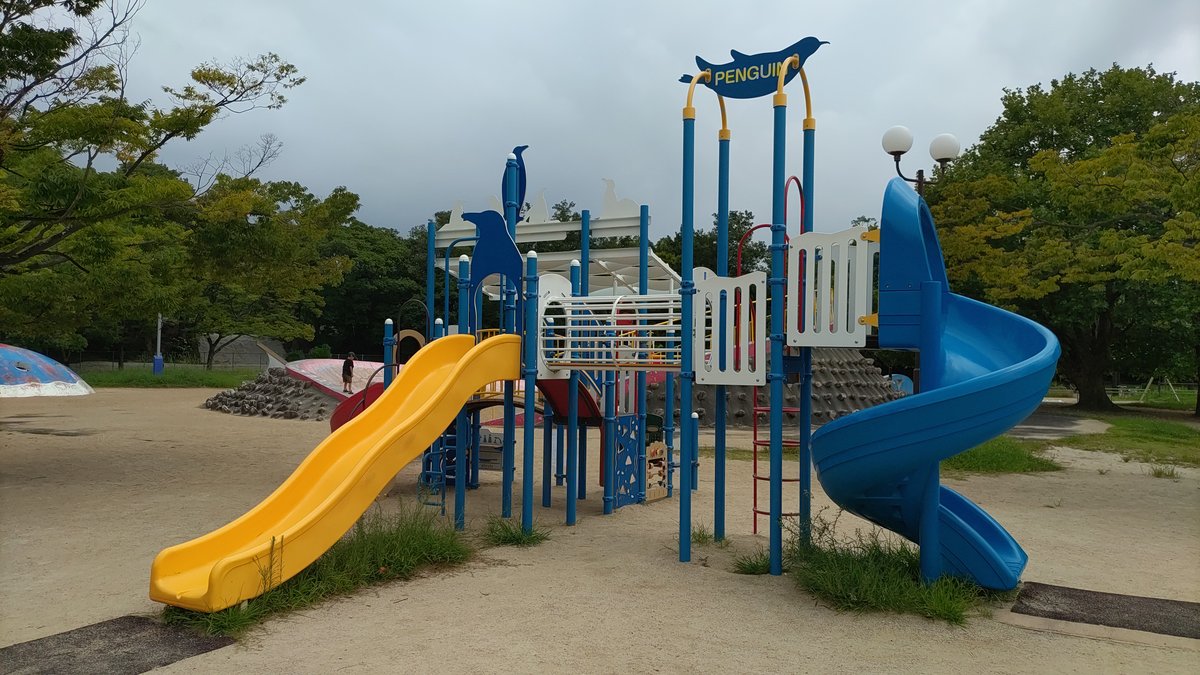
- Children’s Playground & Open Spaces: Family-friendly facilities and lawns for relaxation.
- Walking Trails: Accessible paths meander through groves and gardens.
- Wisteria Trellises: Stunning blooms in late April–early May.
- Mongolian Invasion Museum: For deeper historical context.
Nearby Attractions
- Hakozaki Shrine: Historic Shinto shrine renowned for the Hojoya Festival (Japan Experience).
- Uminonakamichi Seaside Park: Extensive recreational grounds, flower gardens, and a zoo (Japan Guide).
- Fukuoka Castle Ruins & Maizuru Park: Remnants of Kyushu’s largest castle and scenic cherry blossoms (Matcha Japan).
- Ohori Park: Large pond, Japanese gardens, and Fukuoka Art Museum (Hey Roseanne).
- Kushida Shrine: Site of the celebrated Hakata Gion Yamakasa festival (Over Your Place).
- Canal City Hakata: Shopping and entertainment complex (Klook).
- Hakata Old Town: Traditional merchant houses and temples (Fukuoka Heritage Week).
- Fukuoka Tower: City and bay views from Japan’s tallest seaside tower (Hey Roseanne).
- Yatai Food Stalls: Experience Fukuoka’s famous street food (Living Nomads).
Suggested Itineraries
Half-Day
- Morning: Explore Higashi-Kōen, its gardens, and statues.
- Late Morning: Walk to Hakozaki Shrine.
- Lunch: Try a local restaurant or Hakata’s food stalls.
Full-Day
- Morning: Higashi-Kōen and Mongolian Invasion Museum.
- Afternoon: Uminonakamichi Seaside Park or Maizuru Park and Fukuoka Castle Ruins.
- Evening: Canal City Hakata or yatai food stalls.
Two-Day
- Day 1: Higashi-Kōen, Hakozaki Shrine, Ohori Park, and Canal City Hakata.
- Day 2: Hakata Old Town, Fukuoka Tower, and Momochi Seaside Park.
Practical Tips and FAQs
Facilities and Amenities
- Restrooms: Clean and well-maintained throughout the park.
- Seating & Picnic Areas: Benches and lawns are ideal for picnics.
- Vending Machines: Drinks and snacks available.
- Wi-Fi: Free public Wi-Fi in select areas.
Accessibility
- Paths: Paved and mostly flat—wheelchair and stroller-friendly.
- Nearby Subway Stations: Elevator access.
Food and Refreshments
- Bring Your Own: Picnics are popular, especially during hanami.
- Nearby Cafés & Stores: Ample options just outside park entrances.
Safety and Etiquette
- Cleanliness: Use trash bins; carry out your waste if bins are full.
- Noise: Low noise levels are expected.
- Pets: Dogs allowed on leashes; owners must clean up.
- Photography: Generally allowed; avoid photographing religious ceremonies or worshippers without permission.
When to Visit
- Best Seasons: Spring (cherry blossoms, wisteria), Autumn (foliage), Summer (festivals).
- Early Mornings: Peaceful atmosphere for walks and tai chi.
- Evenings: Seasonal illuminations during festivals.
Frequently Asked Questions
Q: What are Higashi-Kōen’s hours?
A: Open daily from 6:00 AM to 10:00 PM (some sources state 9:00 PM; check locally).
Q: Is there an admission fee?
A: Park entry is free; Mongolian Invasion Museum is 300 yen for adults.
Q: Is the park wheelchair accessible?
A: Yes, most paths and restrooms are accessible.
Q: Are guided tours available?
A: The museum offers guided tours; local tour companies may include the park in historical walks.
Q: Can I bring my dog?
A: Yes, on a leash; clean up after your pet.
Q: When is cherry blossom season?
A: Late March to early April.
Listen to the full story in the app
The whole Higashi-Kōen,
told well.
Audio guides for 1,100+ cities across 96 countries. History, stories, and local insight — offline ready.

Verified, and shown.
Researched and written by the Audiala editorial team from historical records, architectural archives, and local expertise.
Researched from Wikidata, Wikipedia & official sources · fact-checked · How we make our guides →