Plan and listen to Genkō Bōrui with Audiala.
Audio guide in your pocket, itinerary in your browser. Built for the way you actually visit.
Introduction: The Legacy of Genkō Bōrui
Overlooking the scenic coastline of Hakata Bay in Fukuoka, Japan, the Genkō Bōrui is one of the country's most significant medieval fortifications. Constructed in the late 13th century in response to the looming threat of the Mongol invasions, this massive stone wall stands as a testament to Japan’s military ingenuity, communal effort, and enduring spirit. Today, the Genkō Bōrui not only offers visitors a tangible link to the past but also serves as a cultural landmark rich in educational and scenic value.
Whether you're a history enthusiast, cultural traveler, or casual sightseer, this comprehensive guide will help you explore the Genkō Bōrui, outlining its historical importance, visiting hours, ticketing information, accessibility, nearby attractions, and practical travel tips. For up-to-date details and planning, consult resources such as the Japan National Tourism Organization and Everything Explained Today.
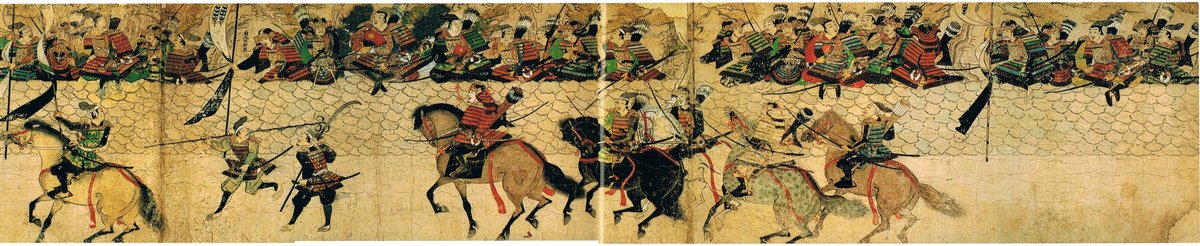
In the 13th century, the archipelago of Japan faced an unprecedented challenge with the Mongol invasions of 1274 and 1281, orchestrated by Kublai Khan of the Yuan dynasty. Following failed diplomatic negotiations, Mongol forces landed at Hakata Bay, utilizing advanced weaponry and tactics unfamiliar to the Japanese defenders. After suffering heavy losses in the first invasion, the Kamakura shogunate authorized the construction of the Genkō Bōrui—an extensive coastal defensive wall—to protect against further invasions (Everything Explained Today).

Construction and Engineering: Structure and Materials
Layout and Design
The Genkō Bōrui extended roughly 20 kilometers along Hakata Bay, from Imazu in Nishi-ku to Kashii in Higashi-ku, Fukuoka (Everything Explained Today). In some accounts, similar defenses spanned up to 40–50 kilometers, with remnants in Nagasaki Prefecture. The wall typically stood about 2 meters high and wide, featuring a steep seaside face to hinder enemy scaling and a less steep interior for ease of defense and maintenance.
Construction Techniques
The wall was engineered as a sand and earth dike, its core reinforced with small stones and its exterior faced with larger stones to withstand both erosion and assault. Wooden stakes were driven into the shallow waters offshore to disrupt incoming ships. Shields and banners adorned the wall, serving defensive and organizational functions (Everything Explained Today).
Funding and Labor
The construction was a communal effort, involving samurai, temples, and local populations. Funding was secured via a unique taxation system, with landholders contributing stones in proportion to their rice yields.
Role in Japanese Defense and the Mongol Invasions
By the time of the second Mongol invasion in 1281, the Genkō Bōrui proved pivotal in Japan’s defense. The wall forced Mongol ships to anchor farther offshore, reducing their ability to mount direct assaults. Combined with fierce resistance and the legendary "kamikaze" typhoons, the fortifications helped secure Japan’s independence and are emblematic of the country’s resilience (Japan Guide).
Archaeological Discoveries and Preservation Efforts
Excavations at sites like Imazu and Iki no Matsubara have revealed human remains, ceramics, and artifacts indicative of large-scale communal construction. While much of the wall was dismantled in later centuries, several key sections survive and have been designated as National Historic Sites since 1931. These areas are now protected for ongoing research and public education (Everything Explained Today).
Modern Recognition and Surviving Sections
The term "Genkō Bōrui" gained popularity in the 20th century to highlight its historical role. Today, preserved stretches in areas such as:
- Iki no Matsubara: Nearly 200 meters long and over 2 meters high, providing a vivid impression of the original defenses.
- Imazu: Featuring ruins and archaeological finds.
- Sawara Ward: Now inland due to shoreline changes, but still accessible and under preservation.
Interpretive panels and small museums enhance the visitor experience with English and Japanese explanations.
Visiting Information: Hours, Tickets, and Accessibility
Visiting Hours
- Outdoor Wall: Accessible year-round, 24 hours a day.
- Museums/Interpretive Centers: Generally open from 9:00 AM to 5:00 PM, with last entry at 4:30 PM. Hours may vary on holidays.
Tickets
- Stone Wall: Free to visit.
- Museums: Admission fees typically under 500 yen. Check current prices before visiting (Fukuoka City Museum).
Accessibility
- Paths: Most areas have paved or well-maintained paths, but some sections remain uneven. Wheelchair access is available in main areas, though some historic sections may be difficult to navigate.
- Facilities: English signage and brochures are provided, and some guided tours are available in English.
Nearby Attractions and Travel Tips
- Shikanoshima Island: Connected by a causeway, known for beaches, seafood, and the Gold Seal discovery site (Japan Guide).
- Fukuoka Castle Ruins, Ohori Park, Hakata Machiya Folk Museum: All easily accessible from Genkō Bōrui.
- Fukuoka Cuisine: Enjoy local specialties such as Hakata ramen and yatai street food.
- Accommodation: Options range from hostels to luxury hotels near Hakata Station.
- Transportation: Efficient bus and train connections from Hakata Station. Parking is available for car travelers (Fukuoka City).
Special Events, Guided Tours, and Photography
- Guided Tours: Offered seasonally by local museums and historical societies; check the official tourism website for details.
- Photographic Spots: Early morning and late afternoon provide excellent light for photos, especially with the bay as a backdrop.
- Educational Events: School visits, lectures, and reenactments are occasionally held, especially during cultural festivals.
Frequently Asked Questions (FAQ)
Q: What are the Genkō Bōrui visiting hours?
A: Outdoor sections are accessible 24 hours a day year-round. Museums are typically open 9:00 AM–5:00 PM.
Q: Is there an admission fee?
A: The wall itself is free to visit. Museum admission is usually under 500 yen.
Q: How do I get to Genkō Bōrui?
A: From Hakata Station, take the JR Kagoshima Main Line to Kashii, transfer to the JR Kashii Line to Najima, then walk. Buses are also available.
Q: Are guided tours available?
A: Yes, through local museums and tour operators. English tours may be available—check in advance.
Q: Is the site wheelchair accessible?
A: Main paths and museum areas are accessible, but some historic sections may be uneven.
Summary of Key Points and Visitor Recommendations
Genkō Bōrui is a must-visit for anyone interested in Japanese history, military architecture, or cultural heritage. The preserved stone wall and its accompanying museums provide a unique window into the ingenuity and communal spirit of 13th-century Japan. With free access to the outdoor ruins, modest museum fees, and convenient transport links, visitors can easily include Genkō Bōrui in their Fukuoka itinerary. Enhance your experience by exploring nearby attractions, participating in guided tours, and sampling local cuisine.
For the latest updates on visiting hours, tickets, and special events, consult official resources such as the Fukuoka City Museum and Fukuoka City Tourism. Consider downloading travel apps like Audiala for personalized recommendations and event updates.
Genkō Bōrui stands as a powerful symbol of Japan’s resilience, inviting visitors to explore, learn, and reflect on the historical forces that shaped the nation’s past and continue to inspire its present (Japan Guide, Everything Explained Today).
Listen to the full story in the app
The whole Genkō Bōrui,
told well.
Audio guides for 1,100+ cities across 96 countries. History, stories, and local insight — offline ready.
Verified, and shown.
Researched and written by the Audiala editorial team from historical records, architectural archives, and local expertise.
Researched from Wikidata, Wikipedia & official sources · fact-checked · How we make our guides →