Plan and listen to Fukuoka Kyudenkinen Gymnasium with Audiala.
Audio guide in your pocket, itinerary in your browser. Built for the way you actually visit.
Introduction
Located in the heart of Fukuoka City, the Fukuoka Kyudenkinen Gymnasium is a landmark that blends postwar resilience, community spirit, and rich sporting tradition. Opened in 1964 to commemorate Kyushu Electric Power Company's contributions to regional modernization, it has since evolved into a major venue for traditional Japanese sports, modern athletic events, cultural festivals, and community gatherings. This comprehensive guide covers the gymnasium’s history, architectural highlights, visitor information, and surrounding attractions, ensuring you make the most of your visit (Fukuoka Now, Fukuoka Convention & Visitors Bureau, The Crazy Tourist).

History and Architecture
Origins and Construction:
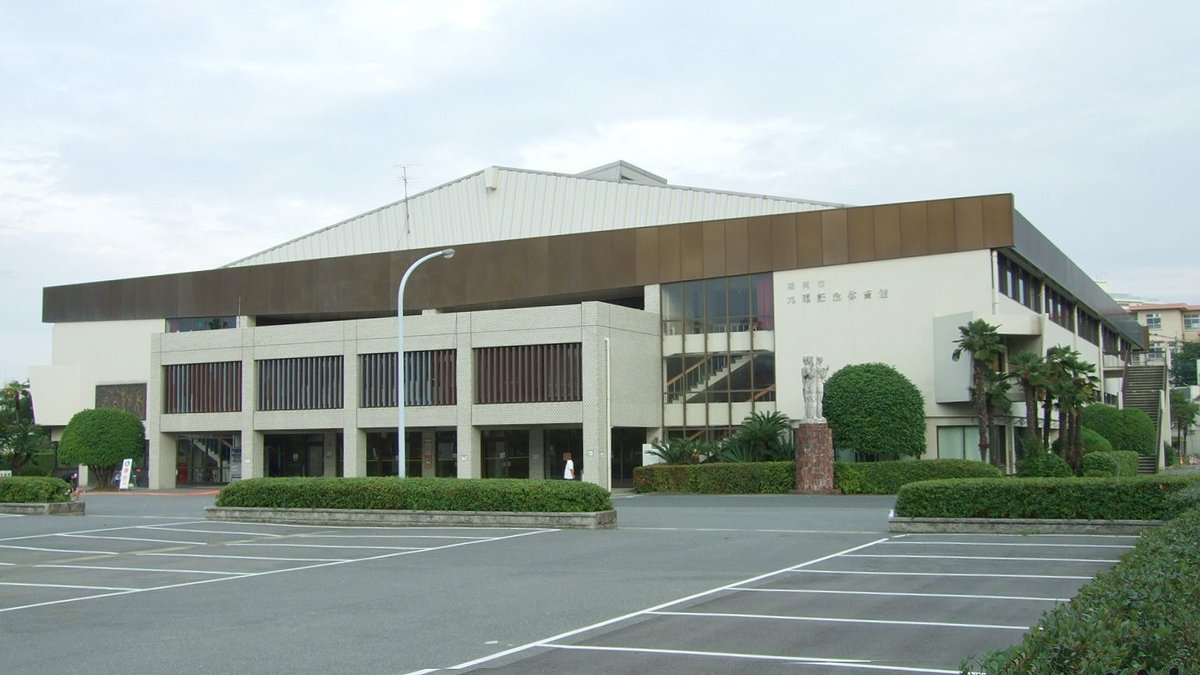
The Fukuoka Kyudenkinen Gymnasium was established in 1964 by Kyushu Electric Power Company (Kyuden) to commemorate its 50th anniversary. Its creation paralleled Japan’s rapid postwar growth and the 1964 Tokyo Olympics, reflecting an era of modernization and urban development. The gymnasium’s architecture is a prime example of 1960s Japanese modernism, emphasizing clean lines, reinforced concrete, and multipurpose design.
Transition to Public Ownership:
Originally operated by Kyuden, the gymnasium was transferred to the City of Fukuoka in 2003, integrating it into the city’s network of public sports and cultural venues. This move expanded access and reinforced its role as a civic landmark.
Gymnasium Features and Facilities
Main Arena and Capacity:
The central arena seats approximately 2,372 spectators (1,992 seated, 380 standing), with configurations that can accommodate up to 5,000 for major events. Its adaptable layout supports a wide range of activities, from basketball and volleyball to sumo, judo, kendo, and concerts.
Support Facilities:
- Sub-arenas and martial arts dojos with traditional tatami mats
- Modern training rooms with fitness equipment
- Locker rooms, showers, and athlete preparation spaces
- Concession stands and vending machines during events
- Multipurpose studios for dance, yoga, and community activities
Accessibility:
The gymnasium is committed to universal design, featuring ramps, elevators, tactile paving, accessible restrooms, and designated seating for wheelchair users.
Sustainability:
Recent upgrades include energy-efficient lighting, solar panels, rainwater harvesting, and green landscaping, reflecting Fukuoka’s focus on sustainable urban development (Japan Meetings).
Visiting Hours & Ticket Information
Visiting Hours:
- Generally open 9:00 AM to 9:00 PM daily
- Hours may vary for special events, holidays, or maintenance
- Always verify the latest hours on the official website
Tickets:
- Admission fees depend on the event; many community activities are free, while major tournaments and concerts require tickets
- Tickets can be purchased online, at the venue box office, or through authorized vendors (including Lawson and FamilyMart convenience stores)
- For Kyushu Grand Sumo Tournament tickets, prices range from approximately ¥3,000 (general admission) to ¥10,000+ (ringside/premium)
Accessibility & Visitor Tips
- Wheelchair accessible: Ramps, elevators, and accessible seating throughout
- Arrive early during major events for best seating and parking
- Wear comfortable shoes; the facility is large and may involve significant walking
- Photography: Permitted in public areas except where event-specific restrictions apply
- Food and drink: Outside food not usually allowed, but event concessions include local snacks and beverages
- Souvenirs: Official merchandise and local crafts available during major events
Getting There
Address:
2-1-1 Jigyohama, Chuo-ku, Fukuoka-shi, Fukuoka 810-0065, Japan
Access:
- Subway: 10-minute walk from Tojinmachi Station (Fukuoka City Subway Kuko Line)
- Bus: Multiple lines stop nearby
- Car: Limited parking available; public transportation is recommended during major events
Special Events & Cultural Significance
Kyushu Grand Sumo Tournament:
Held every November, this is one of the most anticipated sumo events in Japan, drawing thousands of fans and transforming the city’s atmosphere (Fukuoka Convention & Visitors Bureau). Traditional rituals such as the ring-entering ceremony and salt purification are highlights.
Martial Arts, Sports, and Festivals:
The gymnasium hosts national and local tournaments in judo, kendo, karate, basketball, volleyball, and more. Cultural festivals and concerts reflect Fukuoka’s vibrant social scene.
Community Role:
Beyond sports, the gymnasium serves as an emergency shelter, disaster relief site, and venue for public health campaigns—underscoring its importance as a community anchor.
Nearby Attractions
- Ohori Park: A scenic spot for walking, boating, and picnics
- Fukuoka Castle Ruins: Explore the city’s feudal past within Maizuru Park
- Hakata Machiya Folk Museum: Learn about Fukuoka’s traditional crafts and lifestyle
- Fukuoka Tower: Enjoy panoramic views of the city
- Nakasu District: Renowned for its nightlife, yatai food stalls, and entertainment
Visitor FAQ
Q: What are the gymnasium's standard visiting hours?
A: 9:00 AM to 9:00 PM, subject to change for special events. Always check the official website before your visit.
Q: How can I purchase tickets?
A: Tickets are available online, at the venue, or through convenience stores like Lawson and FamilyMart. Some events offer free admission.
Q: Is the facility wheelchair accessible?
A: Yes, with ramps, elevators, and accessible restrooms.
Q: What types of events are held?
A: Sumo tournaments, martial arts, basketball, volleyball, concerts, and cultural festivals.
Q: Are guided tours available?
A: Occasionally, by appointment; check with the venue for details.
Listen to the full story in the app
The whole Fukuoka Kyudenkinen Gymnasium,
told well.
Audio guides for 1,100+ cities across 96 countries. History, stories, and local insight — offline ready.
Verified, and shown.
Researched and written by the Audiala editorial team from historical records, architectural archives, and local expertise.
Researched from Wikidata, Wikipedia & official sources · fact-checked · How we make our guides →