
Jindai Botanical Garden
ChōfuJapan 35° N · 139° E Updated Sep 2026
Tokyo's largest rose collection—5,000 bushes in 400 varieties—blooms on a former postwar tree nursery beside Jindai-ji Temple and free wetlands in Chōfu.
 Photo: ITA-ATU · CC BY-SA 3.0
- Time needed
- 2-3 hours
- Entry
- Adults ¥500; seniors ¥250; children free
- Best season
- May or October (rose festivals)
The reason Tokyo's aging cherry trees are being replaced nationwide traces back to a single mother tree in Jindai Botanical Garden. That tree — a cultivar called Jindai-akebono — grows in Chōfu, Japan, a 42-hectare botanical park on the Musashino upland. You come for the roses and azaleas. Stay for the quiet proof that a garden can be an ark.
Opened on October 20, 1961, this was Tokyo's first municipal botanical park — a deliberately social designation, not just a pleasure garden. Its 42 hectares hold 290 species and 12,000 bushes of azaleas, over 250 camellia varieties, and a rose garden that won a World Federation of Rose Societies award in 2009.
But older layers poke through. A Sengoku-era dry moat runs through the aquatic garden annex, remnant of a castle abandoned before it saw battle. The soil is volcanic ash — poor for rice, perfect for buckwheat, which is why the neighboring temple's soba has drawn pilgrims since the Edo period.
What to see
-
The Sunken Rose Garden
Drop into the sunken French parterre in late May and the smell hits before the color does — 5,200 bushes from over 400 varieties holding their perfume in the basin like water in a bowl. That scent is the point. The central fountain pulls the eye down a straight axis toward the steel-and-glass domes of the Great Greenhouse, flanked by trimmed hedges and the wild species roses breeders still raid for resistance. -
The Great Greenhouse
Built in 1984 and overhauled in May 2016, the Great Greenhouse works like a circuit of microclimates: orchid-scented tropical air, then the cool tiered wall of tuberous begonias within ten strides. It disorients. Look under the floating Victoria amazonica pads in the water lily room—their undersides carry air-filled ribs and spines sharp enough to draw blood—then find the quiet Ogasawara enclave at the rear, where endangered endemics from Tokyo's own subtropical islands survive because someone kept watering them. -
The Valley Boardwalk & Jindaiji Castle Earthworks
Leave through the south gate and descend into a spring-fed valley where the crowds don't follow. A cedar boardwalk sits nearly flush with iris beds and reed shallows, kingfishers stitching between willows if you stand still, while the hillside above cuts into Musashino clay with the dry moats and ramps of Jindaiji Castle from the 1530s. Pair it with next-door Jindai-ji Temple, founded in 733, and the garden stops being a collection of plants and becomes a layer in something older.
Plan your visit
- Getting There
- No train station sits at the gate—locals call it the station-less attraction. From Chōfu Station (Keio Line, North Exit), take an Odakyu bus from stop 12 or a Keio bus from stop 11 toward Jindaiji; ride 15–20 minutes to Jindai Shokubutsu Kōen Mae. From JR Mitaka or Kichijōji, Odakyu buses take 20–30 minutes. Parking costs ¥300 for the first hour, max ¥1,200 per 12 hours, but the 228-space lot fills before 10am on rose weekends.
- Opening Hours
- As of 2026, the main garden runs 09:30–17:00 with last admission at 16:00. The Great Greenhouse and Aquatic Plant Garden close at 16:30. Closed Mondays (or Tuesday if Monday is a holiday or October 1 Tokyo Citizens' Day) and December 29–January 1. During May and October rose festivals, early morning openings let you catch peak fragrance at sunrise.
- Time Needed
- Give highlights 1–1.5 hours: the sunken rose garden, Great Greenhouse, and seasonal groves. A full exploration of all 30 botanical blocks plus the free Plant Diversity Center and Aquatic Garden takes 2.5–4 hours. Add Jindai-ji Temple via the south gate for a 4–5 hour half-day loop.
- Accessibility
- Main areas—rose garden, azalea beds, greenhouse—are flat, paved or hard-packed gravel, workable for wheelchairs and strollers. The renovated Great Greenhouse has step-free ramps, automatic doors, and lifts. Free manual wheelchairs and strollers are loaned first-come at the service counter; reserve by phone at 042-483-2300 up to a week ahead, except peak periods March 21–31, April, May, October, November.
- Cost & Tickets
- As of 2026, adults pay ¥500, seniors 65+ ¥250, junior high students ¥200; Tokyo-resident middle schoolers and all elementary kids enter free. Annual passes run ¥2,500 for adults, ¥1,250 for seniors. Free entry on May 4 (Greenery Day) and October 1 (Tokyo Citizens' Day). Ticket machines accept cash, major credit cards, and QR codes like PayPay and Alipay; Suica/PASMO only work at manned counters.
Photo Gallery


History
The Garden That Kept Tokyo Alive
Jindai Botanical Garden has never been just a display. From its opening in 1961 back through its earlier life as a post-war tree nursery, the site has served as a repository for living plants — first to rebuild Tokyo, then to preserve Edo-period cultivars, now to replace dying cherry trees across Japan.
That continuity is the story. The garden still cultivates buckwheat in a demonstration plot, still draws on the springs that fed Jindai-ji's famous soba, and still shelters genetic lineages bred by Edo gardeners in the 17th and 18th centuries.
The turning point
The Water Spirit's Bargain
Legend holds that Manku Shōnin's father, a local lord named Fukuman, loved a woman whose parents sequestered her on an island. Fukuman prayed to Jinsha Daiō, the water deity, and a giant turtle carried him across the lake. The parents relented; Manku was born of that union.
According to temple records, Manku returned to the Musashino springs in 733 CE and founded Jindai-ji, consecrating the artesian water that still feeds the garden's aquatic annex. For him, the stakes were filial and spiritual — honoring the divine intervention that made his own life possible.
The turning point is the turtle's arrival: a private family crisis became a public covenant. That covenant kept the springs, water management, and horticulture tied together for 1,300 years. The garden is, in a sense, still irrigated by that story.
What Changed
The site began in April 1940 as Jindai Greenery, part of Tokyo's wartime Green Belt Plan to stop sprawl and create air-raid firebreaks. After 1945, records show it became a municipal nursery growing ginkgoes, maples, and cherries to replant firebombed Tokyo. Only in 1961 did it reopen as a public botanical park, with a Great Greenhouse added in 1984 and renovated in 2016.
What Endured
The springs and soil never stopped working. The Kokubunji Cliff Line still releases the artesian water that once washed Jindai-ji's buckwheat noodles. The volcanic ash soil still suits the buckwheat and Edo-period cultivars — 290 species and 12,000 azalea bushes, over 250 camellia varieties — that the garden preserves. The function shifts; the ground stays.
Tips for visitors
Tripods and drones
Handheld photography is welcome, but drones are banned across all Tokyo metropolitan parks. Tripods are tolerated on quiet paths; inside the crowded greenhouse and the Plant Diversity Center, setup is restricted or prohibited. Commercial shoots need written approval from the park association.Chase the blooms
May and October rose festivals bring 5,000+ bushes into peak bloom; arrive before 10am on weekdays. February–April plum and cherry blossoms draw far fewer crowds than Ueno. November chrysanthemum displays showcase intricate bonsai and cascading techniques.Free days and passes
If you'll visit more than five times a year, the ¥2,500 adult annual pass pays for itself. Free entry days are May 4 and October 1. The Plant Diversity Center and Aquatic Garden are free every day, no ticket needed.Exit through Jindaiji Gate
Keep your ticket stub or get a hand stamp for same-day re-entry. Slip out the south gate to Jindai-ji Temple (founded 733), then return for the aquatic garden and late-afternoon light.Skip the car on peak days
Parking lots fill before 10am on May and October rose-festival weekends, causing bottlenecks on local access roads. Buses from Chōfu or Mitaka are more reliable and drop you at the main gate.Store bags at stations
Coin lockers near the main gate are limited. Leave bulky luggage at Chōfu, Mitaka, or Kichijōji station locker banks instead of dragging it through the garden.
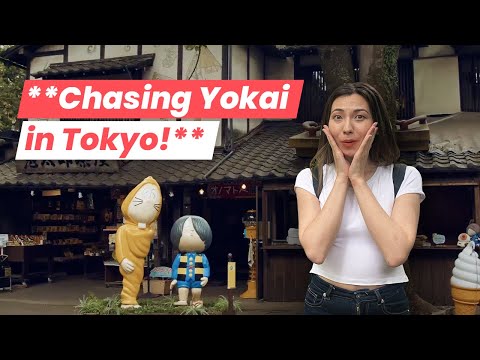
Watch & Explore Jindai Botanical Garden.
Frequently asked
Is Jindai Botanical Garden worth visiting?
Yes, especially if you like roses, greenhouses, or a quieter slice of Tokyo's old Musashino greenery. Jindai packs 400 rose varieties and 5,200 bushes into a sunken French formal garden, plus a six-room tropical greenhouse and a detached wetland boardwalk that feels more like a nature reserve. Pair it with Jindai-ji Temple next door and a bowl of the local buckwheat soba, and it earns a half-day trip.
How long do you need at Jindai Botanical Garden?
Set aside 2.5 to 4 hours. That covers the full main garden, the six-room greenhouse, and the free Aquatic Botanical Garden across the road. A quick rose garden and greenhouse lap takes 1 to 1.5 hours. If you exit through the Jindaiji Gate for temple soba and return, plan a half-day.
How do I get to Jindai Botanical Garden from central Tokyo?
The easiest route is to take a train to Chōfu, Mitaka, Kichijōji, or Tsutsujigaoka, then catch a local bus and get off at Jindai Shokubutsu Kōen Mae. From Chōfu Station North Exit, the bus ride takes 15–20 minutes; from Mitaka or Kichijōji it's 20–30 minutes. Don't try to walk from Chōfu or Mitaka—it's a 30–40 minute uphill slog.
What is the best time to visit Jindai Botanical Garden?
Aim for May or October, when the Spring and Autumn Rose Festivals hit peak bloom and fragrance. Spring also brings the Jindai-akebono cherries and azaleas, while June puts Japanese irises in the Aquatic Botanical Garden. Winter is quieter but the greenhouse gets you orchids and begonias when outdoor blooms are sparse.
Can you visit Jindai Botanical Garden for free?
The main garden is not free, but the Aquatic Botanical Garden and the Plant Diversity Center are free. Entry to the paid main garden costs ¥500 for adults, ¥250 for seniors 65+, and ¥200 for junior high students; elementary and younger children enter free. Greenery Day (May 4) and Tokyo Citizens' Day (October 1) offer free main garden admission.
What should I not miss at Jindai Botanical Garden?
Don't miss the Sunken Rose Garden and the Great Greenhouse's tropical water lily pool. Also look for the original Jindai-akebono cherry tree—the mother plant whose disease-resistant cuttings now replace dying Somei-Yoshino cherries across Japan. In the free Aquatic Botanical Garden, glance up at the hillside: those trenches are 1530s samurai earthworks from Jindaiji Castle.
How much is entry to Jindai Botanical Garden?
Adult entry costs ¥500 at the gate. Seniors 65 and older pay ¥250, junior high students pay ¥200, and younger children get in free. Annual passes run ¥2,500 for adults and ¥1,250 for seniors.
Sources & attribution 29
- Tokyo Metropolitan Park Association: Jindai Botanical Garden Special Page — Official history, key dates, rose garden background, and WFRS award details.
- Tokyo Metropolitan Park Association: Jindai Botanical Garden Visitor Guide — Official hours, admission, access, parking, accessibility, and rules.
- Tokyo Metropolitan Government Official Overseas Archive — Post-war nursery history, greenhouse renewal, and park overview.
- Chōfu City Tourism Association — Local timeline, 1961 opening, and 1955 merger into Chōfu.
- Japanese Wikipedia: 神代植物公園 — Detailed Japanese-language history, 1940 designation, greenhouse dates, and Jindaiji Castle background.
- Jindai-ji Historical and Etymological Research Notes — 1889 village merger name compromise and local kanji etymology.
- Musashino Cultural Gardens Archive — Archival gallery and background on the Musashino botanical park.
- Tokyo Metropolitan Government Jindai Overview — Operational details and facility overview from Tokyo government.
- MyTokyoPass Botanical Guide — Visitor guidance, access, ticketing, and practical entry advice.
- Jalan Tourism Directory: Jindai Botanical Garden — Parking, access, user reviews, and recommended visit durations.
- Tokyo Metropolitan Park Association: Plant Diversity Center — Free admission, opening details, and conservation mission.
- Tokyo Tourist Info: Jindai Detail — Visit duration and practical overview.
- Jindai Commercial Filming Guidelines — Commercial photography and filming application and permit rules.
- Jindai Visitor Etiquette — Photography, pet, and behavior rules.
- ecbo cloak Chōfu Luggage Data — Luggage storage options near the garden.
- Japanese Wikipedia: 神代植物公園 (Unicode) — Supplements history and local context for the garden and Jindaiji Castle.
- Shuminoengei Greenhouse Record — Great Greenhouse original construction and 2016 renovation details.
- Monstera Mania Greenhouse Database — Greenhouse architecture, zones, and plant collection details.
- Tokyo Metropolitan Park Association Event Search — Volunteer guided tour and event schedules.
- Tokyo EcoSteps Event Page — Plant Diversity Center guided walk schedule and participation limits.
- Tachikawa Online Walk Guide — Local identity and Musashino greenery context.
- TripAdvisor: Jindai Botanical Park Reviews — Local sentiment, parking gripes, and visitor expectations.
- Voyapon Chōfu Guide — Day-trip loop combining the garden, temple, and local soba.
- Go Tokyo Event Guide — Rose festival, seasonal events, and garden highlights.
- TimeOut Tokyo: Rose Festival — Rose festival timing and event details.
- Tabelog Soba History Guide — Jindaiji soba history and local buckwheat noodle traditions.
- JAL OnTrip Tokyo Article — Local soba varieties and street food context.
- GoTokyo Facility Guide — Practical access, admission, and visitor overview.
- GaijinPot: Jindai Botanical Gardens — Historical context and traveler guide.
Built from cited sources · see the method · How we make our guides →
Pick up where you left off
Saved and recently read places — kept on this device only.
Photo credits (13)
- Jindai Plants Park 2 — ITA-ATU — CC BY-SA 3.0 (https://creativecommons.org/licenses/by-sa/3.0/) — Source: https://commons.wikimedia.org/wiki/File:Jindai_Plants_Park_2.jpg
- Campaign to hold the Olympic 2016 to Tokyo — Namazu-tron — CC BY-SA 3.0 (https://creativecommons.org/licenses/by-sa/3.0/) — Source: https://commons.wikimedia.org/wiki/File:Campaign_to_hold_the_Olympic_2016_to_Tokyo.jpg
- Jindai Botanical Garden , Cho-fu city , Tokyo - panoramio — Kaz Ish — CC BY-SA 3.0 (https://creativecommons.org/licenses/by-sa/3.0/) — Source: https://commons.wikimedia.org/wiki/File:Jindai_Botanical_Garden_,_Cho-fu_city_,_Tokyo_-_panoramio.jpg
- 2 Chome-1 Jindaiji Kitamachi, Chōfu-shi, Tōkyō-to 182-0011, Japan - panoramio (4) — Hiroyuki Sato — CC BY-SA 3.0 (https://creativecommons.org/licenses/by-sa/3.0/) — Source: https://commons.wikimedia.org/wiki/File:2_Chome-1_Jindaiji_Kitamachi,_Chōfu-shi,_Tōkyō-to_182-0011,_Japan_-_panoramio_(4).jpg
- 2 Chome-1 Jindaiji Kitamachi, Chōfu-shi, Tōkyō-to 182-0011, Japan - panoramio — Hiroyuki Sato — CC BY-SA 3.0 (https://creativecommons.org/licenses/by-sa/3.0/) — Source: https://commons.wikimedia.org/wiki/File:2_Chome-1_Jindaiji_Kitamachi,_Chōfu-shi,_Tōkyō-to_182-0011,_Japan_-_panoramio.jpg
- 2 Chome-1 Jindaiji Kitamachi, Chōfu-shi, Tōkyō-to 182-0011, Japan - panoramio (1) — Hiroyuki Sato — CC BY-SA 3.0 (https://creativecommons.org/licenses/by-sa/3.0/) — Source: https://commons.wikimedia.org/wiki/File:2_Chome-1_Jindaiji_Kitamachi,_Chōfu-shi,_Tōkyō-to_182-0011,_Japan_-_panoramio_(1).jpg
- 2 Chome-1 Jindaiji Kitamachi, Chōfu-shi, Tōkyō-to 182-0011, Japan - panoramio (2) — Hiroyuki Sato — CC BY-SA 3.0 (https://creativecommons.org/licenses/by-sa/3.0/) — Source: https://commons.wikimedia.org/wiki/File:2_Chome-1_Jindaiji_Kitamachi,_Chōfu-shi,_Tōkyō-to_182-0011,_Japan_-_panoramio_(2).jpg
- 2 Chome-1 Jindaiji Kitamachi, Chōfu-shi, Tōkyō-to 182-0011, Japan - panoramio (3) — Hiroyuki Sato — CC BY-SA 3.0 (https://creativecommons.org/licenses/by-sa/3.0/) — Source: https://commons.wikimedia.org/wiki/File:2_Chome-1_Jindaiji_Kitamachi,_Chōfu-shi,_Tōkyō-to_182-0011,_Japan_-_panoramio_(3).jpg
- Jindai Botanical Garden , Cho-fu city , Tokyo - panoramio (1) — Kaz Ish — CC BY-SA 3.0 (https://creativecommons.org/licenses/by-sa/3.0/) — Source: https://commons.wikimedia.org/wiki/File:Jindai_Botanical_Garden_,_Cho-fu_city_,_Tokyo_-_panoramio_(1).jpg
- Jindai Botanical Garden , Cho-fu city , Tokyo - panoramio (3) — Kaz Ish — CC BY-SA 3.0 (https://creativecommons.org/licenses/by-sa/3.0/) — Source: https://commons.wikimedia.org/wiki/File:Jindai_Botanical_Garden_,_Cho-fu_city_,_Tokyo_-_panoramio_(3).jpg
- Jindai Botanical Garden - Japanese Apricot Garden 3 — Hyo-tan — CC BY-SA 4.0 (https://creativecommons.org/licenses/by-sa/4.0/) — Source: https://commons.wikimedia.org/wiki/File:Jindai_Botanical_Garden_-_Japanese_Apricot_Garden_3.jpg
- Jindai Botanical Garden - Japanese Apricot Garden 1 — Hyo-tan — CC BY-SA 4.0 (https://creativecommons.org/licenses/by-sa/4.0/) — Source: https://commons.wikimedia.org/wiki/File:Jindai_Botanical_Garden_-_Japanese_Apricot_Garden_1.jpg
- Jindai Botanical Garden - Japanese Apricot Garden 2 — Hyo-tan — CC BY-SA 4.0 (https://creativecommons.org/licenses/by-sa/4.0/) — Source: https://commons.wikimedia.org/wiki/File:Jindai_Botanical_Garden_-_Japanese_Apricot_Garden_2.jpg
Photos may have been resized or cropped.