train
Cities at Full Speed
Tokyo, Kyoto and Osaka are close enough to combine, but different enough to keep resetting your expectations. Few countries let you move this fast between such distinct urban worlds.
Japan works because it never asks you to choose between refinement and intensity. You get the tea bowl, the train platform, the shrine stair, the izakaya smoke, and somehow each makes the next one sharper.
 Japan
Japan
Entry90 days visa-free for many passports, including US, UK, EU, Canada and Australia
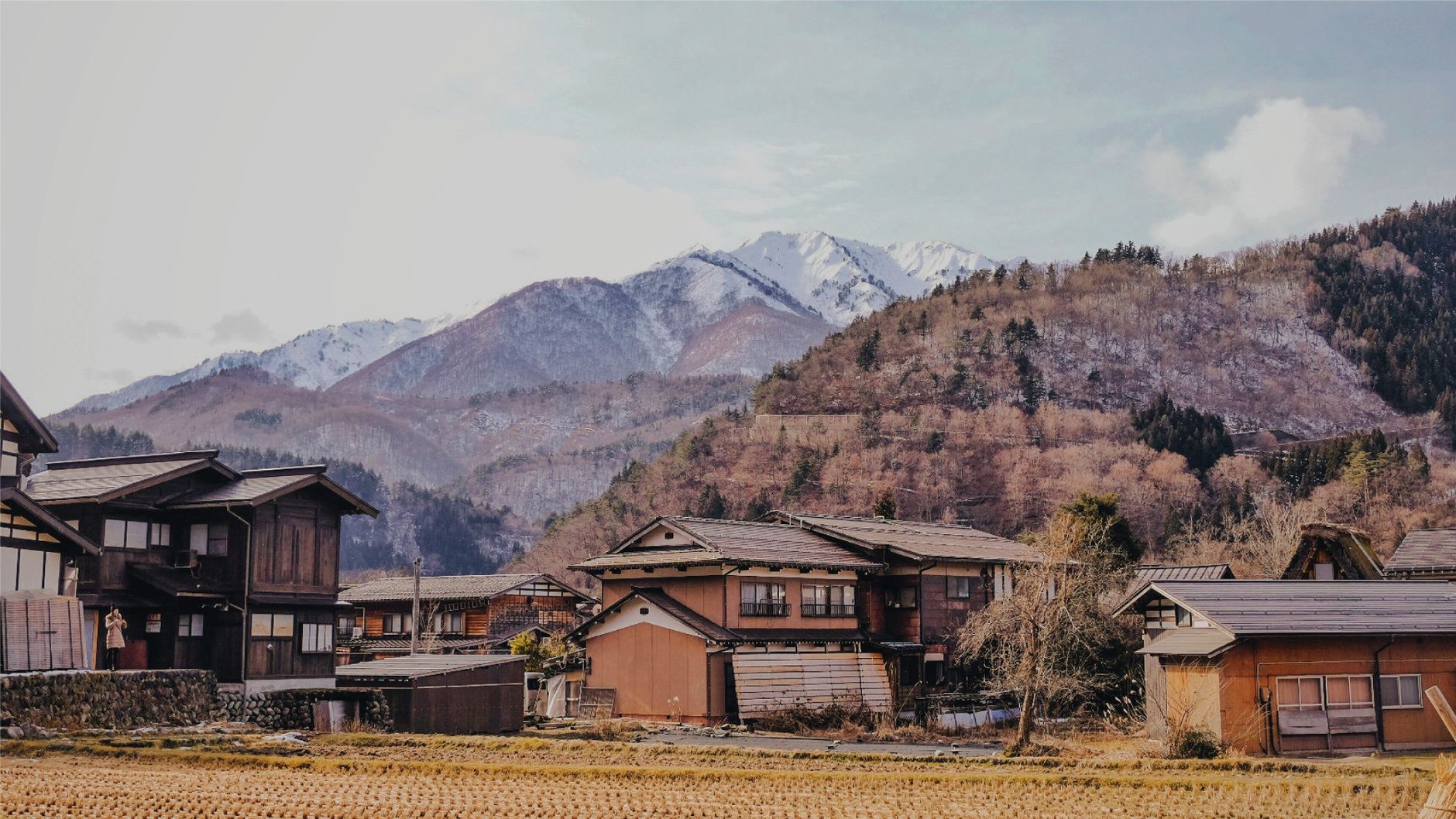
JJapan travel guide starts with a fact most itineraries miss: three-fourths of the country is mountainous, so its great cities feel carved out of drama, not spread across ease.
Japan rewards travelers who want precision, not vague atmosphere. In Tokyo, dinner can mean a six-seat sushi counter under the tracks in Yurakucho; in Kyoto, it can mean temple bells drifting across Higashiyama after dark; in Osaka, the argument over okonomiyaki is half the meal. The country runs on exactness, from bullet trains timed to the minute to kaiseki courses built around a single season. But the point is not efficiency. The point is contrast. A few hours can take you from neon canyons to cedar shrines, from convenience-store breakfasts to a bowl of ramen worth planning your day around.
The shape of Japan explains the rhythm of a trip. Mountains compress life onto coastal plains, which is why cities arrive dense and intense, while the countryside feels sudden once you leave the main corridors. You see that shift fast between Tokyo and Hakone, or between Osaka and Nara, where deer wander past one of the country's great Buddhist complexes as if this were ordinary. It isn't. Japan also changes hard by season: cherry blossom crowds in April, wet heat in June, typhoon risk in early autumn, snowfields in Sapporo when the north turns white and the south is still mild.
From Jomon Fires to the Heian Court, c. 10500 BCE-1185
A clay pot comes first. Long before palaces in Nara or lacquered screens in Kyoto, people on these islands were firing pottery around 10500 BCE, burying their dead near shell middens, and living in a Japan of forests, smoke, and ritual rather than written law. Ce que l'on ignore souvent, c'est que this first Japan never entirely disappeared: traces of Jomon ancestry remain strongest at the edges, in Hokkaido and Okinawa, as if the oldest layer of the country withdrew to the margins and waited.
Then came rice, bronze, hierarchy. From roughly the 3rd century BCE, Yayoi migrants brought wet-rice agriculture, metalwork, and a new discipline of the field; once rice enters a landscape, tax records and rank are never far behind. The first ghost in Japanese history is a woman, not a warrior: Queen Himiko, described by Chinese envoys in the 3rd century as a ruler who spoke with spirits, never married, and governed through awe as much as decree.
By the 8th century, power put on ceremony. In Nara, Emperor Shomu answered epidemic panic with bronze on a colossal scale, ordering the Great Buddha at Todai-ji, a figure so large it drained the state's metal supply and turned faith into public policy. Buddhism, imported through court struggle and clan intrigue, did not merely add temples to the map; it taught the throne how to stage authority in timber, gilt, and incense.
And then Kyoto refined everything. The Heian court, founded in 794, exchanged iron for silk and made elegance into a weapon: layered robes, calligraphy, perfume contests, moon-viewing, malicious diaries. Murasaki Shikibu and Sei Shonagon turned private observation into literature of astonishing intimacy, while the Fujiwara clan ruled by marrying daughters to emperors and governing infant grandsons. The court looked eternal. It was already hollowing out, and the men with bows beyond the capital were preparing the next act.
Murasaki Shikibu, widowed and watchful, transformed court boredom and jealousy into The Tale of Genji, perhaps the first great psychological novel.
When Himiko died, Chinese sources claim that 100 attendants were buried with her, a funeral on the scale of a dynasty rather than a tribal chief.
Age of Warriors, 1185-1600
Picture a child emperor on a ship, a grandmother clutching him as the tide turns red. In 1185, at Dan-no-ura, the Taira clan collapsed in a naval battle so decisive that later generations gave it the sound of bells and the taste of salt. Minamoto no Yoritomo, who barely needed to appear on the battlefield to win the political prize, founded the Kamakura shogunate and established the pattern that would define Japan for centuries: the emperor remained, but real power lived elsewhere.
The warrior age did not begin as pure brutality; it began as administration with armor. Kamakura organized vassal loyalty, land reward, and military duty with a severity the Kyoto court could never manage in scented sleeves. Even the Mongol invasions of 1274 and 1281, remembered through the romance of the kamikaze winds, mattered because they forced a government built for civil war to think in terms of national defense.
After Kamakura came fracture. The Ashikaga shoguns in Kyoto presided over brilliance and disintegration at once: Zen gardens, ink painting, tea ceremony, and, at the same time, provincial warlords building private armies and burning their rivals' homes. Nara and Kyoto were not spared this violence; temples were fortresses, monks fought, and sanctity often arrived with a pike.
Then the great unifiers entered like characters who know they are being watched. Oda Nobunaga, impatient and theatrical, used firearms with cold intelligence and broke the old religious powers; Toyotomi Hideyoshi, born a peasant, rose through nerve and calculation until he ruled the country from above men who would never have dined with his father. Japan was being stitched back together. But it was stitched with ambition, and ambition always leaves one final struggle for the inheritance.
Oda Nobunaga did not simply conquer rivals; he shattered the old medieval balance by treating temples, guilds, and noble habit as obstacles rather than sacred facts.
At Dan-no-ura, Yoshitsune is said to have ordered archers to shoot enemy helmsmen first, a tactic admired for its effectiveness and whispered about for its lack of chivalry.
Edo and the Sealed Realm, 1600-1868
A battlefield in the mist decides the fate of two and a half centuries. At Sekigahara in 1600, Tokugawa Ieyasu outmaneuvered his rivals and won the right to found a dynasty of shoguns that would govern from Edo, the fishing town that would become Tokyo. Ce que l'on ignore souvent, c'est que this supposedly static age was one of the most carefully managed political inventions in world history: peace maintained by surveillance, hostage systems, and road networks designed as much for control as for travel.
The emperor remained in Kyoto, wrapped in ritual and distance, while power beat in Edo with ledgers, edicts, and castle moats. Daimyo had to spend alternating years under shogunal watch, draining their treasuries in processions that looked magnificent and worked like fiscal handcuffs. Even architecture obeyed politics: too much fortification, and you were a rebel; too little, and you were finished.
Yet this closed Japan was not lifeless. Osaka became the nation's commercial stomach, rice brokers and merchants learning that money could quietly humiliate pedigree. The floating world of ukiyo-e, courtesans, kabuki actors, and pleasure quarters thrived in the cracks of official morality, while haiku poets found eternity in frogs, ponds, and autumn wind. In Kanazawa, great feudal wealth produced gardens and craftsmanship so polished they still look like confidence made visible.
But peace created its own fragility. Samurai with stipends and little war to fight grew indebted; merchants gained influence without honor; coastal defenses looked increasingly antique in a century of steam and cannon. When Commodore Perry's black ships appeared in 1853, the shock was not only military. It was psychological. A regime built on controlled distance suddenly discovered the world could enter the bay uninvited.
Tokugawa Ieyasu, patient where others were flamboyant, built a system so durable that even its boredom became a form of genius.
The sankin-kotai processions of daimyo to Edo were so expensive that the shogunate turned prestige itself into a method of bankruptcy.
Restoration, Empire, and Ruin, 1868-1945
A teenage emperor becomes the face of a revolution. In 1868, the Meiji Restoration did not so much restore old imperial rule as reinvent it, using the emperor as sacred theater for a ruthless modernization program. Topknots vanished, railways appeared, conscription replaced hereditary warfare, and Japan studied Europe with the hungry eye of a latecomer determined not to be patronized again.
Tokyo rose where Edo had stood, and the country changed speed. Ministries, factories, arsenals, schools, and a modern army remade the archipelago in a few decades; what had taken European states centuries, Japan compressed into one national sprint. The victories over China in 1895 and Russia in 1905 stunned the world and fed a dangerous confidence: modernization had worked, therefore expansion must be destiny.
But empires are greedy machines. In the 1930s and early 1940s, military power overran civilian restraint, and Japan's imperial project brought devastation across Asia along with censorship, hunger, and fear at home. One cannot write this chapter in lace gloves. Beneath banners and parades were prison cells, coerced labor, ruined cities, and a generation asked to die for abstractions composed by men far from the front.
Then came August 1945. Hiroshima entered history not as metaphor but as a city where a morning became light, heat, skin, ash, and silence; Nagasaki followed three days later, and the emperor's radio voice announced surrender to subjects who had never heard him speak. The imperial dream ended in ruins. Out of that wreckage would emerge a different Japan, chastened, inventive, and haunted by memory.
Emperor Meiji became the carefully staged face of transformation, a sovereign whose symbolic presence helped drag Japan into industrial modernity at breathtaking speed.
When Emperor Hirohito announced surrender on the radio on 15 August 1945, many listeners struggled to understand him because the court language was so formal and the shock so absolute.
Reconstruction and Reinvention, 1945-Present
The postwar scene is almost indecent in its contrast: black markets, burned districts, children in patched clothing, and within a generation the first Shinkansen leaving Tokyo in 1964 as if speed itself were a national answer. Japan rebuilt not by forgetting discipline but by redirecting it. Factories replaced arsenals; consumer electronics replaced imperial swagger; the country that had once shocked the world with battleships began to do so with cameras, cars, radios, and exacting standards that turned manufacture into prestige.
The miracle had a human cost. Salarymen slept on trains, women carried a double burden inside households and offices, polluted rivers and poisoned communities paid the hidden bill of growth, and prosperity often came wrapped in exhaustion. Yet the achievement remains extraordinary: Osaka hosted Expo 70, Tokyo staged Olympic modernity, and a nation flattened by war became a benchmark for urban efficiency, design, and technological finesse.
Then came the crack in the mirror. The asset bubble burst in the early 1990s, confidence thinned, and the old certainties of lifetime employment and endless growth began to look like family heirlooms from another age. The 2011 earthquake, tsunami, and Fukushima disaster reopened the ancient truth of these islands: nature remains the senior power here, whatever concrete or code humans lay over it.
And still Japan keeps reinventing itself with a peculiar grace. Kyoto guards courtly memory, Nara keeps older silences, Hakone turns volcanic restlessness into ritual baths, and Tokyo absorbs every future without quite losing the ghosts beneath it. This is what changes the visitor's understanding: Japan is not old against new. It is old inside new, layer upon layer, each era still audible under the next.
Hayao Miyazaki, born in 1941, turned postwar memory, industrial anxiety, and wonder at the natural world into films that made modern Japan legible to itself and to the world.
The first Tokaido Shinkansen, launched for the 1964 Tokyo Olympics, covered the Tokyo-Osaka route in hours that would have seemed nearly magical to an Edo traveler marching under feudal obligation.
Japanese does not merely let you speak. It places you at the correct distance from the person in front of you, then measures that distance again. A simple thank you can arrive as arigato, arigato gozaimasu, domo, sumimasen, or a bow that says more than any syllable. In Tokyo, the convenience-store cashier performs this ballet two hundred times a day. In Kyoto, the old shopkeeper can make one extra level of politeness feel like a silk screen lowered between you and the world.
The marvel is that the language gives dignity to gaps. Ma, that charged interval, lives in train doors before they close, in the pause before tea is poured, in the small hush after someone says hai. Foreign ears hear agreement. Japanese ears hear attention. A country reveals itself by what it refuses to rush.
Listen on the Yamanote Line in Tokyo, then in Nara under the cedar trees, then in Osaka where speech comes faster and laughter shows its teeth. Same language, different weather. Even the sentence endings tell stories about rank, tenderness, fatigue, or mischief. Grammar, here, is a form of etiquette dressed as sound.
Japanese cuisine begins with something almost invisible: dashi. Kombu. Katsuobushi. Water. Heat. Patience. Out of that pale liquid comes an entire civilization of soups, sauces, simmered roots, noodle broths, and small astonishments that seem simple until you try to make them and discover that simplicity is a punishment for the impatient.
In Osaka, people say the city is Japan's kitchen, and for once the civic pride is justified. Okonomiyaki hisses on iron plates. Kushikatsu arrives in a paper-thin crust, then meets the communal sauce once, never twice, because manners extend even to frying oil. In Kyoto, kaiseki arranges a meal like a sequence of seasons; one ceramic maple leaf in November says more than a speech. In Sapporo, miso ramen feels less like lunch than a treaty signed with winter.
Food here is a ritual of precision and appetite making peace. A sushi counter in Tokyo can hold eight people and the concentration level of a chapel. A bowl of soba in Kanazawa disappears with one clean slurp. Even dessert behaves differently: wagashi does not seduce by sugar but by timing, by shape, by the exact second before matcha's bitterness lands. A country is a table set for strangers.
Japanese etiquette is often mistaken for obedience. It is choreography. Doors open, lines form, umbrellas drip in designated racks, escalators divide left from right or right from left depending on whether you are in Tokyo or Osaka, and the body learns the pattern before the mind does. Nobody gives a speech. Everybody understands.
The bow is not one gesture but a vocabulary. The angle changes. The duration changes. The eyes lower or do not. Shoes stop at the threshold as if they had reached a moral frontier. Slippers take over, then even the slippers are dismissed before tatami, because straw mats deserve a cleaner foot than the street and a cleaner foot than the bathroom. This is not obsession. It is grammar in physical form.
What I admire most is the mercy hidden inside all this formality. Tatemae, the public face, protects the room from unnecessary wreckage; honne, the private feeling, survives underneath like a guarded flame. In Hiroshima, in a ryokan corridor in Hakone, in a tiny bar in Osaka Prefecture, you feel the same proposition: other people exist, therefore one must move carefully. Civilized, and faintly exhausting. Like all good things.
Japanese architecture knows that a wall can be too sure of itself. Shoji screens prefer suggestion. Engawa verandas keep indoors and outdoors in a state of elegant indecision. A temple in Kyoto, a machiya townhouse in Kanazawa, and a bathhouse corridor in Hakone all understand the same secret: enclosure is more beautiful when it breathes.
Wood rules here, and wood remembers fire, rain, insects, and human touch. That fragility produced one of the boldest architectural imaginations on earth. Horyu-ji in Nara still stands with timber that has outlived dynasties. At Ise, the shrine is rebuilt in a twenty-year cycle, which means permanence is achieved through repetition rather than stone. Europe worships the original. Japan often worships the act of renewal.
Then comes the modern aftershock. Tokyo stacks concrete, glass, and neon with the fever of a city that knows earthquakes may edit everything without notice. Kenzo Tange gave postwar Japan a monumental language; Tadao Ando, especially on Naoshima, let concrete meet light so quietly it becomes almost devout. The lesson is severe and oddly tender: buildings are not here to defeat time. They are here to negotiate with it.
Japan never felt obliged to choose one sacred vocabulary. Shinto and Buddhism live side by side with the calm of old neighbors who have stopped arguing. You wash your hands at a shrine basin, clap twice for the kami, then visit a Buddhist temple to ring a bell heavy enough to shake your ribs. Contradiction? Hardly. The Japanese genius is to let rituals coexist until they become a family.
Religion here smells of cedar, incense, damp moss, candle wax, and occasionally sea salt. In Nara, deer wander through shrine precincts with the confidence of minor deities. On Yakushima, the forest itself feels older than doctrine, as if every root had its own liturgy. At Fushimi Inari in Kyoto, thousands of vermilion torii march up the mountain and turn walking into repetition, repetition into thought, thought into something very close to prayer.
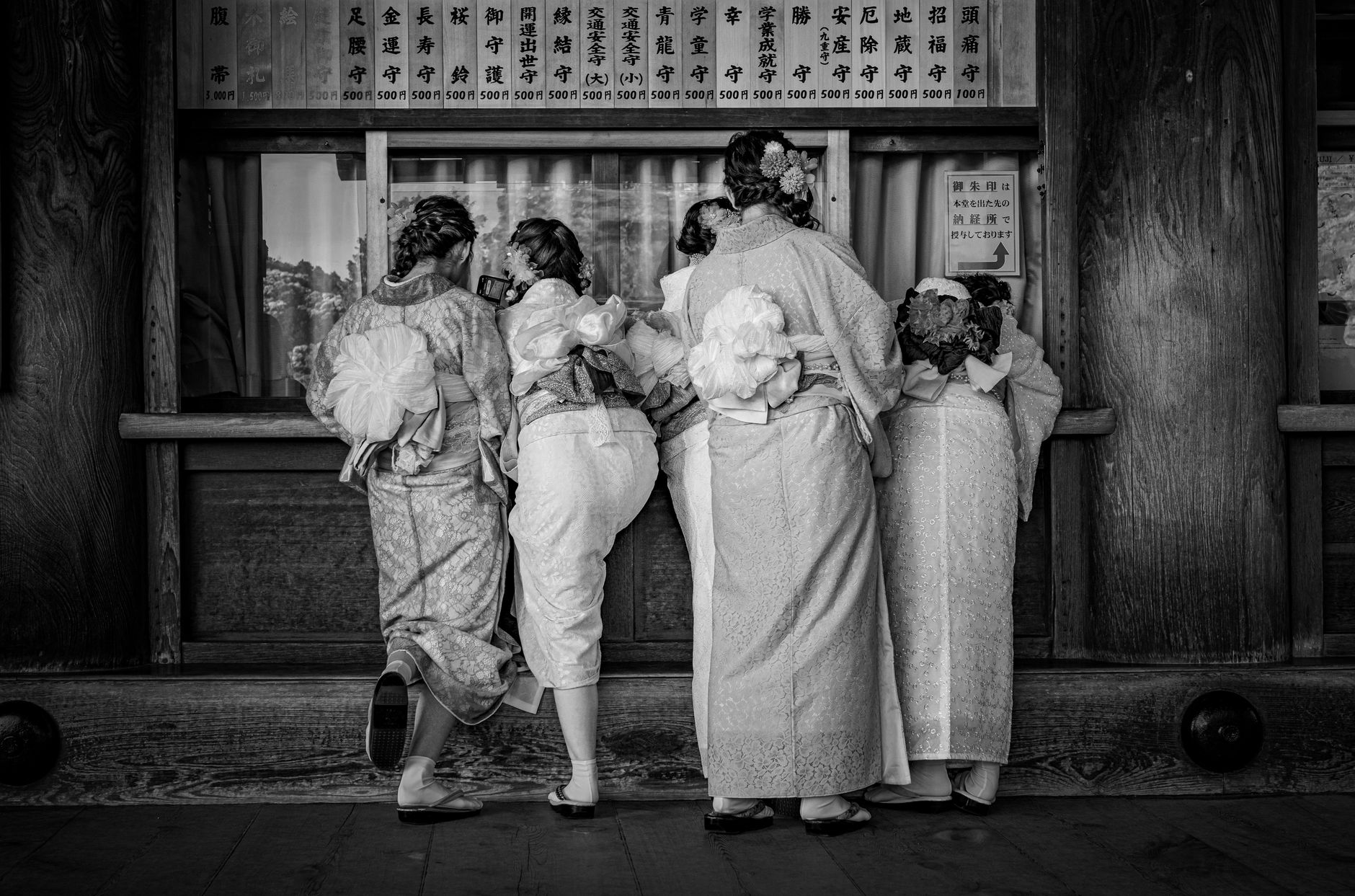
What moved me most was not belief declared, but belief practiced in small domestic acts. A charm bought for exams. A New Year shrine visit. A family grave cleaned before Obon. Buddhism offers impermanence; Shinto offers presence. Together they produce a religious life that is less about confession than about attention. One bows, one lights incense, one continues.
Japanese literature has always known that embarrassment is as serious as war. The Pillow Book can spend pages on sleeves, snow, lovers, and things that irritate, and still tell the truth about a civilization. The Tale of Genji understands desire as court politics conducted through perfume, fabric, calligraphy, and delayed visits. A note on paper the color of a plum blossom could alter a life. This is a literary culture that never underestimated stationery.
Then the centuries turn and the sensibility remains: Basho walking north with a notebook and sore feet, Soseki diagnosing modern loneliness, Kawabata freezing beauty until it almost breaks, Dazai making self-destruction sound like an after-dinner confession. Later still, Murakami fills Tokyo with jazz, wells, cats, and absences. The line is not tidy, but the obsession is consistent. Things pass. People fail to say what they mean. The moon remains professionally indifferent.
Read in the places that made the books if you can. Kyoto still carries Heian perfumes under the diesel. Tokyo after midnight still belongs to novelists. In a cafe near Jimbocho, with coffee going cold beside a paperback, you may discover that Japanese literature does not ask to be admired. It asks whether you, too, have noticed how unbearable and exquisite a passing moment can be.
Tokyo, Kyoto and Osaka are close enough to combine, but different enough to keep resetting your expectations. Few countries let you move this fast between such distinct urban worlds.
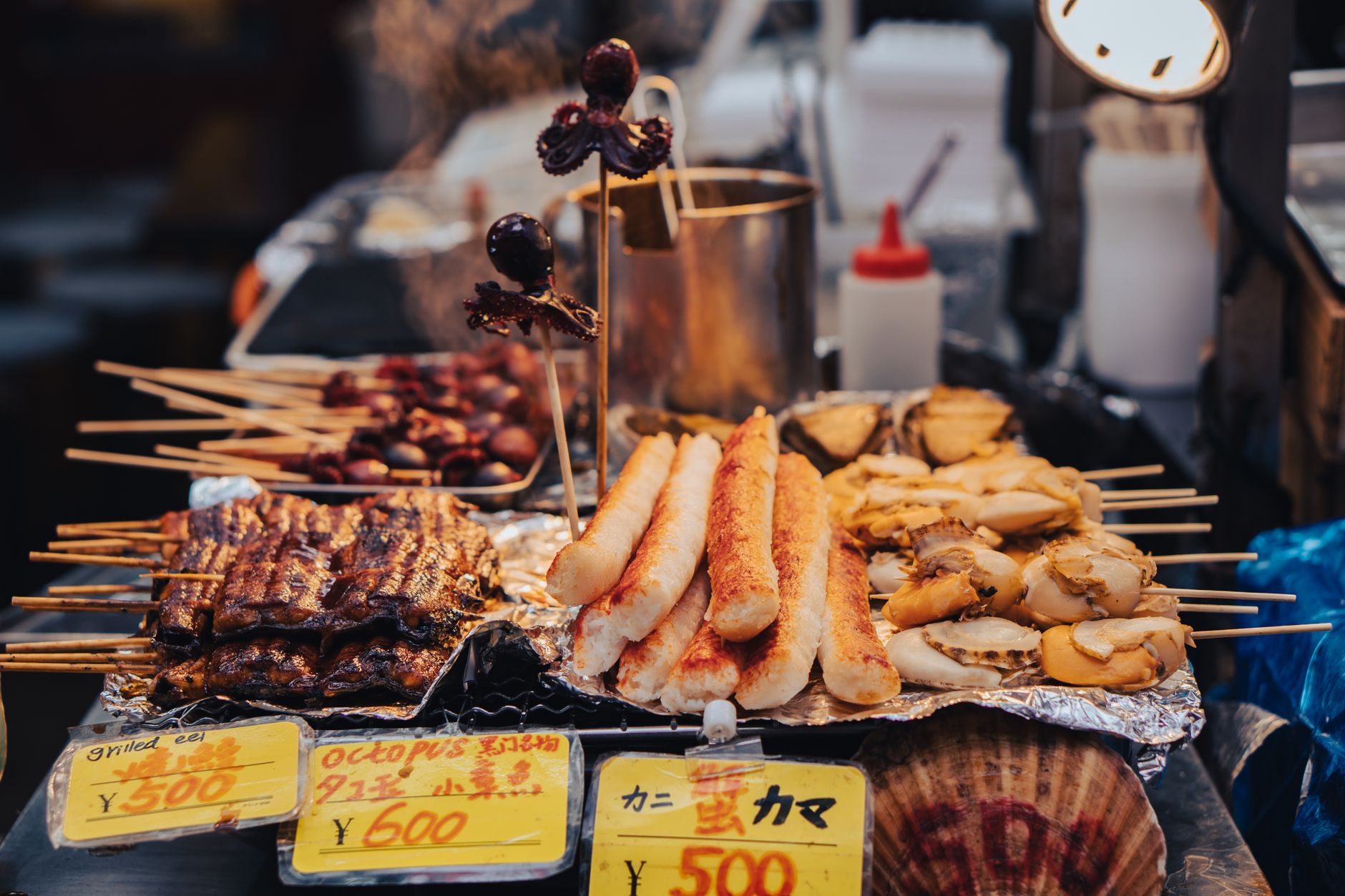
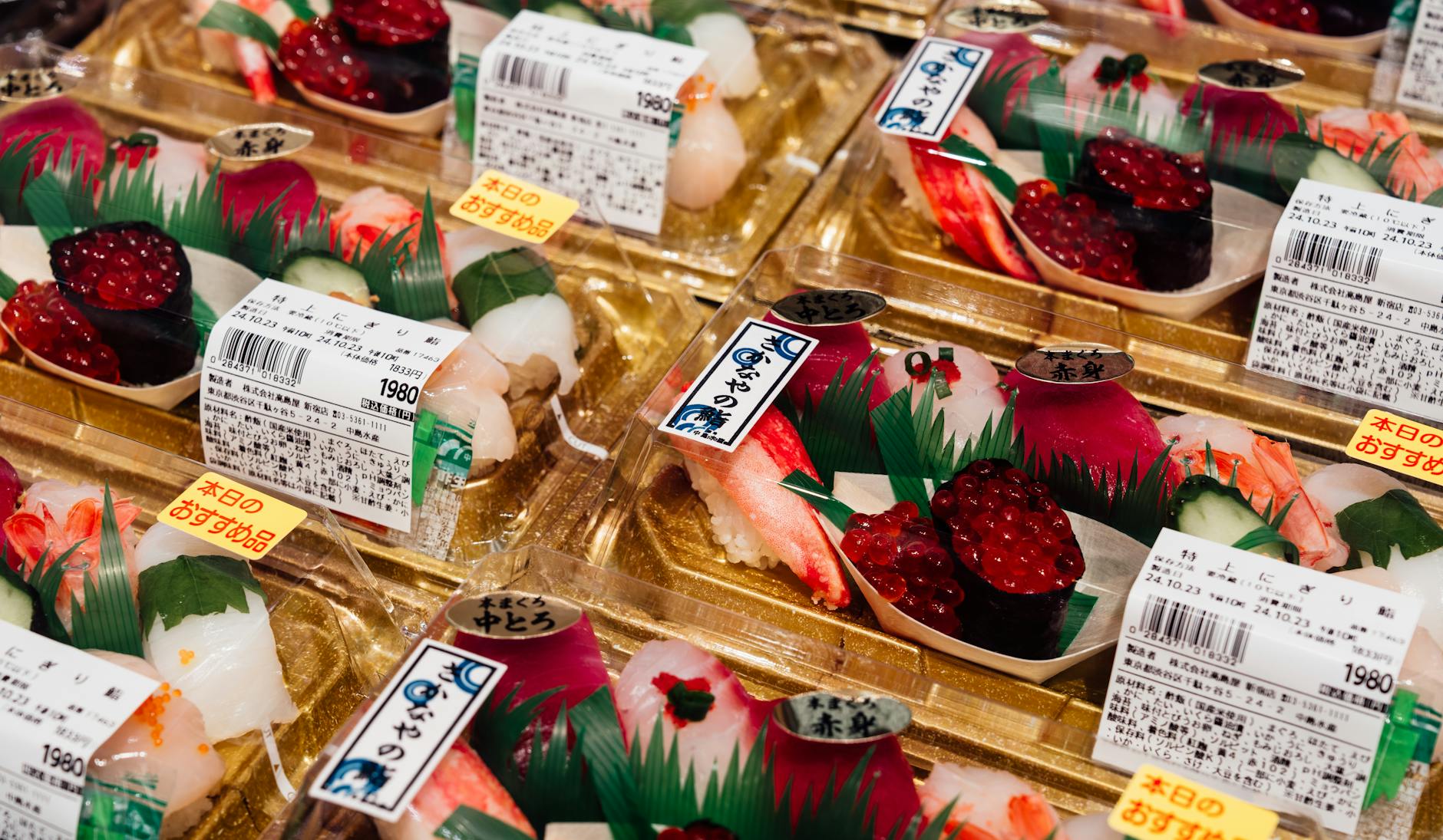
Japanese cuisine changes by city, season and even station platform. Eat ramen in Sapporo, okonomiyaki in Osaka, kaiseki in Kyoto, and you'll understand the map through your hands.
Nara, Kyoto and Hiroshima carry different centuries with very little padding between them. Court ritual, Buddhist power, war memory and postwar reinvention all sit on the same itinerary.
Japan's terrain changes the trip as much as its cities do. Hakone brings volcanic views and hot springs, while Yakushima turns the country into moss, rain and deep forest.
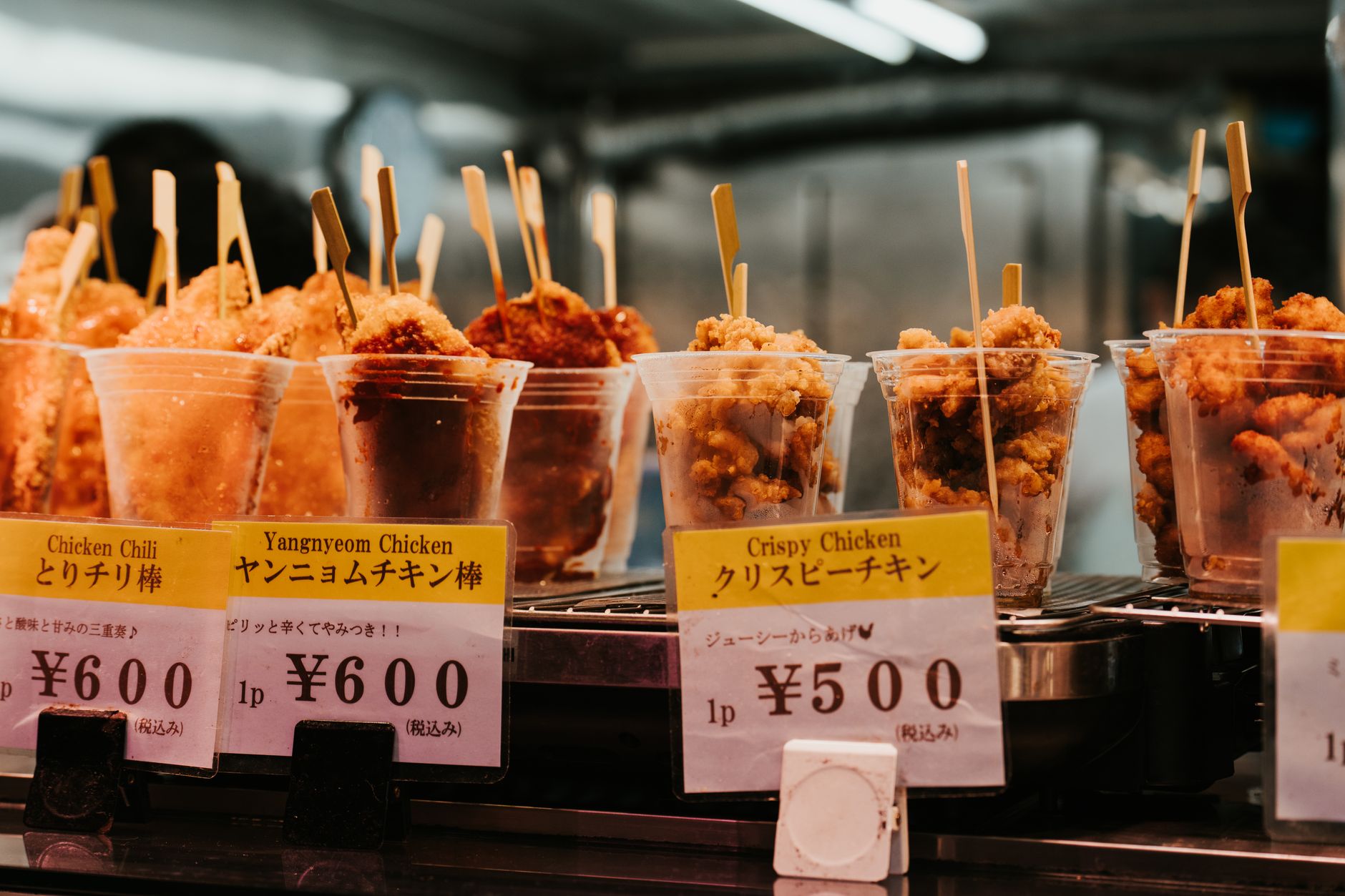
Naoshima and Kanazawa show how seriously Japan stages beauty, whether through contemporary installations or centuries-old craft. Even the display case often feels designed like a small ceremony.
14 cities — start with the ones we'd send you to first.
Tokyo is the city that makes you feel simultaneously lost and entirely at home — a place where temple incense drifts past espresso machines, and a ¥400 bowl of beef rice at 3am is among the most satisfying meals you will…
The light hits the moss at Gio-ji differently at 7:30am. You suddenly understand why Kyoto has survived a thousand years of fires and wars.
Eat until you can’t stand up straight, then walk it off under the giant neon Glico Man at 2 a.m. while salarymen sing enka in the alley. That’s Osaka.
Nagoya doesn’t try to charm you. It hands you a bowl of miso-katsu, points at a golden dolphin on a castle under scaffolding, and waits to see if you’ll notice how much is actually going on.
Osaka doesn’t try to be refined like Kyoto. It meets you with loud neon, strong flavors, and an honesty that feels almost confrontational, then quietly hands you 400 years of merchant culture and one of Japan’s most impo…
The city rebuilt itself so completely after August 6, 1945 that the skeletal Genbaku Dome — deliberately left standing — is the only structure that looks like what happened here.
Free-roaming sika deer bow to receive shika senbei crackers from strangers outside the gates of Tōdai-ji, whose bronze Buddha required every kilogram of Japan's copper production to cast in 752 CE.
The Edo-period castle town that Allied bombers never touched — leaving intact a geisha quarter, a samurai district, and Kenroku-en garden, all within twenty minutes' walk of each other.
On a clear morning before 9 a.m., Fuji-san appears above Lake Ashi without a cloud, and the Shinkansen from Tokyo has already deposited you here in forty minutes for under ¥5,000.
Kanto is where rail maps knot themselves into a masterpiece and the scale of Japan becomes physical. Tokyo carries the headline, but the region works because it can flip from late-night alleys to hot-spring hills in under two hours, with Hakone as the classic release valve when the city starts to hum too loudly.
Kansai holds the old capitals and the country's sharpest argument about what Japan is supposed to taste, sound, and look like. Kyoto gives you temples and restraint, Osaka answers with grills, comedy, and appetite, while Nara reminds you how early the story began.
Central Japan is the country at an angle: castle towns, heavy winter weather, mountain basins, and craft traditions that survived because the terrain slowed everything down. Kanazawa is the polished face, Matsumoto brings alpine austerity, and Nagoya anchors the plains with factories, museums, and serious train links.
Hokkaido feels less compressed than the rest of Japan, with wider roads, colder light, and winters that mean business. Sapporo is the practical base, but the region's pull is seasonal: powder snow, seafood markets, lavender fields, and the sense that the land still has more room than the timetable.
This stretch of Japan carries one of the country's heaviest histories and some of its gentlest landscapes. Hiroshima asks for time and attention, while the Seto Inland Sea softens the mood with ferries, islands, and Naoshima's improbable marriage of concrete, art, and sea air.
Southwestern Japan runs hotter, greener, and more outward-looking, shaped by volcanoes, trading ports, and long contact with the outside world. Nagasaki is the essential city for that story, and Yakushima shows the opposite mood entirely: rain, moss, cedar trunks, and trails that feel older than the timetable that got you there.
A Pritzker Prize-winning library sits inside a 120-year-old women's university in Tokyo — and most visitors walk straight past it to Ikebukuro.
In 1998, Route 16's factories outshipped Silicon Valley 2-to-1.
Built partly underground so it wouldn't upstage a 400-year-old castle, Osaka-Jō Hall holds 16,000 fans and hosts Beethoven's Ninth for 10,000 singers every winter.
Founded in 1863 by the physician who invented the Hepburn romanization system, this Tokyo campus preserves three Meiji-era buildings still used daily by students.
TBS's rooftop disc glows red, blue, or yellow each night as a live weather forecast.
Feudal lords and Nikkō pilgrims once marched this exact corridor.
Tengachaya's name traces to Toyotomi Hideyoshi's personal teahouse, opened in December 1885 as a rail hub connecting Osaka to the south.
Tamade Station was Osaka's Yotsubashi Line terminus for 14 years after opening in 1958.
Tokyo’s oldest temple keeps its main Kannon image hidden from everyone.
From Jomon pottery to the Shinkansen, a history of ritual, rupture, and reinvention
Some of the world's earliest fired pottery appears in the Japanese archipelago. These vessels belong to hunter-gatherer communities, which tells you at once that Japan's story begins not with kings but with ritual, food, and fire.
Wet-rice agriculture, metal tools, and new social hierarchies spread through much of the archipelago. Fields change everything: settlement patterns tighten, surplus appears, and political rank starts to harden.
Queen Himiko enters the written record through Chinese diplomacy, sending envoys to the Wei court. Japan's first clearly documented ruler is a woman associated with magic, distance, and sacred authority rather than battlefield glory.
A clan struggle settles more than a feud: it clears the way for Buddhism to gain state backing. Religion in Japan is never only spiritual; from the beginning, it is bound up with court power.
Tradition attributes to Prince Shotoku a constitutional text that prizes harmony and proper order. Whatever its exact authorship, it became part of Japan's memory of itself as a realm where etiquette and government should speak to one another.
The court settles in Nara and begins to imitate Chinese models of administration on a grand scale. Capitals matter because they turn ritual into geography: roads, ministries, temples, and archives now gather in one place.
The colossal bronze Buddha at Nara is consecrated after an immense state effort. It is faith, certainly, but also political theater in metal, a ruler's answer to epidemic fear and national fragility.
The capital moves to Heian-kyo, today's Kyoto. Court culture reaches astonishing refinement here, even as the elegant surface begins to conceal the military forces gathering beyond it.
At the Heian court, a lady-in-waiting writes a novel of desire, rank, boredom, and emotional weather that still feels uncannily modern. Japan's literary prestige is born not in a monastery or battlefield, but in observation sharpened into art.
The Minamoto defeat the Taira in a sea battle that ends the Genpei War. The court survives, but warrior rule steps into the foreground, and Japan's political center of gravity changes for centuries.
Minamoto no Yoritomo receives the title of shogun and builds a military government at Kamakura. From now on, the emperor and the ruler are no longer necessarily the same person in practice.
Khubilai Khan's forces attack Japan, testing a military government more used to internal war than external threat. The invasions become legend through storm and survival, but they also expose the fiscal strain of defending the islands.
A succession dispute explodes into a conflict that devastates Kyoto and helps push Japan into the Sengoku age of competing warlords. Civil order does not collapse in a single dramatic instant; it frays until fire finishes the work.
Nobunaga enters Kyoto and begins remaking Japanese politics with speed, gunpowder, and a remarkable lack of reverence for old constraints. His rise announces that medieval balances are ending.
Tokugawa Ieyasu secures victory in the battle that decides who will dominate Japan. It is the hinge between civil war and disciplined peace, between noble claim and bureaucratic control.
Ieyasu is named shogun, and Edo becomes the administrative heart of the realm. The next two and a half centuries will look placid from afar and highly engineered from within.
American warships enter Edo Bay and expose the military fragility of the so-called sealed country. The black hulls do more than threaten; they shatter an entire political psychology.
The shogunate falls, imperial rule is proclaimed, and Japan begins a spectacular program of modernization. Restoration is the official word. Reinvention is the more honest one.
Japan defeats a major European empire and astonishes the world. The triumph feeds national confidence, military prestige, and the conviction that great-power status must now be pursued, whatever the cost.
Atomic bombs destroy Hiroshima and Nagasaki, and Japan announces surrender on 15 August. The war ends in devastation so complete that the country will have to invent a new identity from the ruins.
Japan presents itself to the world as rebuilt, modern, and fast. The first bullet train is more than transport; it is a declaration that the future can be engineered with elegance.
The death of Emperor Hirohito closes the long Showa reign, which had contained war, defeat, occupation, and recovery. A new era opens just as the postwar economic miracle begins to lose its easy confidence.
The Tohoku disaster kills tens of thousands and triggers the Fukushima nuclear crisis. Modern Japan is reminded, with terrible force, that technology and planning never fully cancel the geological violence beneath these islands.
From Jomon Fires to the Heian Court
Murasaki Shikibu, widowed and watchful, transformed court boredom and jealousy into The Tale of Genji, perhaps the first great psychological novel.
A clay pot comes first. Long before palaces in Nara or lacquered screens in Kyoto, people on these islands were firing pottery around 10500 BCE, burying their dead near shell middens, and living in a Japan of forests, smoke, and ritual rather than written law. Ce que l'on ignore souvent, c'est que this first Japan never entirely disappeared: traces of Jomon ancestry remain strongest at the edges, in Hokkaido and Okinawa, as if the oldest layer of the country withdrew to the margins and waited.
Then came rice, bronze, hierarchy. From roughly the 3rd century BCE, Yayoi migrants brought wet-rice agriculture, metalwork, and a new discipline of the field; once rice enters a landscape, tax records and rank are never far behind. The first ghost in Japanese history is a woman, not a warrior: Queen Himiko, described by Chinese envoys in the 3rd century as a ruler who spoke with spirits, never married, and governed through awe as much as decree.
By the 8th century, power put on ceremony. In Nara, Emperor Shomu answered epidemic panic with bronze on a colossal scale, ordering the Great Buddha at Todai-ji, a figure so large it drained the state's metal supply and turned faith into public policy. Buddhism, imported through court struggle and clan intrigue, did not merely add temples to the map; it taught the throne how to stage authority in timber, gilt, and incense.
And then Kyoto refined everything. The Heian court, founded in 794, exchanged iron for silk and made elegance into a weapon: layered robes, calligraphy, perfume contests, moon-viewing, malicious diaries. Murasaki Shikibu and Sei Shonagon turned private observation into literature of astonishing intimacy, while the Fujiwara clan ruled by marrying daughters to emperors and governing infant grandsons. The court looked eternal. It was already hollowing out, and the men with bows beyond the capital were preparing the next act.
When Himiko died, Chinese sources claim that 100 attendants were buried with her, a funeral on the scale of a dynasty rather than a tribal chief.
Age of Warriors
Oda Nobunaga did not simply conquer rivals; he shattered the old medieval balance by treating temples, guilds, and noble habit as obstacles rather than sacred facts.
Picture a child emperor on a ship, a grandmother clutching him as the tide turns red. In 1185, at Dan-no-ura, the Taira clan collapsed in a naval battle so decisive that later generations gave it the sound of bells and the taste of salt. Minamoto no Yoritomo, who barely needed to appear on the battlefield to win the political prize, founded the Kamakura shogunate and established the pattern that would define Japan for centuries: the emperor remained, but real power lived elsewhere.
The warrior age did not begin as pure brutality; it began as administration with armor. Kamakura organized vassal loyalty, land reward, and military duty with a severity the Kyoto court could never manage in scented sleeves. Even the Mongol invasions of 1274 and 1281, remembered through the romance of the kamikaze winds, mattered because they forced a government built for civil war to think in terms of national defense.
After Kamakura came fracture. The Ashikaga shoguns in Kyoto presided over brilliance and disintegration at once: Zen gardens, ink painting, tea ceremony, and, at the same time, provincial warlords building private armies and burning their rivals' homes. Nara and Kyoto were not spared this violence; temples were fortresses, monks fought, and sanctity often arrived with a pike.
Then the great unifiers entered like characters who know they are being watched. Oda Nobunaga, impatient and theatrical, used firearms with cold intelligence and broke the old religious powers; Toyotomi Hideyoshi, born a peasant, rose through nerve and calculation until he ruled the country from above men who would never have dined with his father. Japan was being stitched back together. But it was stitched with ambition, and ambition always leaves one final struggle for the inheritance.
At Dan-no-ura, Yoshitsune is said to have ordered archers to shoot enemy helmsmen first, a tactic admired for its effectiveness and whispered about for its lack of chivalry.
Edo and the Sealed Realm
Tokugawa Ieyasu, patient where others were flamboyant, built a system so durable that even its boredom became a form of genius.
A battlefield in the mist decides the fate of two and a half centuries. At Sekigahara in 1600, Tokugawa Ieyasu outmaneuvered his rivals and won the right to found a dynasty of shoguns that would govern from Edo, the fishing town that would become Tokyo. Ce que l'on ignore souvent, c'est que this supposedly static age was one of the most carefully managed political inventions in world history: peace maintained by surveillance, hostage systems, and road networks designed as much for control as for travel.
The emperor remained in Kyoto, wrapped in ritual and distance, while power beat in Edo with ledgers, edicts, and castle moats. Daimyo had to spend alternating years under shogunal watch, draining their treasuries in processions that looked magnificent and worked like fiscal handcuffs. Even architecture obeyed politics: too much fortification, and you were a rebel; too little, and you were finished.
Yet this closed Japan was not lifeless. Osaka became the nation's commercial stomach, rice brokers and merchants learning that money could quietly humiliate pedigree. The floating world of ukiyo-e, courtesans, kabuki actors, and pleasure quarters thrived in the cracks of official morality, while haiku poets found eternity in frogs, ponds, and autumn wind. In Kanazawa, great feudal wealth produced gardens and craftsmanship so polished they still look like confidence made visible.
But peace created its own fragility. Samurai with stipends and little war to fight grew indebted; merchants gained influence without honor; coastal defenses looked increasingly antique in a century of steam and cannon. When Commodore Perry's black ships appeared in 1853, the shock was not only military. It was psychological. A regime built on controlled distance suddenly discovered the world could enter the bay uninvited.
The sankin-kotai processions of daimyo to Edo were so expensive that the shogunate turned prestige itself into a method of bankruptcy.
Restoration, Empire, and Ruin
Emperor Meiji became the carefully staged face of transformation, a sovereign whose symbolic presence helped drag Japan into industrial modernity at breathtaking speed.
A teenage emperor becomes the face of a revolution. In 1868, the Meiji Restoration did not so much restore old imperial rule as reinvent it, using the emperor as sacred theater for a ruthless modernization program. Topknots vanished, railways appeared, conscription replaced hereditary warfare, and Japan studied Europe with the hungry eye of a latecomer determined not to be patronized again.
Tokyo rose where Edo had stood, and the country changed speed. Ministries, factories, arsenals, schools, and a modern army remade the archipelago in a few decades; what had taken European states centuries, Japan compressed into one national sprint. The victories over China in 1895 and Russia in 1905 stunned the world and fed a dangerous confidence: modernization had worked, therefore expansion must be destiny.
But empires are greedy machines. In the 1930s and early 1940s, military power overran civilian restraint, and Japan's imperial project brought devastation across Asia along with censorship, hunger, and fear at home. One cannot write this chapter in lace gloves. Beneath banners and parades were prison cells, coerced labor, ruined cities, and a generation asked to die for abstractions composed by men far from the front.
Then came August 1945. Hiroshima entered history not as metaphor but as a city where a morning became light, heat, skin, ash, and silence; Nagasaki followed three days later, and the emperor's radio voice announced surrender to subjects who had never heard him speak. The imperial dream ended in ruins. Out of that wreckage would emerge a different Japan, chastened, inventive, and haunted by memory.
When Emperor Hirohito announced surrender on the radio on 15 August 1945, many listeners struggled to understand him because the court language was so formal and the shock so absolute.
Reconstruction and Reinvention
Hayao Miyazaki, born in 1941, turned postwar memory, industrial anxiety, and wonder at the natural world into films that made modern Japan legible to itself and to the world.
The postwar scene is almost indecent in its contrast: black markets, burned districts, children in patched clothing, and within a generation the first Shinkansen leaving Tokyo in 1964 as if speed itself were a national answer. Japan rebuilt not by forgetting discipline but by redirecting it. Factories replaced arsenals; consumer electronics replaced imperial swagger; the country that had once shocked the world with battleships began to do so with cameras, cars, radios, and exacting standards that turned manufacture into prestige.
The miracle had a human cost. Salarymen slept on trains, women carried a double burden inside households and offices, polluted rivers and poisoned communities paid the hidden bill of growth, and prosperity often came wrapped in exhaustion. Yet the achievement remains extraordinary: Osaka hosted Expo 70, Tokyo staged Olympic modernity, and a nation flattened by war became a benchmark for urban efficiency, design, and technological finesse.
Then came the crack in the mirror. The asset bubble burst in the early 1990s, confidence thinned, and the old certainties of lifetime employment and endless growth began to look like family heirlooms from another age. The 2011 earthquake, tsunami, and Fukushima disaster reopened the ancient truth of these islands: nature remains the senior power here, whatever concrete or code humans lay over it.
And still Japan keeps reinventing itself with a peculiar grace. Kyoto guards courtly memory, Nara keeps older silences, Hakone turns volcanic restlessness into ritual baths, and Tokyo absorbs every future without quite losing the ghosts beneath it. This is what changes the visitor's understanding: Japan is not old against new. It is old inside new, layer upon layer, each era still audible under the next.
The first Tokaido Shinkansen, launched for the 1964 Tokyo Olympics, covered the Tokyo-Osaka route in hours that would have seemed nearly magical to an Edo traveler marching under feudal obligation.
Japanese does not merely let you speak. It places you at the correct distance from the person in front of you, then measures that distance again. A simple thank you can arrive as arigato, arigato gozaimasu, domo, sumimasen, or a bow that says more than any syllable. In Tokyo, the convenience-store cashier performs this ballet two hundred times a day. In Kyoto, the old shopkeeper can make one extra level of politeness feel like a silk screen lowered between you and the world.
The marvel is that the language gives dignity to gaps. Ma, that charged interval, lives in train doors before they close, in the pause before tea is poured, in the small hush after someone says hai. Foreign ears hear agreement. Japanese ears hear attention. A country reveals itself by what it refuses to rush.
Listen on the Yamanote Line in Tokyo, then in Nara under the cedar trees, then in Osaka where speech comes faster and laughter shows its teeth. Same language, different weather. Even the sentence endings tell stories about rank, tenderness, fatigue, or mischief. Grammar, here, is a form of etiquette dressed as sound.
Japanese cuisine begins with something almost invisible: dashi. Kombu. Katsuobushi. Water. Heat. Patience. Out of that pale liquid comes an entire civilization of soups, sauces, simmered roots, noodle broths, and small astonishments that seem simple until you try to make them and discover that simplicity is a punishment for the impatient.
In Osaka, people say the city is Japan's kitchen, and for once the civic pride is justified. Okonomiyaki hisses on iron plates. Kushikatsu arrives in a paper-thin crust, then meets the communal sauce once, never twice, because manners extend even to frying oil. In Kyoto, kaiseki arranges a meal like a sequence of seasons; one ceramic maple leaf in November says more than a speech. In Sapporo, miso ramen feels less like lunch than a treaty signed with winter.
Food here is a ritual of precision and appetite making peace. A sushi counter in Tokyo can hold eight people and the concentration level of a chapel. A bowl of soba in Kanazawa disappears with one clean slurp. Even dessert behaves differently: wagashi does not seduce by sugar but by timing, by shape, by the exact second before matcha's bitterness lands. A country is a table set for strangers.
Japanese etiquette is often mistaken for obedience. It is choreography. Doors open, lines form, umbrellas drip in designated racks, escalators divide left from right or right from left depending on whether you are in Tokyo or Osaka, and the body learns the pattern before the mind does. Nobody gives a speech. Everybody understands.
The bow is not one gesture but a vocabulary. The angle changes. The duration changes. The eyes lower or do not. Shoes stop at the threshold as if they had reached a moral frontier. Slippers take over, then even the slippers are dismissed before tatami, because straw mats deserve a cleaner foot than the street and a cleaner foot than the bathroom. This is not obsession. It is grammar in physical form.
What I admire most is the mercy hidden inside all this formality. Tatemae, the public face, protects the room from unnecessary wreckage; honne, the private feeling, survives underneath like a guarded flame. In Hiroshima, in a ryokan corridor in Hakone, in a tiny bar in Osaka Prefecture, you feel the same proposition: other people exist, therefore one must move carefully. Civilized, and faintly exhausting. Like all good things.
Japanese architecture knows that a wall can be too sure of itself. Shoji screens prefer suggestion. Engawa verandas keep indoors and outdoors in a state of elegant indecision. A temple in Kyoto, a machiya townhouse in Kanazawa, and a bathhouse corridor in Hakone all understand the same secret: enclosure is more beautiful when it breathes.
Wood rules here, and wood remembers fire, rain, insects, and human touch. That fragility produced one of the boldest architectural imaginations on earth. Horyu-ji in Nara still stands with timber that has outlived dynasties. At Ise, the shrine is rebuilt in a twenty-year cycle, which means permanence is achieved through repetition rather than stone. Europe worships the original. Japan often worships the act of renewal.
Then comes the modern aftershock. Tokyo stacks concrete, glass, and neon with the fever of a city that knows earthquakes may edit everything without notice. Kenzo Tange gave postwar Japan a monumental language; Tadao Ando, especially on Naoshima, let concrete meet light so quietly it becomes almost devout. The lesson is severe and oddly tender: buildings are not here to defeat time. They are here to negotiate with it.
Japan never felt obliged to choose one sacred vocabulary. Shinto and Buddhism live side by side with the calm of old neighbors who have stopped arguing. You wash your hands at a shrine basin, clap twice for the kami, then visit a Buddhist temple to ring a bell heavy enough to shake your ribs. Contradiction? Hardly. The Japanese genius is to let rituals coexist until they become a family.
Religion here smells of cedar, incense, damp moss, candle wax, and occasionally sea salt. In Nara, deer wander through shrine precincts with the confidence of minor deities. On Yakushima, the forest itself feels older than doctrine, as if every root had its own liturgy. At Fushimi Inari in Kyoto, thousands of vermilion torii march up the mountain and turn walking into repetition, repetition into thought, thought into something very close to prayer.
What moved me most was not belief declared, but belief practiced in small domestic acts. A charm bought for exams. A New Year shrine visit. A family grave cleaned before Obon. Buddhism offers impermanence; Shinto offers presence. Together they produce a religious life that is less about confession than about attention. One bows, one lights incense, one continues.
Japanese literature has always known that embarrassment is as serious as war. The Pillow Book can spend pages on sleeves, snow, lovers, and things that irritate, and still tell the truth about a civilization. The Tale of Genji understands desire as court politics conducted through perfume, fabric, calligraphy, and delayed visits. A note on paper the color of a plum blossom could alter a life. This is a literary culture that never underestimated stationery.
Then the centuries turn and the sensibility remains: Basho walking north with a notebook and sore feet, Soseki diagnosing modern loneliness, Kawabata freezing beauty until it almost breaks, Dazai making self-destruction sound like an after-dinner confession. Later still, Murakami fills Tokyo with jazz, wells, cats, and absences. The line is not tidy, but the obsession is consistent. Things pass. People fail to say what they mean. The moon remains professionally indifferent.
Read in the places that made the books if you can. Kyoto still carries Heian perfumes under the diesel. Tokyo after midnight still belongs to novelists. In a cafe near Jimbocho, with coffee going cold beside a paperback, you may discover that Japanese literature does not ask to be admired. It asks whether you, too, have noticed how unbearable and exquisite a passing moment can be.
Japan enters written history through her, which is already a delicious irony: the first named sovereign may have ruled through trance, ritual, and distance rather than law. Chinese envoys describe a queen attended by women, shielded from direct contact, and powerful enough to make later Japan argue for centuries over where exactly her capital stood, perhaps in Kyushu, perhaps near Nara.
He stands at the threshold where clan politics became something closer to a state. Tradition credits him with a constitution, diplomatic vision, and almost superhuman wisdom; whether every story is true matters less than the fact that later Japan chose him as the prince who gave order, Buddhism, and elegance a common language.
She took the rustle of silk, the fatigue of ceremonies, the jealousy of women trapped by rank, and made literature out of it. The Tale of Genji is not important because it is old; it is important because its people still feel vain, tender, frightened, and absurdly recognizable.
Nobunaga had the rare gift of seeing that habit is often just weakness in ceremonial dress. He embraced firearms, crushed Buddhist military strongholds, and terrified allies almost as efficiently as enemies; even in death, betrayed at Honno-ji in Kyoto, he remains the man who made the impossible suddenly look inevitable.
A peasant-born sandal bearer who rose to govern the realm is already the stuff of theater, and Hideyoshi knew it. He measured land, disarmed peasants, built Osaka Castle as a declaration in stone, and never quite escaped the insecurity of a man who had climbed too high to trust anyone below him.
Where Nobunaga dazzled and Hideyoshi dazzled even more, Ieyasu waited. He won at Sekigahara, founded a dynasty, and created a political machine so disciplined that it turned roads, marriages, castle repairs, and ceremonial attendance into instruments of control.
He became the young face of a revolution that cut off topknots, imported railways, rewrote institutions, and taught Japan to look Europe in the eye without bowing. Yet the reign that bears his name also opened the door to imperial ambition, proving that modernization and restraint are not twins.
No modern Japanese figure is harder to look at steadily. He presided over catastrophe, then remained on the throne as Japan rebuilt itself, becoming in one lifetime the sovereign of empire, defeat, occupation, and astonishing recovery.
Kurosawa filmed samurai, corruption, weather, and moral panic with such force that the whole world began borrowing his grammar. What matters for Japan is subtler: he turned national history into cinema without embalming it, leaving mud on the sandals and doubt in the heroes.
He belongs to the Japan that rose from ashes and never quite trusted machines again. In his films, forests remember, children see what adults miss, and flight is both freedom and warning, which is perhaps as concise a summary of postwar Japanese imagination as one could wish for.
This is the short, clean first trip: a few fast days in Tokyo, then a breather in Hakone for hot springs, mountain air, and, if the clouds behave, a clear look at Fuji. It suits travelers who want one big city and one sharp change of pace without wasting time in transit.
This route moves through the old imperial core into the merchant grit of Osaka, then finishes in Hiroshima, where modern Japan and the weight of the 20th century meet head-on. Distances are easy, the train links are strong, and each stop changes the mood instead of repeating it.
This central Honshu route skips the obvious and rewards travelers who care about castles, craft, mountain weather, and cities that still feel lived-in rather than staged. Kanazawa gives you lacquer and teahouse districts, Matsumoto brings black timber and the Alps, and Nagoya makes sense of Japan's industrial backbone.
Two weeks lets you see how wildly Japan changes from north to south: Sapporo's open skies, Tokyo's compression, Naoshima's museum-island experiment, then Yakushima's wet cedar forests. It is not the cheapest route, but it gives you more of the country than another temple-and-neon loop.
Counter seats. Silence. One piece, one bite. Chef gaze, handoff, soy restraint.
Teppan table. Cabbage, batter, pork, octopus. Friends circle, spatulas tap, beer follows.
Season sequence. Small rooms, quiet voices, lacquer trays. Lunch for attention, dinner for ceremony.
Winter noon. Steam, corn, butter, thick broth. Fast eating, loud slurping, cold walk after.
Summer evening. Bamboo tray, dipping cup, scallion, wasabi. Last act: sobayu into the remaining sauce.
After work. Counter elbows, charcoal smoke, skewers in waves. Negima first, tsukune later, chicken broth at the end.
Tea room pace. Sweet first, bitter second. Autumn chestnut, spring bean paste, one careful swallow.





US, UK, Canada, Australia, and EU or Schengen passport holders can usually enter Japan visa-free for up to 90 days for tourism. Japan is outside Schengen, so its entry rules are separate; if you travel on a non-waiver passport, check the nearest Japanese embassy before you book flights.
Japan uses the yen (JPY, ¥), and cash still matters more here than in much of Europe or North America. 7-Eleven and Japan Post ATMs are the safest bet for foreign cards, tipping is not standard, and many hotels in Tokyo, Kyoto, and Osaka add local accommodation tax on top of the room rate.
Most long-haul arrivals land at Tokyo Narita or Tokyo Haneda, with Kansai for Osaka and Kyoto, Chubu for Nagoya, and New Chitose for Sapporo handling major regional traffic. Haneda is the quickest into central Tokyo, while Kansai is the cleanest entry point if your trip starts in Kyoto, Osaka, or Nara.
Japan works best by rail: shinkansen for long hops, local JR and metro networks inside cities, and IC cards such as Suica or Pasmo for tap-and-go travel. The national JR Pass only pays off on fast, expensive intercity trips, so price your route first; for many travelers, regional passes around Kansai, Hakone, or Kyushu save more.
Japan runs from subarctic Hokkaido to subtropical southern islands, so the weather changes sharply by region. Spring and autumn are usually the easiest seasons for moving around, while June and early July bring tsuyu rain, September and October can bring typhoons, and the Japan Sea side gets serious winter snow.
Pocket Wi-Fi and eSIM plans are the simplest fix for maps, train changes, and translation. Urban Japan is easy online, but mountain routes, rural coastlines, and parts of Yakushima can be patchy enough that offline maps and downloaded tickets are worth the five minutes.
Japan is one of the easiest countries in the world for low-stress travel, with low violent crime and dependable public transport. The real risks are environmental: earthquakes, typhoons, heat in summer, and heavy snow in winter, so keep the Japan Official Travel App or local alerts on your phone.
Budget travelers save most by sleeping near major stations and eating lunch as their main paid meal. Set lunch menus in Tokyo, Kyoto, and Osaka are often half the dinner price for almost the same kitchen.
Do not buy a JR Pass by reflex. A Tokyo to Kyoto return plus a few local rides often costs less bought point to point, while regional rail passes around Kansai or Hakone can give better value.
Reserve hotels and ryokan as soon as your dates are fixed if you travel during cherry blossom weeks, Golden Week, Obon, or autumn foliage season. The best small places sell out first, and the late-booking tax in Kyoto and Hakone is real.
High-demand sushi counters, kaiseki, and even famous tonkatsu shops can be reservation-led or line-based with limited same-day slots. If a meal matters to you, ask your hotel to call or use the booking platform attached to the restaurant rather than hoping to walk in.
Do not tip, keep your voice down on trains, and do not eat while walking in crowded areas unless the setting clearly allows it. Queue discipline is taken seriously, and small breaches stand out more than big speeches.
An eSIM is usually enough for city trips, but pocket Wi-Fi still makes sense for groups or for travelers heading into mountain regions and ferry routes. Download offline maps before you leave Tokyo, Osaka, or Sapporo, not after the signal fades.
Japan rewards small bags because station stairs, platform changes, and compact hotel rooms punish large ones. Use luggage forwarding between Tokyo, Kyoto, Osaka, and regional hotels when you can; it costs money, but it buys back a full day of patience.
Explore Japan with a personal guide in your pocket
Audio guides for 1,100+ cities across 96 countries. History, stories, and local insight — offline ready.
Usually no, if you hold a US, UK, Canadian, Australian, or most EU passports and are visiting for tourism for up to 90 days. Rules can change by nationality and passport type, so confirm with a Japanese embassy if your status is anything other than standard short-stay tourism.
It can be, but it does not have to be. Japan is far cheaper than its reputation if you use business hotels, convenience stores, lunch specials, and trains instead of taxis; the budget rises fast when you add ryokan nights, top sushi counters, and last-minute bookings.
Only if your route includes multiple expensive shinkansen legs. For many 7-day trips, especially if you stay around Tokyo and Hakone or focus on Kyoto, Osaka, and Nara, individual tickets or a regional pass cost less.
Trains are the default answer, and in most cases they are the right one. Shinkansen handle long distances cleanly, city subways and JR lines cover urban travel well, and IC cards remove most of the friction once you land.
Late March to May and October to November are the safest bets for comfortable travel, but they are not crowd-free. If you want easier prices and thinner queues, look at late May after Golden Week, early June before the rain peaks, or December in cities on the Pacific side.
Yes, very much so by global standards. Solo travel is easy because transport is reliable and street crime is low, but you still need normal care around nightlife districts, heatwaves, typhoon warnings, and winter mountain conditions.
No, not everywhere. Big hotels, department stores, and chain restaurants in Tokyo, Kyoto, Osaka, and Nagoya are card-friendly, but smaller inns, rural restaurants, temple lodgings, and older shops may still want cash.
An eSIM is enough for most solo travelers staying on the standard city trail. Pocket Wi-Fi is still better for groups, heavy data users, or trips that include places such as Yakushima and remote hiking areas where you want every extra bit of connection you can get.
Last reviewed