Plan and listen to Loggia Valmarana with Audiala.
Audio guide in your pocket, itinerary in your browser. Built for the way you actually visit.
Introduction
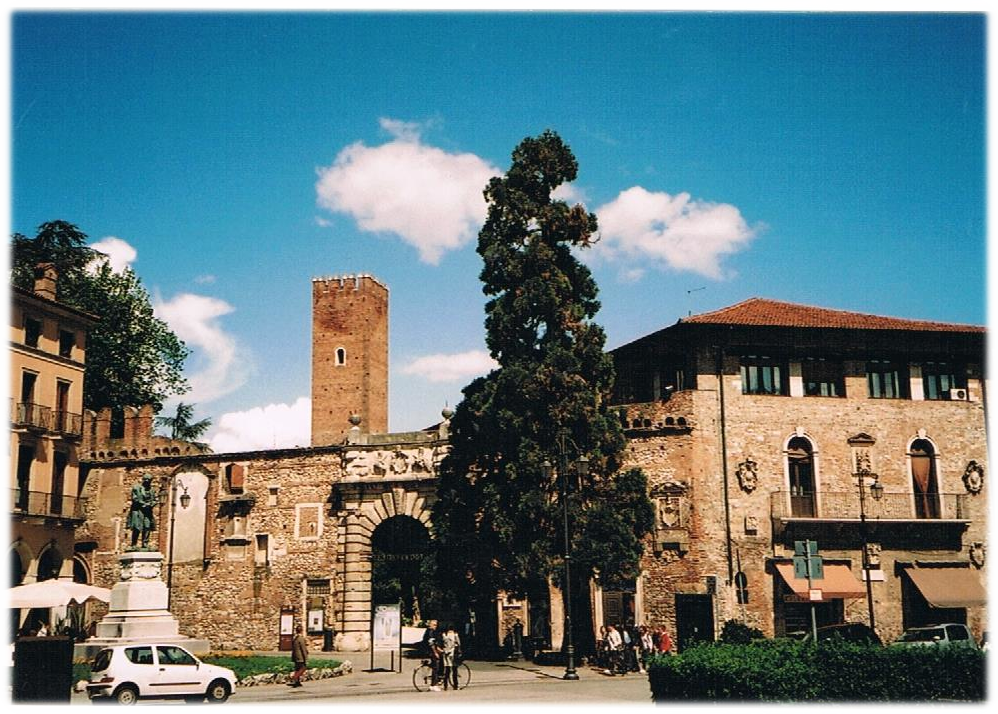
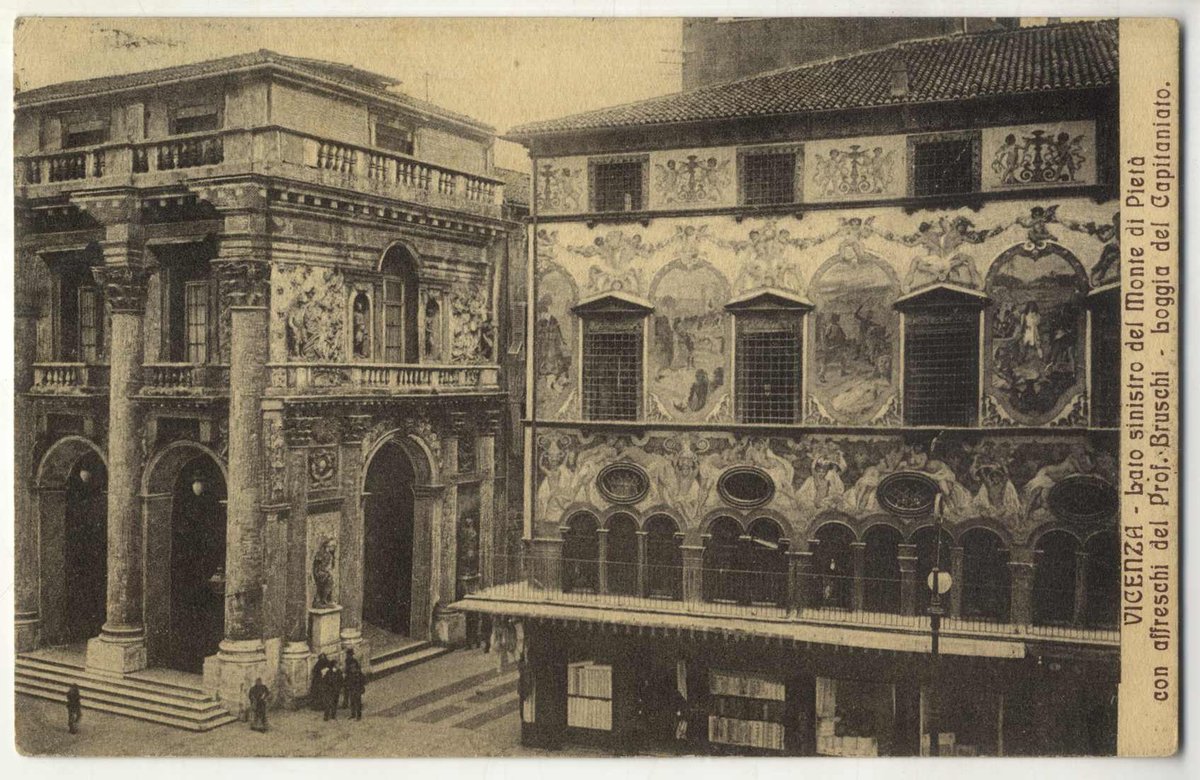
Nestled in the quaint town of Creazzo, Italy, the Loggia Valmarana stands as a testament to Renaissance elegance and architectural ingenuity. Commissioned by the influential Valmarana family and designed by the illustrious Andrea Palladio, this historical structure is a prime example of Palladian architecture. The loggia, completed in the mid-16th century, exemplifies classical Roman principles, characterized by symmetry and harmonious proportions. This architectural marvel not only served as a summer retreat for the Valmarana family but also as a hub for social gatherings and intellectual discourse, reflecting the Renaissance era's cultural and economic prosperity in the Veneto region. Today, the Loggia Valmarana is part of the UNESCO World Heritage Site 'City of Vicenza and the Palladian Villas of the Veneto,' underscoring its universal value and historical significance. Visitors are drawn to its elegant columns, serene gardens, and the rich legacy of the Valmarana family, making it a must-visit destination for history and architecture enthusiasts. (ItalyScapes, Wikipedia)
Historical Background of Loggia Valmarana
Origins and Architectural Significance
The Loggia Valmarana, located in Creazzo, Italy, is a remarkable example of Renaissance architecture. This historical structure was commissioned by the noble Valmarana family, one of the most influential families in the Veneto region during the Renaissance period. The loggia was designed by the renowned architect Andrea Palladio, whose works have significantly influenced Western architecture. Palladio's designs are characterized by their classical Roman principles, symmetry, and harmonious proportions, which are evident in the Loggia Valmarana.
Construction and Design
The construction of the Loggia Valmarana began in the mid-16th century, around 1563, and was completed in 1565. The loggia was intended as a summer retreat for the Valmarana family, providing a serene environment away from the bustling city of Vicenza. The structure features a portico with elegant columns and a pediment, reflecting Palladio's mastery of classical architecture. The use of local materials, such as Vicenza stone, adds to the building's aesthetic appeal and historical authenticity.
Visiting Information
Loggia Valmarana Visiting Hours and Tickets
The Loggia Valmarana is open to the public, typically from 10 AM to 6 PM, though visiting hours may vary by season. Tickets can be purchased at the entrance or online, with prices generally ranging from €5 to €10. Special discounts are often available for students, seniors, and group bookings.
Guided Tours and Special Events
Guided tours are available and highly recommended for those who wish to gain deeper insights into the history and architecture of the loggia. These tours are conducted by knowledgeable guides and can be booked in advance. The loggia also hosts various cultural events, such as concerts and exhibitions, which provide a unique way to experience this historical site.
Historical Context
During the Renaissance, the Veneto region experienced significant cultural and economic growth. The construction of villas and loggias by wealthy families like the Valmaranas was a testament to their social status and appreciation for art and architecture. The Loggia Valmarana is a prime example of this trend, showcasing the blend of functionality and beauty that characterized Renaissance architecture. The loggia served not only as a retreat but also as a venue for social gatherings, intellectual discussions, and artistic pursuits.
The Valmarana Family
The Valmarana family played a crucial role in the history of Vicenza and the surrounding areas. They were patrons of the arts and supported many artists and architects, including Andrea Palladio. The family's wealth and influence allowed them to commission grand projects like the Loggia Valmarana, which has become a symbol of their legacy. The Valmaranas were also involved in politics and commerce, further cementing their status in Venetian society.
Preservation and Restoration
Over the centuries, the Loggia Valmarana has undergone various restoration efforts to preserve its historical and architectural integrity. In the 20th century, significant restoration work was carried out to address structural issues and restore the loggia's original features. These efforts have ensured that the loggia remains a valuable cultural and historical asset for future generations. The restoration work has been guided by principles of conservation, aiming to maintain the authenticity of Palladio's design while addressing the challenges posed by time and environmental factors.
Cultural Significance
The Loggia Valmarana is not only an architectural masterpiece but also a cultural landmark. It represents the artistic and intellectual achievements of the Renaissance period and the enduring legacy of the Valmarana family. The loggia is part of the UNESCO World Heritage Site "City of Vicenza and the Palladian Villas of the Veneto," which recognizes the outstanding universal value of Palladio's works. Visitors to the loggia can appreciate its historical significance and the role it played in the cultural life of the region.
Travel Tips and Nearby Attractions
Tips for Your Visit
- Photography: The loggia offers numerous photographic spots. Be sure to capture the intricate details of Palladio's design and the serene landscape.
- Accessibility: The site is accessible to visitors with mobility issues. However, it's advisable to contact the staff in advance for specific arrangements.
- Best Time to Visit: Early mornings or late afternoons are ideal for visiting to avoid crowds and enjoy the tranquil environment.
Related Sites and Further Exploration
For those interested in exploring more of Andrea Palladio's works, the nearby city of Vicenza offers numerous examples of his architectural genius. The Basilica Palladiana, Villa Capra "La Rotonda," and Teatro Olimpico are just a few of the many Palladian structures that visitors can explore. Each of these sites provides additional context and insight into the architectural and cultural landscape of the Renaissance period.
Frequently Asked Questions (FAQ)
What are the visiting hours for Loggia Valmarana?
The Loggia Valmarana is typically open from 10 AM to 6 PM, but hours may vary by season.
How much are tickets for Loggia Valmarana?
Ticket prices generally range from €5 to €10, with discounts available for students, seniors, and group bookings.
Are guided tours available?
Yes, guided tours are available and recommended for a deeper understanding of the loggia's history and architecture.
Is the Loggia Valmarana accessible for visitors with mobility issues?
Yes, the site is accessible, but it's advisable to contact the staff in advance for specific arrangements.
Discover More
For more information, download our mobile app Audiala and follow us on social media for updates on events and new content related to historical sites like the Loggia Valmarana.
Listen to the full story in the app
The whole Loggia Valmarana,
told well.
Audio guides for 1,100+ cities across 96 countries. History, stories, and local insight — offline ready.

Verified, and shown.
Researched and written by the Audiala editorial team from historical records, architectural archives, and local expertise.
Loggia Valmarana. Retrieved from
Loggia Valmarana. Retrieved from
Works of Palladio. Retrieved from
Researched from Wikidata, Wikipedia & official sources · fact-checked · How we make our guides →